Nestled amongst the rolling hills of the Timok Valley in eastern Serbia lies one of Europe’s most impressive and mysterious Roman palace complexes: Romuliana. This extraordinary site, now a UNESCO World Heritage Site, tells a story of power, ambition and the transience of an empire. It bears traces of great figures from antiquity and offers us a fascinating insight into the world of the Roman Empire. But what makes Romuliana so significant? What lies behind its imposing walls, and why is it still regarded today by historians and archaeologists as a true jewel of Roman architecture and history? This article embarks on an exciting journey into the past, shedding light on the background of the complex and the stories surrounding its builder, Emperor Galerius.
A historical discovery – The first documented mention of the ruins of Romuliana dates back to 1835, when the discoverer August von Herder described the remains not far from what is now Gamzigrad. The site, located some seven kilometres south-west of the town of Zaječar, fascinated more than just Herder. Several decades later, Felix Philipp Kanitz, an Austro-Hungarian geographer and ethnographer, described the remains as one of the best-preserved Roman structures in Europe. Since then, the site has attracted history enthusiasts, archaeologists and tourists alike and has been the subject of numerous academic studies. A significant breakthrough in identifying the site came in 1984. An inscription found within the complex finally solved the mystery surrounding its name: the name ‘Romuliana’ was clearly linked to the Tetrarch Galerius and his mother Romula. Further light was shed on the matter by a discovery of great historical and symbolic significance – a porphyry bust believed to depict Emperor Galerius himself. Such busts were commissioned exclusively for emperors, which further supported the theory that the site served as the ruler’s final resting place and as a seat of government.
The visionary Emperor Galerius – To understand the significance of Romuliana, it is worth taking a closer look at the personality of the man who commissioned the construction of this complex. Galerius, who reigned from 293 to 311, was part of the so-called Tetrarchy, a system of government introduced by Emperor Diocletian consisting of four emperors. This concept was intended to ensure the stability of the vast Roman Empire through shared rule. Galerius was initially appointed Caesar (junior emperor) and later rose to become Augustus of the eastern half of the empire. Galerius was renowned for his military zeal and leadership qualities. The years of his reign were marked by military campaigns against various tribes north of the Danube, including the Goths and the Carpi. He was also a staunch advocate of the persecution of Christians, entirely in keeping with the tradition of his mentor, Diocletian. Galerius’s background also played a role in this: his mother, Romula, worshipped the ancient pagan gods, particularly the deities of the mountains and nature, which presumably shaped his religious worldview. The decision to build a magnificent palace in his homeland was therefore not only an expression of his political power, but also a personal endeavour. Romula had a great influence on Galerius’s life, and her significance is clearly reflected in the naming and design of the palace complex.
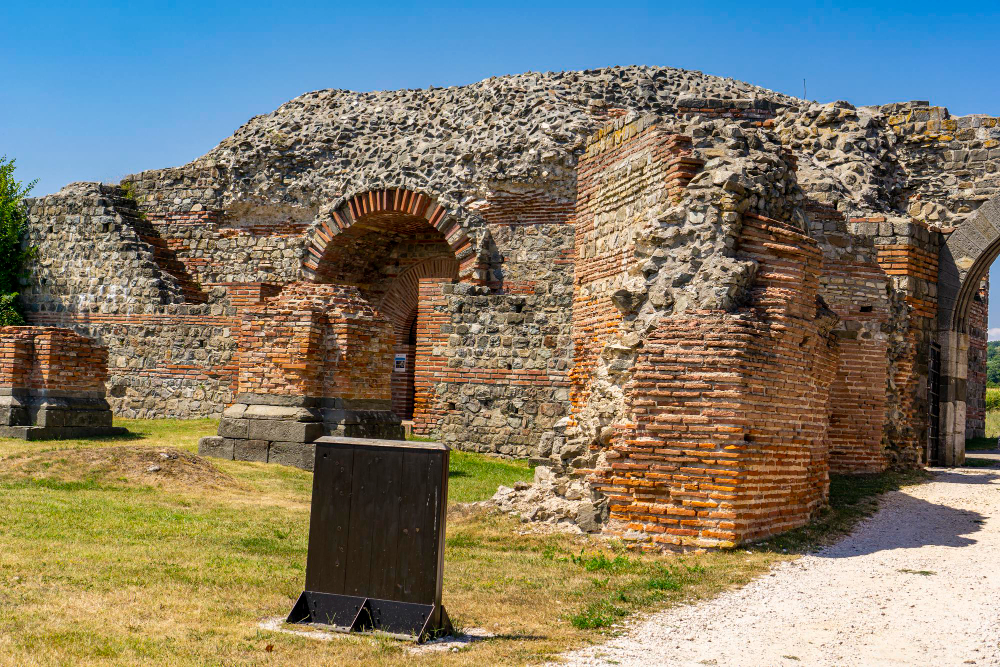
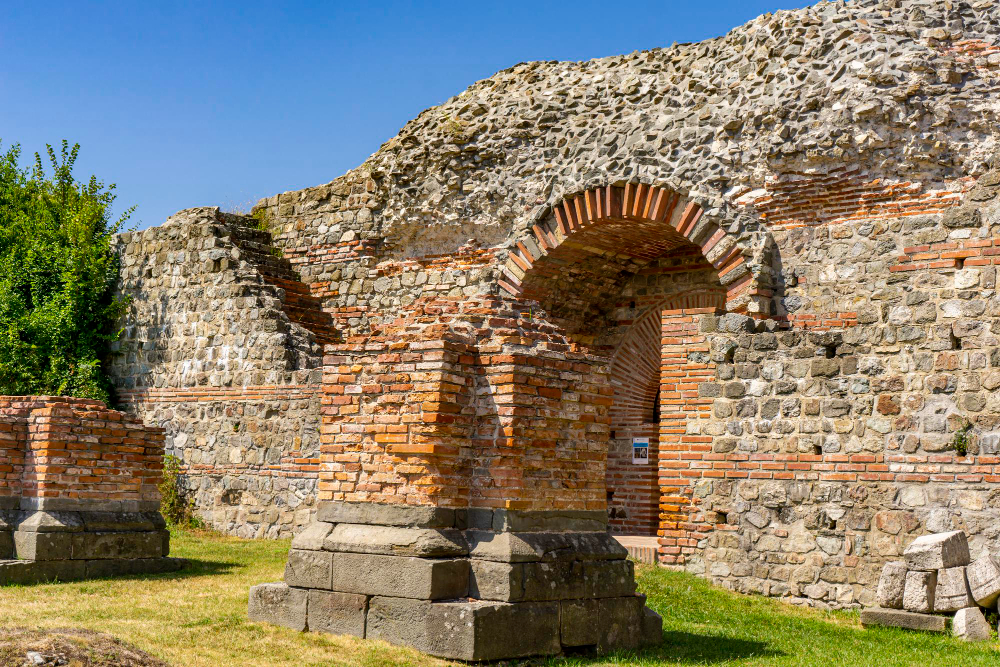
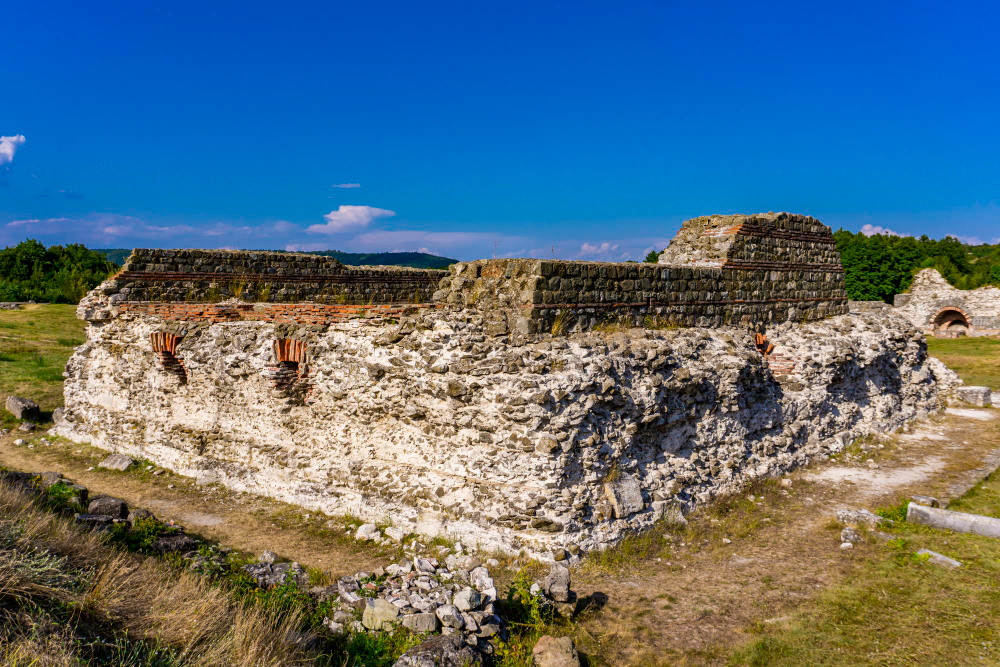
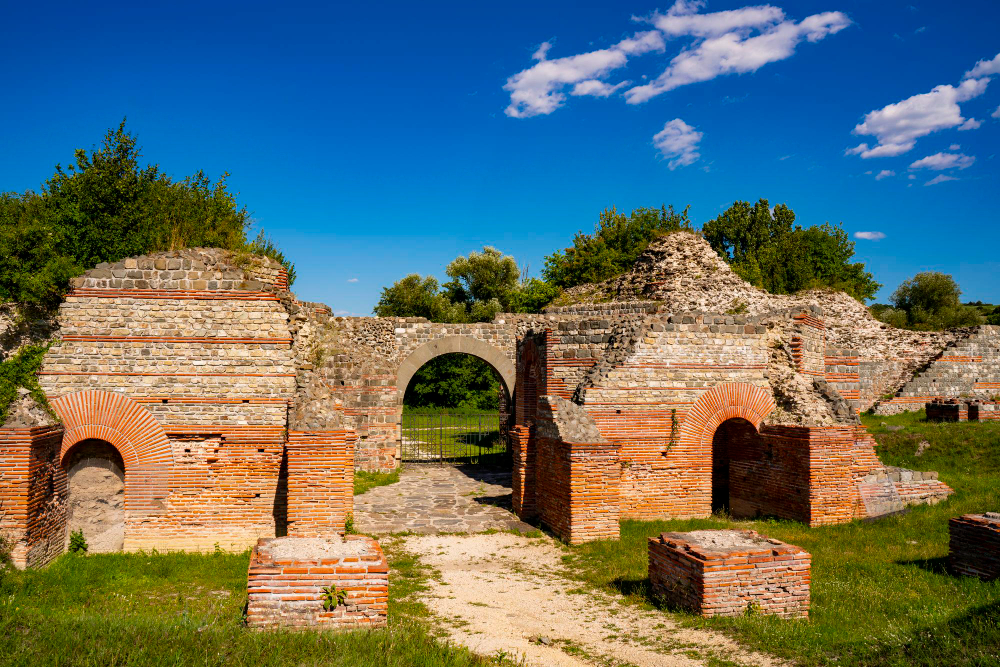
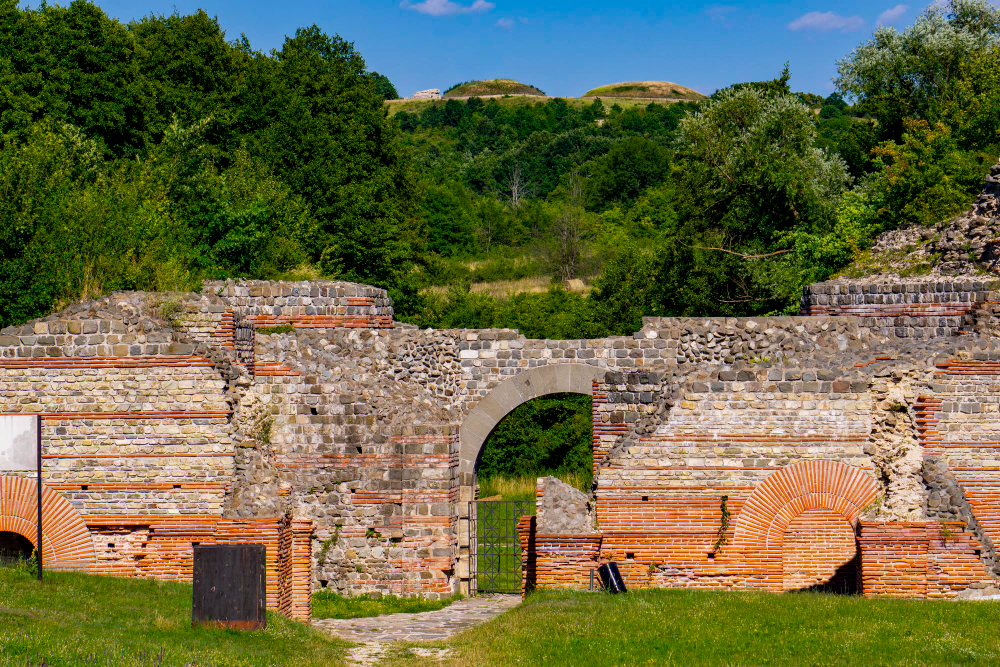
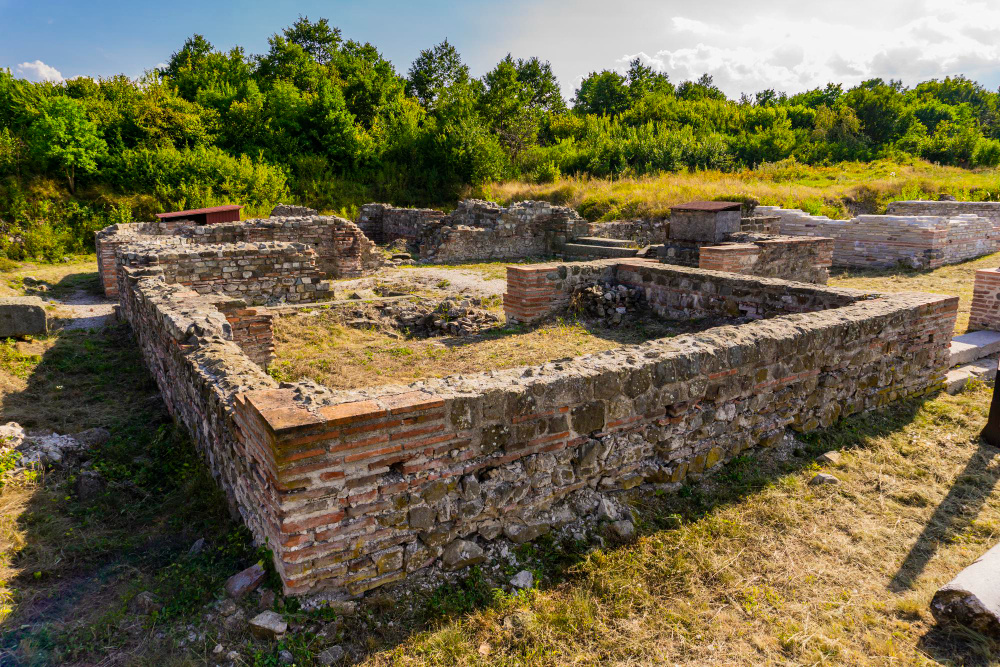
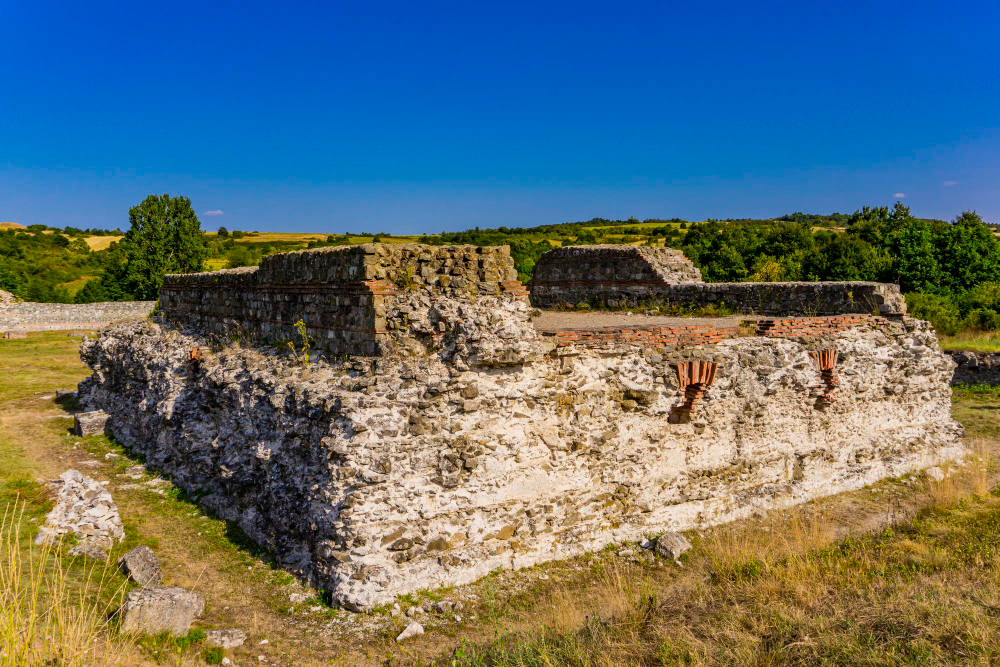
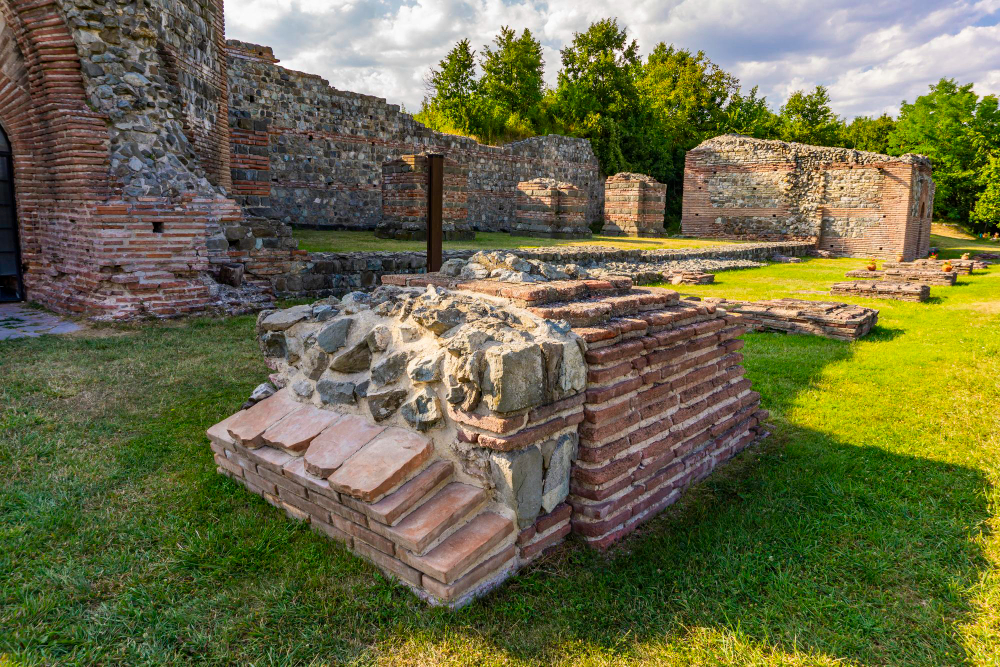
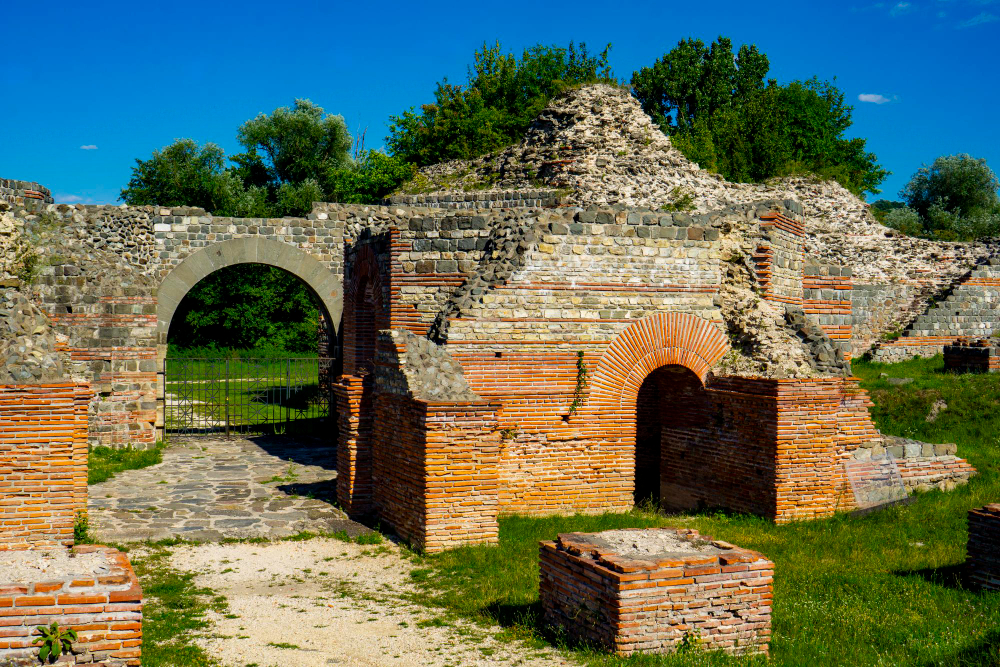
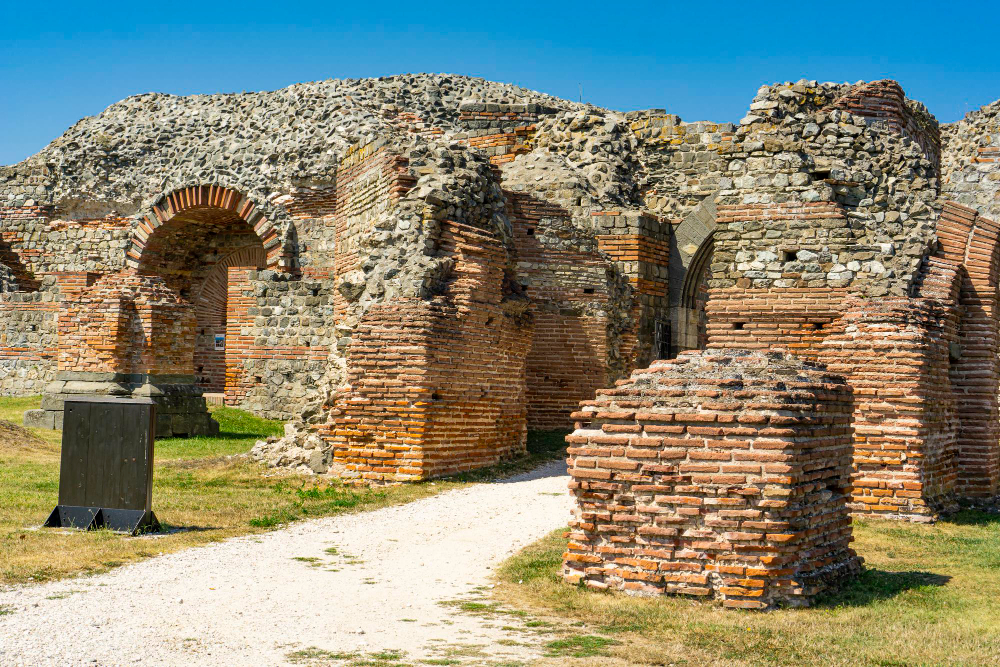
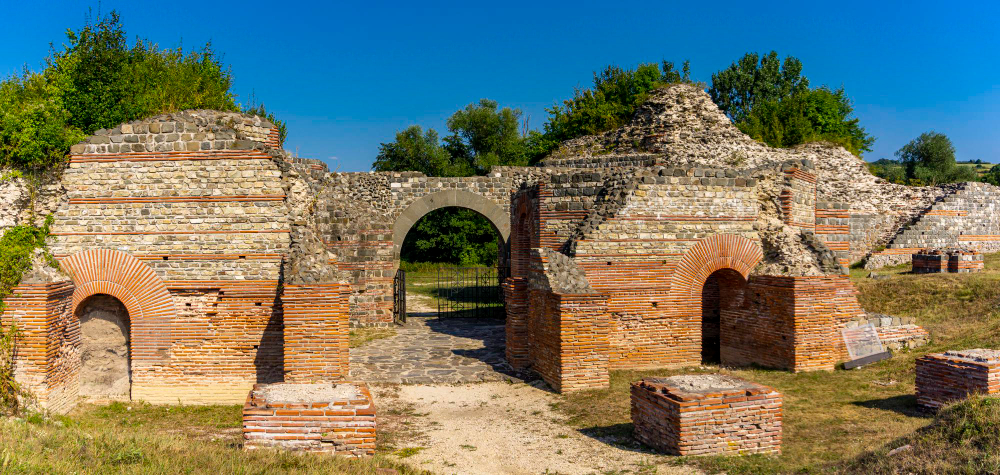
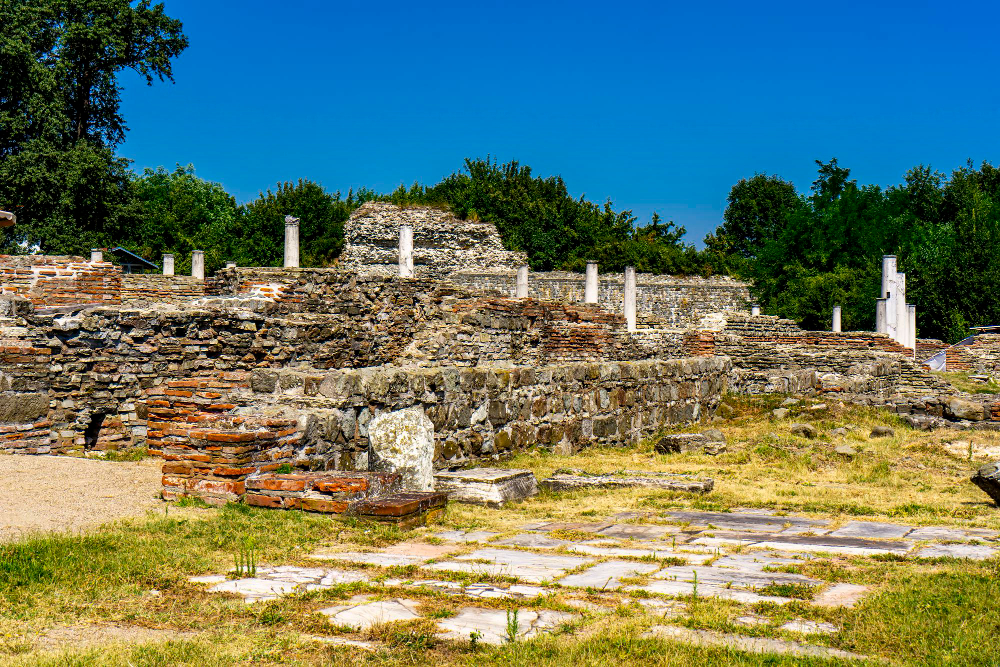
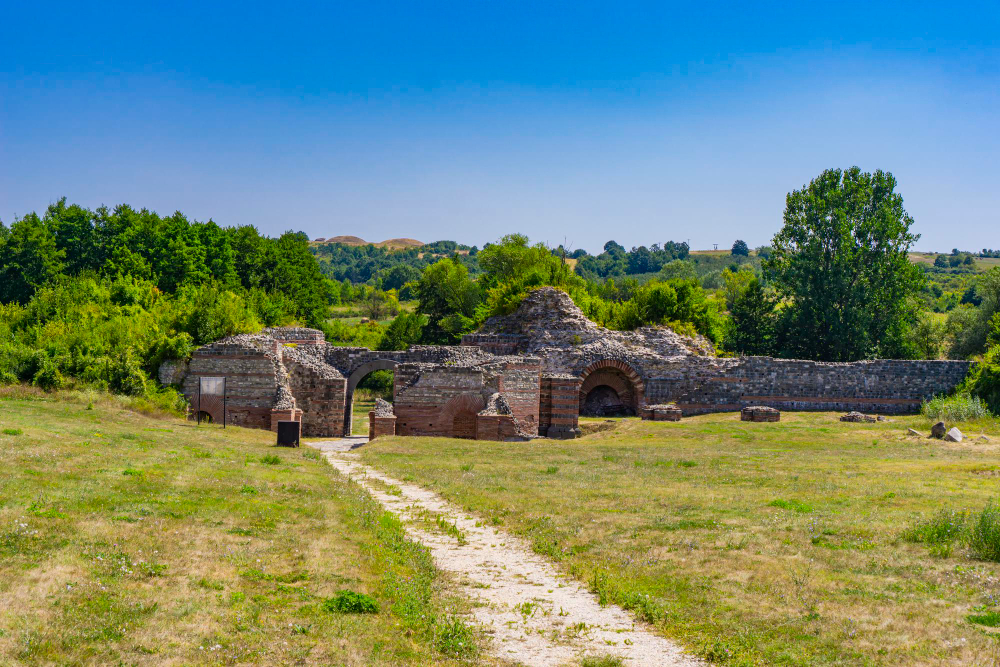
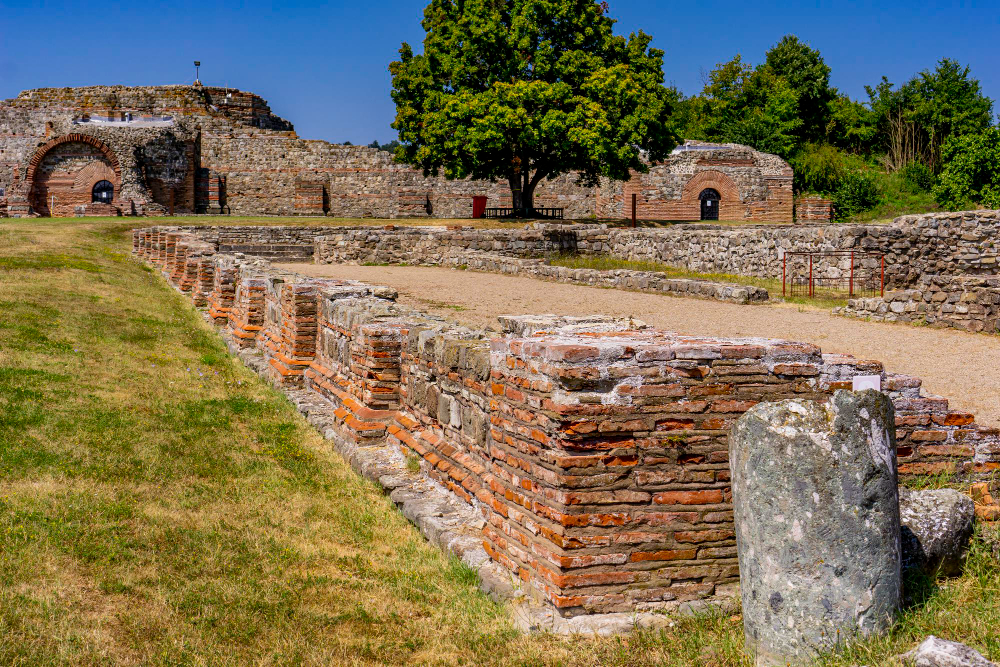
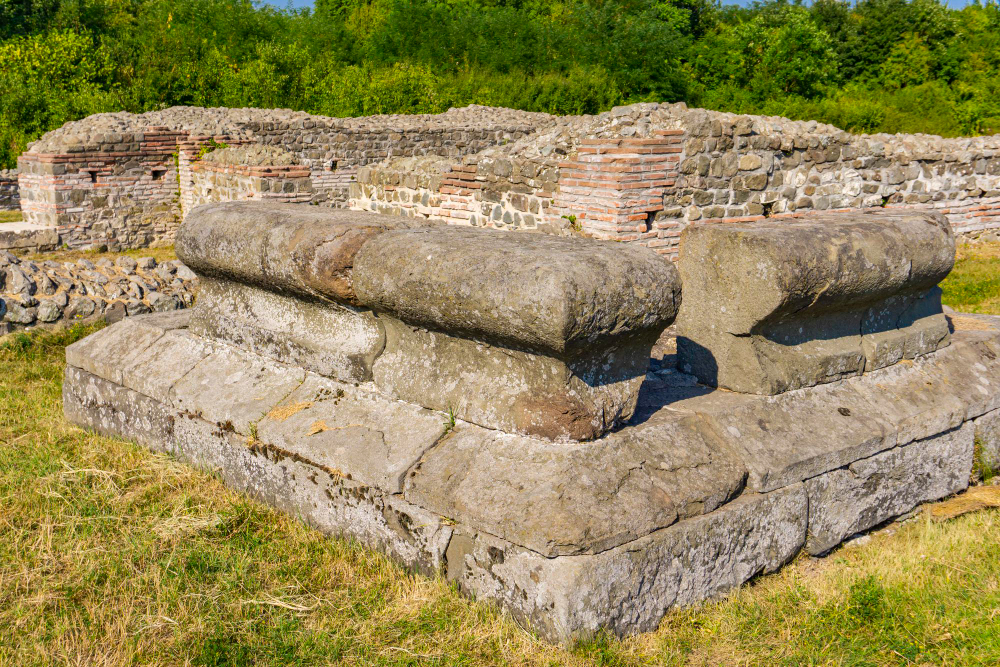
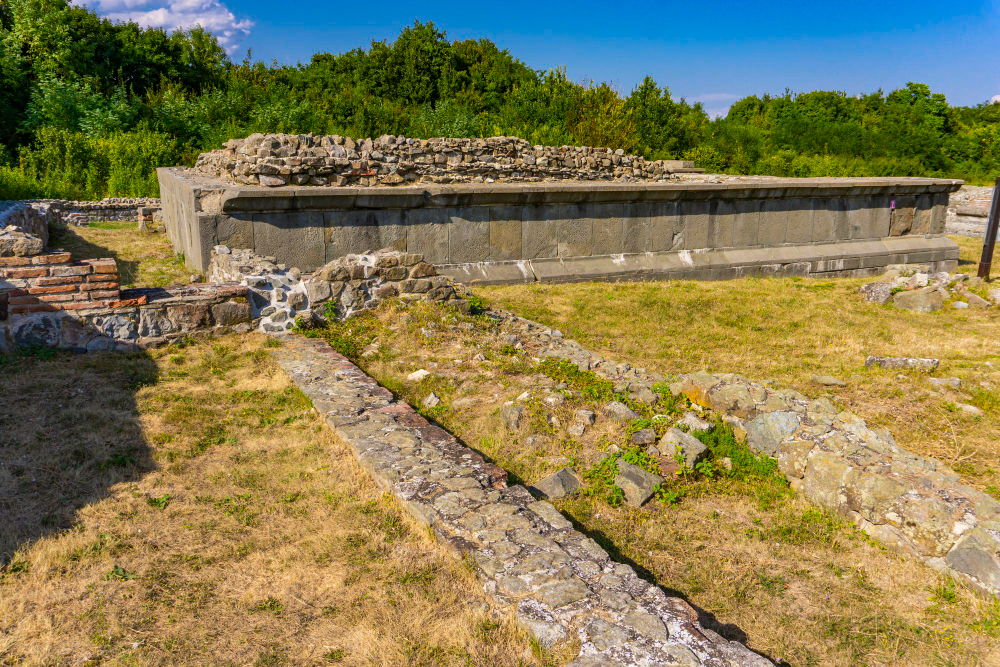
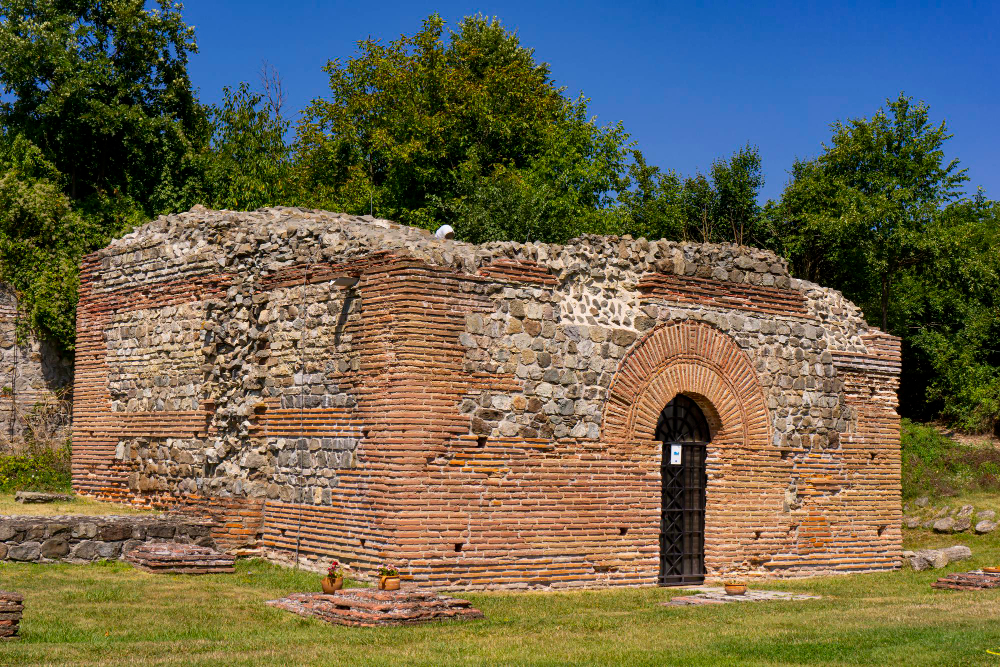
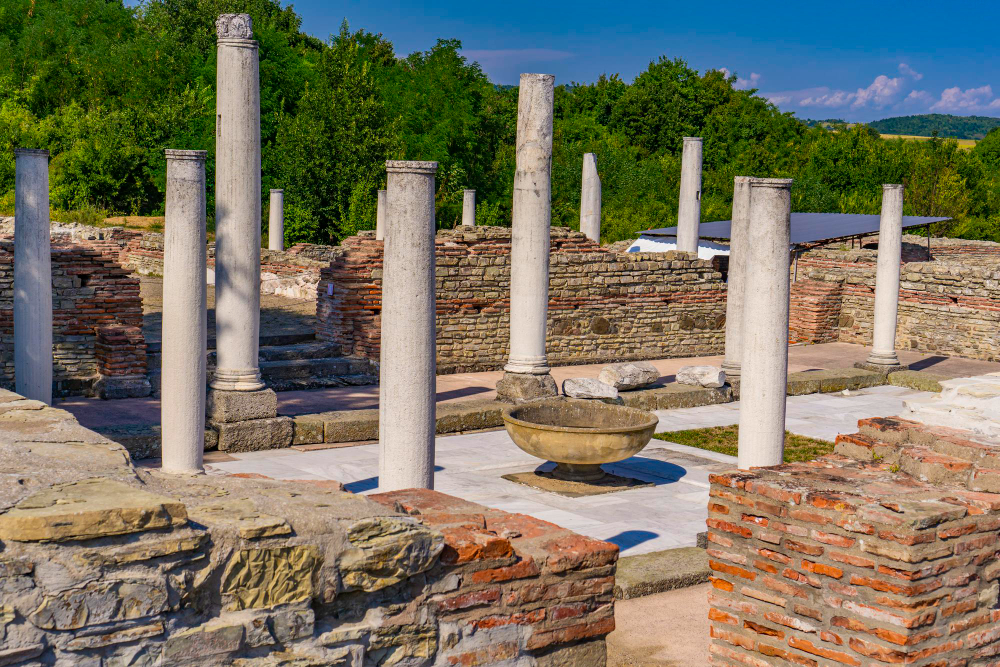
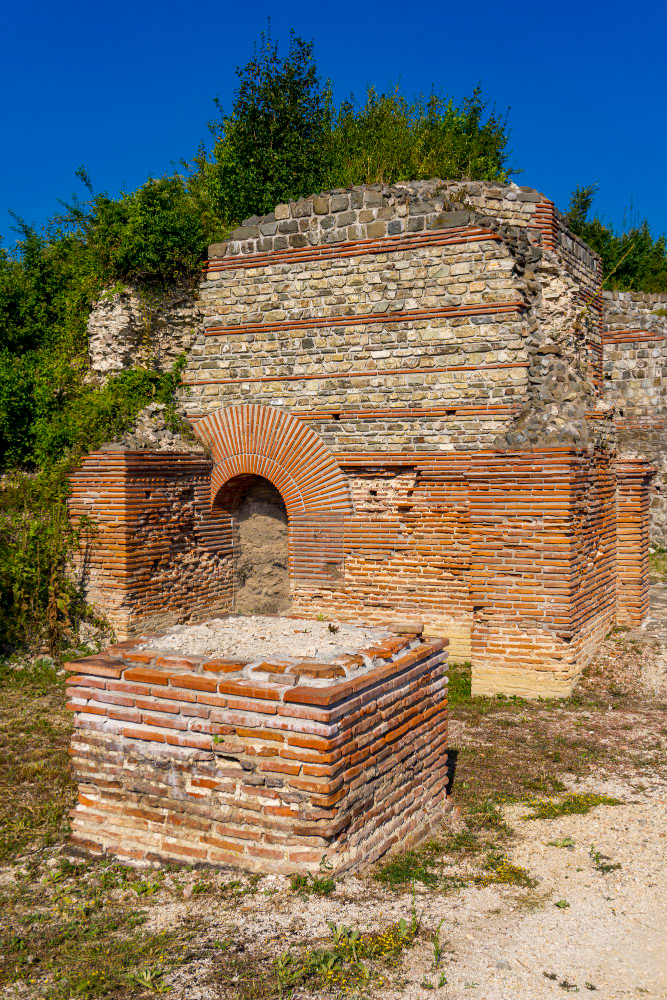
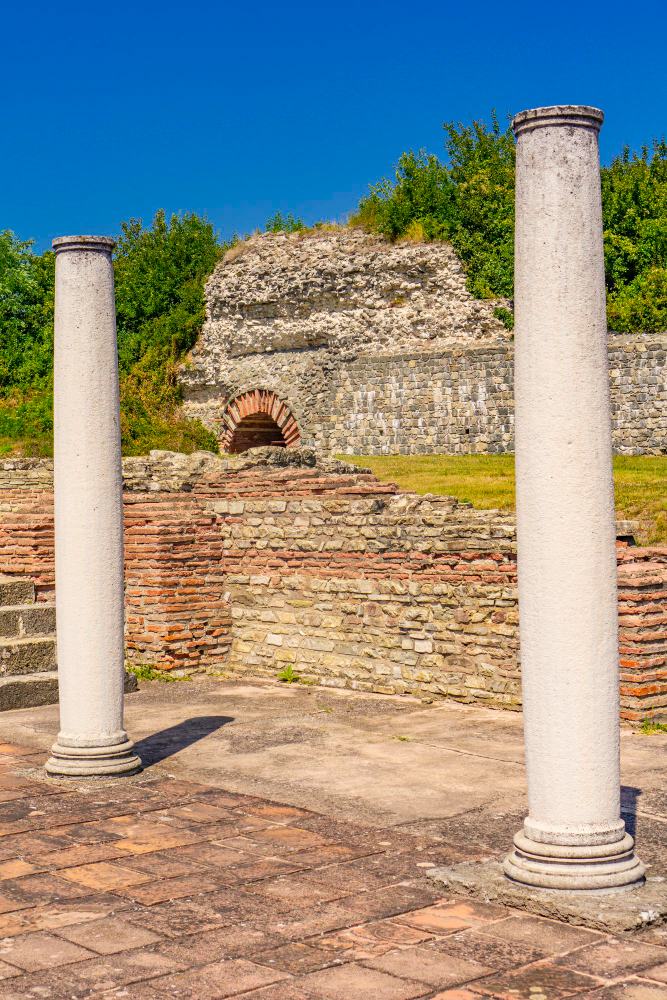
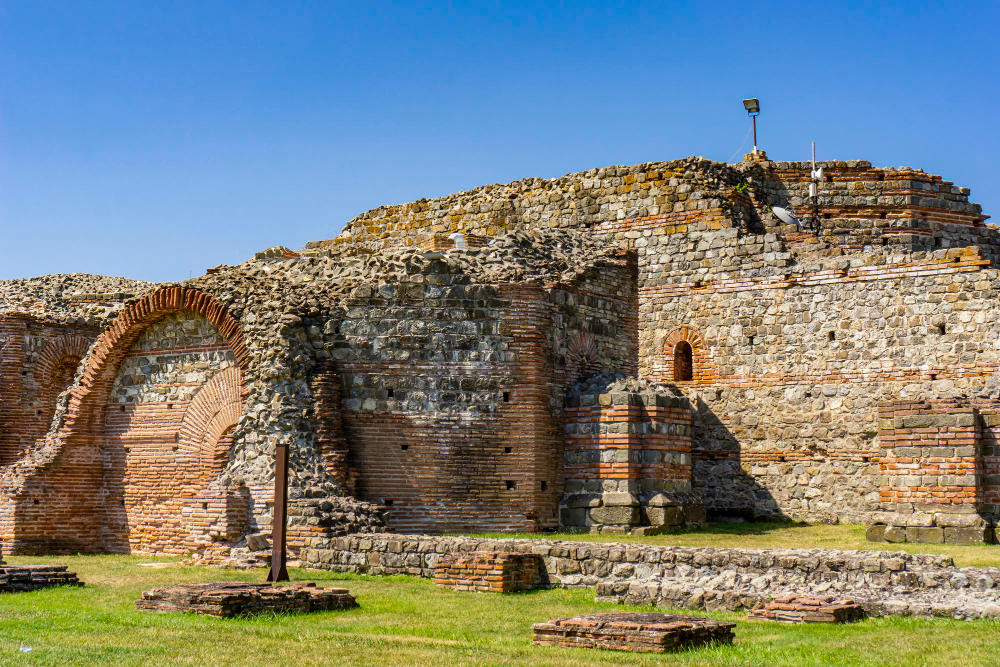
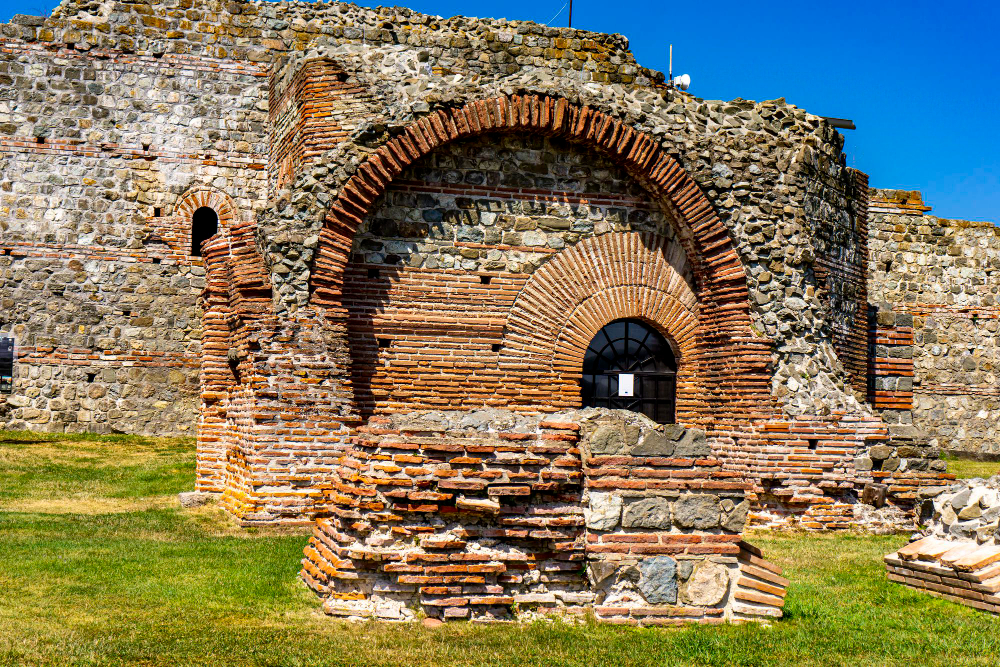
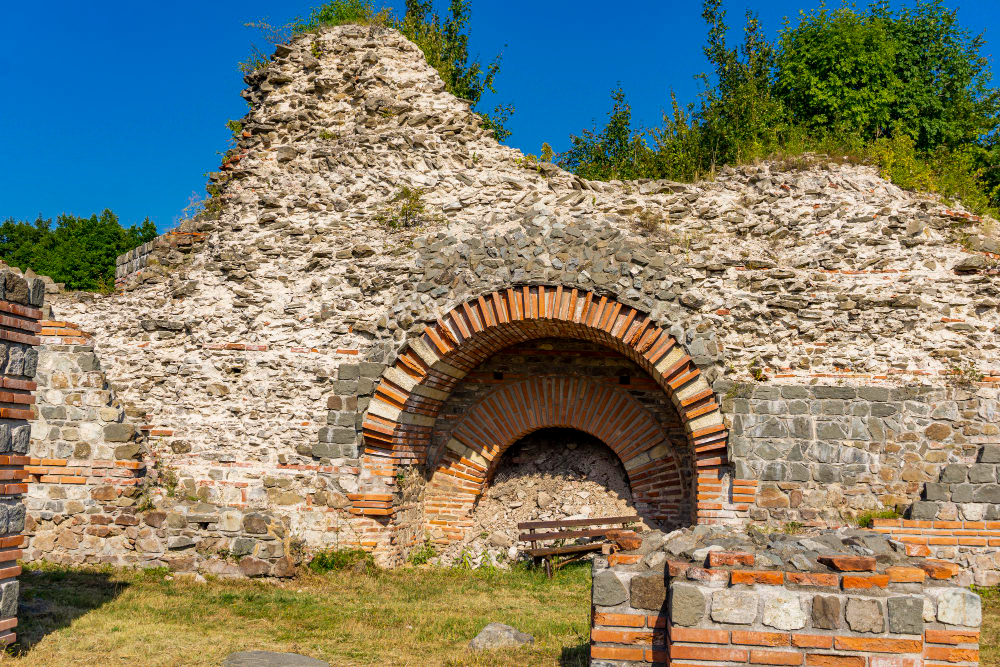
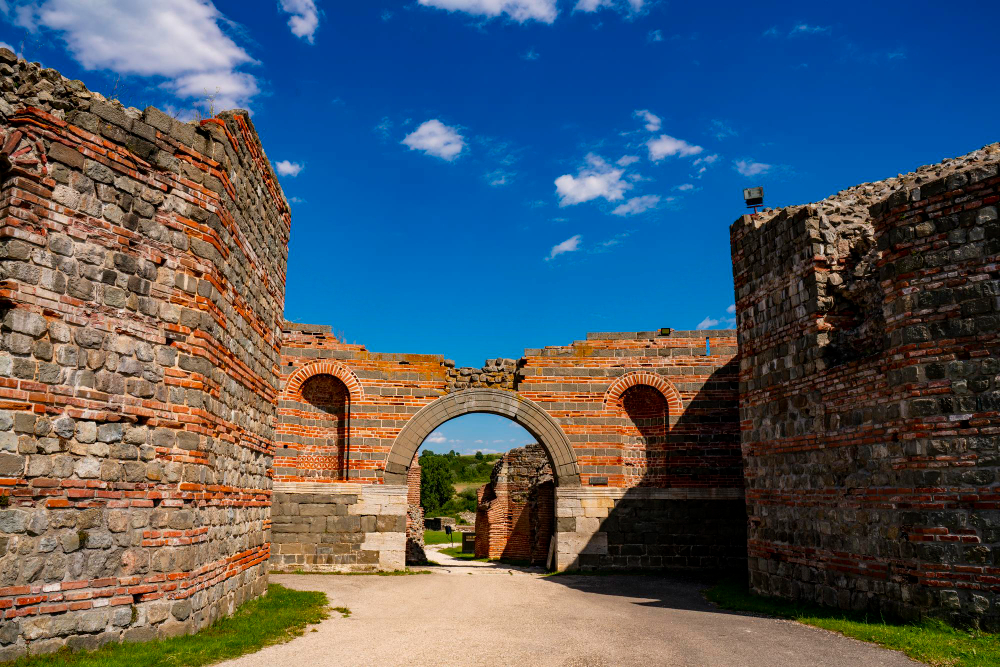
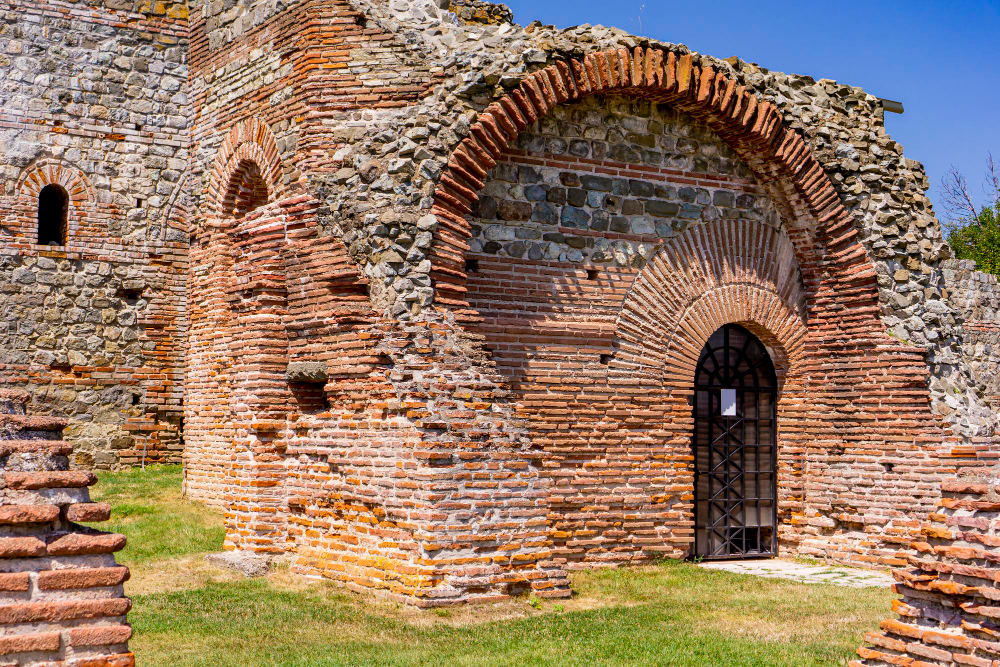
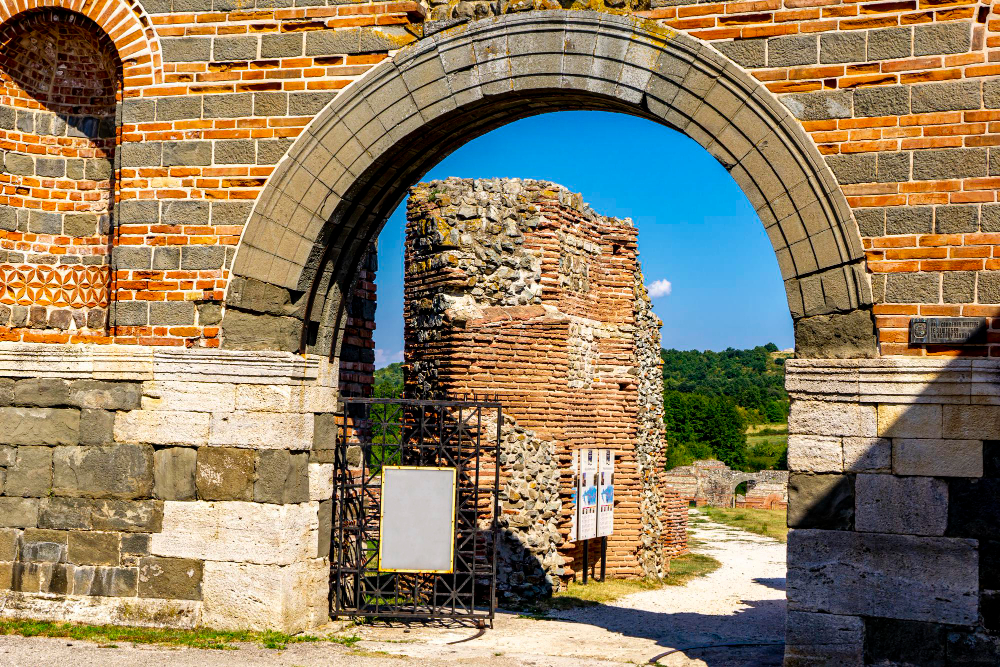
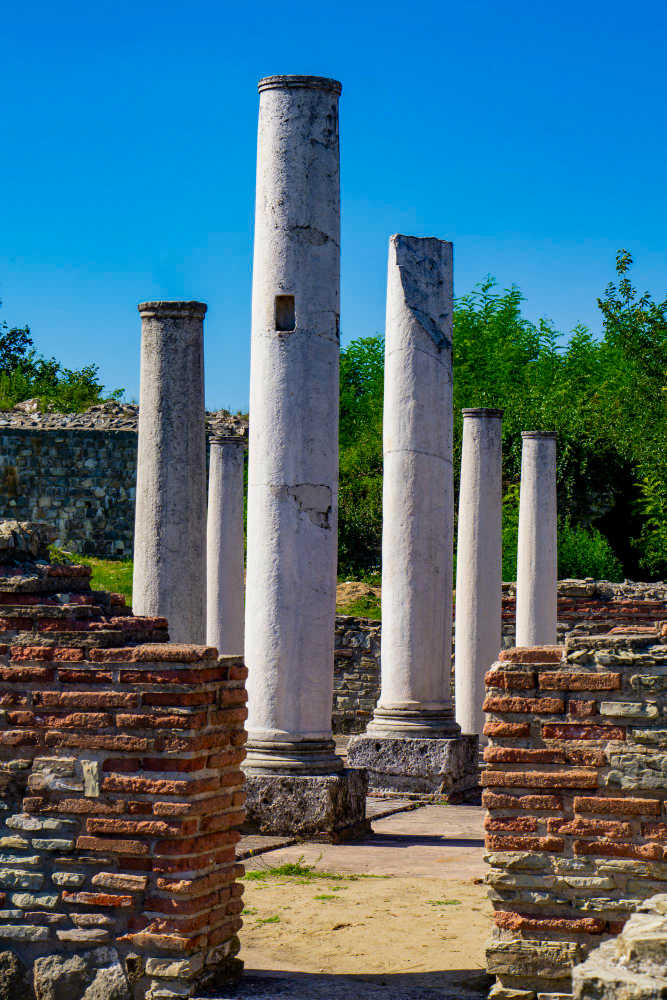
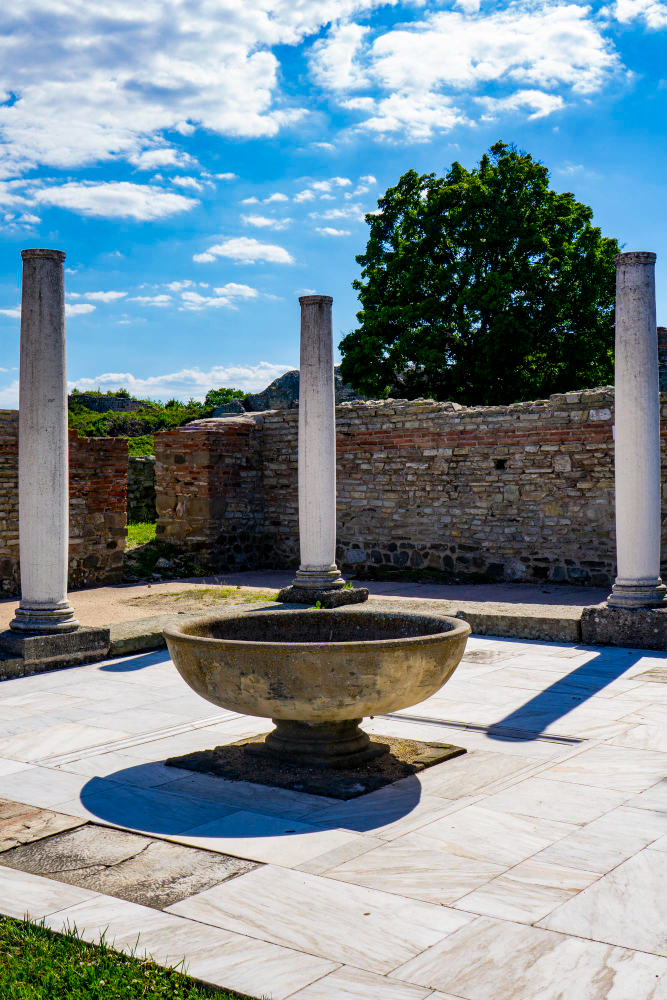
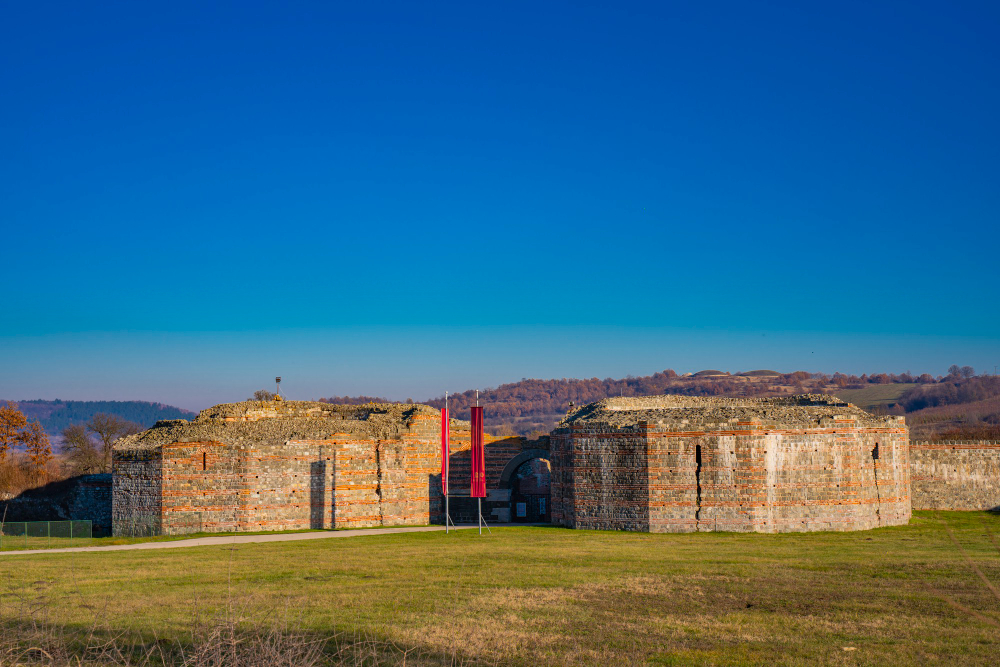
Architecture and Significance of the Romuliana – The Romuliana was far more than just a residence. It was a complex that served both as a symbol of self-representation and for sacred purposes. With their massive walls, flanked by 20 imposing towers and reaching a height of up to 15 metres, the ruins still convey a sense of the former splendour and power of the Roman Empire. The palace complex followed the typical layout of Roman residences: a central courtyard surrounded by stately buildings, temples and baths. However, Romuliana did not merely fulfil practical and aesthetic functions; it also possessed profound symbolic significance. The complex was linked to a nearby hill called Magura, on which Galerius had a mausoleum built for his mother, Romula. Following his own death in 311, he too was buried there, in a separate tomb next to his mother’s. The eastern orientation of the funerary complex – directly opposite the main entrance to the palace complex – suggests that the entire site followed a carefully conceived spiritual and cosmological concept. Another distinctive feature is the use of porphyry, a rare and precious red stone reserved exclusively for the Roman emperors. The porphyry bust of Galerius, as well as other fragments made of this material, underline the site’s significance as a symbolic centre of his reign.
The eventful history of the site – Following the death of Emperor Galerius and the completion of his mausoleum, the palace complex fell into obscurity relatively quickly. All building work ceased, and Romuliana was abandoned. Yet the story was far from over. In the year 380, the site was resettled, and the complex developed into a rural vicus – a small settlement which, however, fell far short of the significance of its original purpose. The turbulent centuries left their mark. In 441, Romuliana was destroyed by the Huns, though some houses survived and continued to be used in the decades that followed. Under Emperor Justinian I, one of the most significant rulers of the Eastern Roman Empire, the site experienced a renaissance. A large basilica with a baptistery was erected, reflecting the spread of Christianity and the changing religious landscape. However, with the Slavic incursions from the 6th century onwards, the region’s decline began once more. In the 10th century, a Slavic settlement was established there, which lasted until the 12th century. After that, Romuliana was finally abandoned and gradually fell into disrepair, until eventually only the ruins bore witness to its former splendour.
Romuliana today: A jewel on the World Heritage List – In 2007, Romuliana was inscribed on the UNESCO World Heritage List in recognition of its exceptional architectural and historical value. Today, the site is not only a valuable subject of research for archaeologists and historians, but also a major attraction for tourists from all over the world. The fully preserved perimeter wall, with its imposing towers, gives visitors a vivid impression of the size and splendour of the former palace complex. Thanks to extensive archaeological work, many details regarding the use and significance of Romuliana have been reconstructed. Numerous coin finds and pottery fragments help to further unravel the history of the site and its inhabitants. Yet, despite all the scientific progress, Romuliana remains a mystery in many respects. Why did construction work come to such an abrupt halt following the death of Emperor Galerius? What prompted people to resettle the site several times, only to abandon it once more?
Our window into the past – Romuliana is more than just a collection of ancient ruins. It is a living testament to Roman history, a symbol of the power and transience of an empire, and a place steeped in legends and mysteries. The connection between the palace complex, the personality of Emperor Galerius and his mother Romula reveals much about the cultural and political worldviews of late antiquity. Today, this walled site reminds us just how closely personal ambitions, religious beliefs and political power can be intertwined. The history of Romuliana also shows that even the mightiest structures and empires do not last forever – yet their remains still bear witness, centuries later, to greatness, aspiration and human creativity. Visitors to Romuliana are immersed in a world where past and present merge. It is a place of reflection, where the lessons of history are ever-present. And so Romuliana remains not only an archaeological treasure, but also a monument to the connection between humanity and time.