Slovakia is renowned for its breathtaking mountain landscapes, charming villages and historically significant towns. One such town, which has secured a firm place on the list of must-see European destinations thanks to its cultural and architectural treasures, is Levoča. This picturesque town in eastern Slovakia uniquely blends centuries-old history with a modern way of life. In this article, we’ll take you on a tour of Levoča, delve deep into its fascinating past and discover the many highlights it has to offer.
A Glimpse into the Past: The Eventful History of Levoča – The first written mention of Levoča dates back to 1249, although its roots may go back even further. Following the destruction of the preceding settlement by the Mongols, the town began to develop in the mid-13th century. As part of the Spiš region (Slovak: Spiš), Levoča quickly became an important centre of trade and culture. Levoča experienced its heyday particularly during the late Middle Ages. Thanks to its location on the important trade route between Hungary and Poland, the town benefited enormously economically. Merchants and craftsmen settled there, turning Levoča into a centre for trade, art and science. This outstanding status was underlined in 1271 when the town was declared the capital of the Spiš Saxons, a German minority who had settled there and helped shape the region’s destiny for centuries. In the 15th and 16th centuries, Levoča became a member of the Hanseatic League, which further boosted international trade. Many of the town’s architectural masterpieces, which have survived to this day, also date from this period. Yet, like many other towns, Levoča experienced its ups and downs: wars, fires and economic crises characterised the centuries that followed. Despite everything, the town retained its charm and cultural significance, leading to the inclusion of its historic town centre on the UNESCO World Heritage List in 2009.
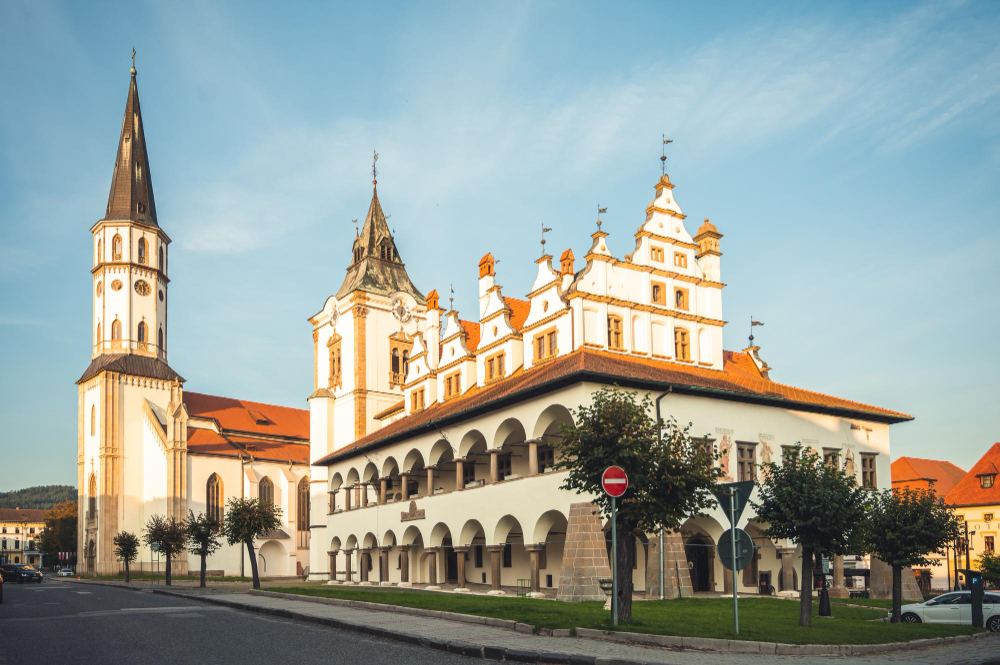
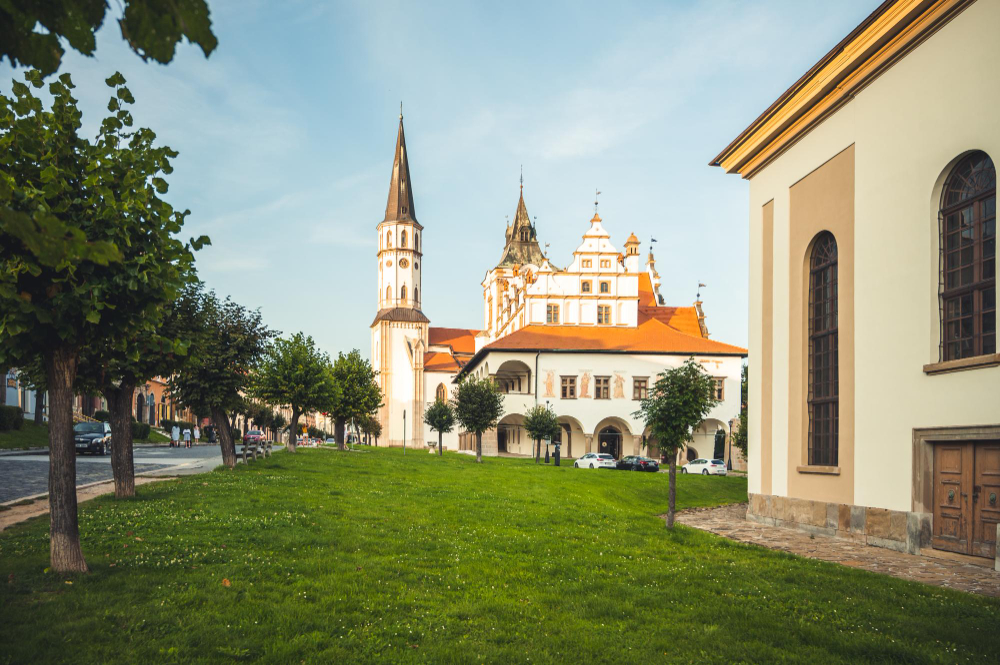
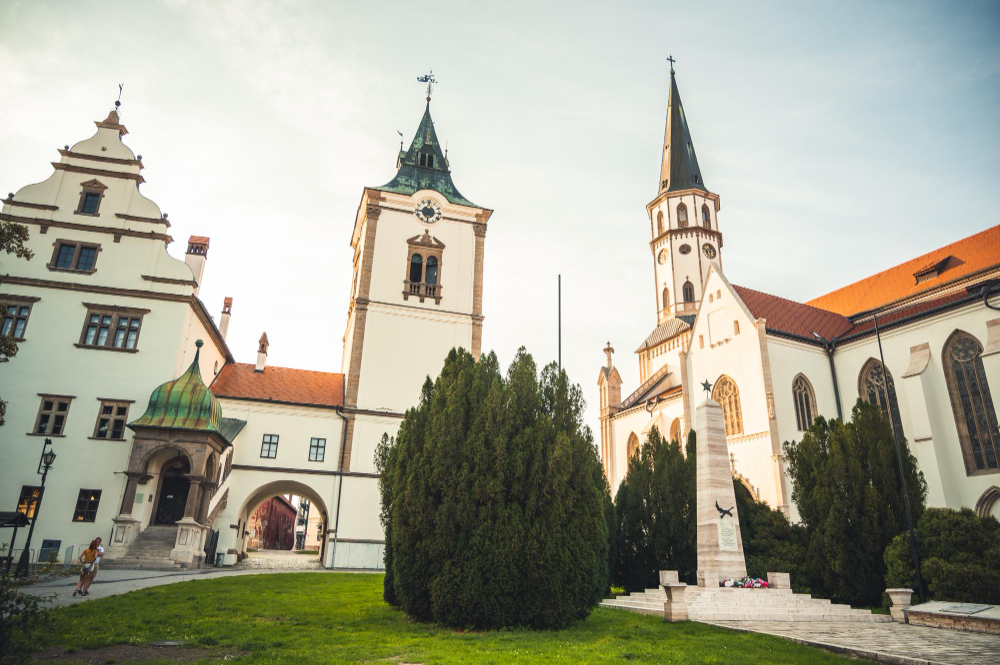
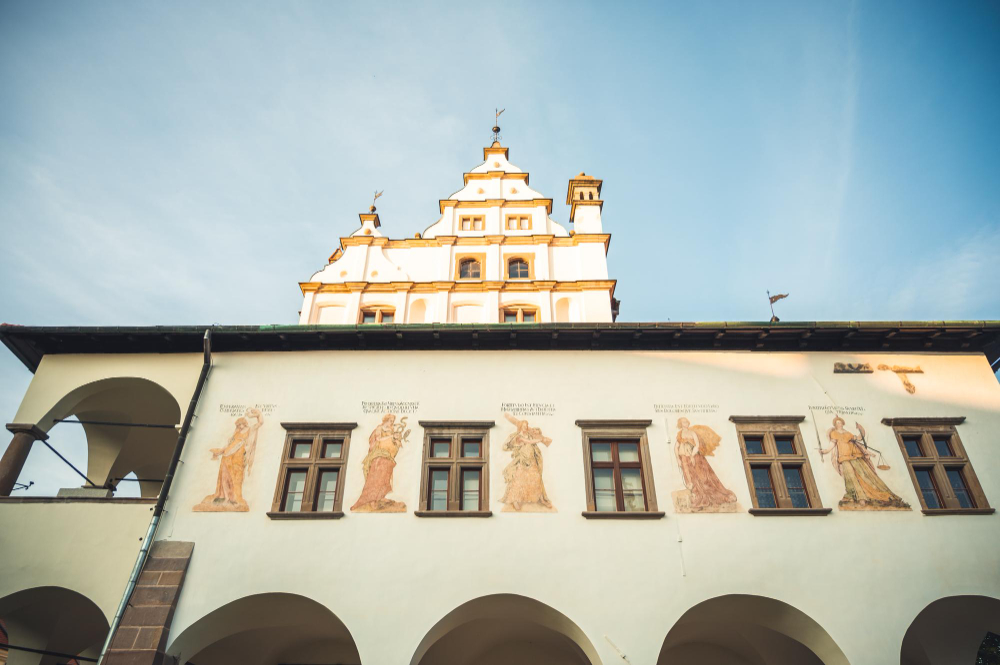
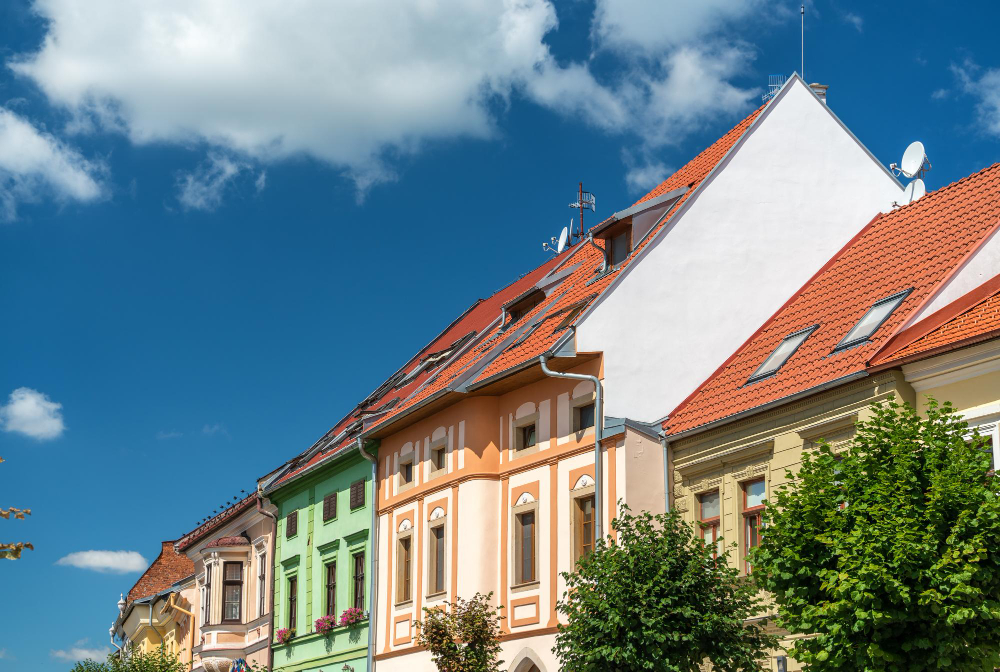
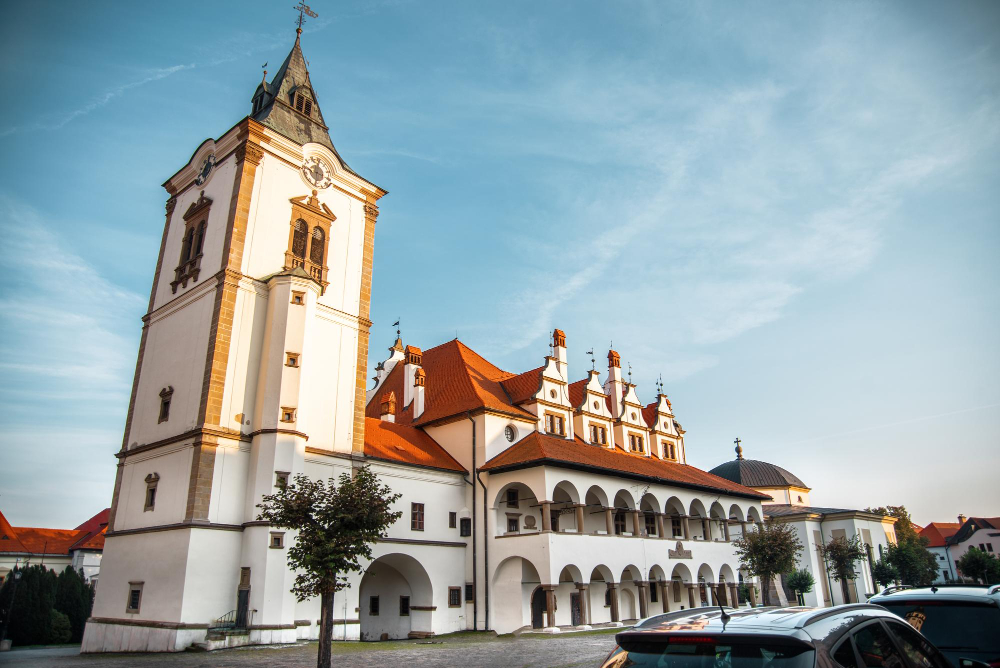
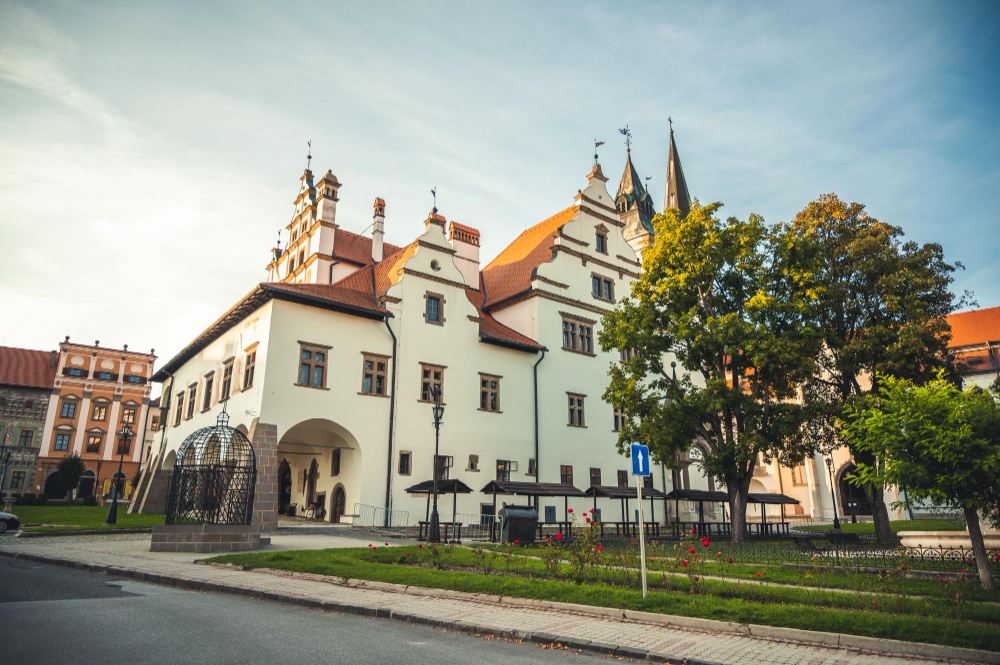
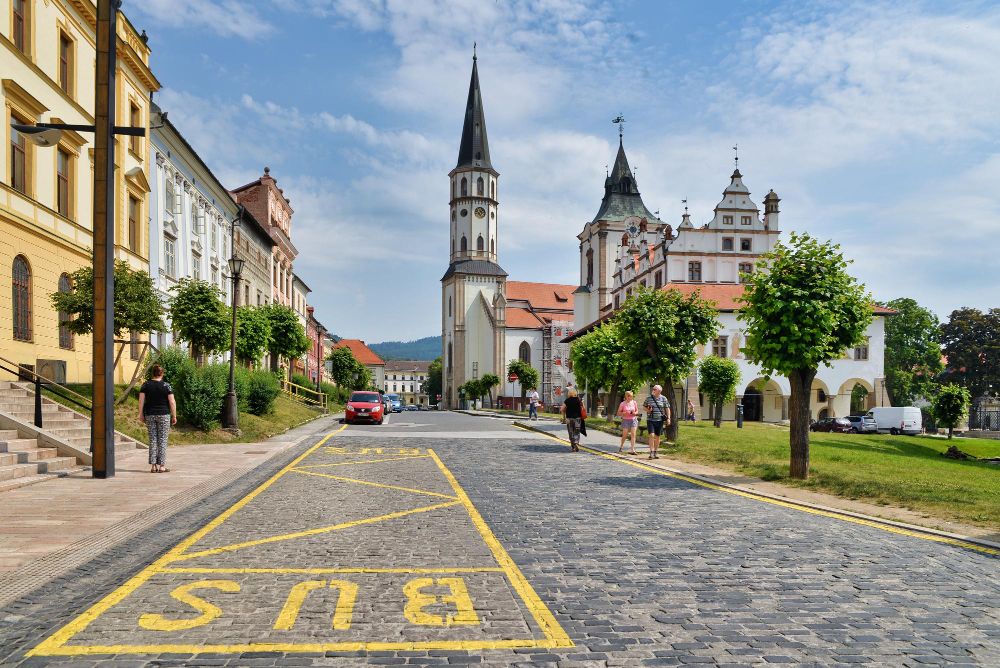
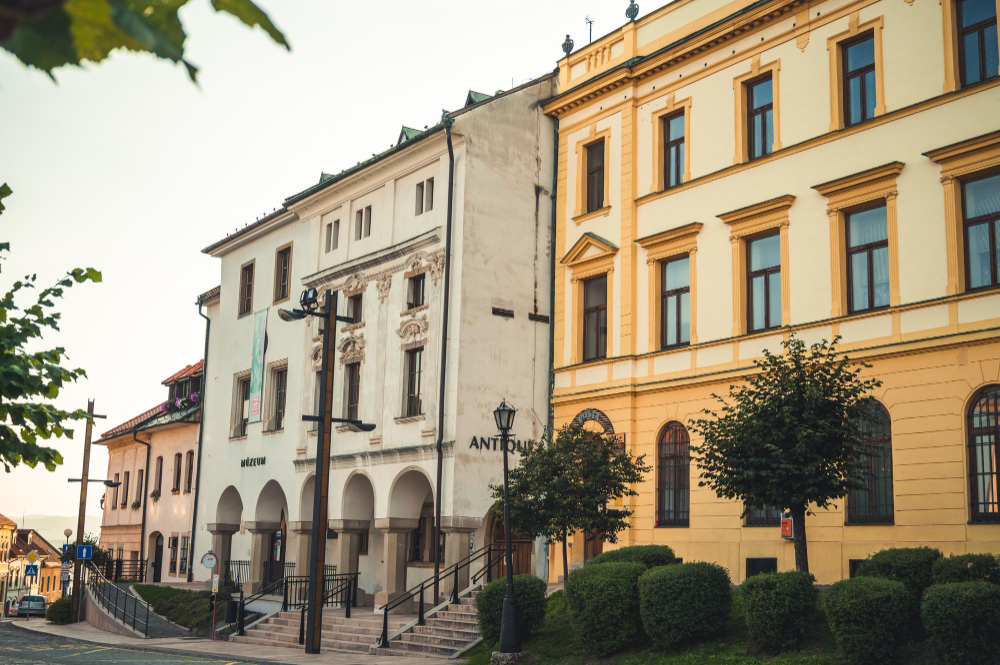
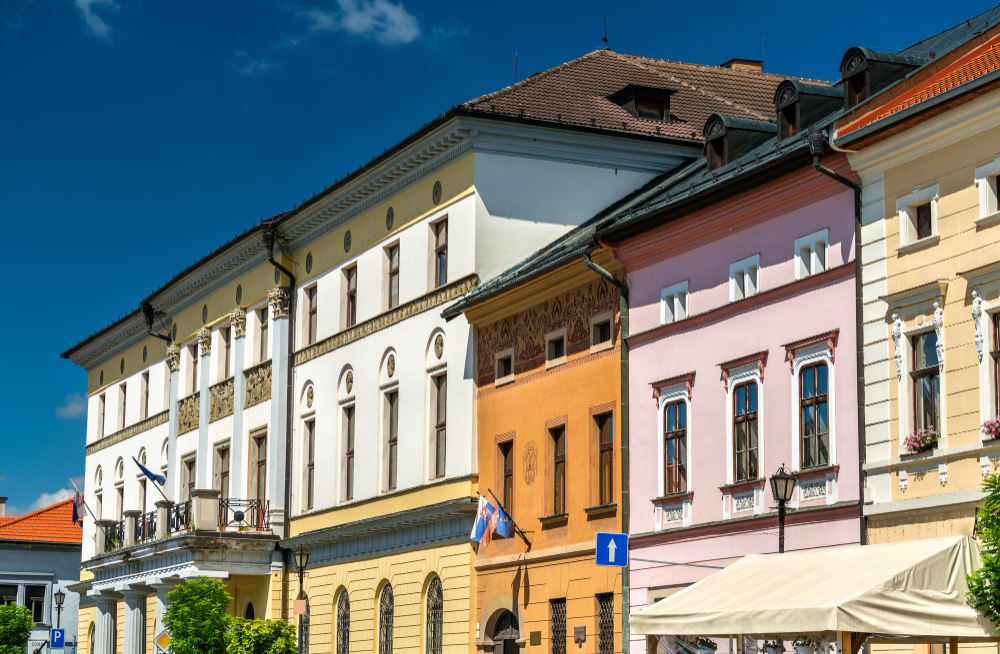
The central market square: the heart of Levoča – For most visitors, a tour of Levoča begins at the central market square, Námestie Majstra Pavla (Master Paul’s Market Square). This is where the heart of the town beats – a spacious, rectangular square framed by magnificent Renaissance and Gothic buildings. The square is one of the largest medieval market squares in Europe and gives an impression of just how prosperous and important Levoča once was. One of the most striking buildings on the square is the Town Hall, a magnificent example of the ‘Spiš Renaissance’. It was built in the 15th century and subsequently remodelled several times. Directly in front of the Town Hall stands a symbol of justice and morality: the Levoča pillory, a stone pillar dating from 1550. This once served as a warning and a form of punishment for those who had committed minor offences. Another highlight is the Thurzo Hall, an impressive merchant’s house named after the influential Thurzo merchant family. This monumental building is flanked by numerous well-preserved townhouses, adorned with decorative façades and ornate sgraffito decorations. Each house tells its own story and offers an insight into the lives and work of the elite of that era.
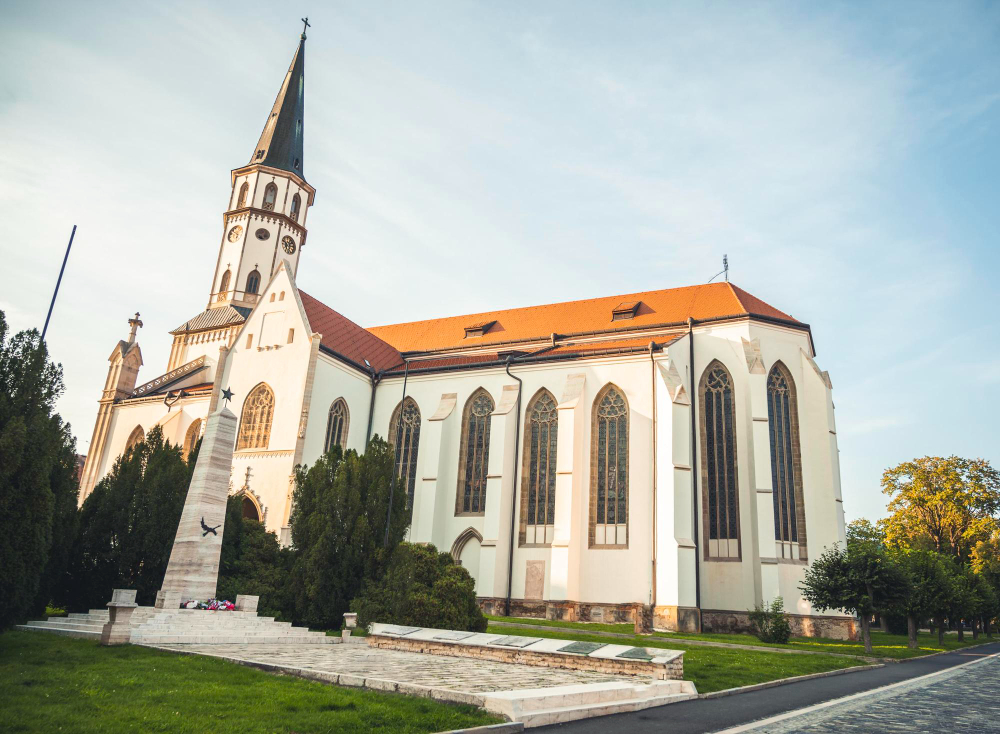
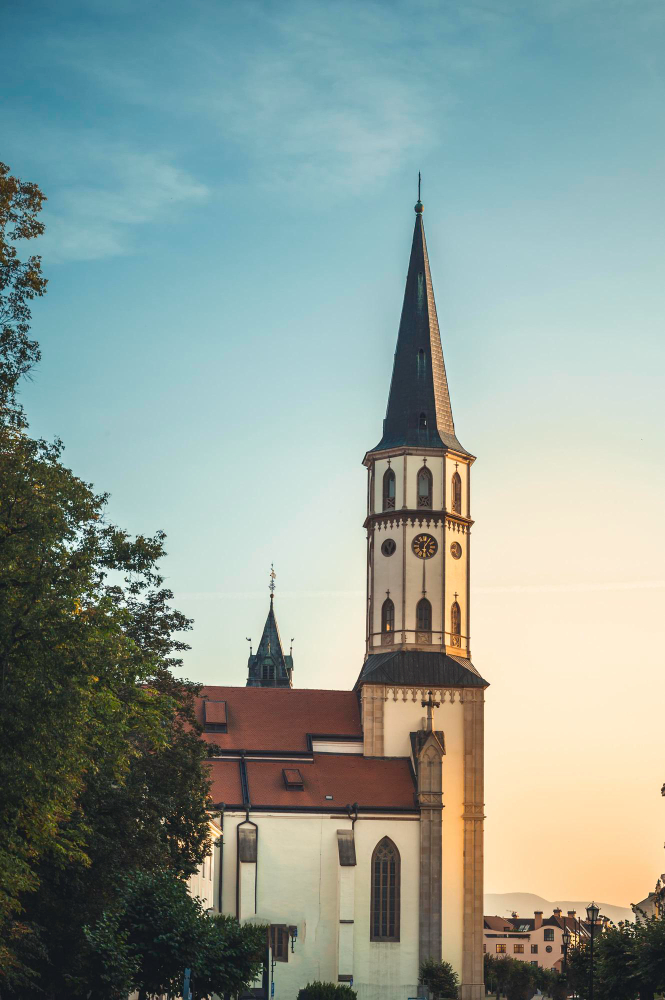
St James’s Church: A Gothic gem – Right on the market square stands one of Levoča’s most significant buildings: St James’s Church (Kostol svätého Jakuba). This Gothic masterpiece is not only the religious heart of the town, but also a place that captivates art and history lovers alike. The church was built in the 14th century and is characterised by its 60-metre-high tower, which dominates the townscape. Yet the real highlight awaits visitors inside: the church’s high altar, created by the famous woodcarver Master Paul of Levoča, rises to a height of almost 19 metres, making it the tallest Gothic wooden altar in the world. The delicate carvings and richly detailed depictions of biblical scenes bear witness to an unrivalled feat of craftsmanship. In addition to the high altar, the church also impresses with several side altars and valuable frescoes.
Master Paul of Levoča: An artist of international renown – The aforementioned Master Paul of Levoča is one of the most famous figures in the town’s history. In the early 16th century, he created some of the most significant works of art of the European Late Gothic period, including the altar in St James’ Church. Although many details of his life remain a mystery, his works have left a lasting mark on art history. His sculptures are characterised by an unmistakable expressiveness and emotional depth that visitors to Levoča should not miss. The Master Paul Museum, housed in the former town hall, is dedicated to his life and work. Here, visitors can gain further insights into the art and culture of that era.
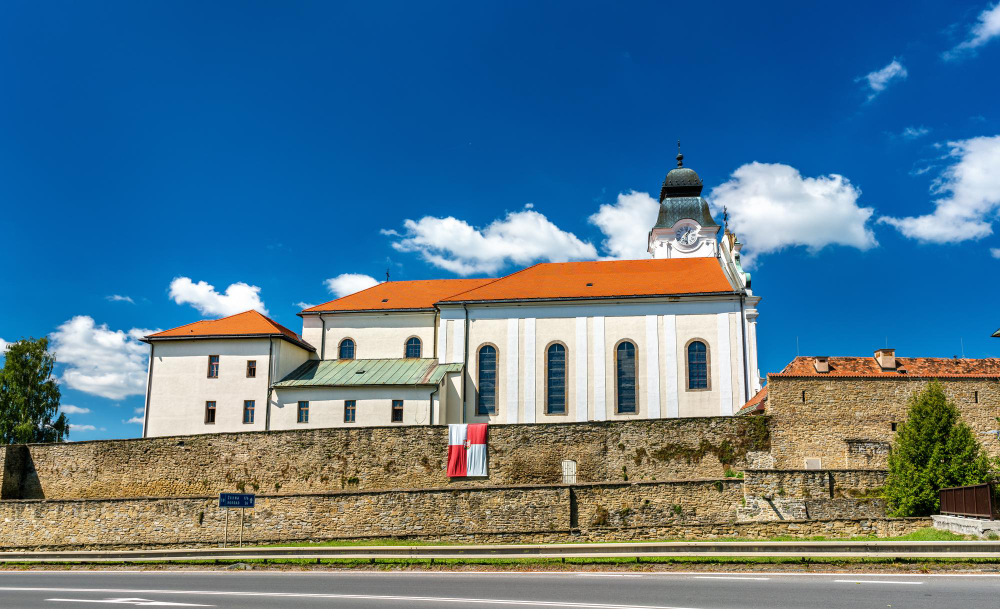
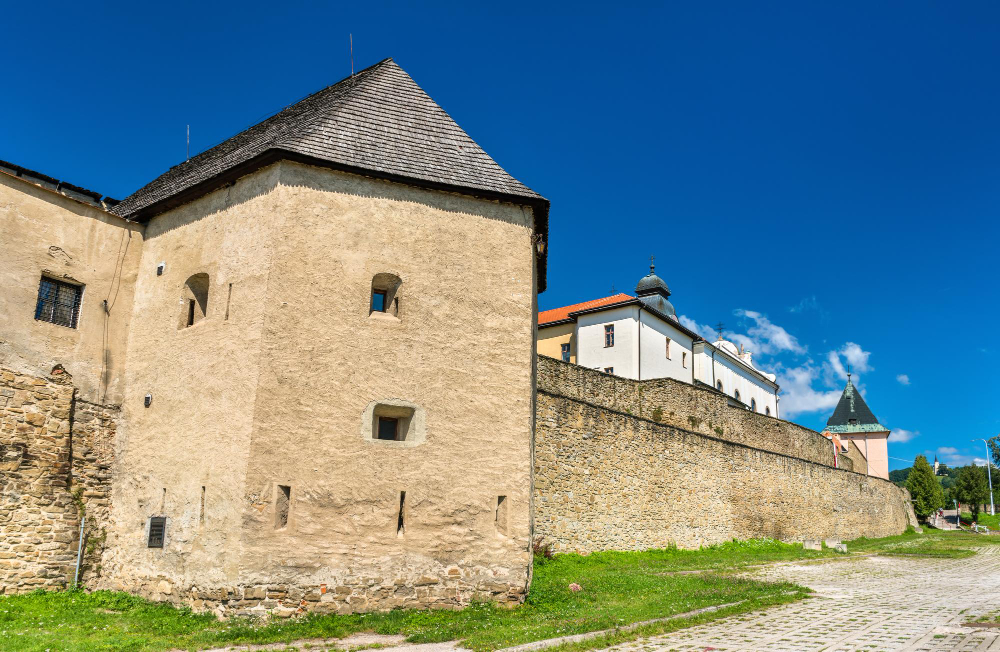
Other attractions worth seeing – As well as the market square and the church, Levoča offers further sights that contribute to the town’s charm. Just outside the historic old town lie the remains of the 14th-century city walls, which once protected the entire town. Parts of the original 15 towers and 6 gates are still preserved today and transport visitors back to the medieval past. The Baroque pilgrimage church of Mariánska hora (Marienberg) exudes a somewhat different charm. Situated on a hill outside the town, it is one of Slovakia’s most important pilgrimage destinations. Particularly impressive is the traditional Marian pilgrimage, which attracts thousands of worshippers from all over the world every year.
Levoča today: a harmonious blend of tradition and modernity – What sets Levoča apart is its successful blend of past and present. The old town not only proudly preserves its history but is also brought to life by cafés, restaurants and small shops selling local produce. Handicrafts, traditional textiles and regional specialities such as Spiš cheese are popular souvenirs. The town also has much to offer culturally: regular events such as the ‘Dni majstra Pavla’ (Days of Master Paul) festival attract numerous visitors. These events celebrate the region’s art and cultural heritage and bring history to life for locals and tourists alike.
Day-trip options around Levoča – Levoča’s location in the geographically and scenically stunning Spiš region also makes the town an ideal starting point for day trips. There are numerous exciting destinations in the surrounding area, including the majestic Tatra Mountains, the Pieniny and Slovak Paradise National Parks, and the impressive Spiš Castle (Spišský hrad), one of the largest castle complexes in Central Europe and also a UNESCO World Heritage Site. For nature lovers, the ‘Slovak Paradise’ National Park offers numerous walking trails through gorges, past waterfalls and through unspoilt forests. Adventurers can try their hand at climbing or explore the impressive Dobšinská Ice Caves, which are regarded as a natural wonder of the region.
A town for explorers – Levoča is more than just a historic town – it is a living testament to times gone by, set amidst breathtaking scenery, and a paradise for lovers of culture and nature alike. Whether you’re strolling through the cobbled alleyways, admiring the masterpieces of Master Paul, or enjoying the breathtaking views from Mariánska hora – Levoča offers a wealth of experiences that will remain unforgettable. Anyone embarking on this journey of discovery will be impressed not only by the town’s beauty and history, but also by the warmth of its inhabitants, who are proud to be part of this special place. Levoča is waiting to be explored by you – an authentic piece of European cultural heritage, just waiting to reveal its secrets.