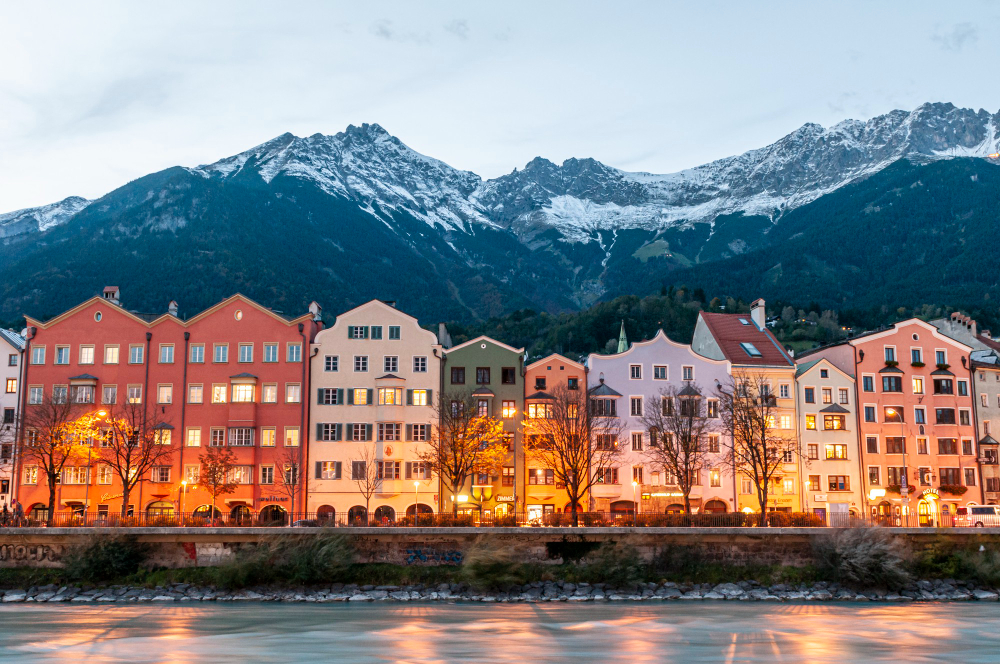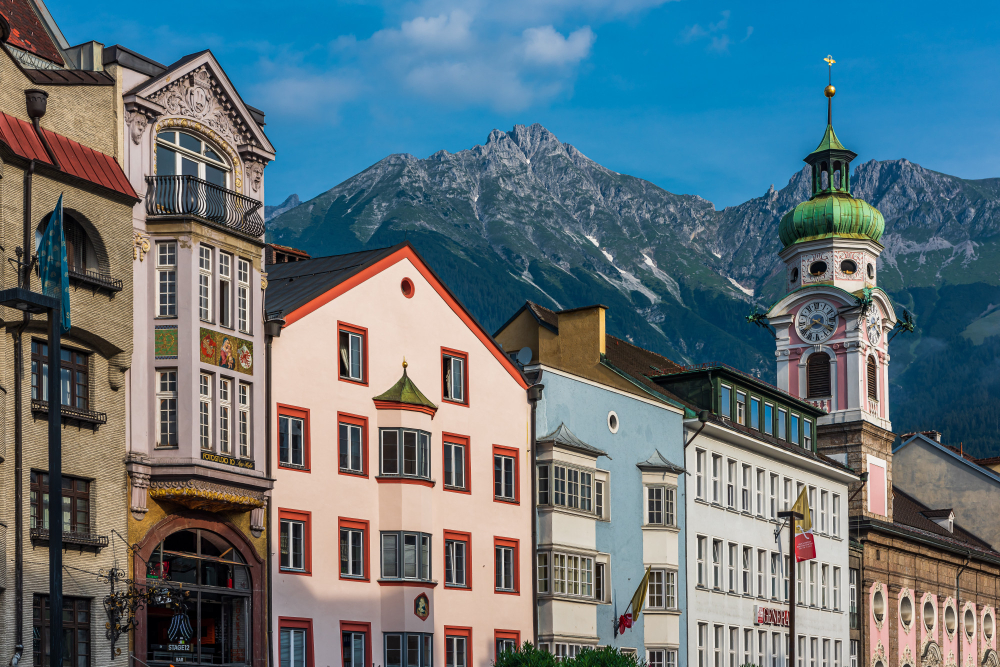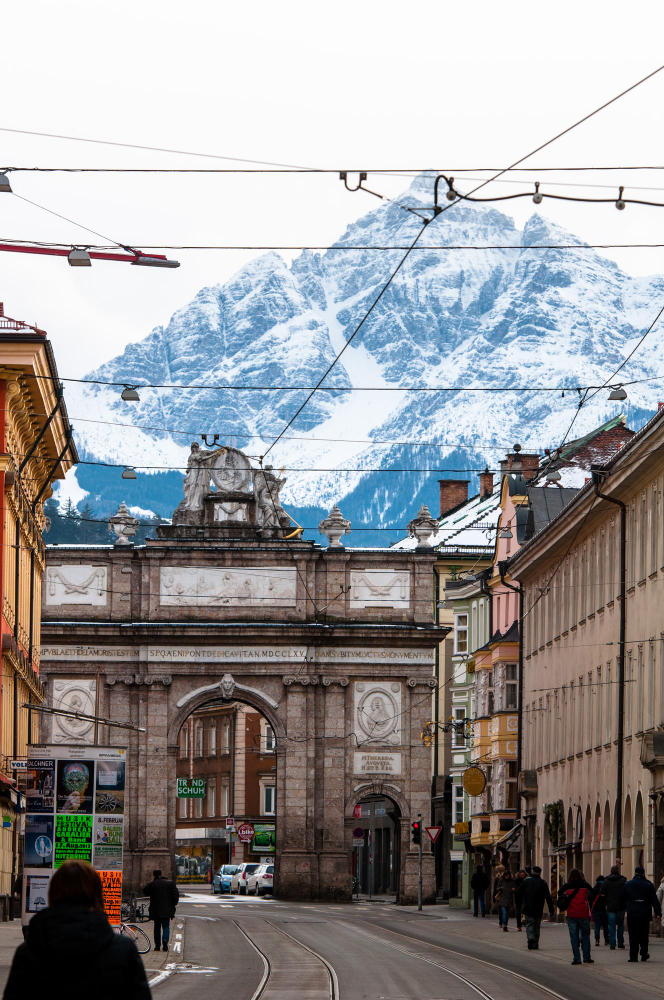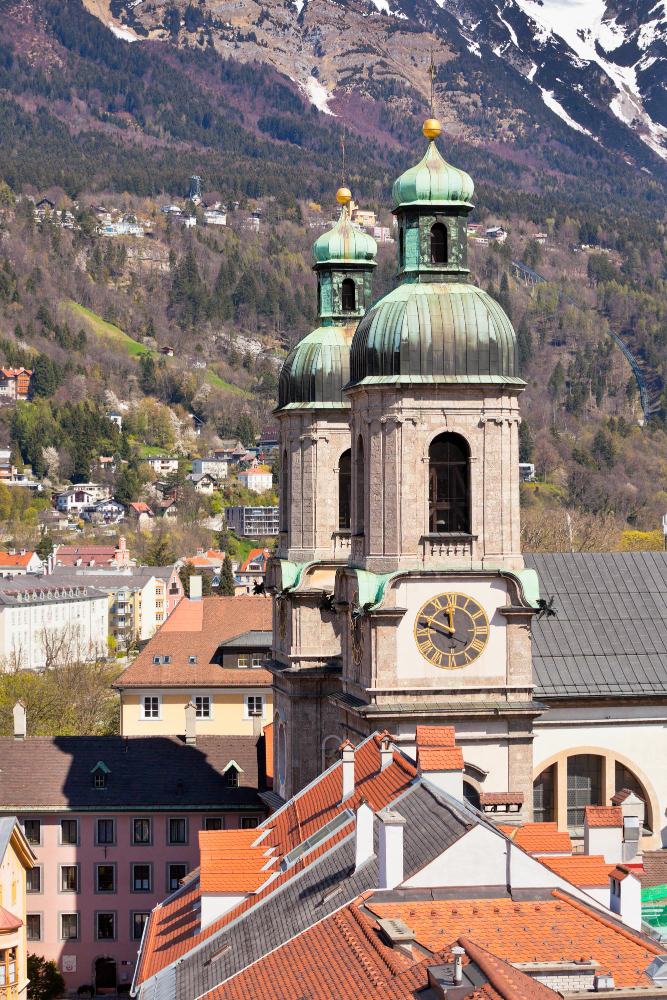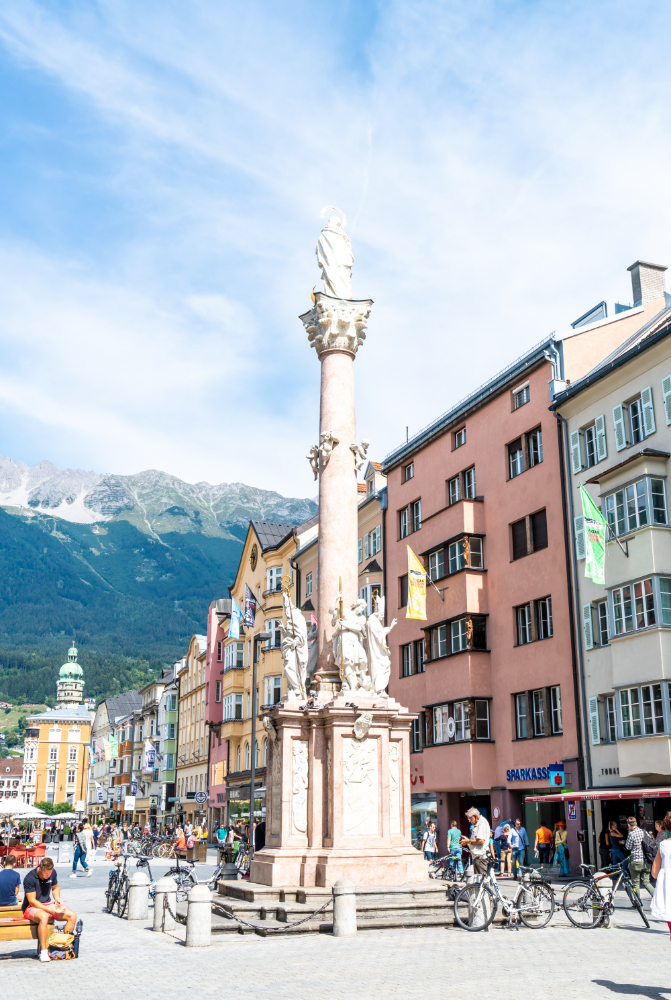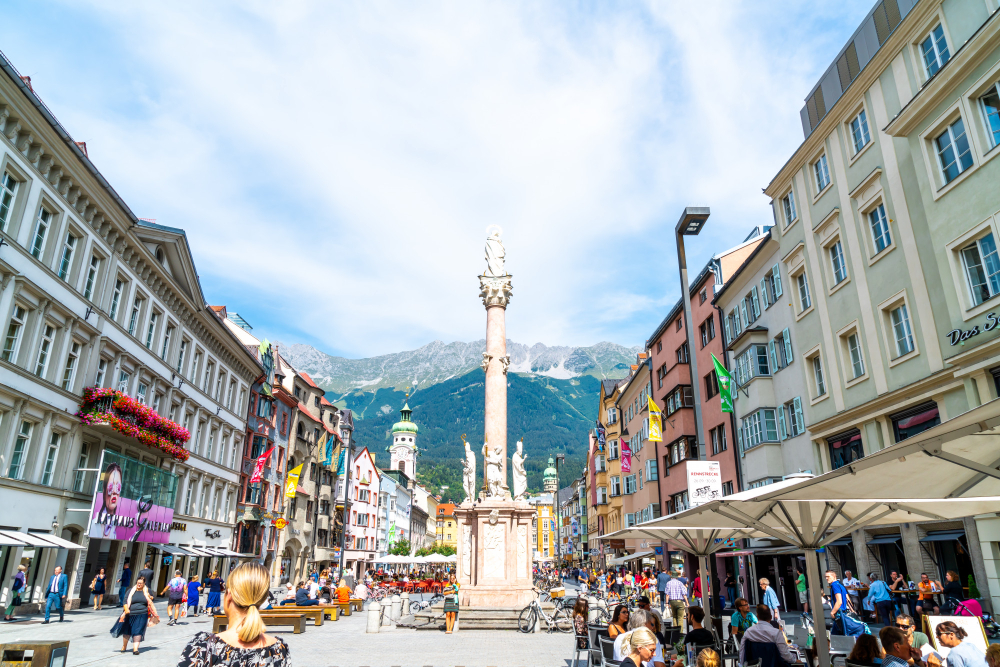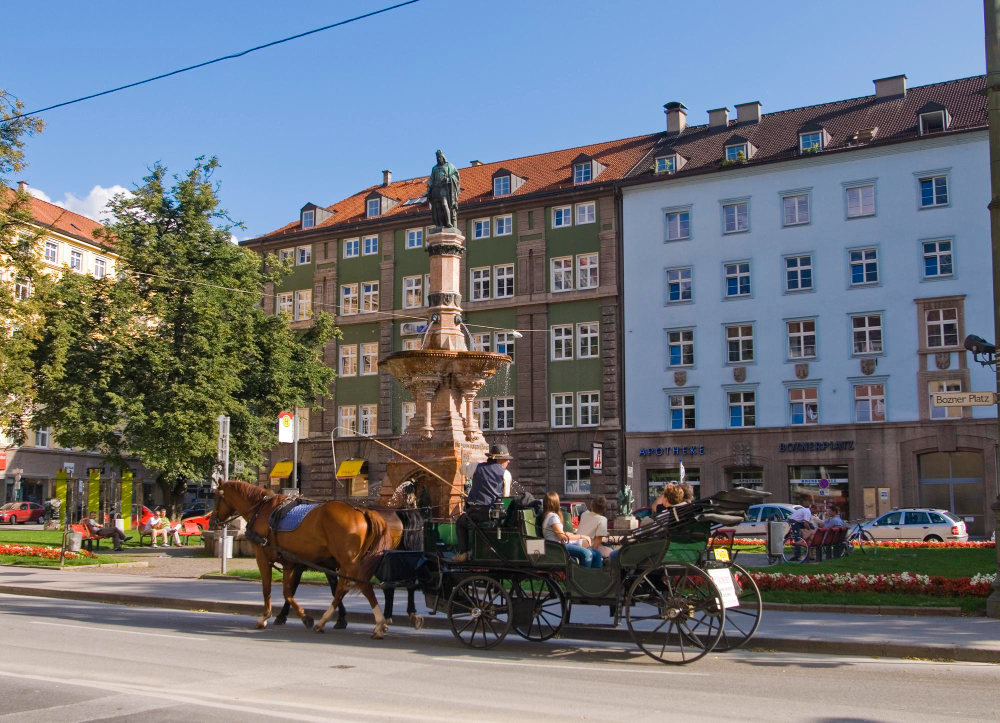
Nestled amongst the majestic mountains of Tyrol lies Innsbruck, a city that captivates visitors not only with its breathtaking setting but also with its rich history and vibrant culture. As the capital of the federal state of Tyrol, Innsbruck combines Alpine tradition with urban flair, making it a popular destination for visitors from all over the world. Anyone visiting Innsbruck embarks on a fascinating journey through time, nature and culture – a city that is just waiting to be discovered and experienced.
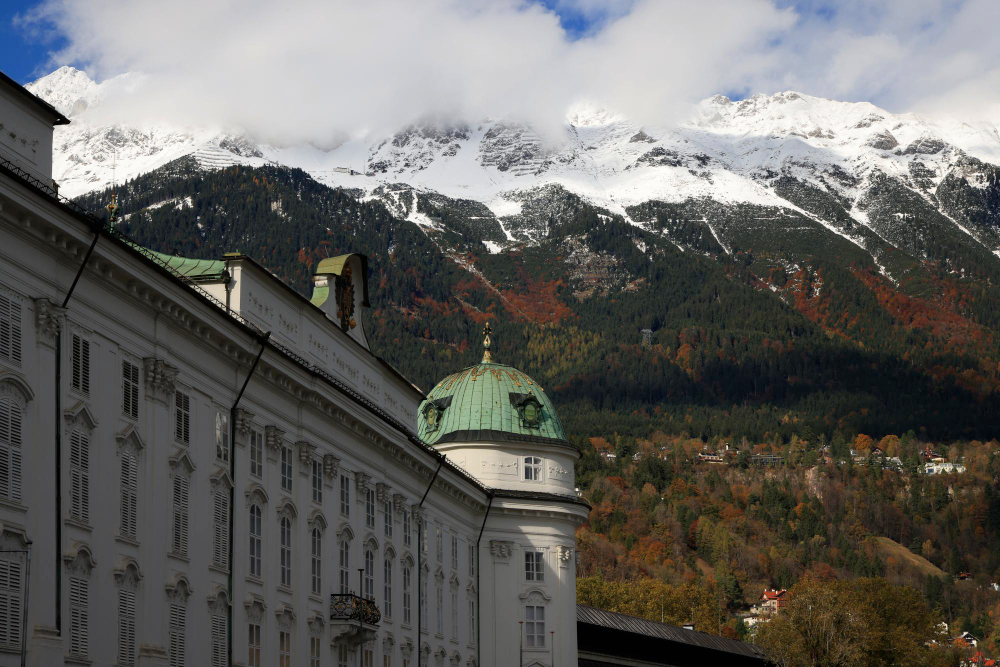
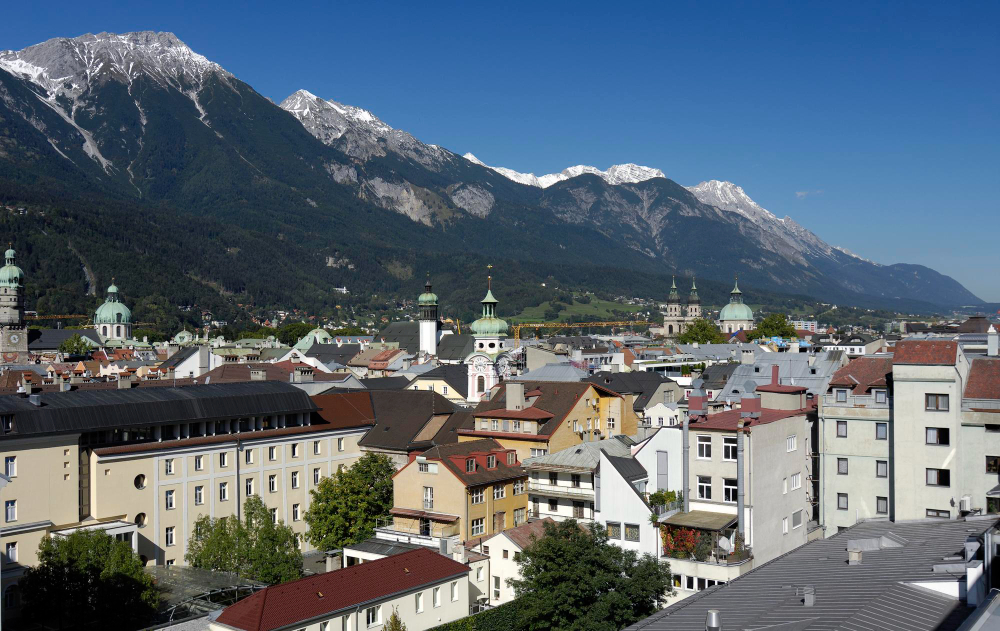
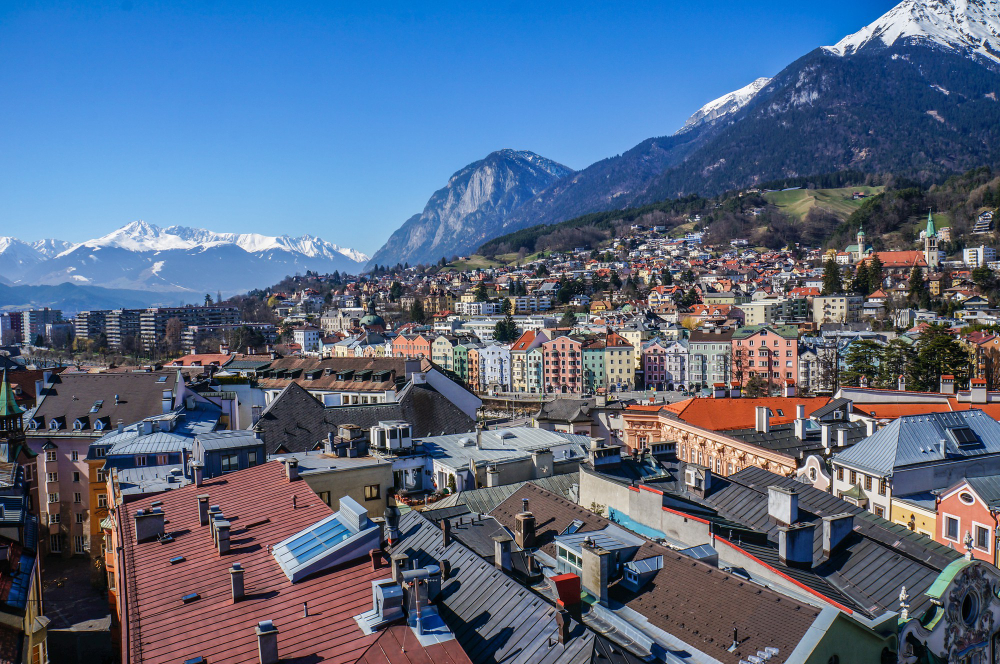
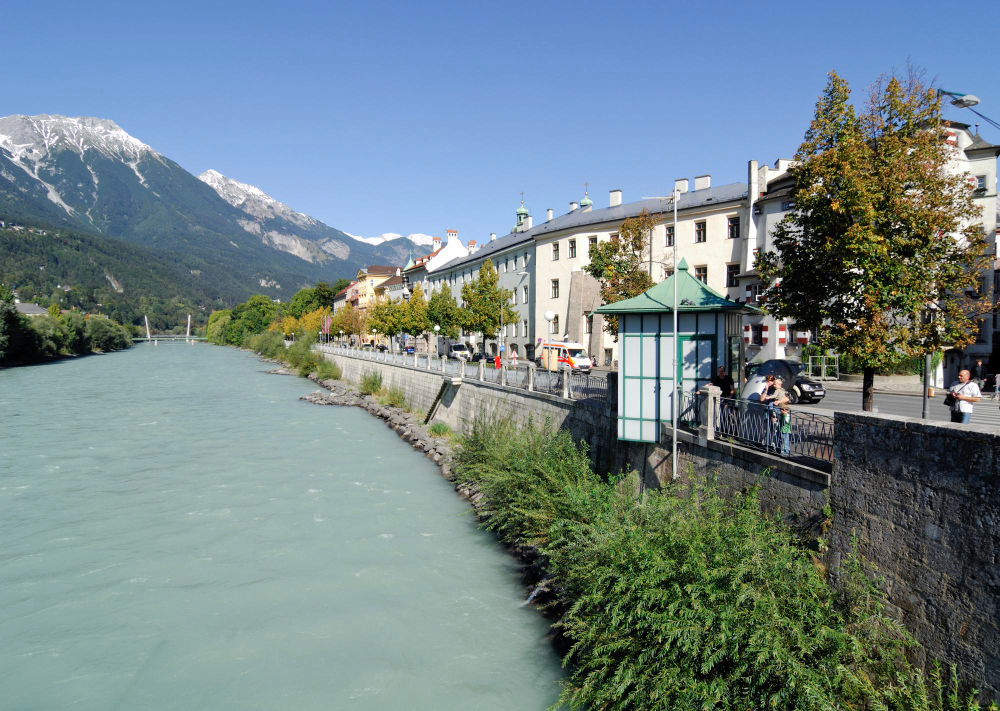
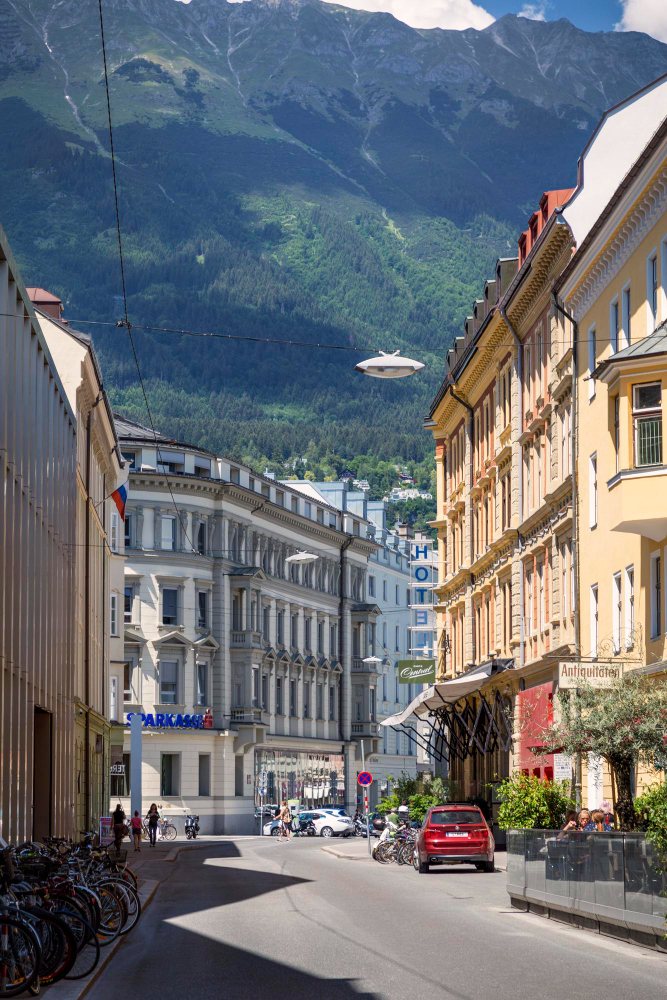
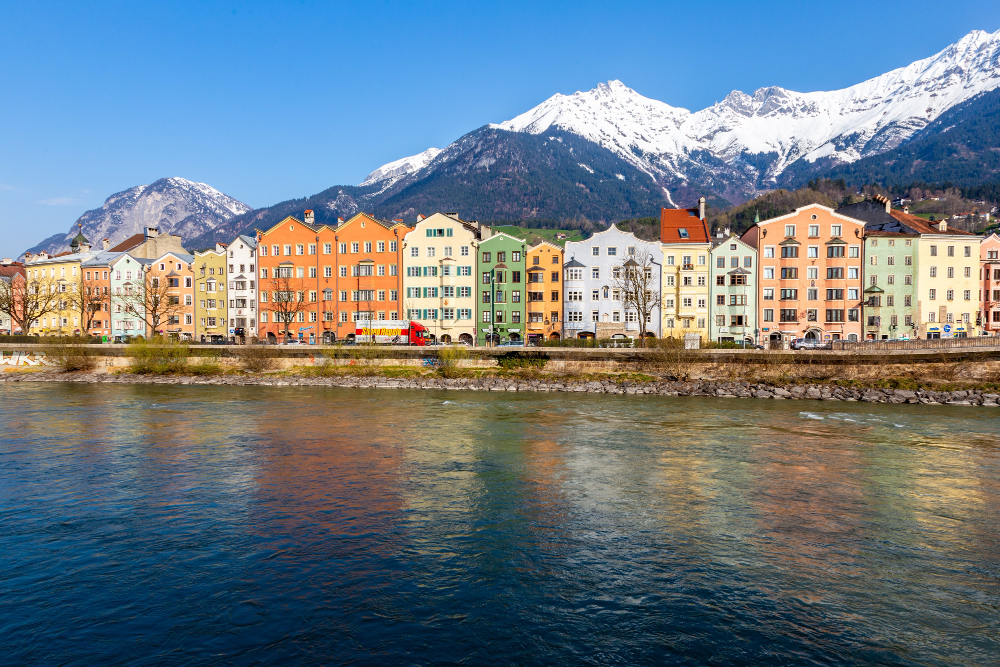
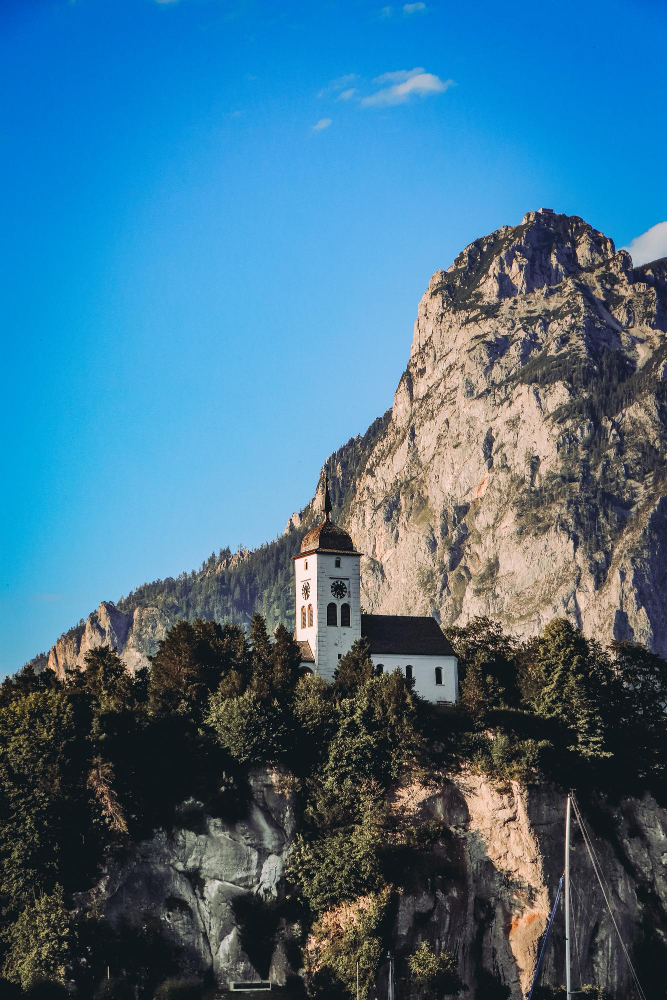
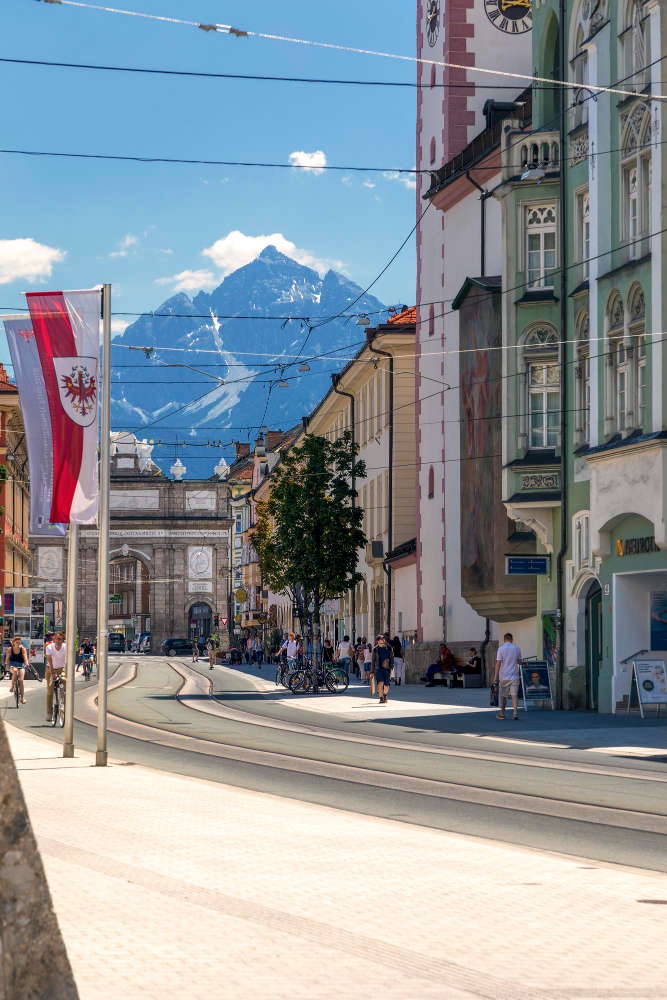
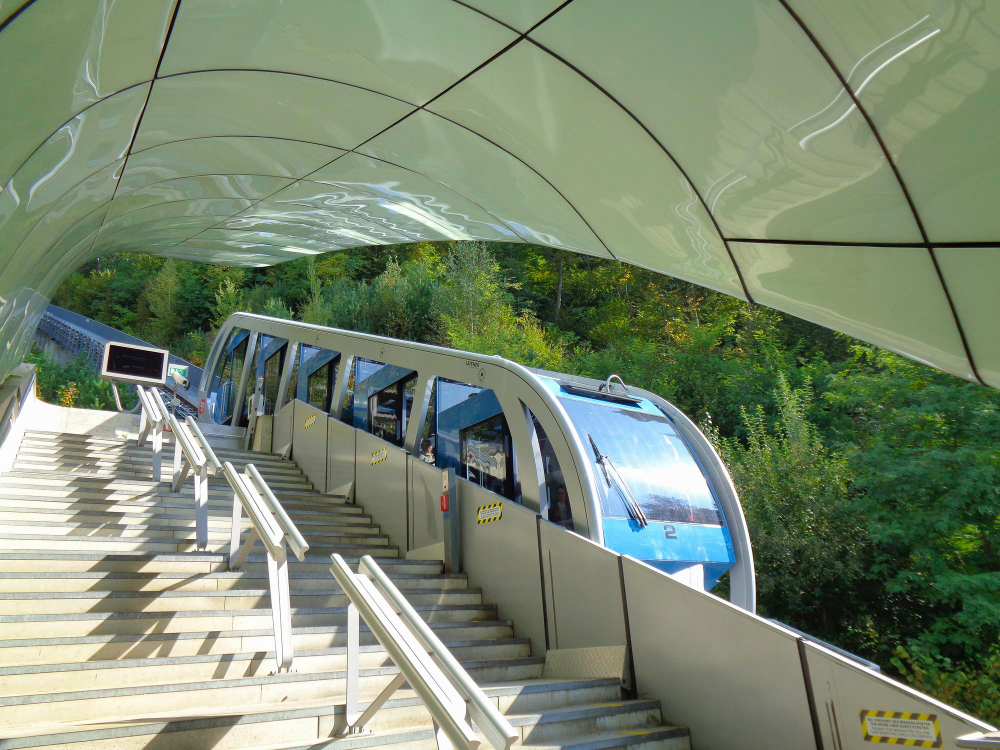
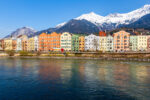
Geographical Location and Natural Beauty – Innsbruck stretches along the Inn Valley, surrounded by the high mountains of the Nordkette, Patscherkofel and Nockspitze, which rise to heights of up to 2,600 metres. This imposing backdrop makes the city a paradise for nature lovers and outdoor enthusiasts. In winter, the slopes – with their guaranteed snow – attract skiers and snowboarders from all over the world, whilst in summer the area draws in hikers, mountain bikers and climbers. The Nordkette, which borders the city’s outskirts, can even be reached easily from the city centre via the Nordkettenbahn cable car, providing quick access to the alpine world. The Inn, a mighty river, flows through Innsbruck, not only giving the city its name but also shaping the cityscape with its banks and bridges. Along the river, visitors will find idyllic walking trails that invite them to enjoy relaxing breaks amidst nature.
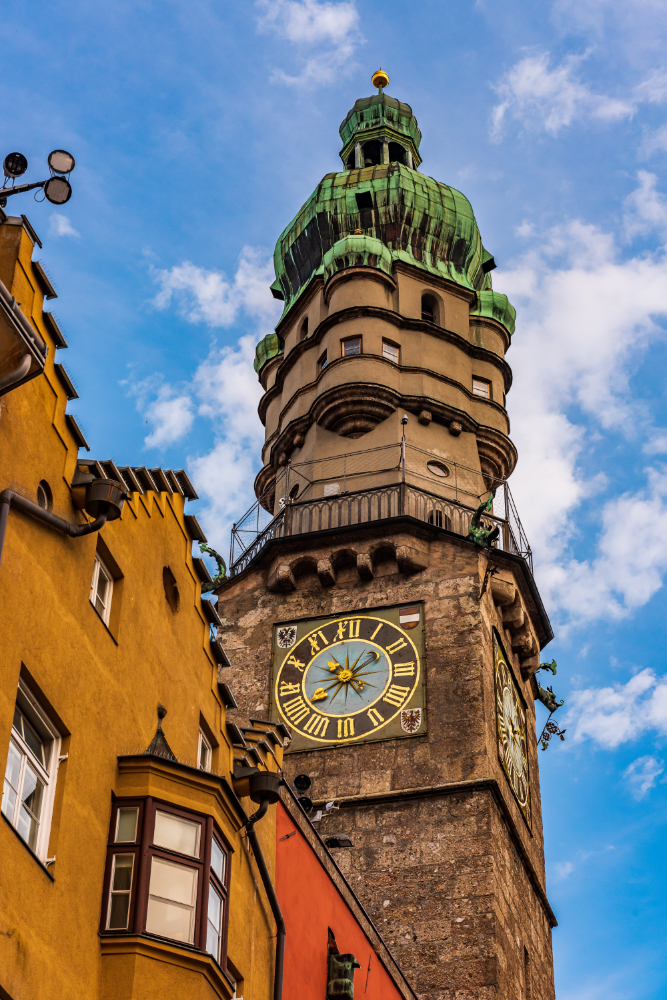
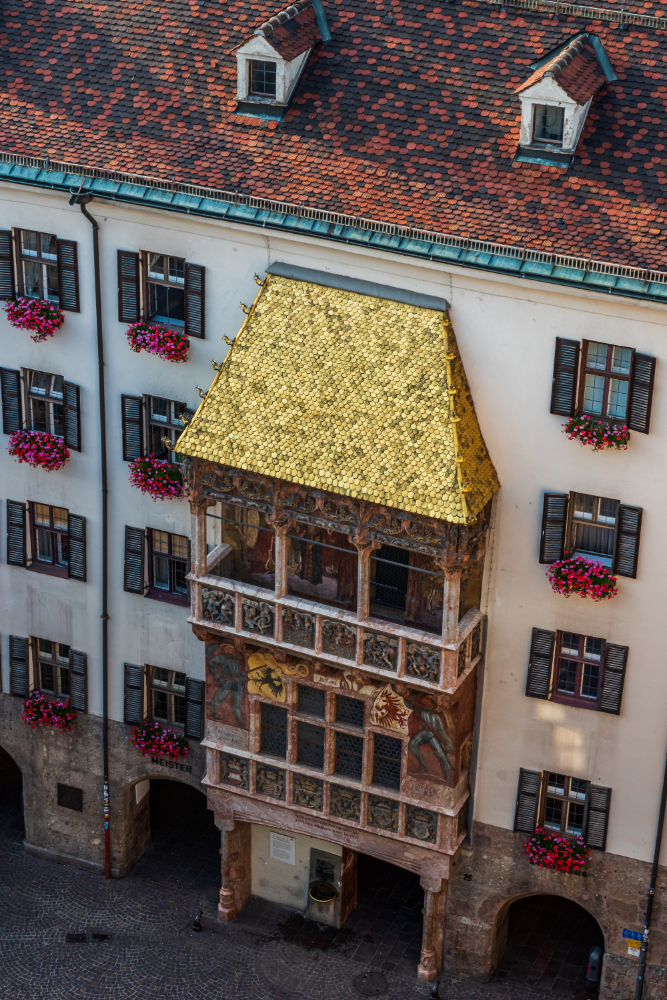
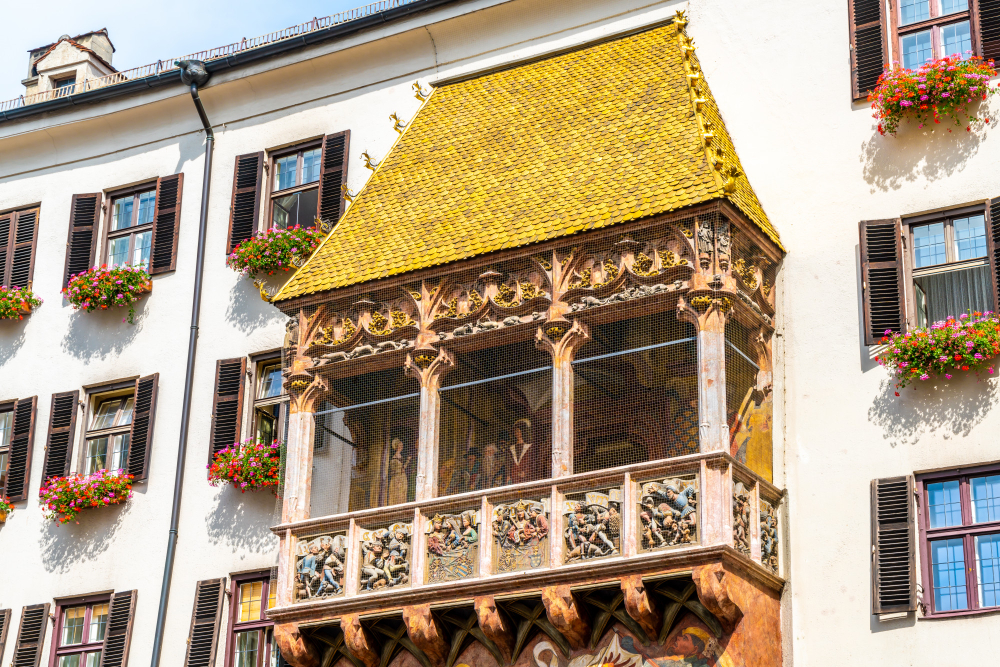
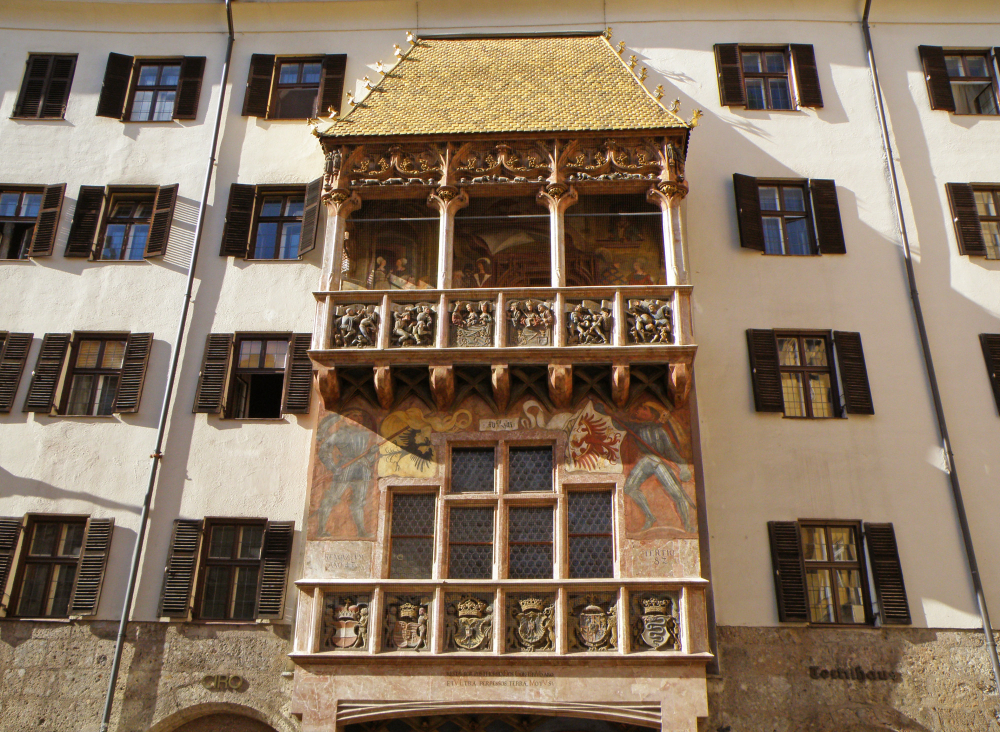
History – From a medieval trading centre to a modern metropolis – Innsbruck’s history stretches far back and is closely linked to its favourable location as a transport hub in the Alpine region. The name ‘Innsbruck’ derives from the medieval term ‘bridge over the Inn’. As early as the Middle Ages, the city developed into an important trading centre on the routes between Italy and Central Europe. In the 15th century, under Archduke Frederick IV, known as ‘the Wise’, Innsbruck experienced its first golden age, characterised by the expansion of infrastructure and the construction of significant buildings. The Habsburg era was particularly influential, as the Habsburgs made Innsbruck one of their most important royal residences. Emperor Maximilian I left his mark with numerous architectural masterpieces, including the famous Golden Roof – the city’s landmark. This late-Medieval building, with its gilded roof tiles, now stands in the heart of the Old Town and attracts many visitors every year. Over the centuries, Innsbruck has undergone constant change: from a royal residence to a modern university city and tourist destination. The city is a living example of how historical heritage and contemporary developments can blend harmoniously.
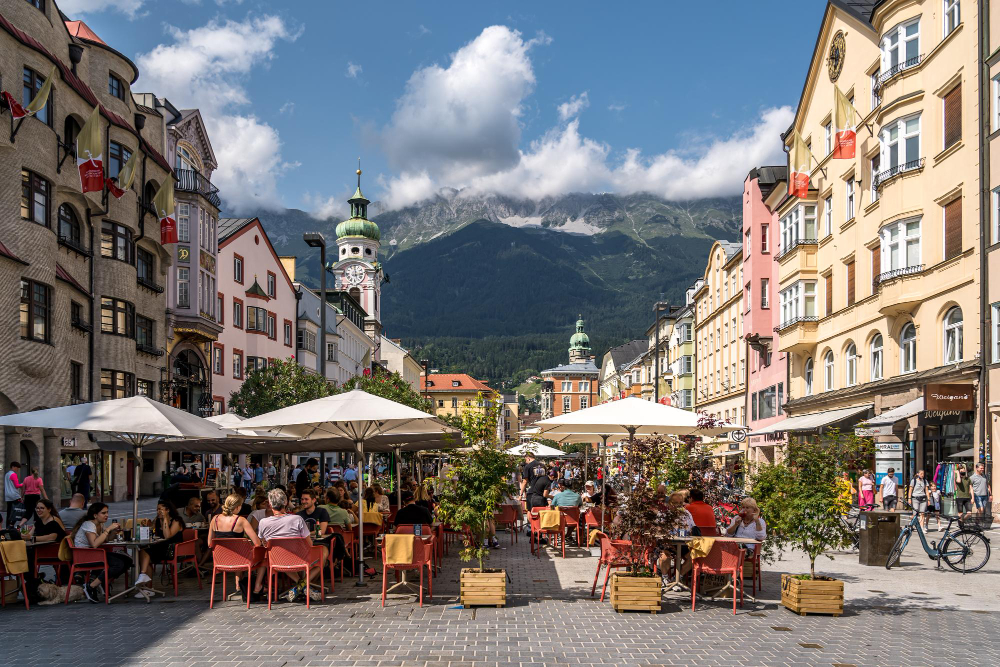
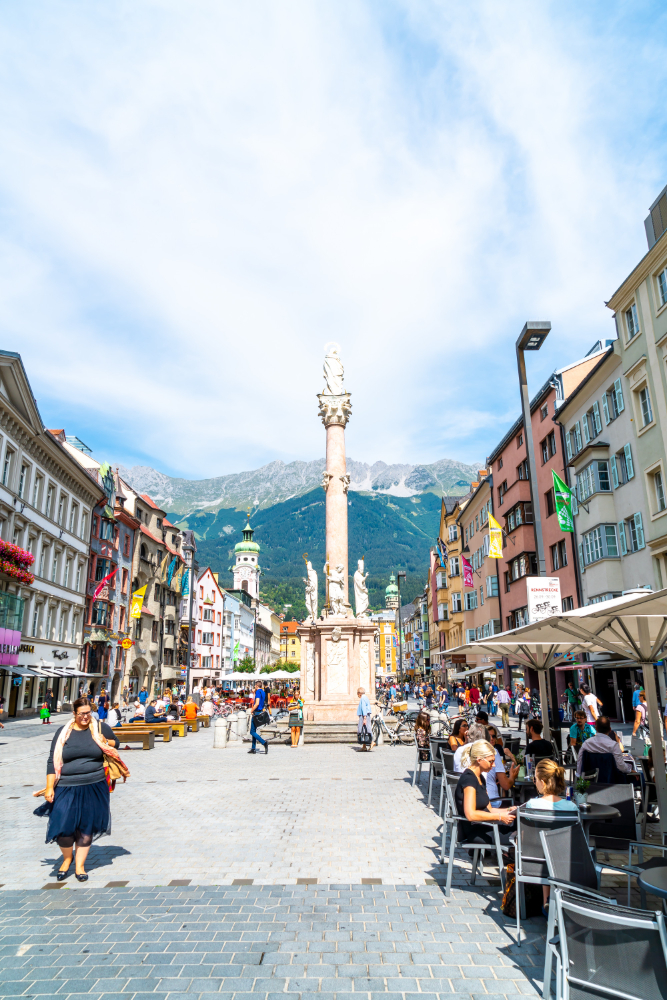
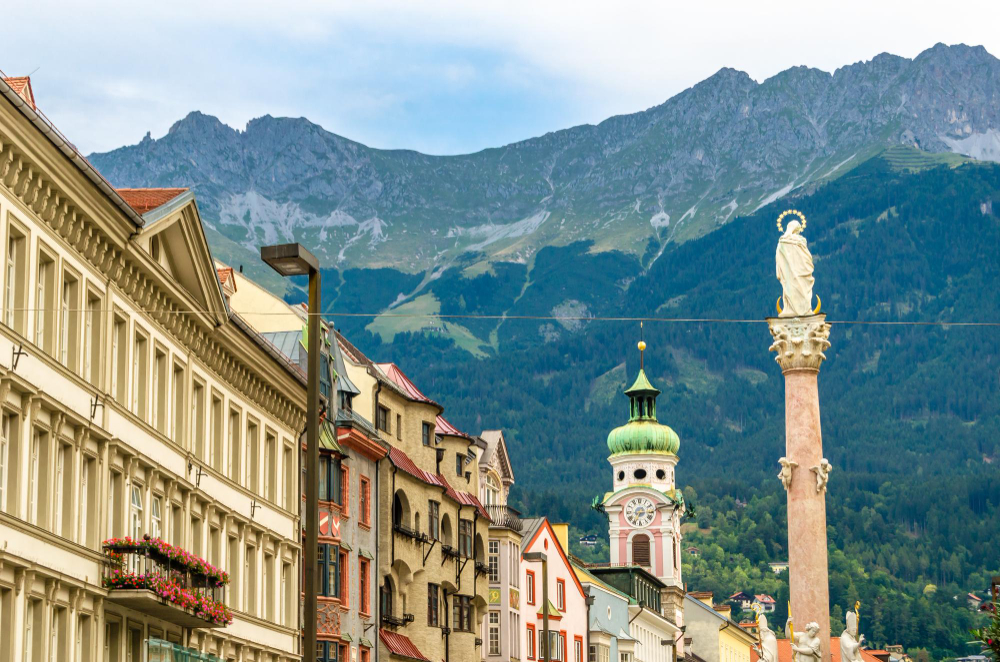
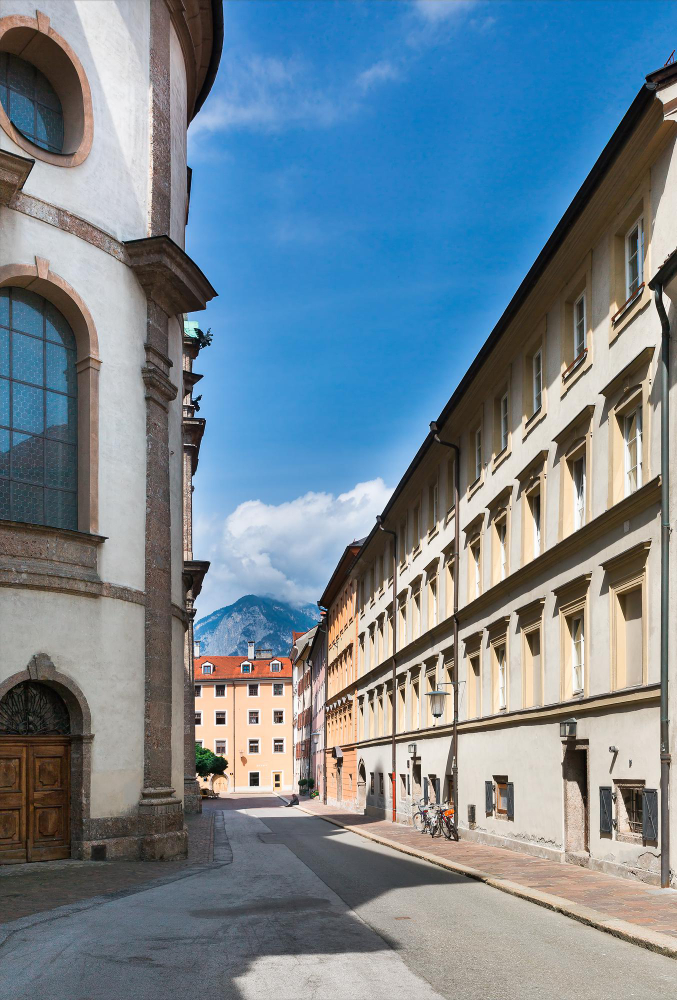
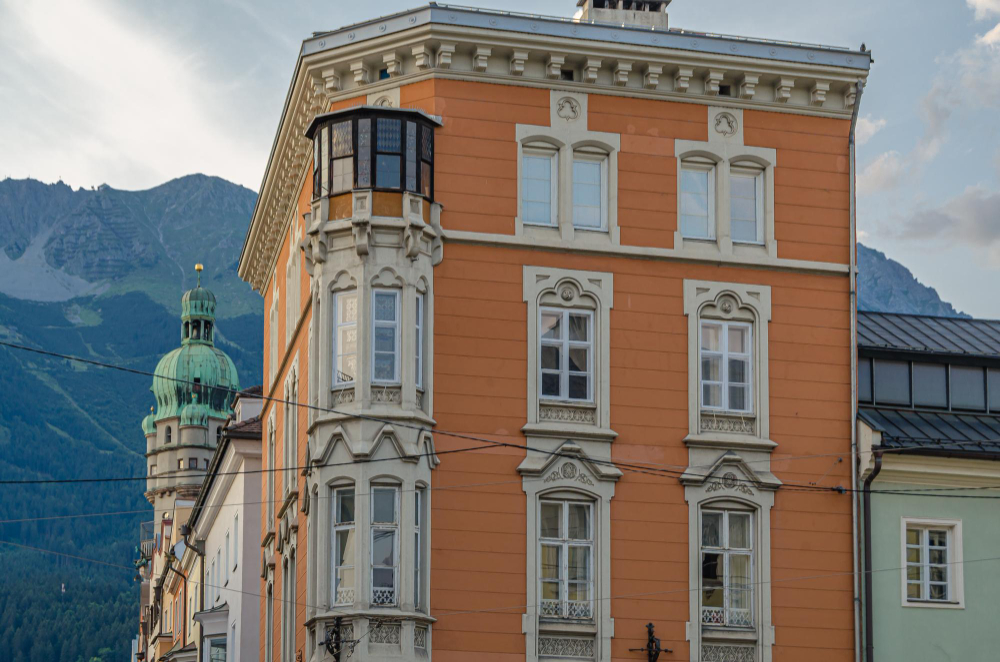
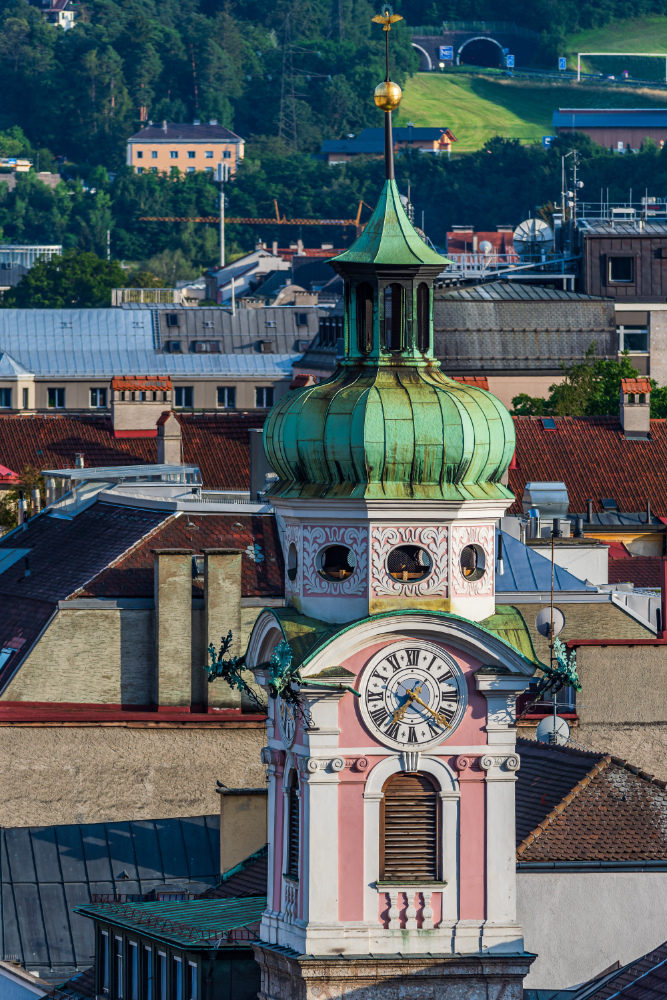
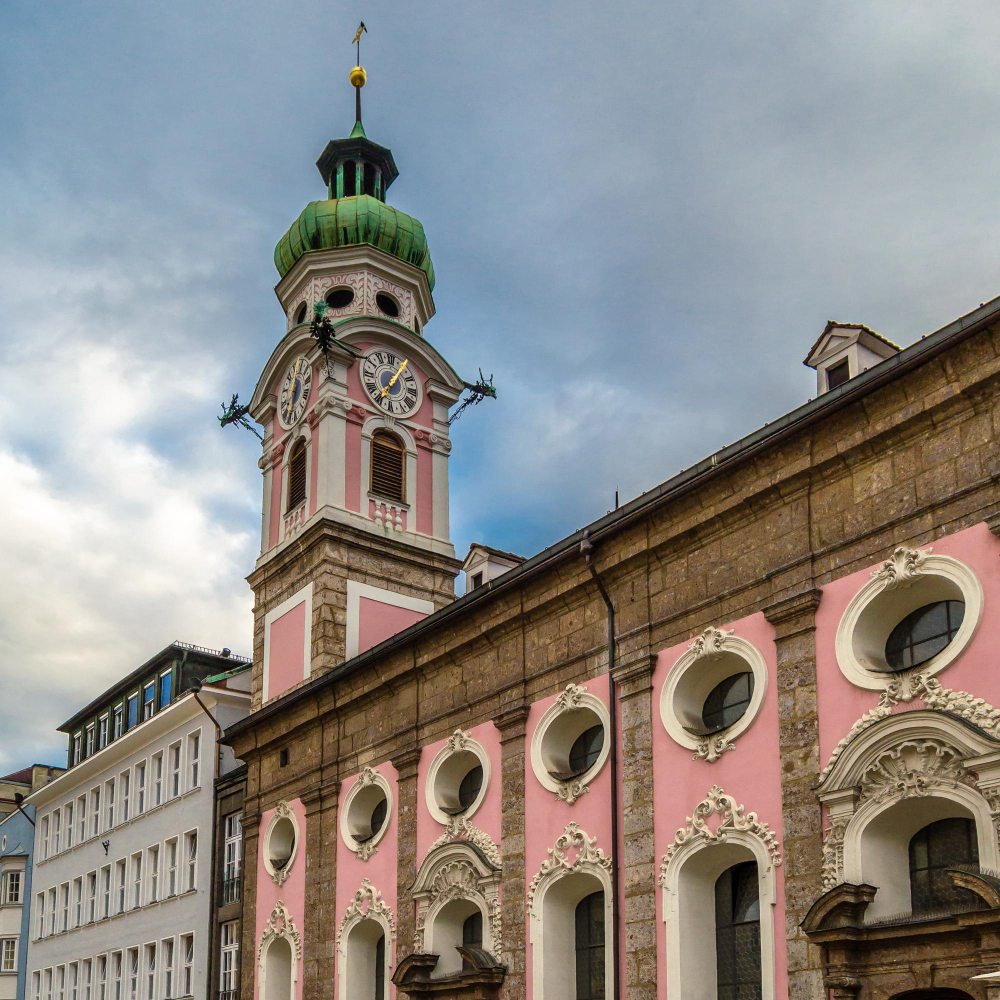
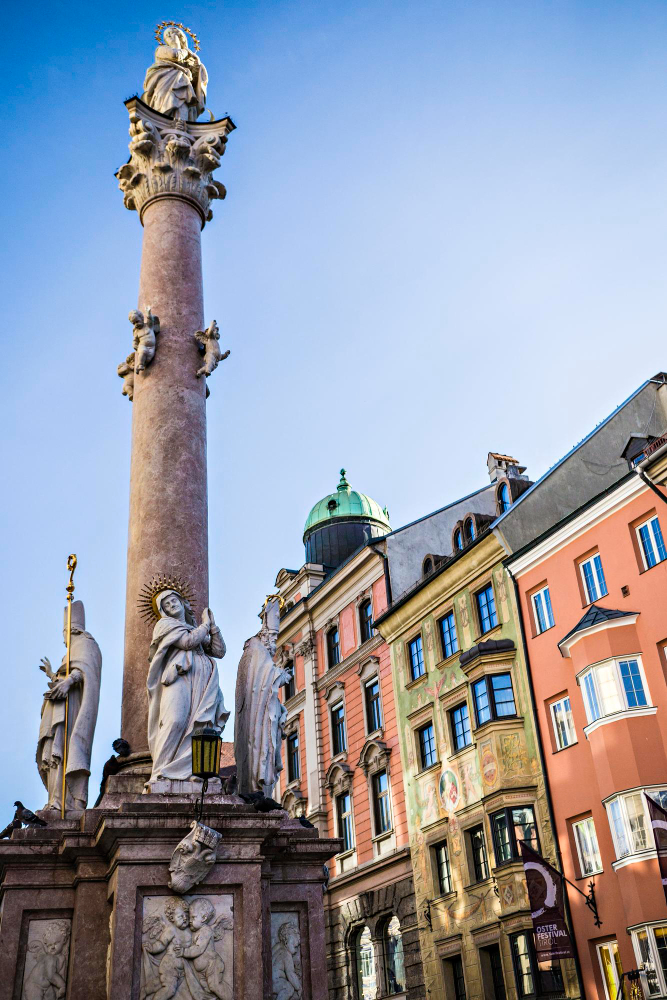
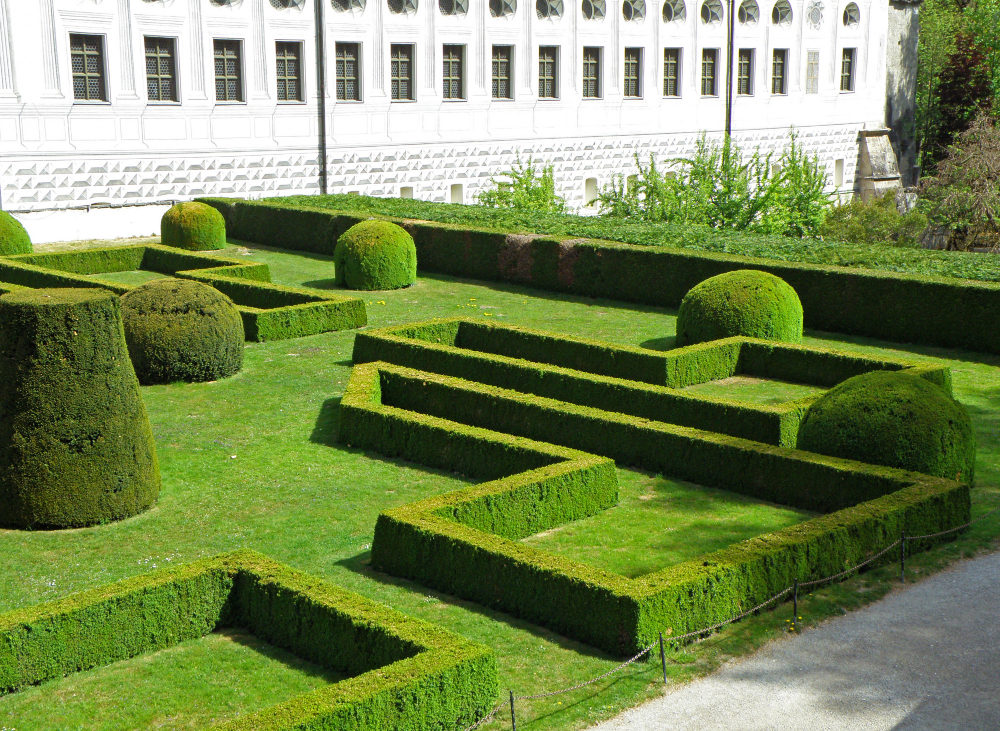
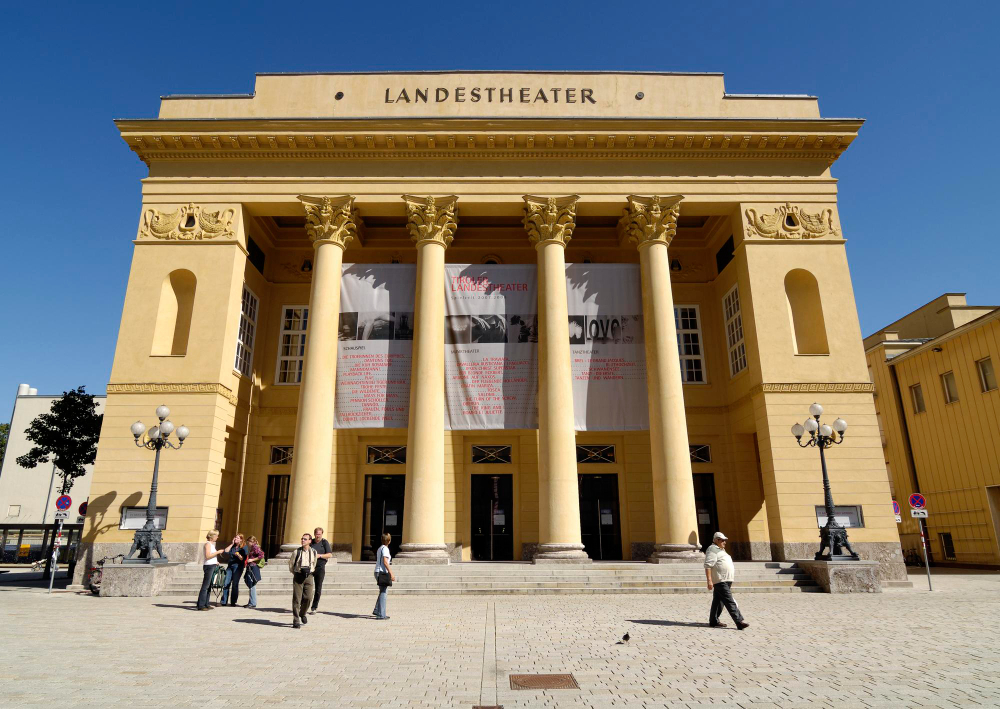
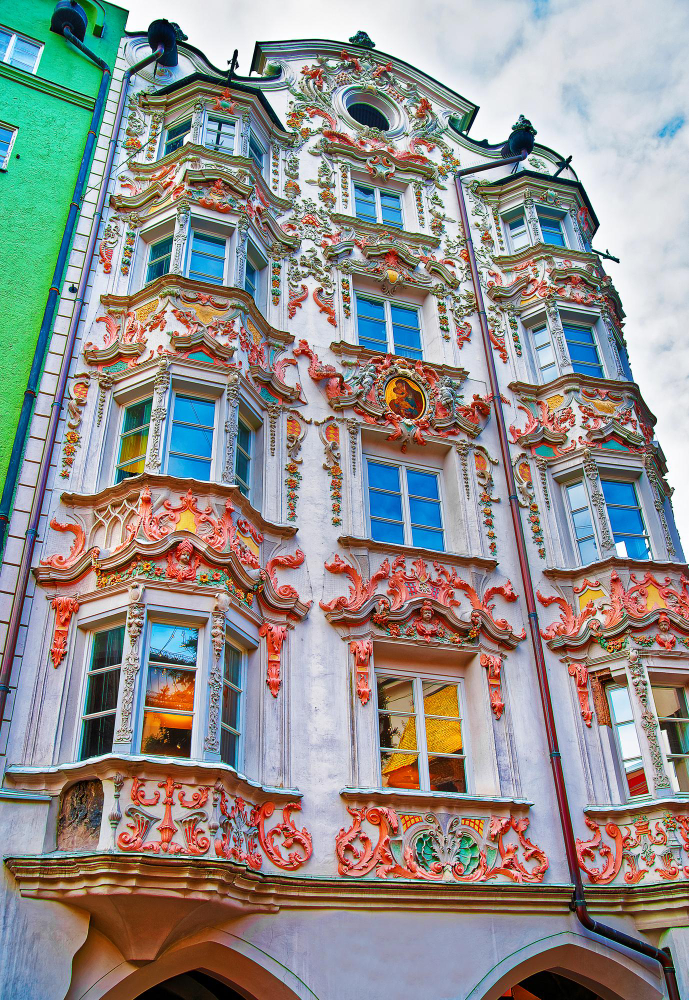
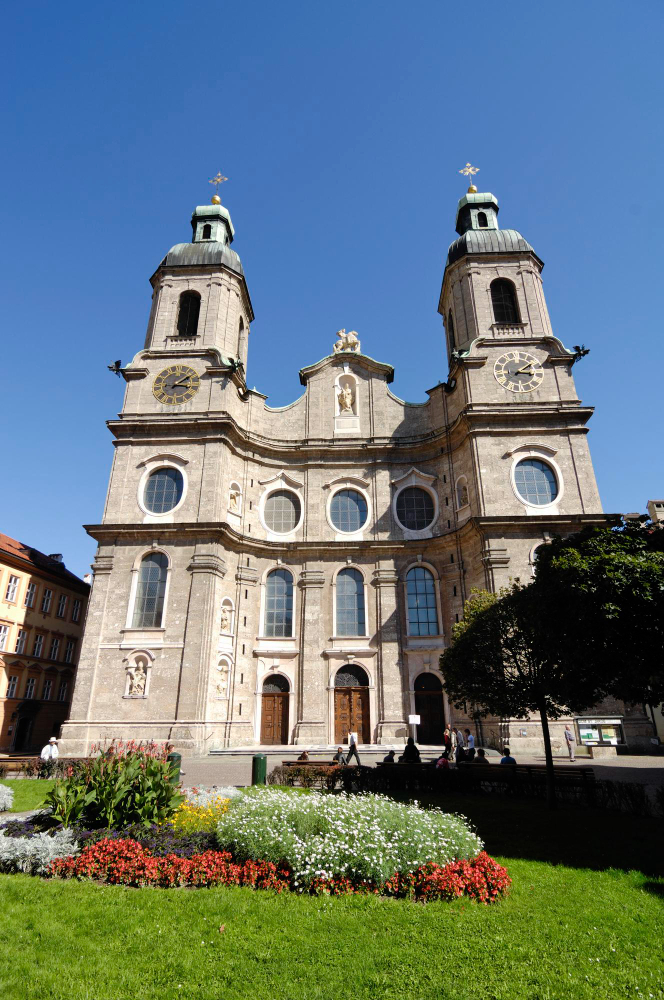
Sights and cultural highlights – Innsbruck’s Old Town is a real gem, characterised by well-preserved buildings from the Gothic, Renaissance and Baroque periods. A stroll through the winding alleyways takes you past charming cafés, elegant boutiques and historic buildings. Alongside the Golden Roof, the Hofburg and the Hofkirche are particularly significant sights. The latter houses the tomb of Maximilian I and features the impressive ‘Schwarze Mander’ – a group of around 28 life-sized bronze figures in armour. Culturally, Innsbruck has much to offer: the Tyrolean State Museum, the Ferdinandeum, boasts extensive collections on the art and cultural history of Tyrol. The Tyrolean Folk Theatre and the Innsbruck State Theatre complement the cultural scene with theatre performances and concerts. Numerous festivals also take place each year, such as the Innsbruck Music Festival or the Festival of Nations, which attract visitors from near and far.
A winter sports city with an international reputation – Innsbruck is known worldwide as a host city for the Winter Olympics – the Games were held here twice, in 1964 and 1976, cementing the city’s status as a winter sports metropolis. The city’s Olympic past lives on: sports enthusiasts can visit the Olympic Ski Jumping Stadium on the Bergisel, which is not only significant in terms of sporting history but also architecturally impressive. From there, you can enjoy a magnificent view over the city and the surrounding mountains. As well as ski jumping, Innsbruck is the starting point for numerous winter sports activities: downhill skiing, cross-country skiing, tobogganing and ice climbing are just a few examples. Its proximity to world-famous ski resorts such as the Stubai Glacier and Axamer Lizum also makes the city the ideal base camp for winter sports enthusiasts.
Education and Science – University and Research Hub – Innsbruck is not only a tourist centre but also a major centre of learning. The Leopold Franzens University of Innsbruck, founded in 1669, is one of the oldest universities in Europe and, with its approximately 30,000 students, plays a key role in shaping the cityscape. Particularly renowned departments include medicine, the humanities and the natural sciences. In addition, several research institutions are based in Innsbruck, promoting innovation and development. This makes the city attractive to early-career academics and international researchers.
Culinary discoveries and traditional hospitality – A visit to Innsbruck would not be complete without sampling the regional cuisine. Tyrolean specialities such as speck, knödel, schlutzkrapfen (stuffed dumplings) and Kaiserschmarrn feature on many menus and reflect the mountain farming culture. Numerous guesthouses and rustic inns preserve the tradition of Tyrolean hospitality. At the same time, the city also offers international cuisine and modern dining, which enrich the culinary scene. Weekly markets such as the Innsbruck Market Hall offer fresh, regional produce and invite you to sample the fare.
Leisure and urban quality of life – The combination of alpine ambience and city life makes Innsbruck a place with a high quality of life. Alongside traditional festivals and cultural events, the city is increasingly developing into an urban hotspot with design shops, cosy cafés and a vibrant nightlife. For families, there are numerous parks and leisure facilities, whilst active holidaymakers will find a wide range of activities in the surrounding mountains. The city’s marketing department also promotes sustainable mobility and focuses on environmentally friendly solutions to protect the Alpine ecosystem.
Innsbruck – a multifaceted destination – Whether you’re a hiker, a culture vulture, a winter sports enthusiast or simply looking to relax – Innsbruck offers a diverse range of experiences. The unique blend of Alpine charm, history and modernity makes the city a fascinating destination well worth discovering. Visitors can not only enjoy the scenic beauty and sporting opportunities, but also immerse themselves in the city’s rich history and experience its vibrant cultural life. Anyone visiting Innsbruck will quickly realise that this is where tradition meets innovation, nature meets culture and the city meets the mountains – a combination that leaves a lasting impression and continually reveals new facets.