The Italian city of Rimini, a vibrant metropolis on the Adriatic coast, has been attracting travellers from all over the world for centuries. With its rich historical past, a lively cultural scene and one of the longest sandy beaches in Europe, Rimini draws numerous visitors year after year. But what makes this city so special? In this article, we explore the fascinating facets of Rimini – from its historical significance and cultural treasures to its modern development as a tourist hotspot.
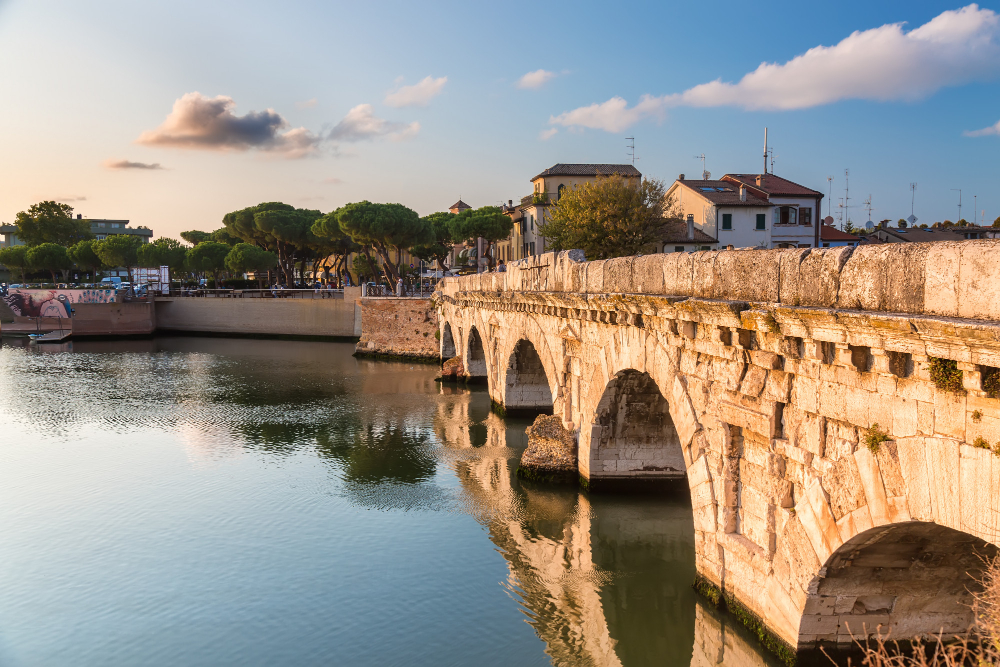
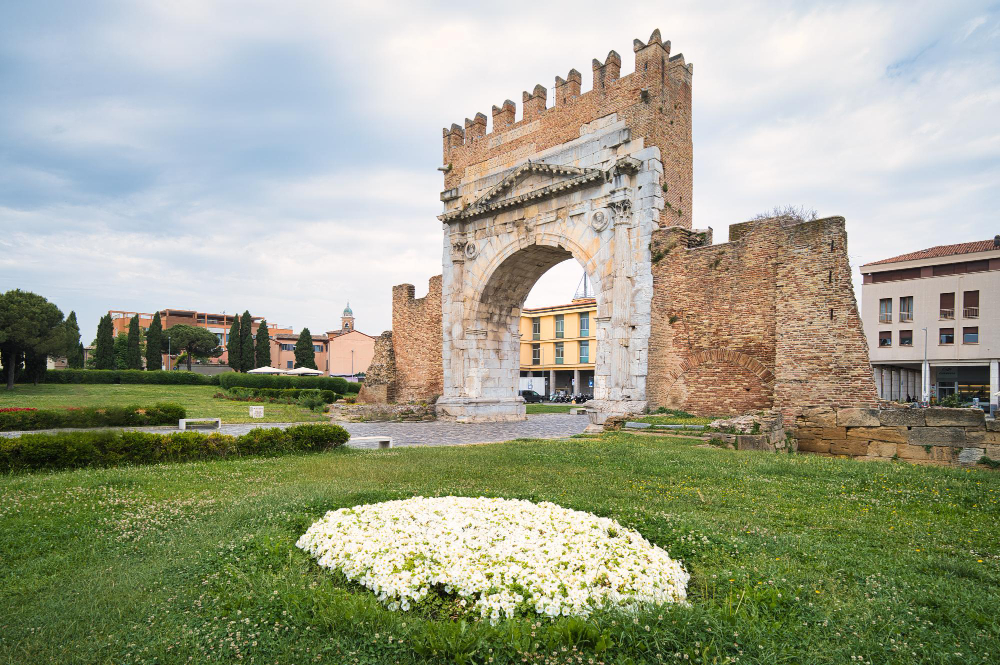
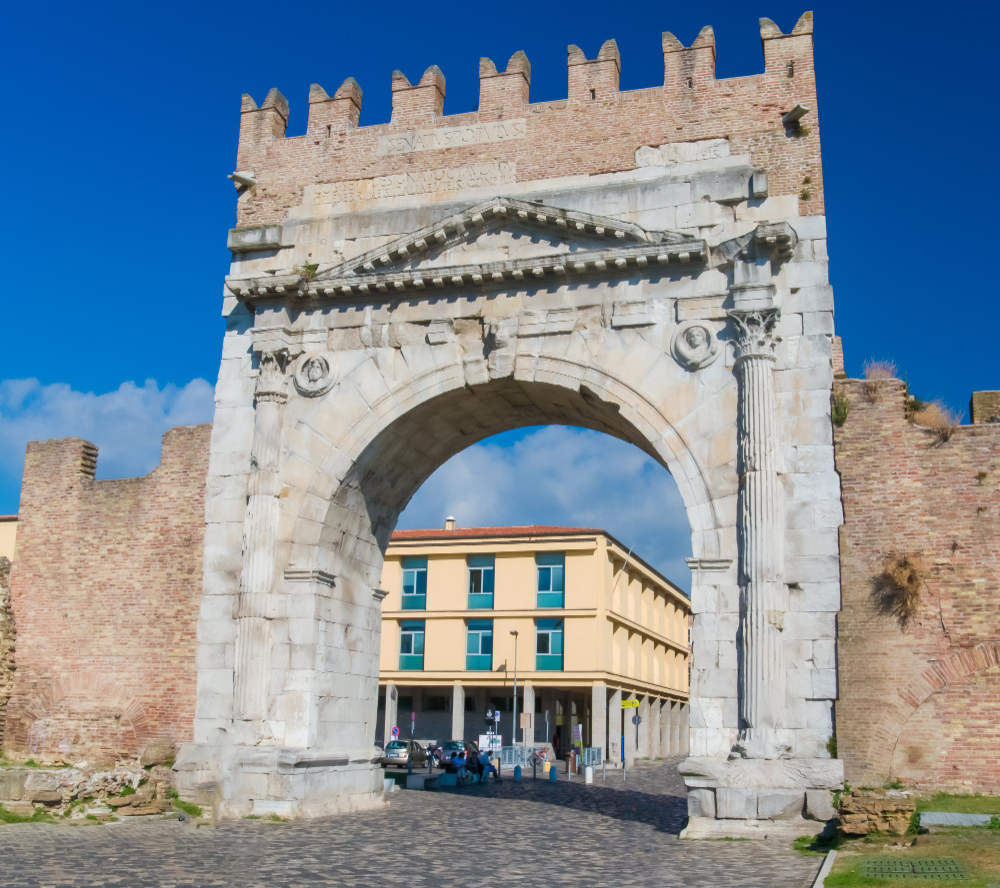
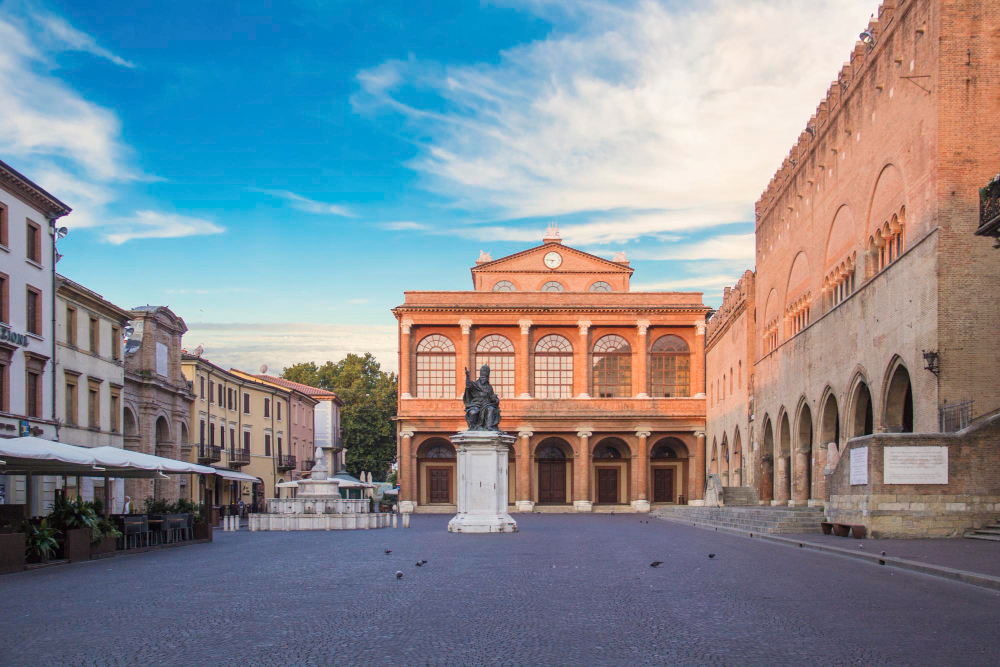
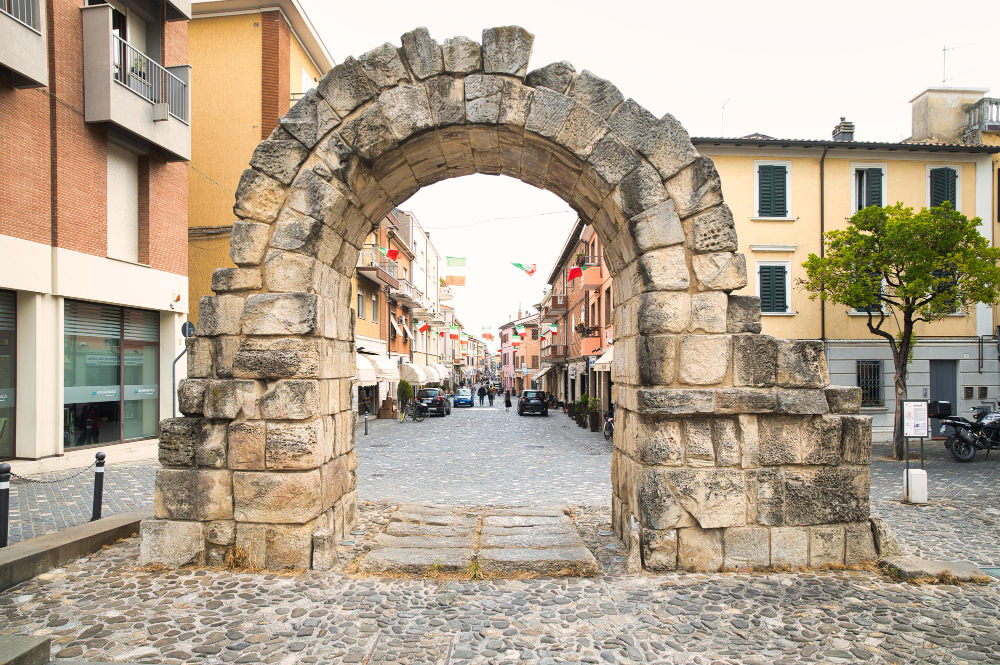
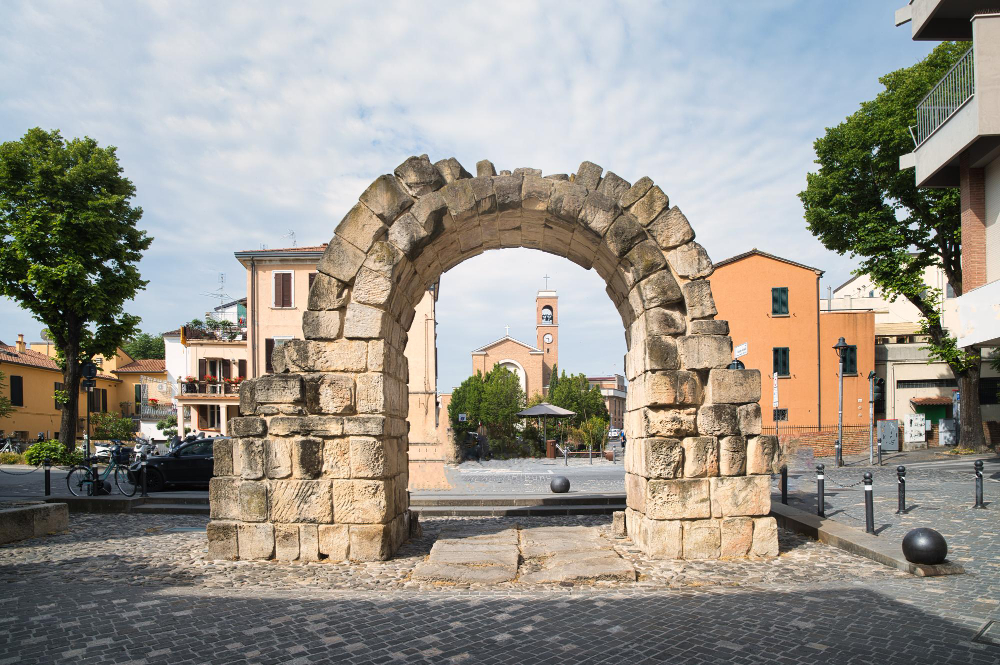
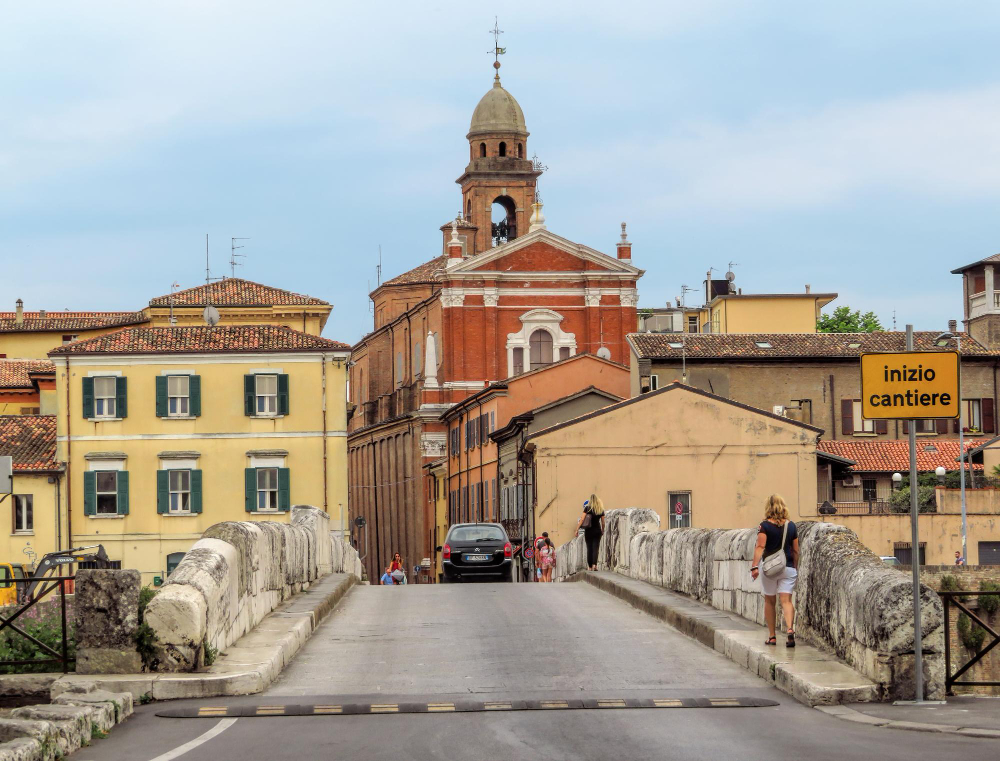
A historical treasure: Rimini through the centuries – Rimini’s roots stretch back to antiquity. Founded around 268 BC – known as ‘Ariminum’ – the city developed into an important military and economic hub of the Roman Empire. Strategically situated between northern and southern Italy, Rimini was a key transport hub, particularly thanks to the Via Flaminia, which linked the Adriatic coast with Rome. Even today, impressive architectural monuments bear witness to this glorious past. Among the best known is the Arch of Augustus (Arco di Augusto), the oldest surviving triumphal arch in Italy. Built in 27 BC, it marks the end of the Via Flaminia and symbolises the power and influence of Rome. Equally spectacular is the Ponte di Tiberio, a bridge dating from the first century AD which still serves its original purpose today and is regarded by many as a masterpiece of ancient engineering. During the Middle Ages, Rimini’s noble houses left a lasting mark on the city. Particularly noteworthy is the House of Malatesta, whose most famous member, Sigismondo Pandolfo Malatesta, shaped the city both politically and culturally in the 15th century. The Tempio Malatestiano, a monumental building designed by the renowned architect Leon Battista Alberti, is regarded as one of the earliest examples of Renaissance architecture and bears witness to Rimini’s cultural heyday during that era.
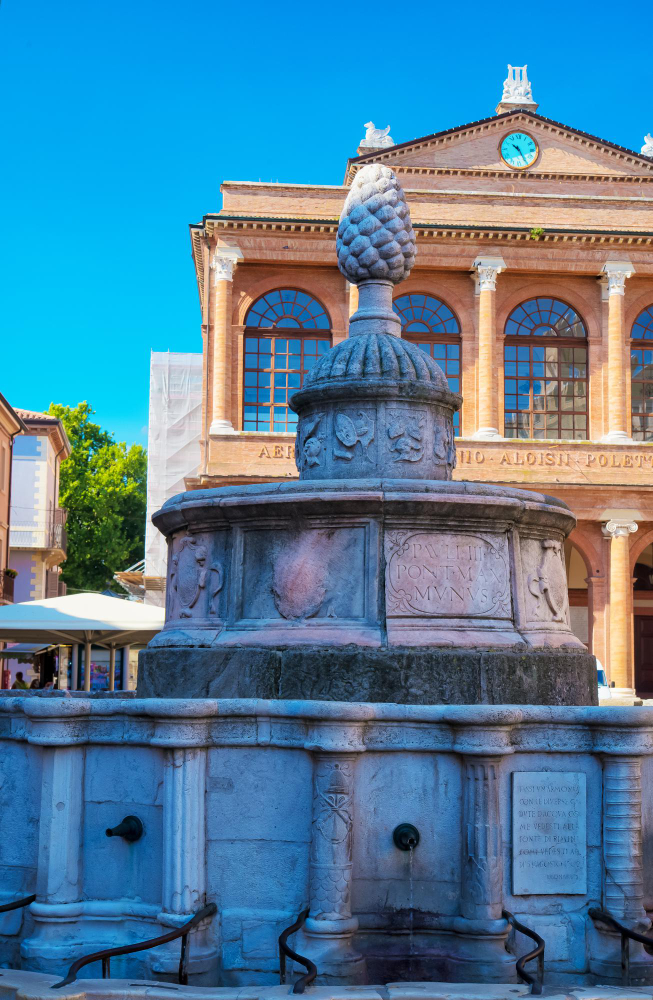
Rimini as a City of Culture: Art, Architecture and Traditions – In addition to its historical significance, Rimini has also made a name for itself thanks to its cultural diversity. The city is home to museums, theatres and festivals that attract visitors all year round. The Museo della Città, housed in a former monastery, offers a comprehensive collection of archaeological finds and works of art that document the region’s development from antiquity to the modern era. The name Federico Fellini symbolises a special connection to the art of film; he is one of the most significant directors in the history of Italian cinema. Fellini, who was born in Rimini in 1920, often drew inspiration for his films from his hometown. His film Amarcord, which captures the nostalgic atmosphere and social structures of a small Italian coastal town, is celebrated worldwide. The city honours this extraordinary artist with the Fellini Park, a sculpture exhibition and a museum dedicated to Fellini’s life and work.
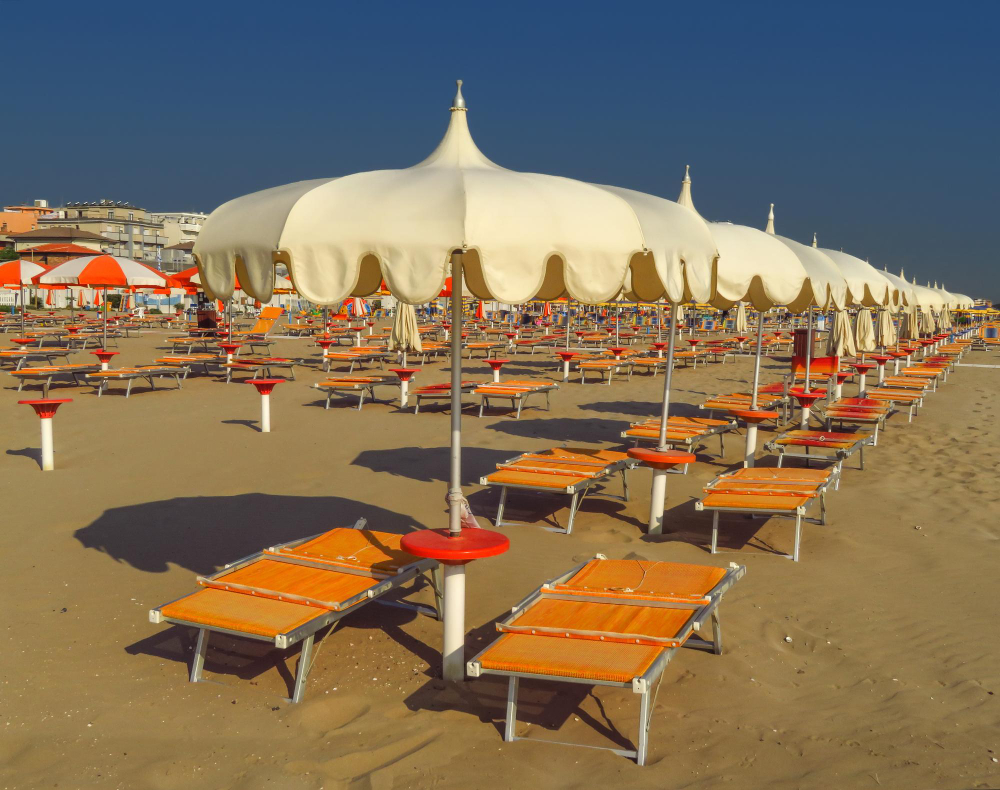
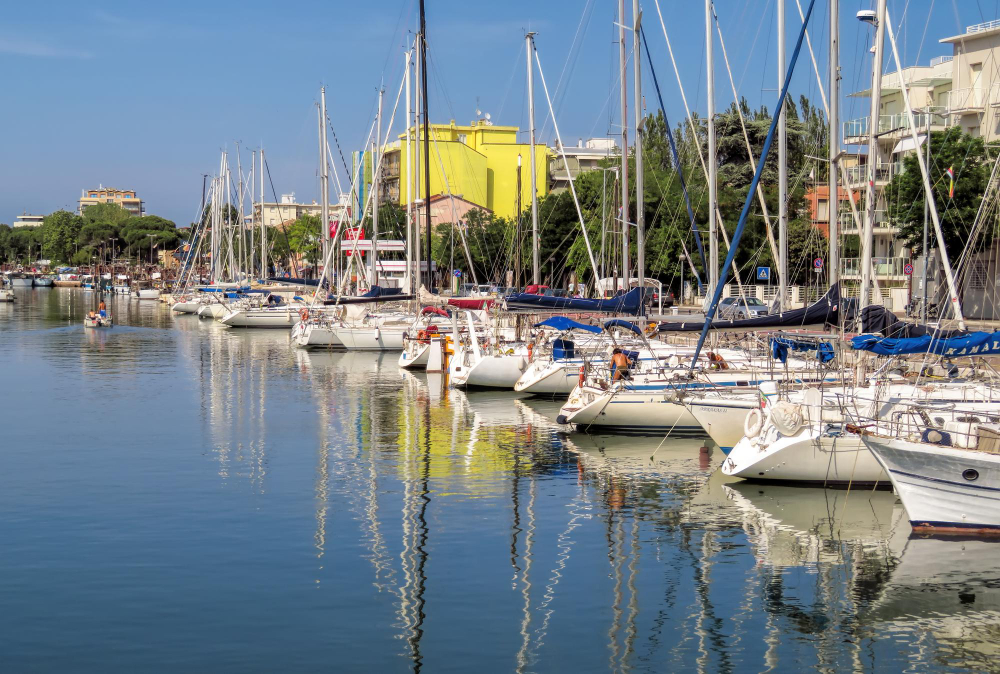
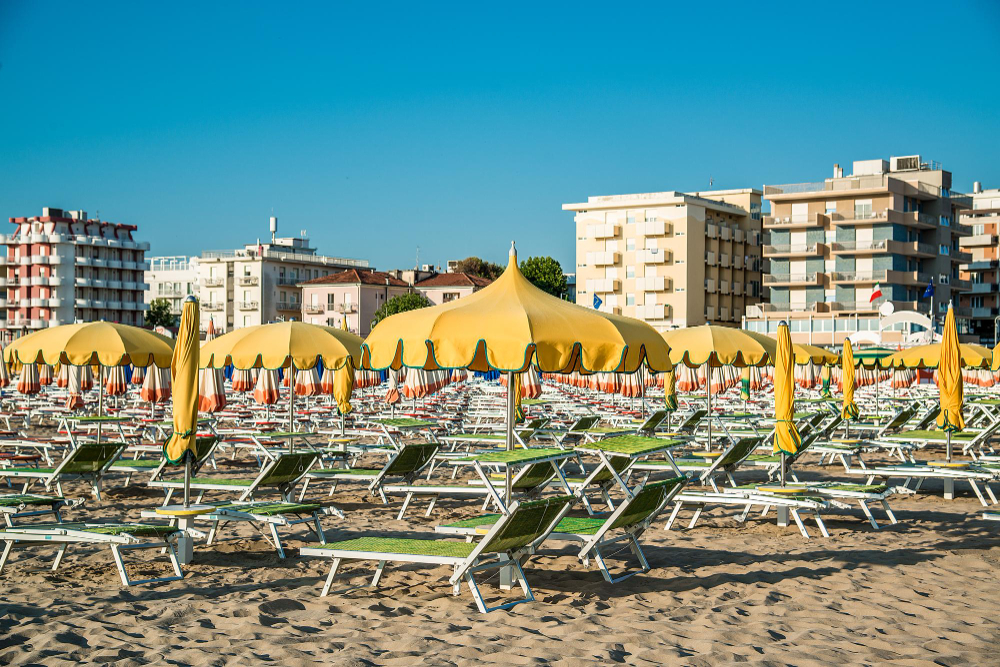
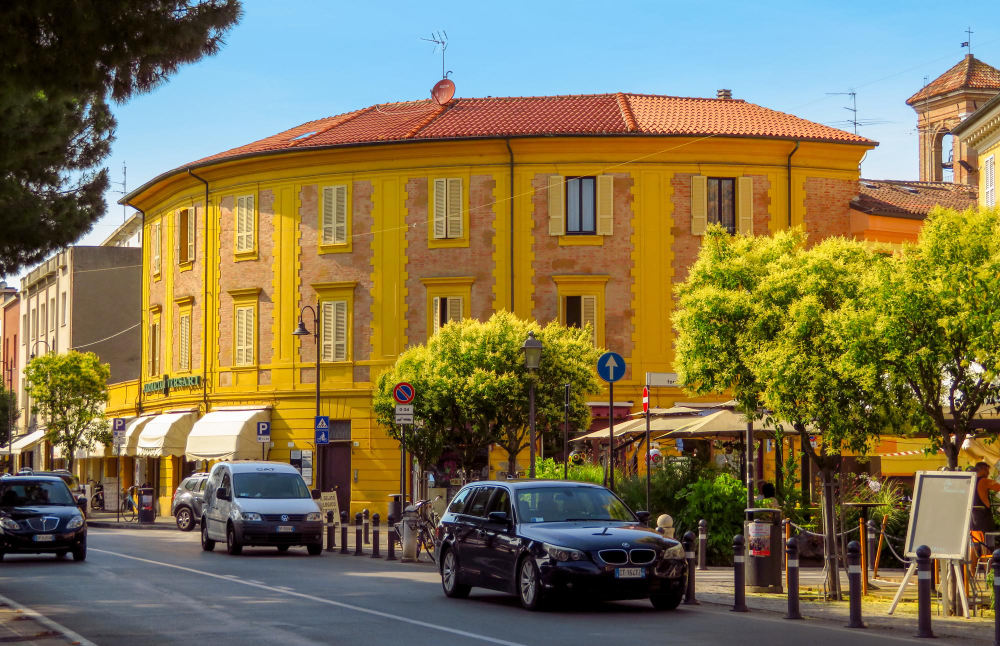
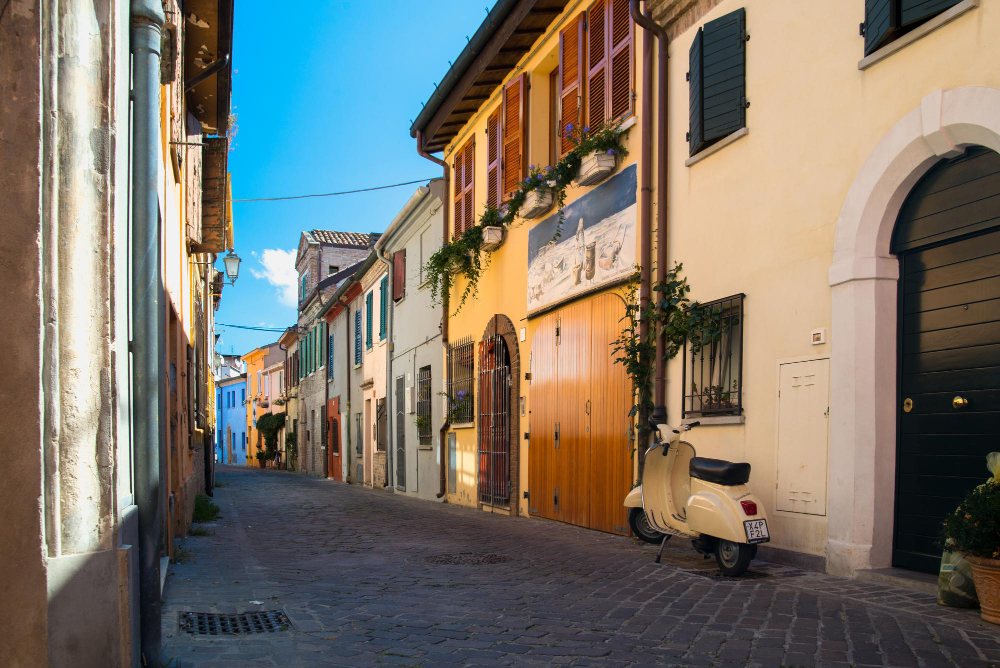
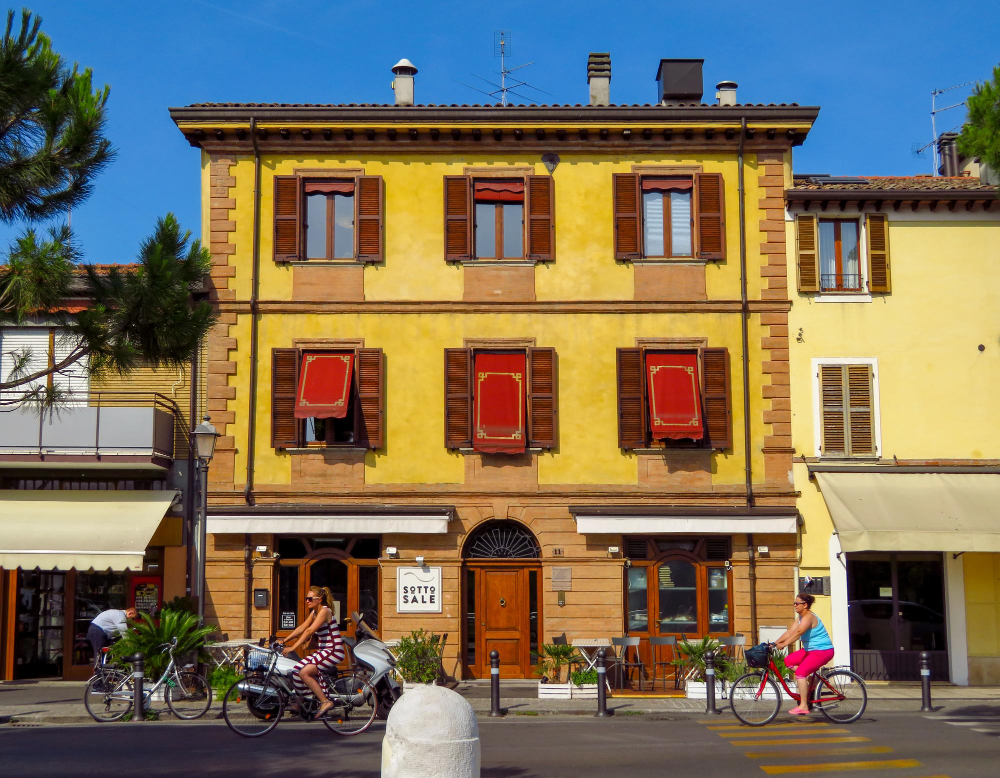
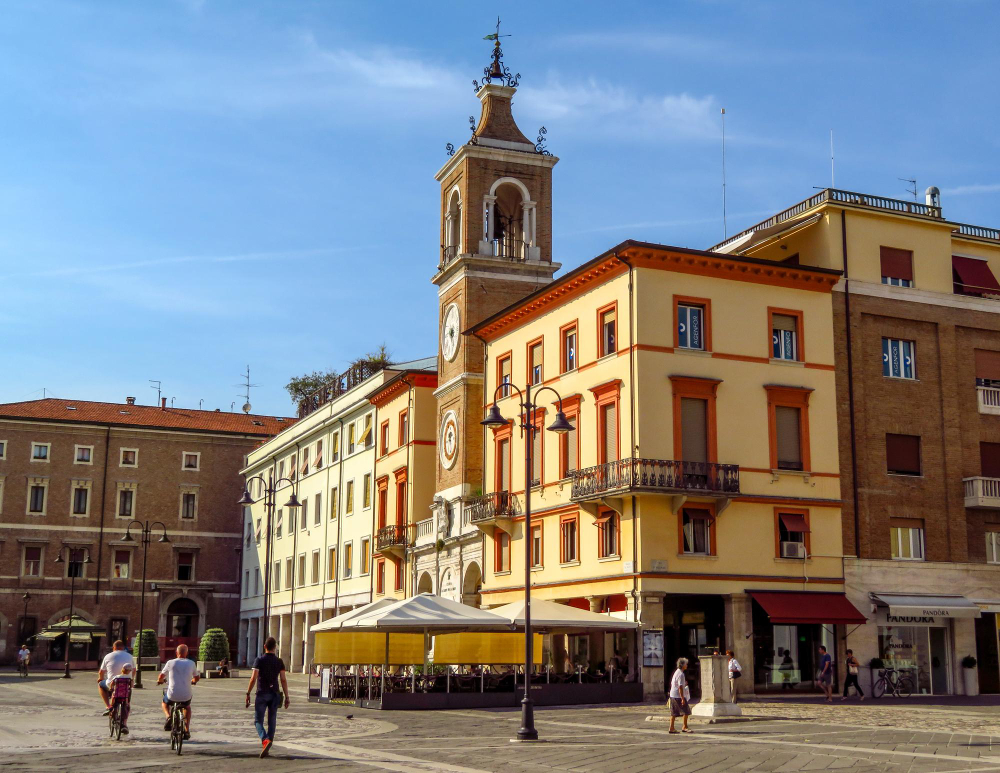
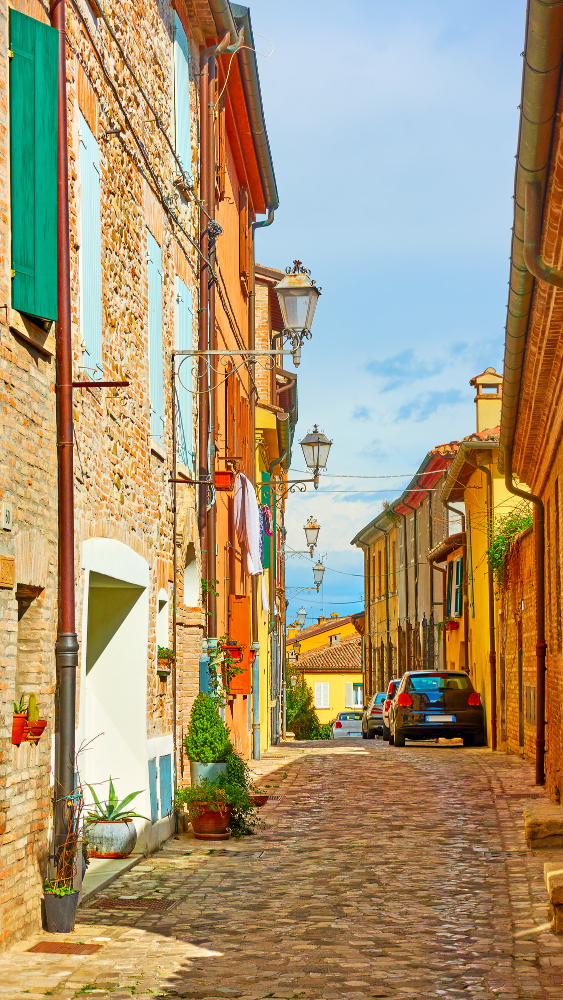
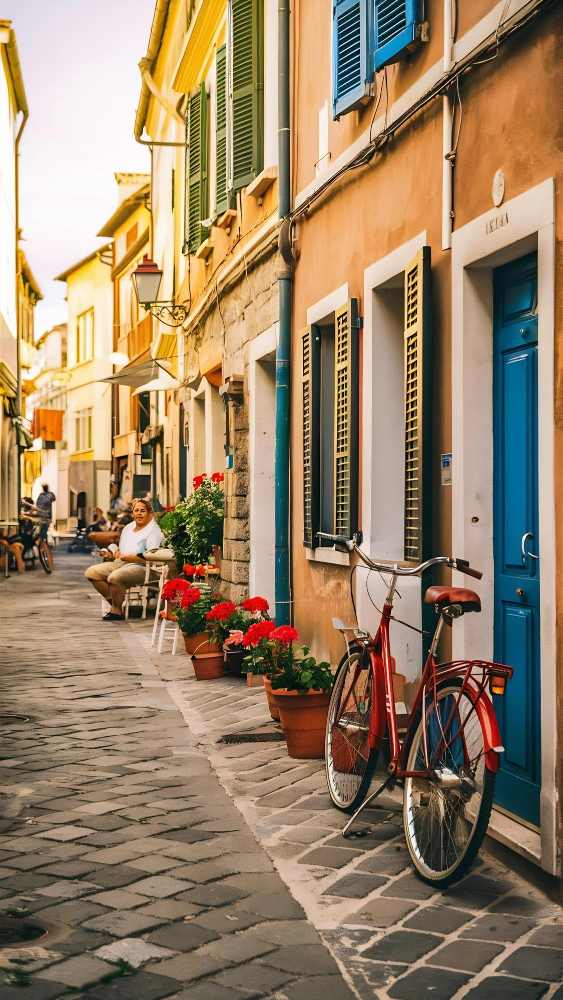
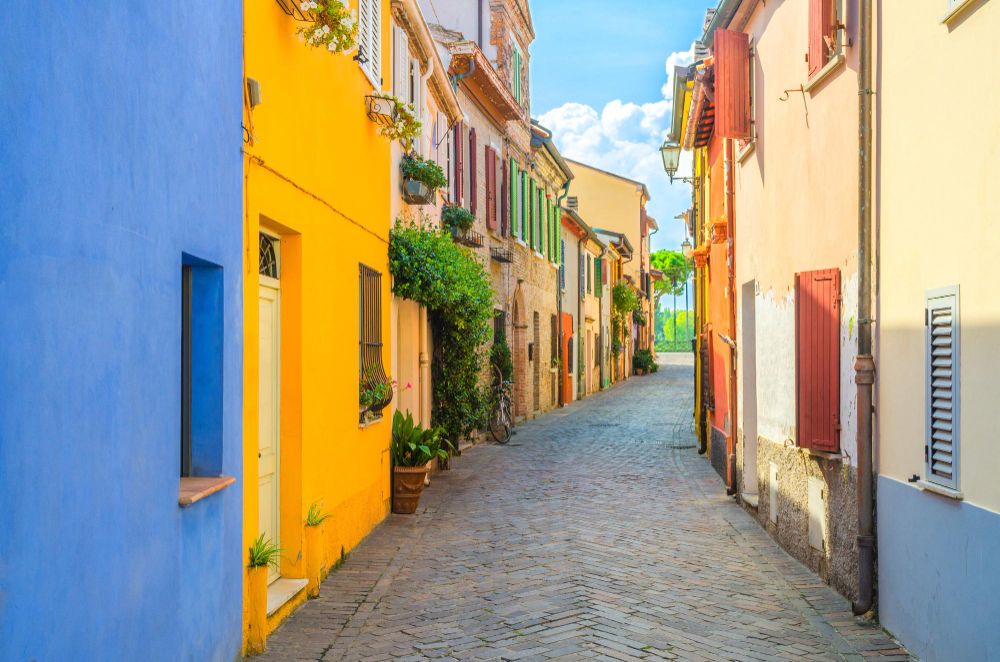
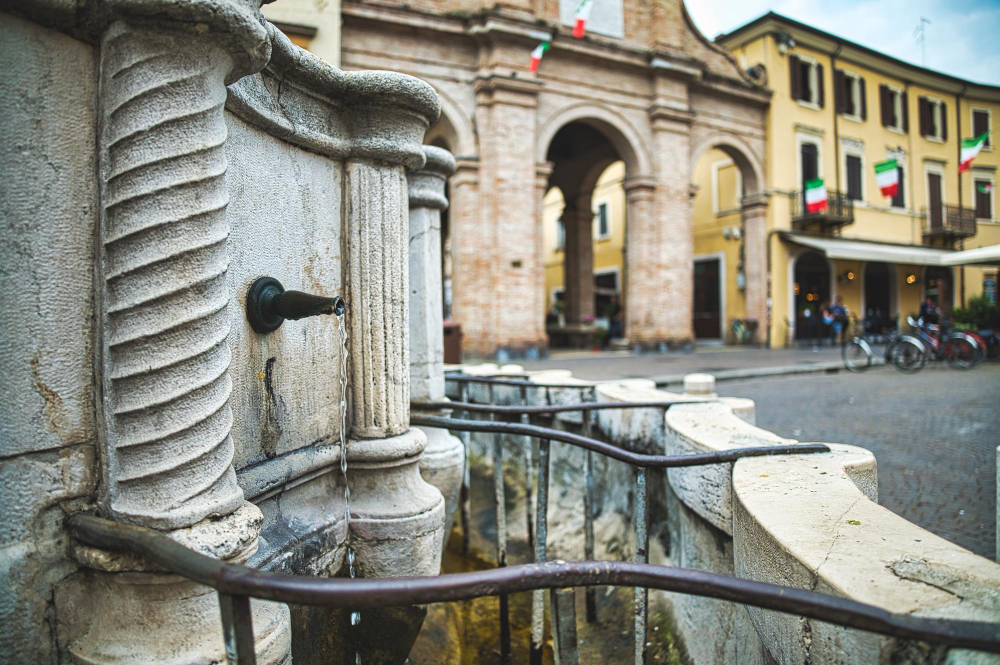
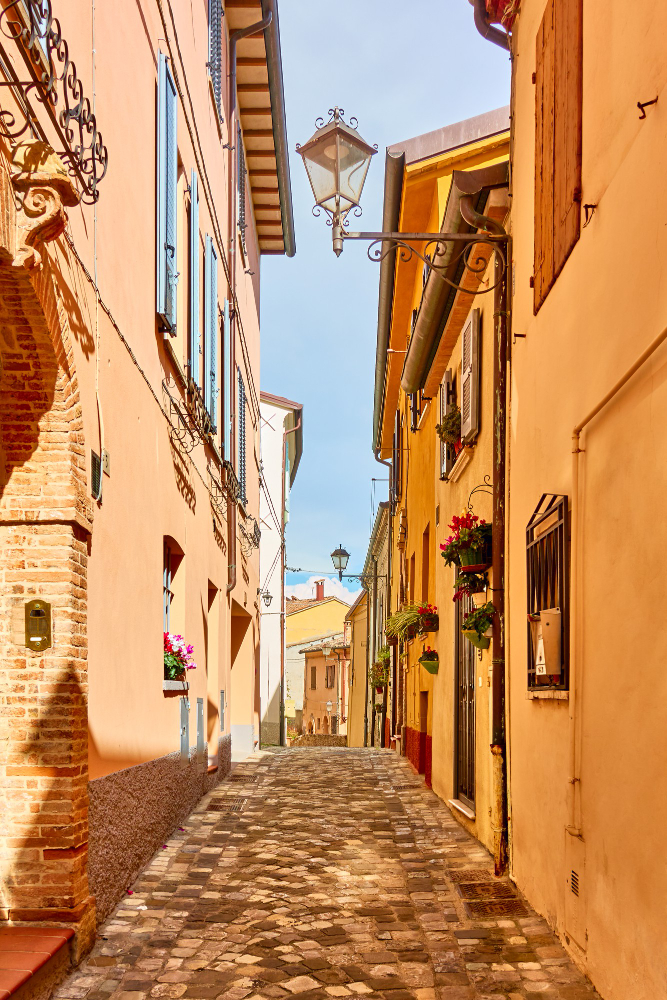
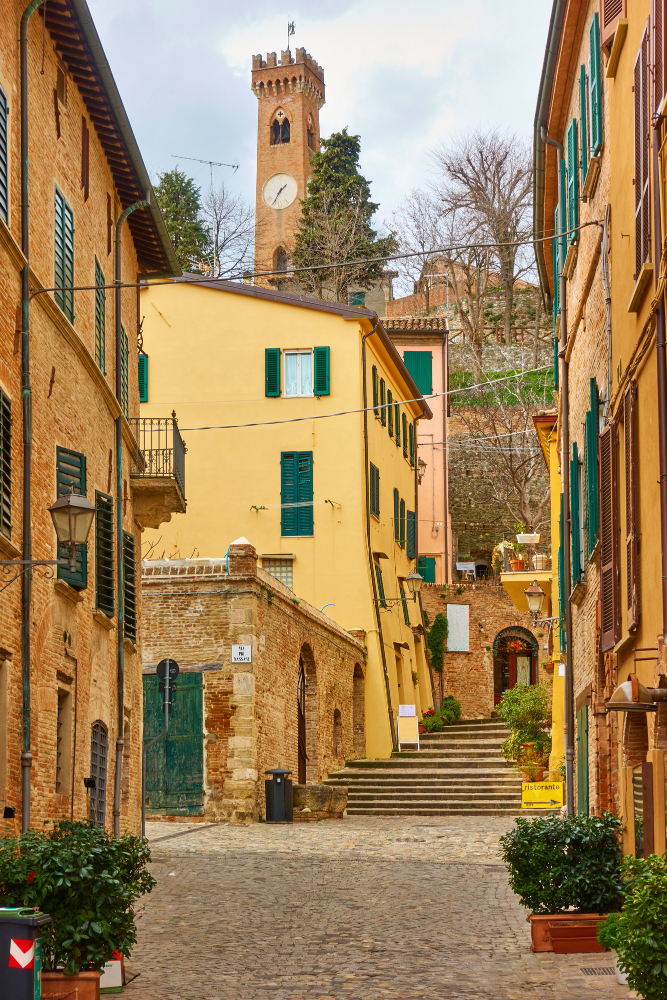
Tourism in Rimini: From fishing village to modern holiday destination – With a coastline of around 15 kilometres and one of the longest sandy beaches in Europe, Rimini is now right at the top of the list, particularly for beach holidaymakers. Yet mass tourism is a relatively recent development: until the mid-19th century, Rimini was a modest fishing village with no significant tourism. It was only with the opening of the first public lido in 1843 that the transformation into a seaside resort began, which would later develop into a tourist hotspot. The golden age of tourism in Rimini began after the Second World War and reached its peak in the 1960s. Innovative hotel concepts, the opening of numerous nightclubs and entertainment venues, and the hosting of international events made Rimini synonymous with summer, sun and fun. Even today, Viale Regina Elena, a bustling street lined with hotels, restaurants and bars, remains the heart of tourism in Rimini. But Rimini has more to offer than just beaches and nightlife. The old town, far removed from the tourist beaches, reveals a different, quieter side to the city. Here, visitors can stroll through charming alleyways, discover small cafés and marvel at historical sights such as the Domus del Chirurgo, the archaeological site of a Roman villa.
Environmental issues and future prospects – Although Rimini is a popular tourist destination, the city, like many other coastal resorts, faces environmental challenges. Rising traffic volumes, the development of coastal areas and the strain caused by mass tourism are environmental issues that cannot be ignored. To address these challenges, Rimini is increasingly focusing on sustainable tourism. Initiatives such as ‘Plastic Free Beach’ and programmes to promote eco-friendly hotels demonstrate the city’s efforts to reduce its environmental footprint. Furthermore, Rimini is investing in the modernisation of its infrastructure to ensure the city remains attractive for future generations. Projects such as the new conference centre and the restoration of historic buildings aim to strengthen the tourism industry in the long term whilst preserving the city’s cultural identity.
The Rimini Experience: A Place to Suit Every Taste – What makes Rimini so unique is the city’s versatility. Historic sights, cultural events, a lively nightlife and breathtaking beaches offer travellers a wealth of possibilities. Whether you’re a history buff, an art lover or a family looking to relax – Rimini has something to offer everyone. Cuisine also plays a central role in the Rimini experience. The regional cuisine is characterised by fresh ingredients sourced directly from the local area. Particularly recommended are dishes such as the ‘Piadina Romagnola’, a traditional flatbread often filled with prosciutto, cheese and vegetables, as well as the diverse selection of seafood specialities on offer in the restaurants along the coast.
Rimini – where history meets modernity – Rimini is more than just a holiday resort; it is a city full of contrasts and stories just waiting to be discovered. With its roots in antiquity, its role as a cultural centre and its development into a tourist hotspot, Rimini offers a fascinating kaleidoscope of past, present and future. For anyone wishing to experience a different side of Italy, Rimini is an unmissable destination. Whether you want to enjoy the lively beach, explore the tranquil beauty of the old town or delve into the city’s fascinating history – Rimini has it all. Get ready to discover this unique gem on the Adriatic coast!