Monsanto, a small municipality in the Idanha-a-Nova region of eastern Portugal, is more than just a picturesque village. With its incomparable charm, rich history, and the numerous legends surrounding this special place, Monsanto continues to attract the attention of travelers, historians, and artists. Over the centuries, this village has earned and preserved its distinctive reputation as “the most typical village in Portugal.” But what makes Monsanto so special? Let’s dive together into its impressive history and magical tales.
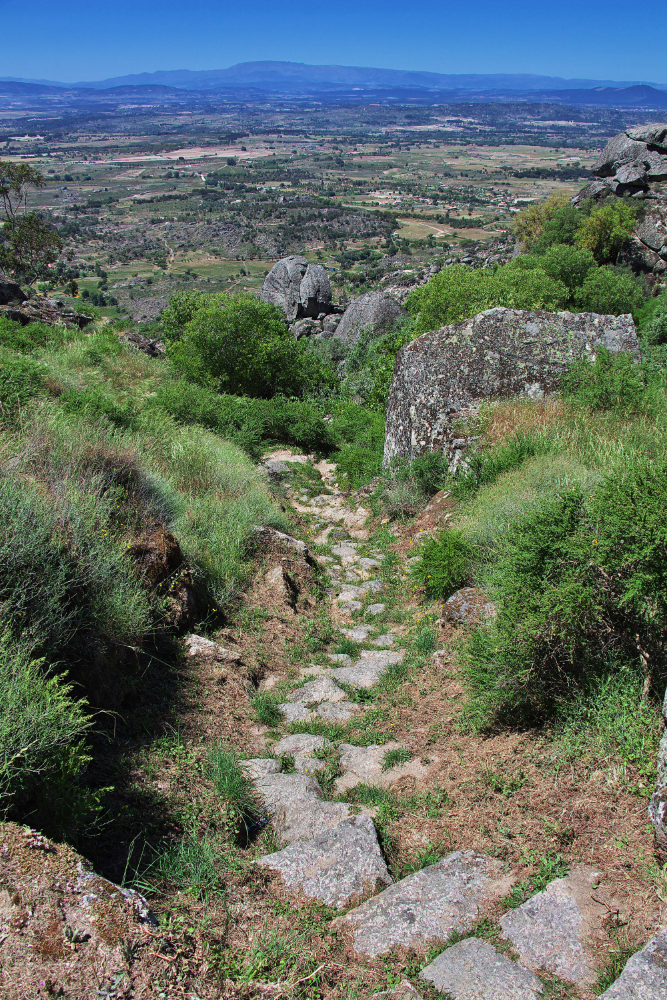
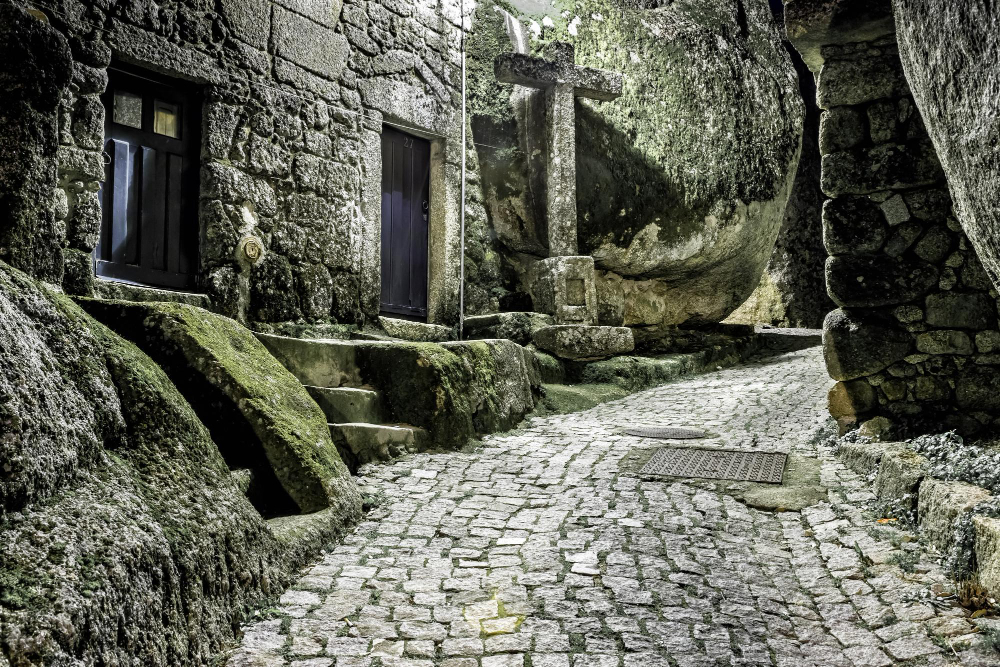
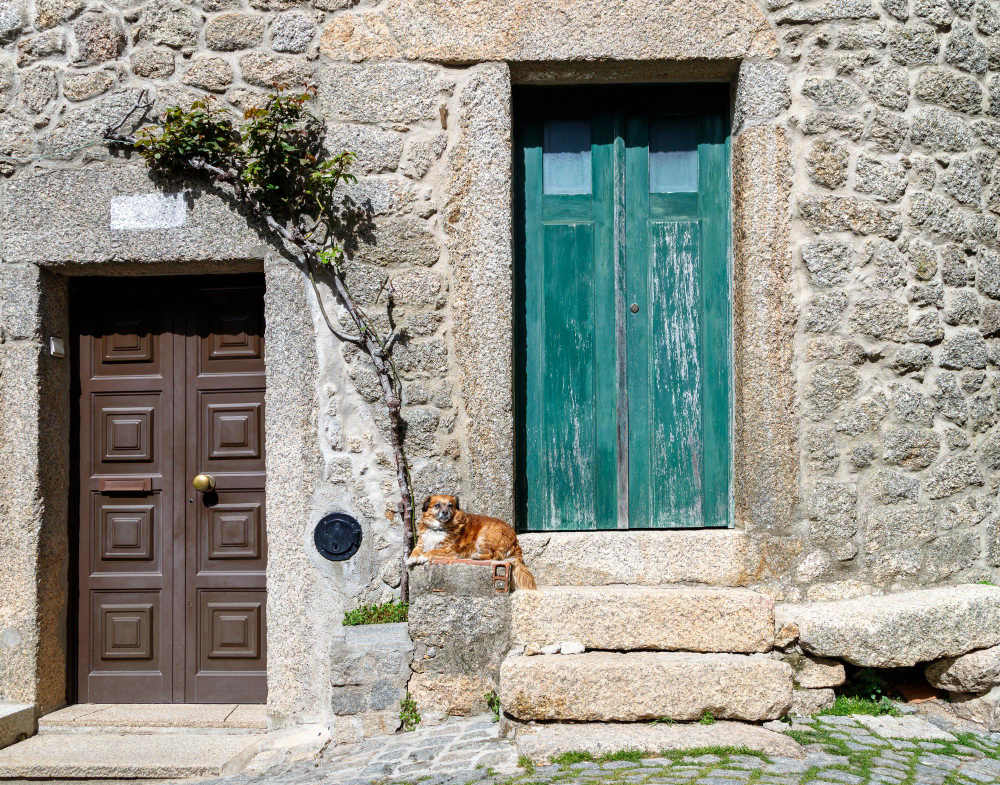
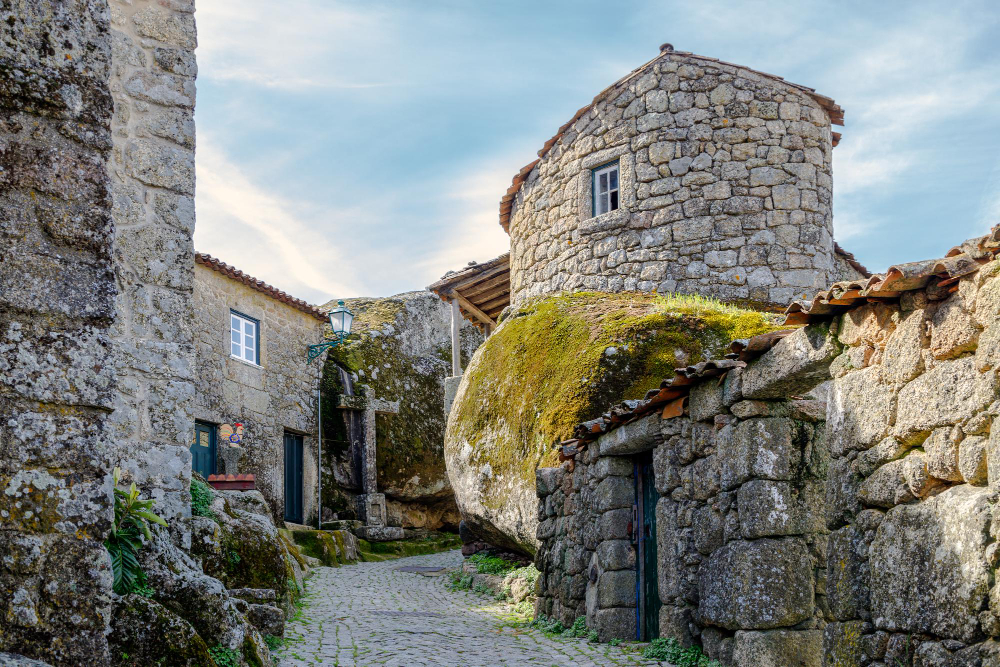
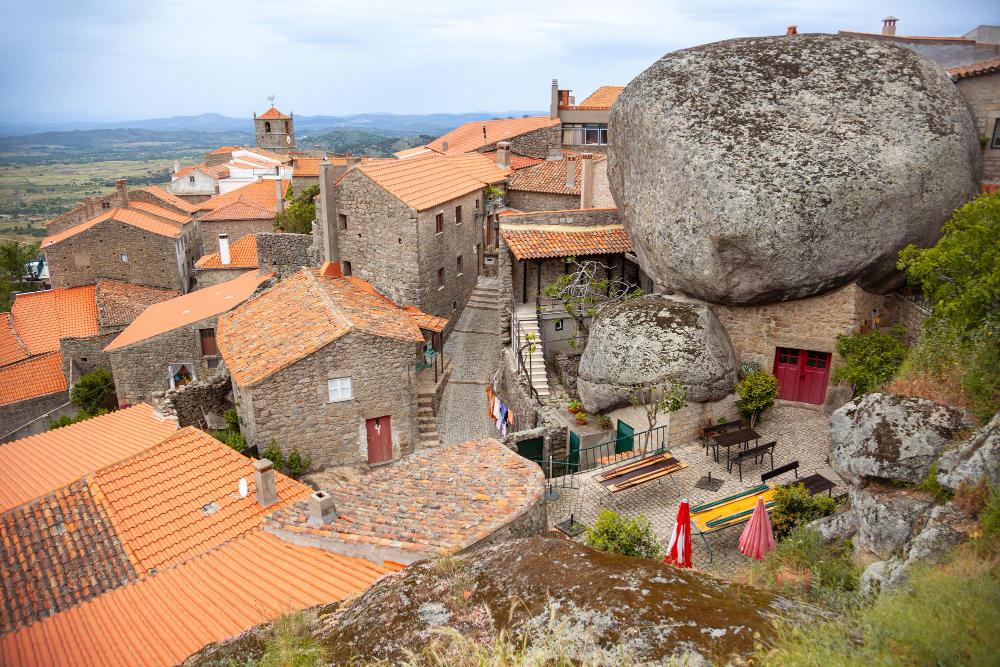
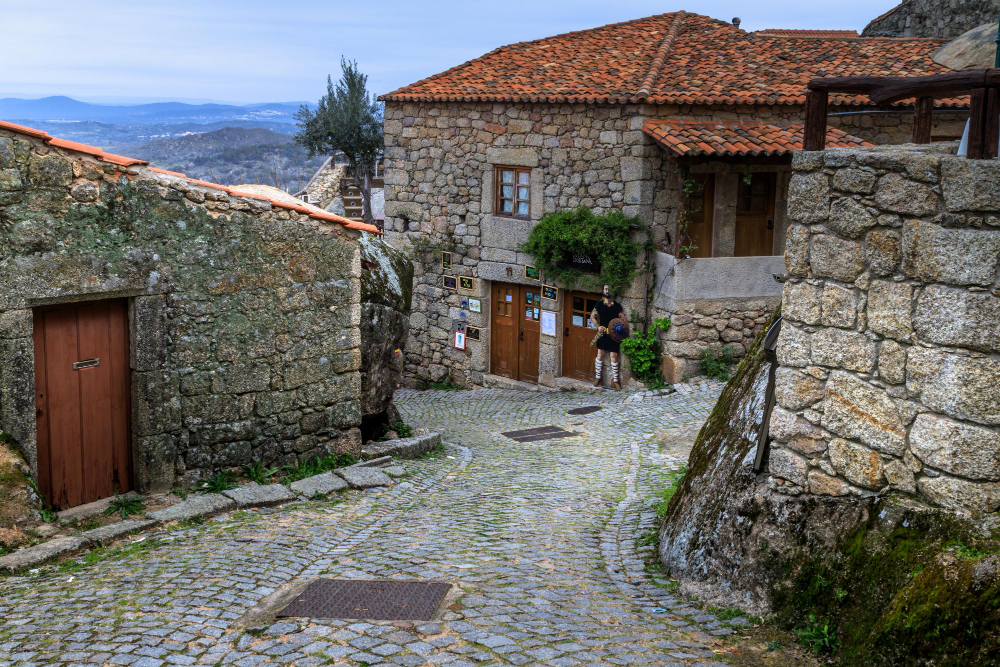
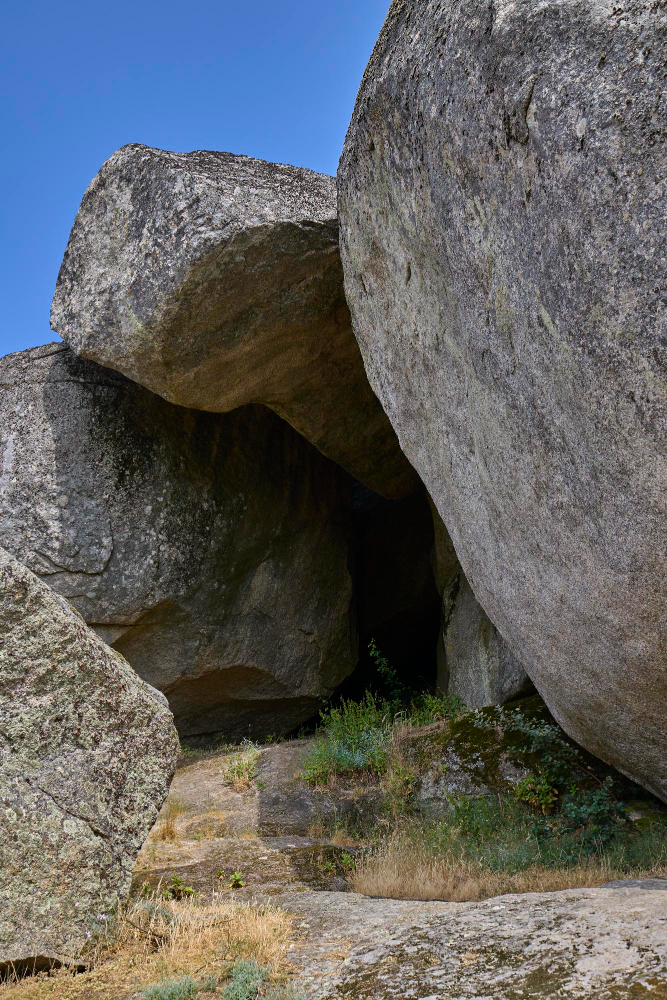
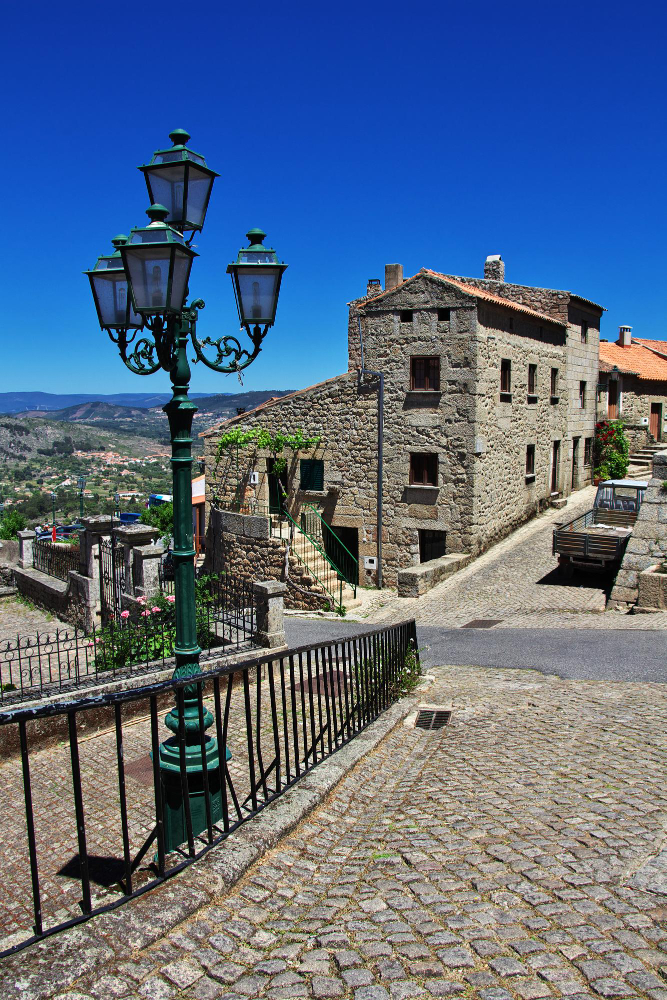
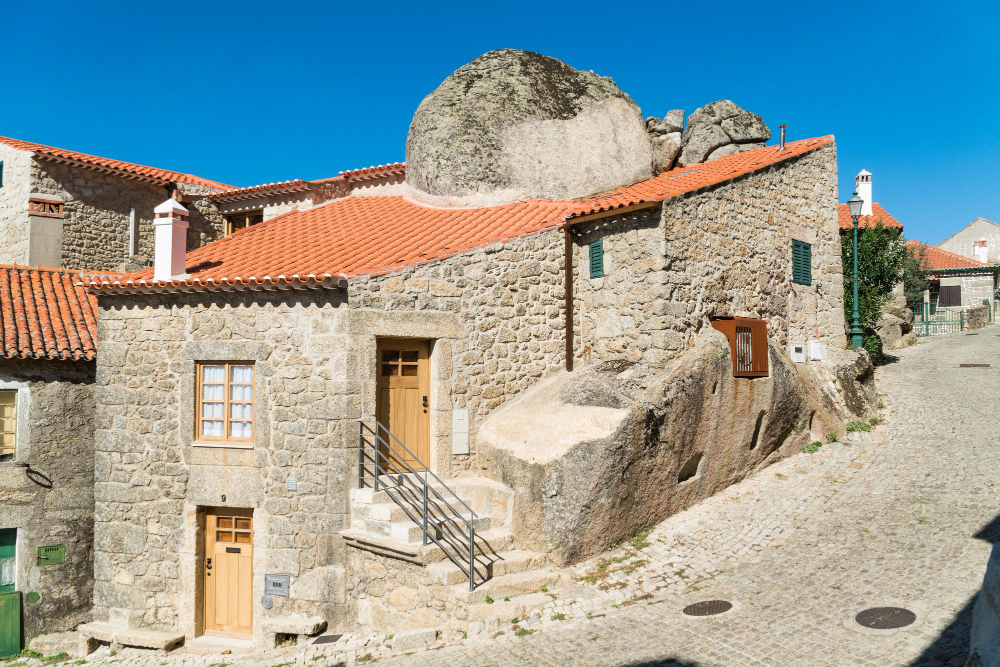
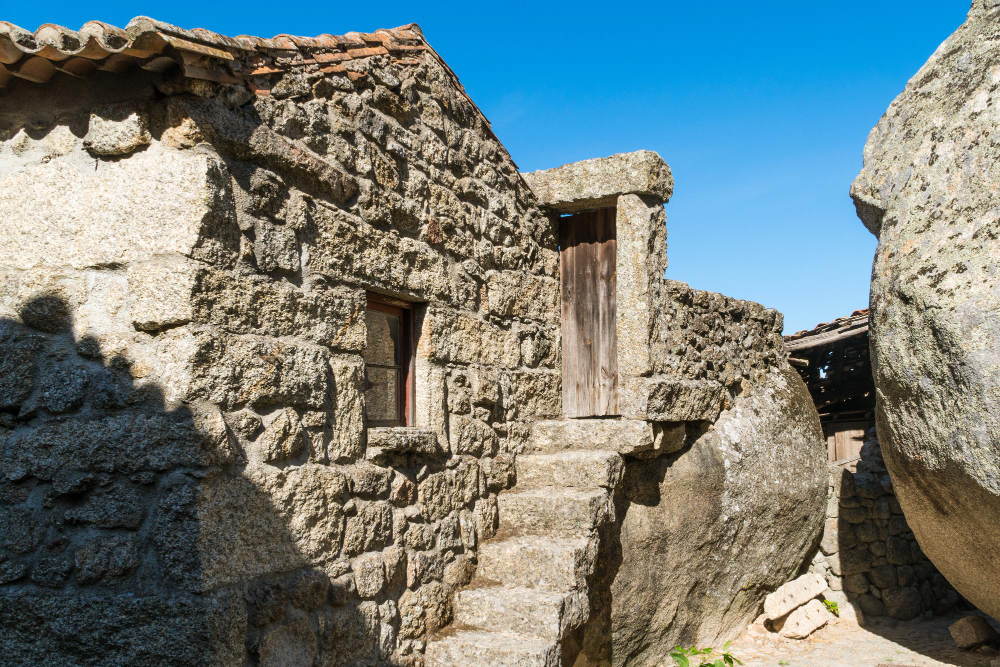
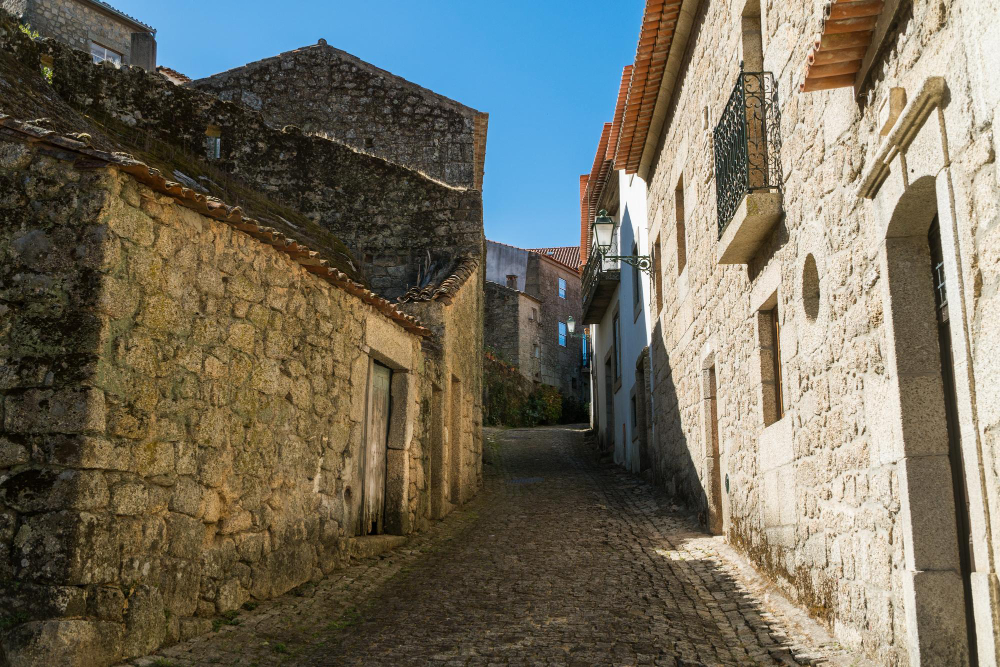
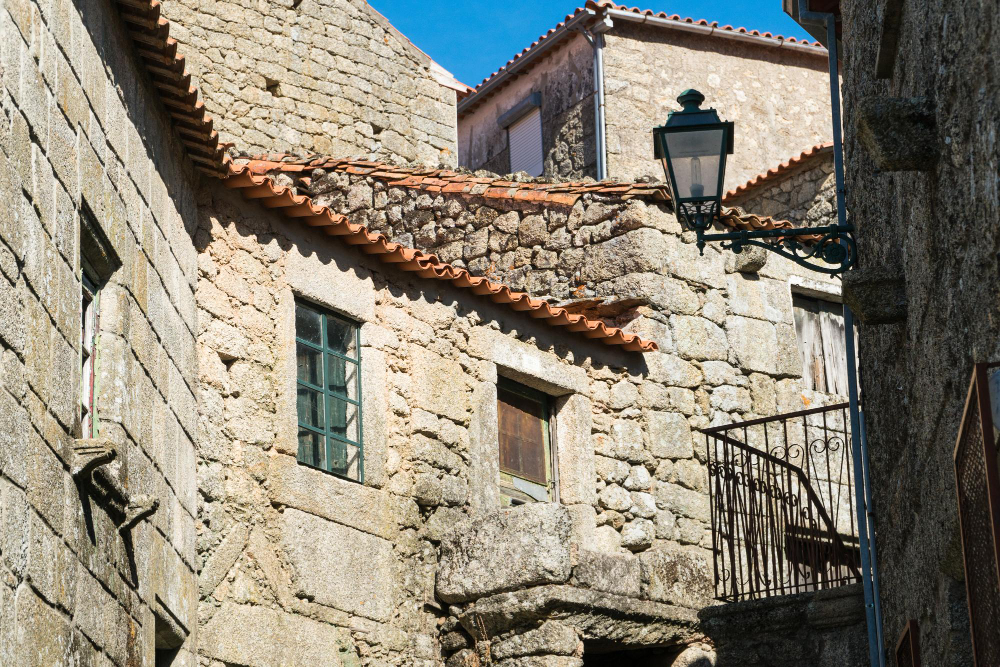
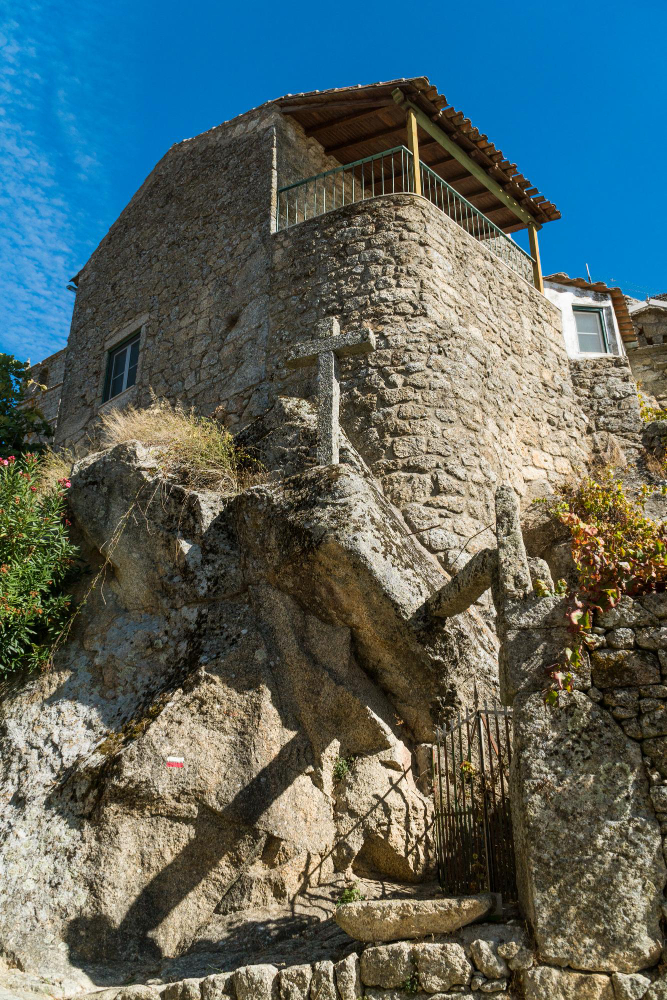
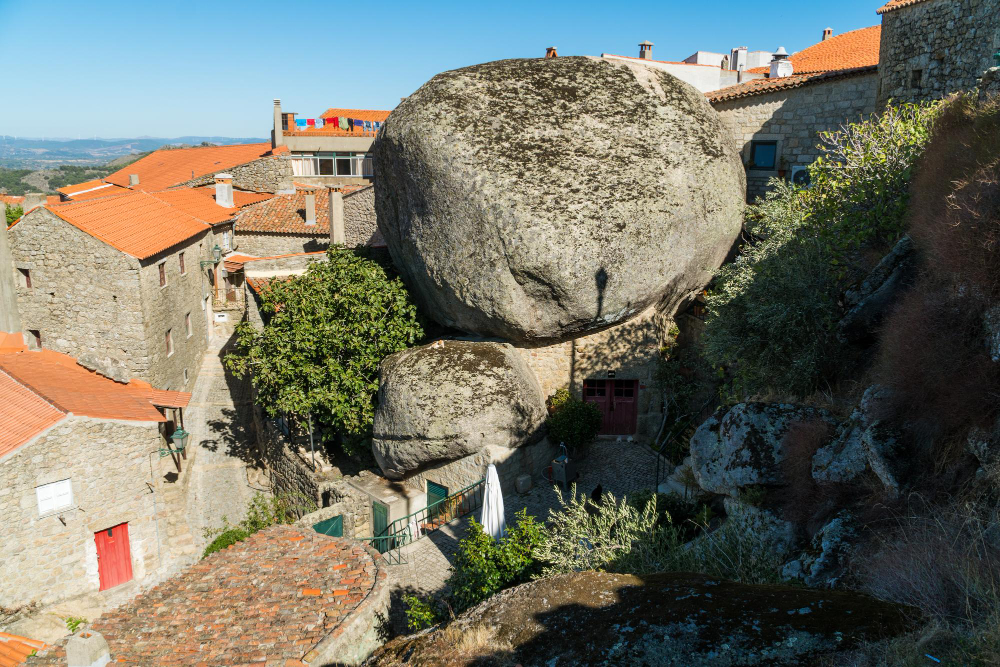
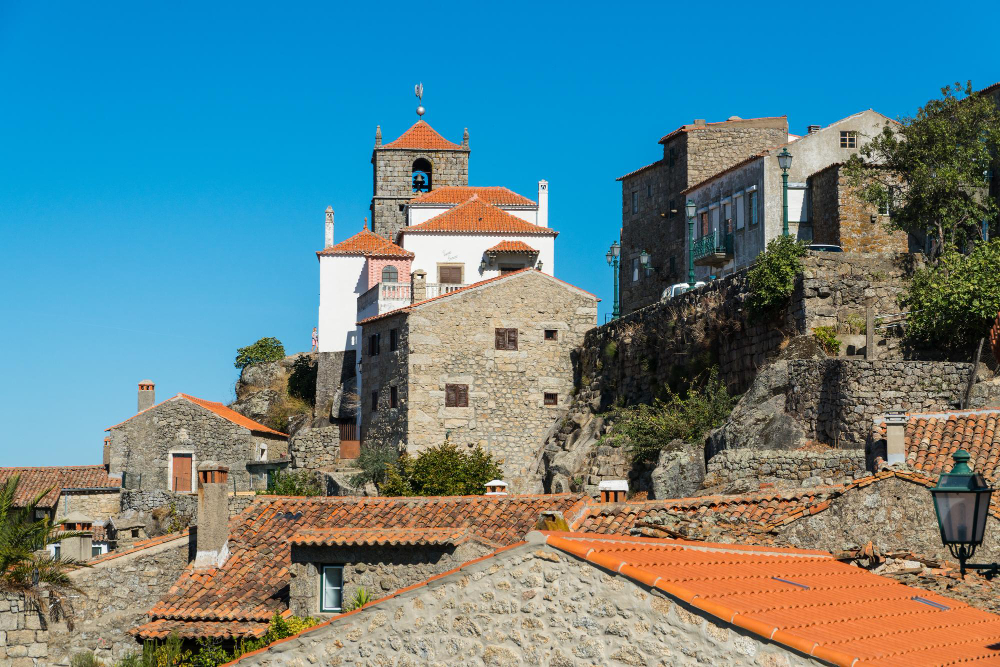
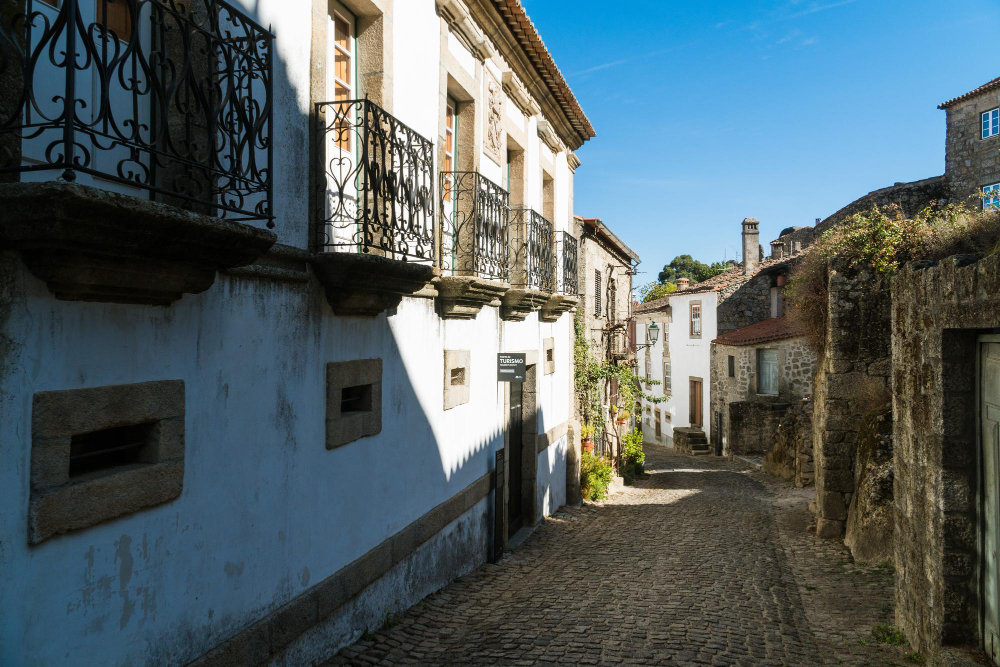
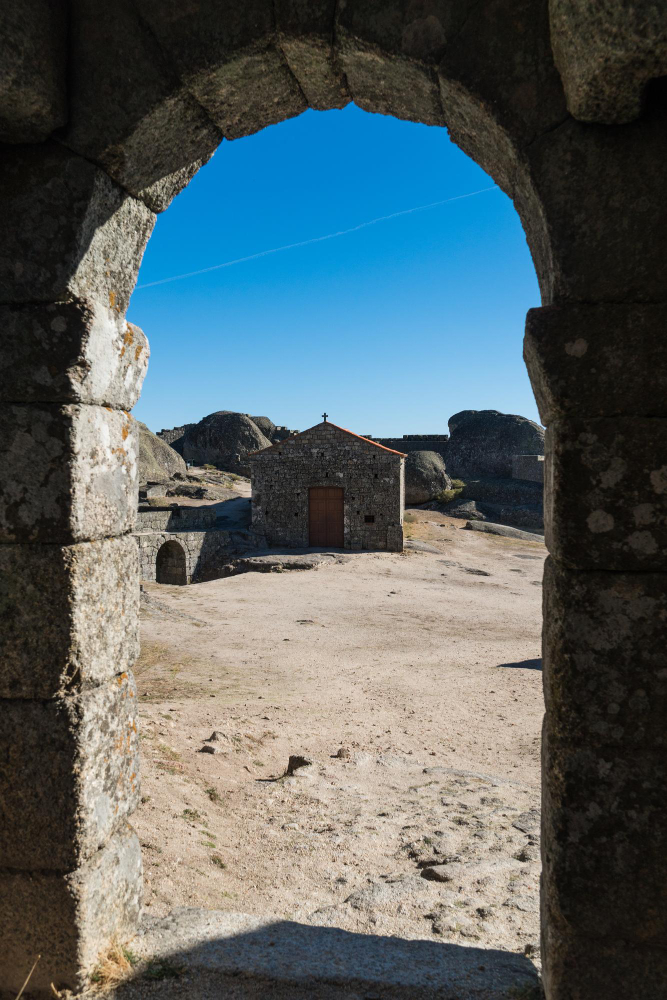
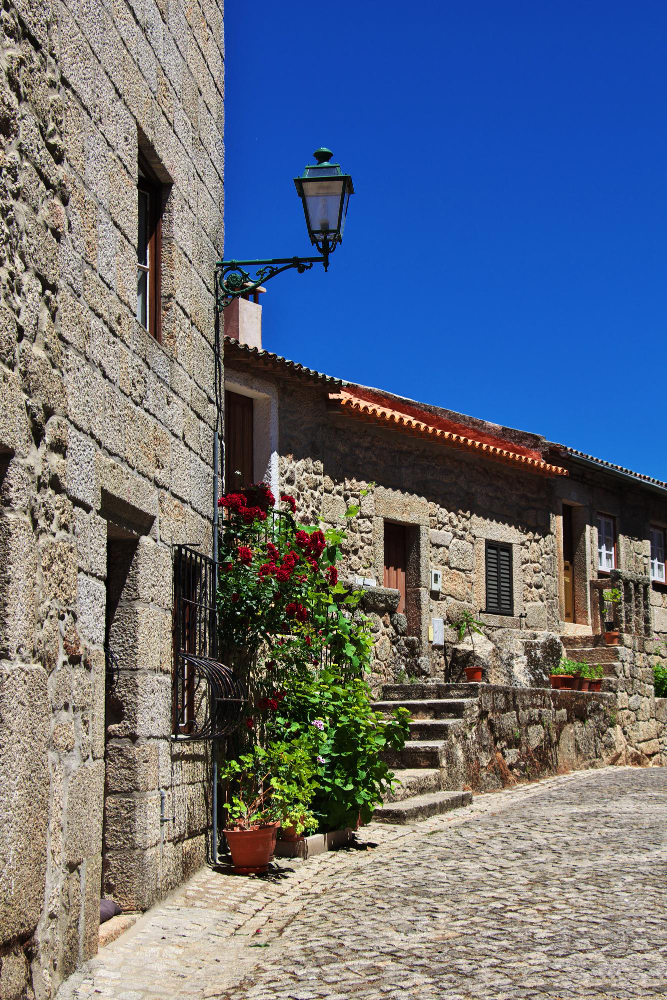
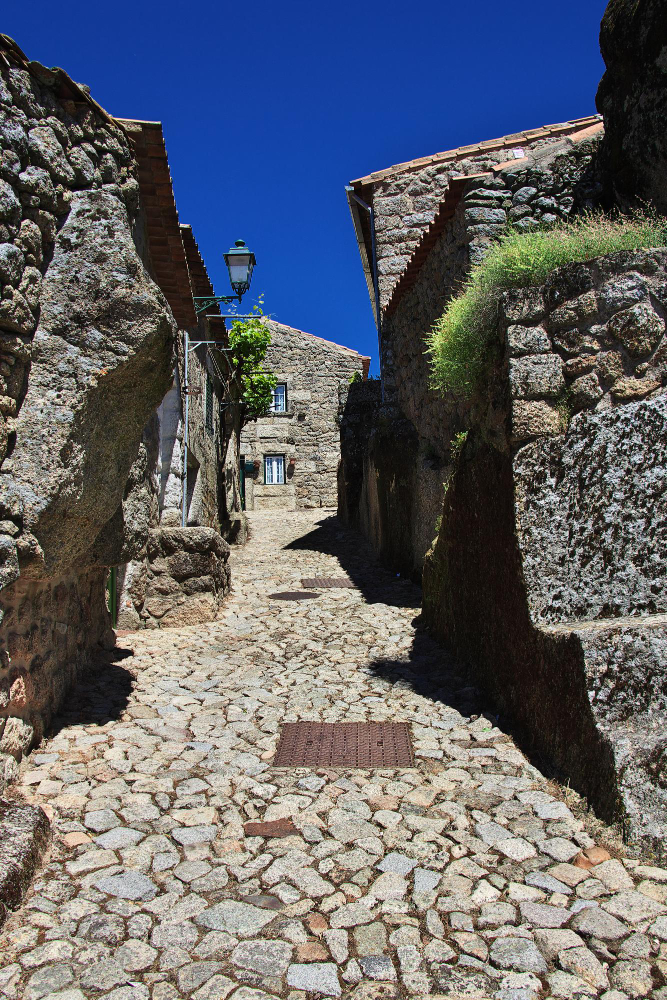
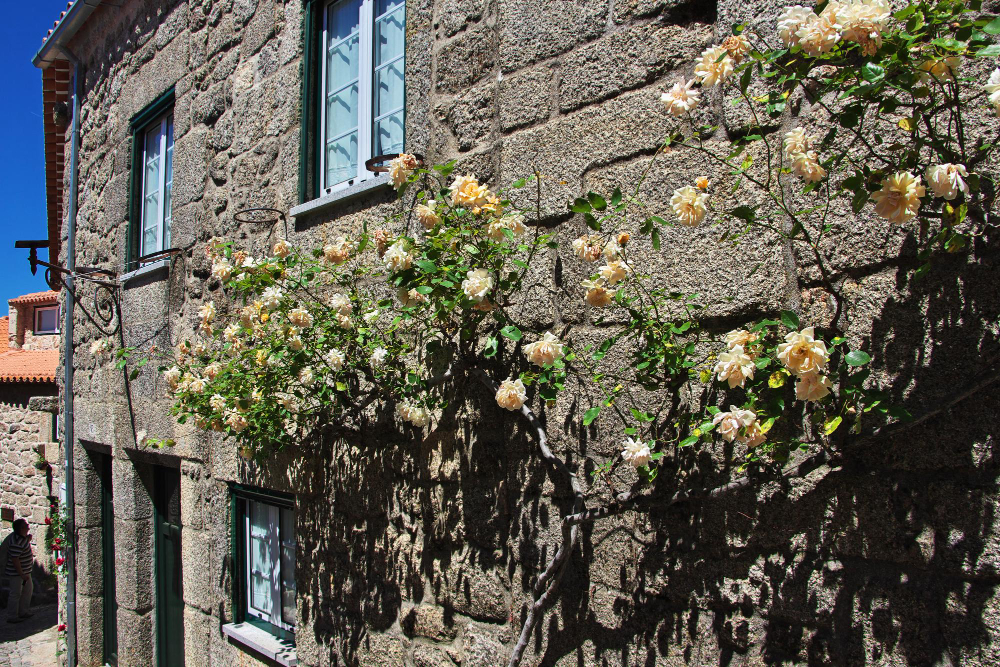
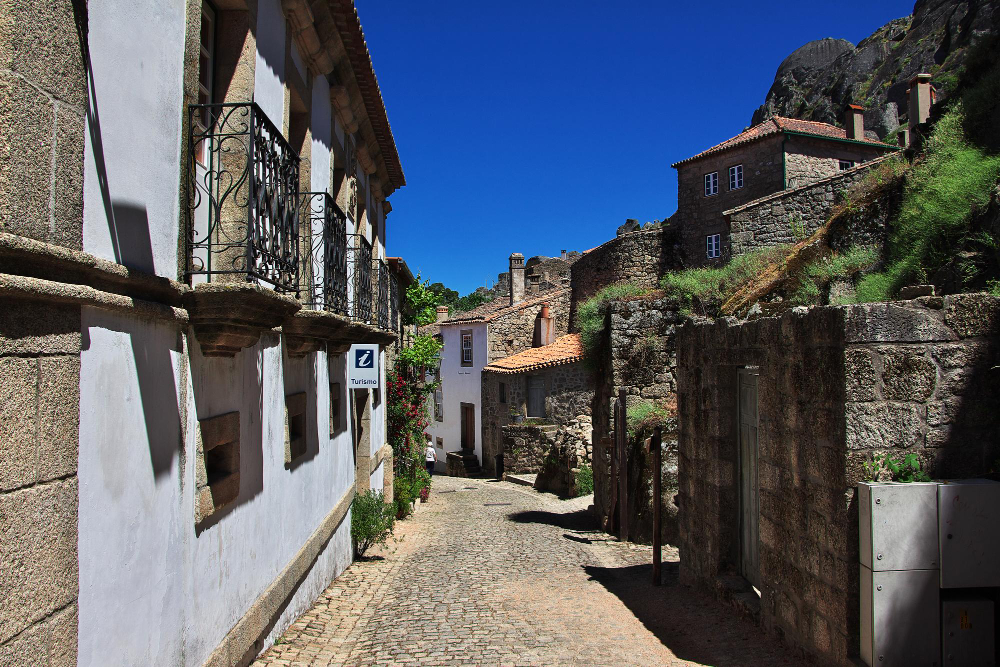
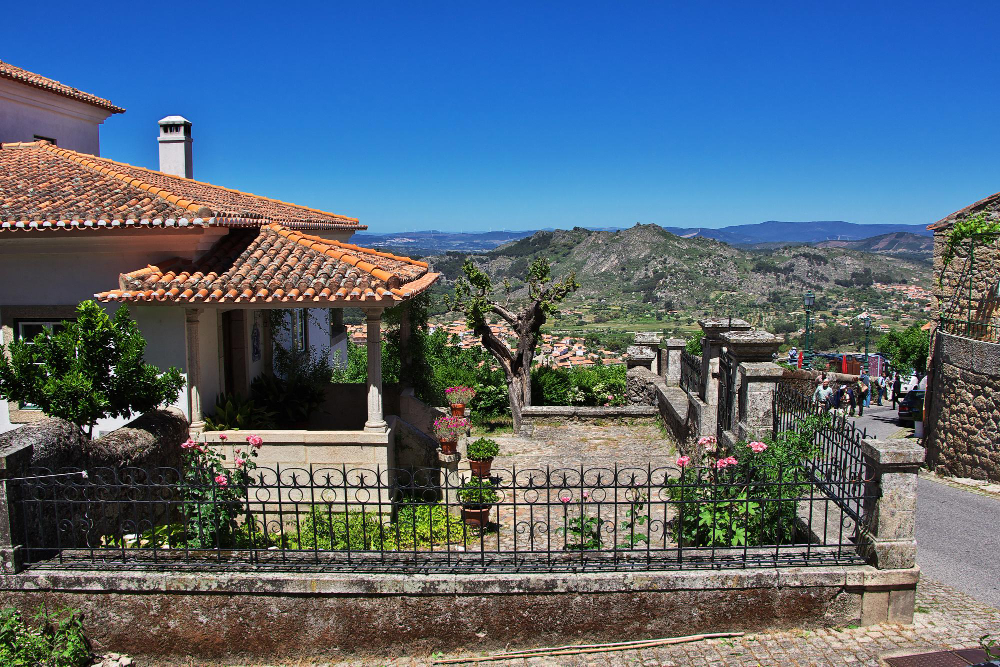
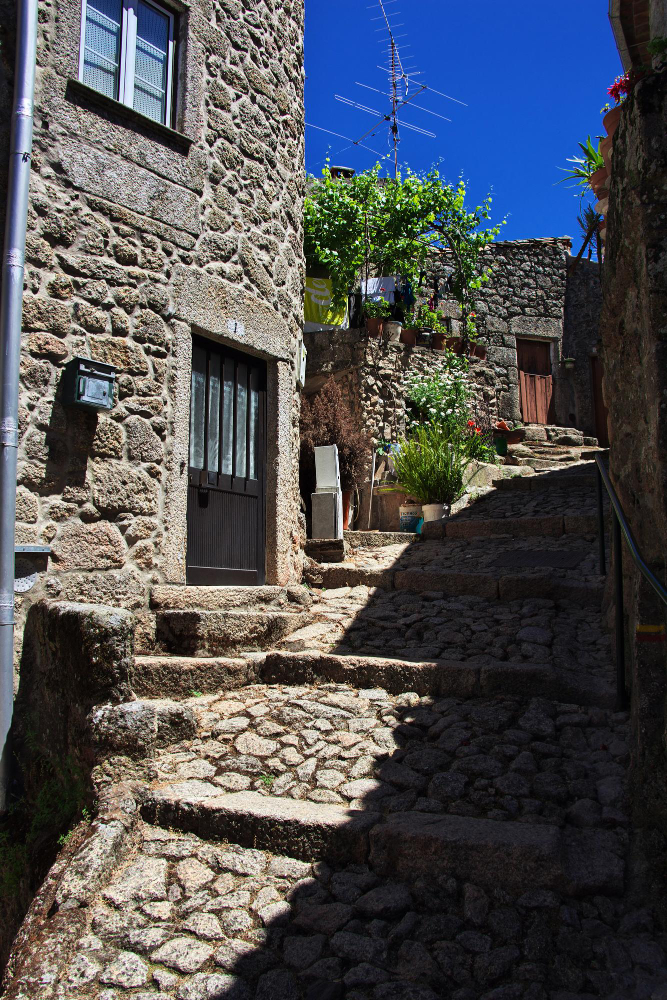
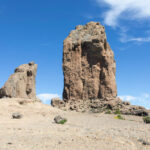
Location and Architecture: A Village of Stone – Monsanto is picturesquely situated on the slopes of the “Cabeço de Monsanto” rock, a granite mountain that towers over the village and shapes the landscape. This geological feature plays a central role in the village’s design and structure. Here, the houses seem to grow directly out of the massive rocks—a symbiosis between nature and human architecture that is unparalleled. Over the centuries, the buildings have been skillfully integrated into the granite blocks, allowing them to blend seamlessly into their surroundings. It almost seems as though the structures and nature here speak a common language. Particularly impressive are the traditional granite houses, which look like boulders stacked on top of one another as if by chance. The streets are narrow and uneven, and the path often winds through steep alleys that bear witness to the town’s history. When exploring Monsanto, one gets the feeling that time has stood still, and one is transported directly to a bygone era.
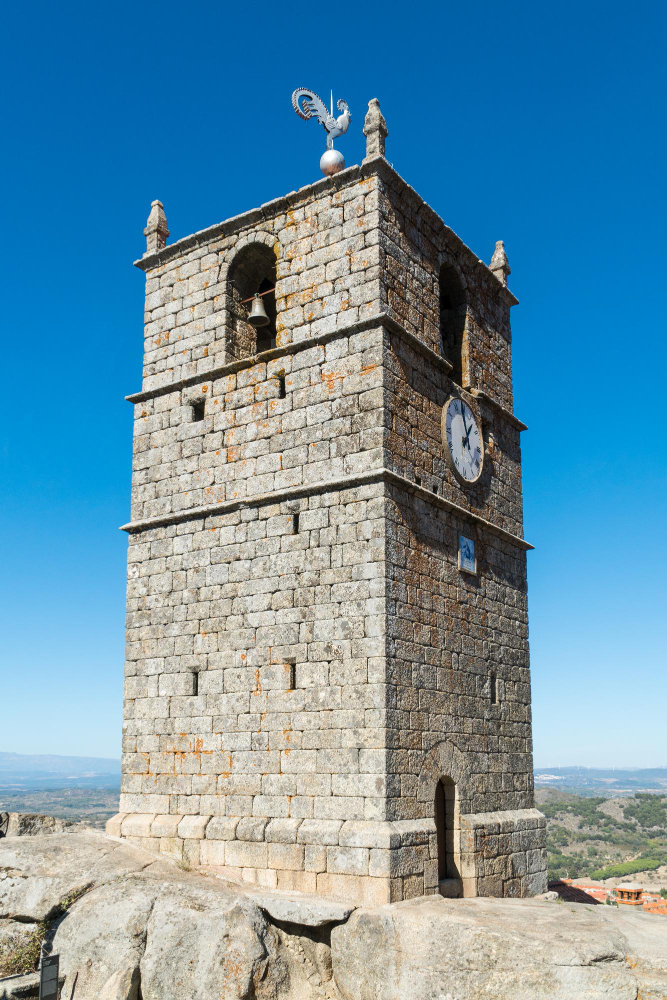
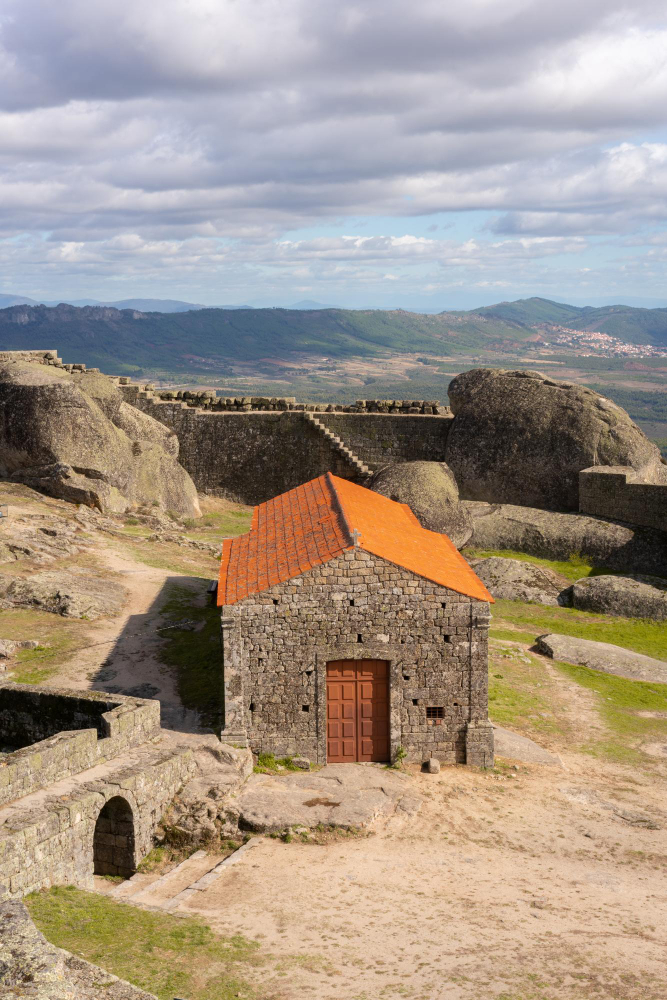
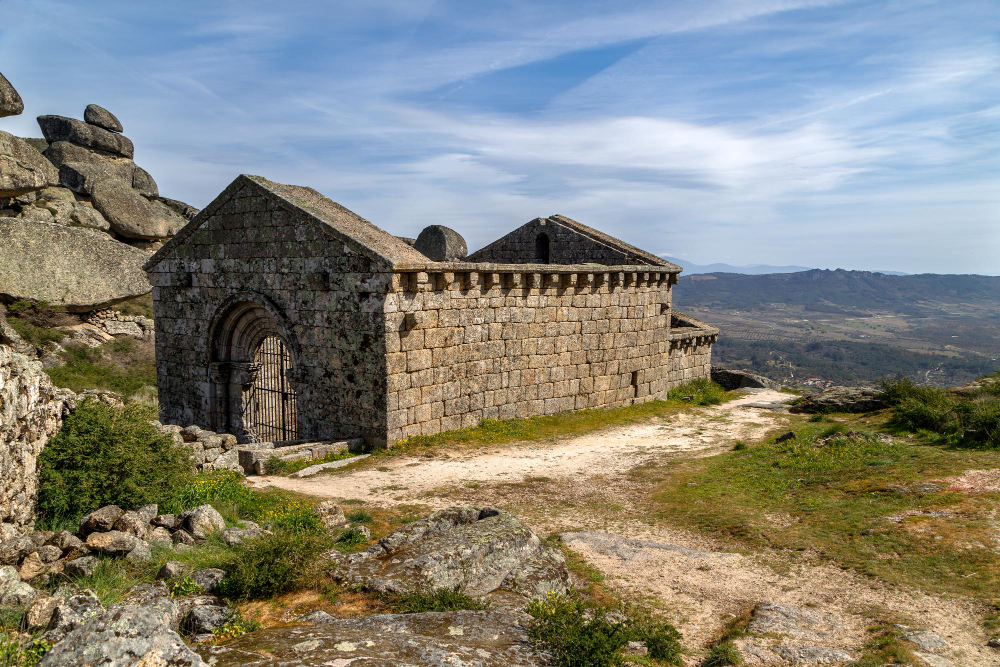
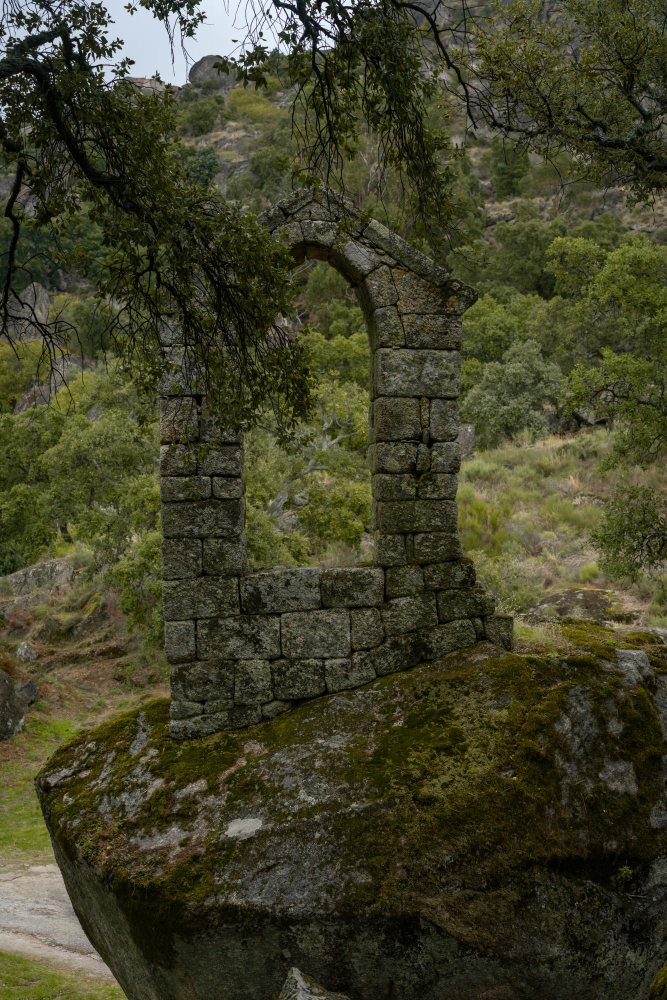
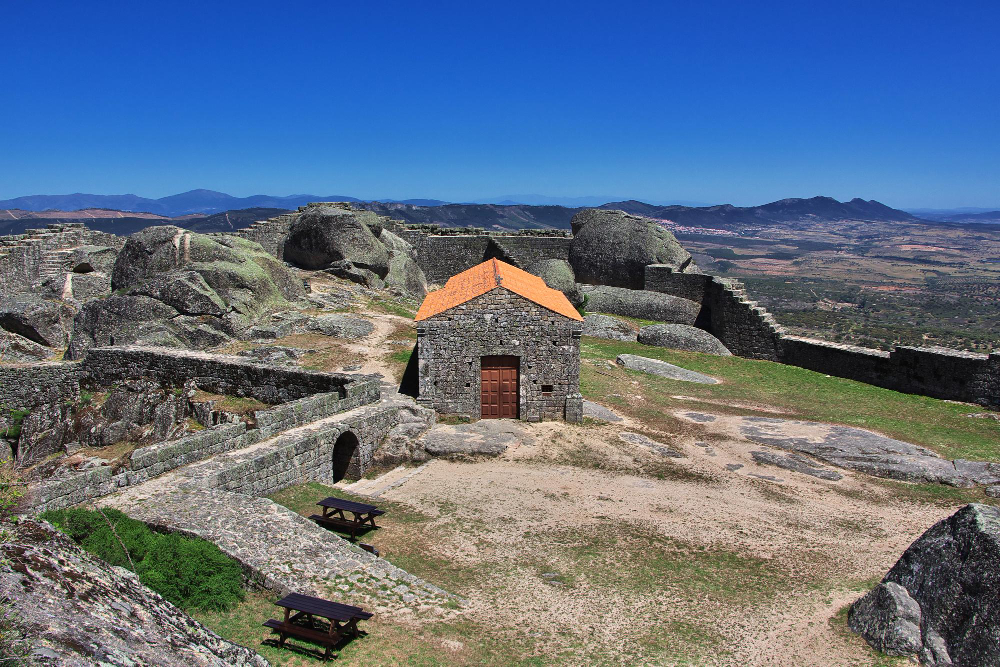
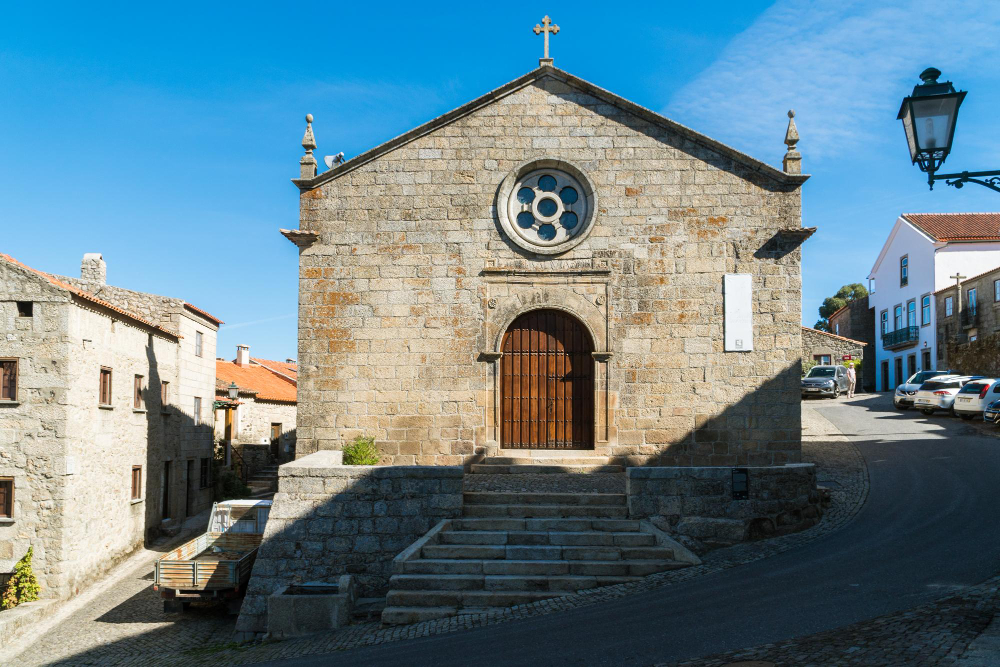
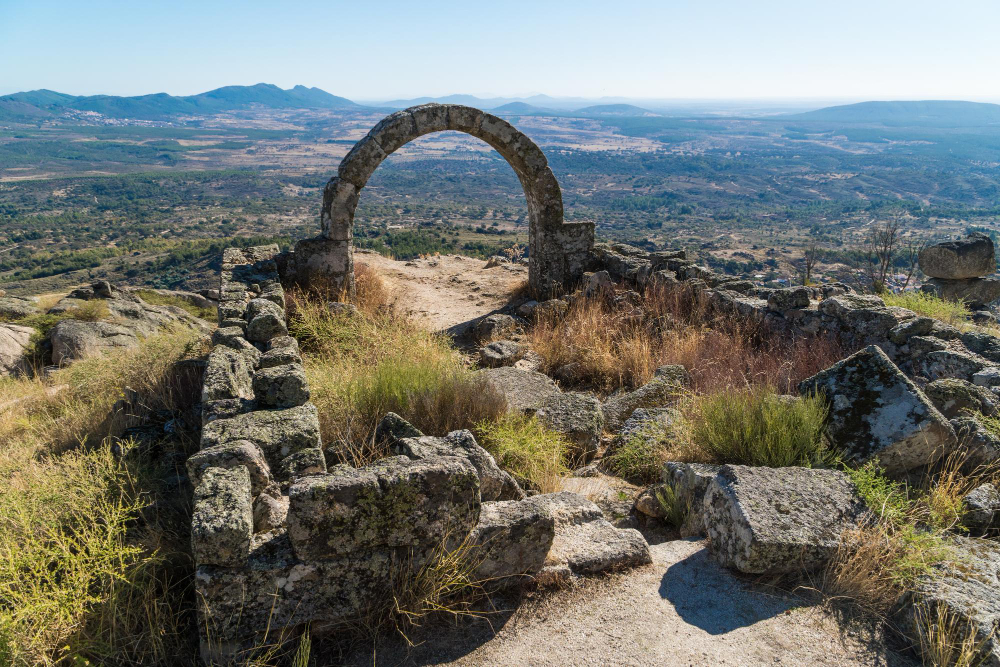
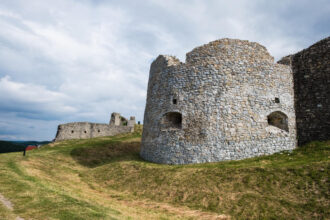
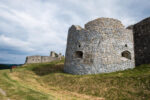
A Turbulent History – Monsanto looks back on a long history dating back to Roman times. Archaeological finds prove that the region was already settled in antiquity. Its strategic location on the mountain made Monsanto an important defensive stronghold. During the medieval Reconquista, it developed into a significant fortress. In the 12th century, the Portuguese King Afonso Henriques ceded the area to the Knights Templar, who built a castle there. This castle, which was repeatedly expanded and rebuilt over the centuries, is today one of Monsanto’s central historical landmarks. Unfortunately, only ruins remain of the original fortress, yet these tell the story of the military conflicts that shaped the region. Monsanto’s strategic importance persisted into the 17th century, when it was finally abandoned as a military outpost.
The “Rock of the Winds” – One of Monsanto’s most fascinating legends is the story of the “Rock of the Winds.” This name refers to the granite mountain that towers over the village and defies the forces of nature. It is said that the winds sweeping across the summit carry the voices of the ancestors. Some even claim that on stormy nights, the spirits of the Knights Templar—who once watched over this region—make themselves known. Hikers also report a strange, melancholic sound that seems to emanate from the rocks. This legend connects the residents of Monsanto to their surroundings in a special way. Traditional songs, passed down from generation to generation, take up the story of the speaking winds and lend it a poetic touch.
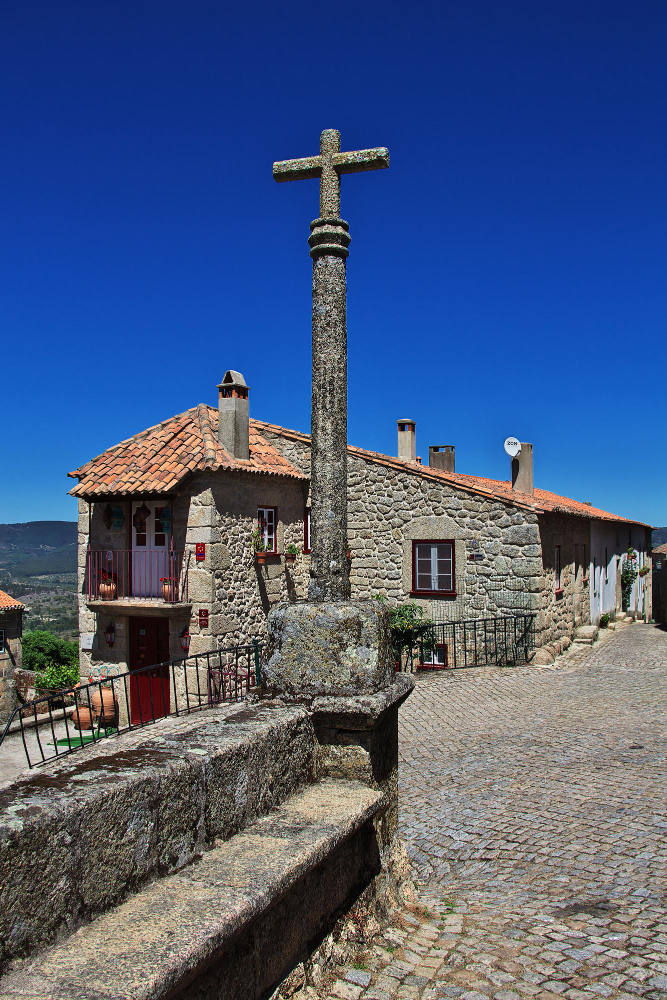
The Festival of the “Celebrating Jugs” – Another cultural highlight of Monsanto is the “Festa das Cruzes,” also known as the “Festival of the Celebrating Jugs.” This annual festival takes place in early May and has its origins in a legend from the Middle Ages. According to tradition, Monsanto was completely surrounded by enemies during a siege. Supplies were running low, and the villagers were on the verge of surrender. However, to deceive the besiegers, they organized a festival and threw their last remaining jug of grain over the fortress walls. The enemies then believed that Monsanto still had enough food and withdrew. Today, this triumphant moment is celebrated with processions, brass bands, and grand festivities. The residents wear traditional costumes and decorate jugs to commemorate the events and honor the strength and resilience of their ancestors. For visitors, this is an opportunity to delve deeper into Monsanto’s culture and history and get to know the village’s authentic community.
Culinary Delights and Artisanal Traditions – Although Monsanto is distinguished by its history and legends, it is not merely a place of the past. The culinary traditions cultivated here are closely tied to the region’s geographical and climatic conditions. Rustic bread dishes, hearty stews, and locally produced cheese are just a few examples that will make a foodie’s heart sing. In addition, Monsanto is known for its arts and crafts. Many villagers still produce handmade textiles, ceramics, and wood carvings, often inspired by the unique shapes of the granite rocks. Anyone looking for souvenirs is sure to find something here and can take home a piece of the culture deeply rooted in this place.
The title “Portugal’s Most Typical Village” – In 1938, Monsanto was officially declared “Portugal’s Most Typical Village.” This occurred as part of a national competition seeking the most authentic expression of Portuguese traditions. To this day, Monsanto proudly bears this title, as it impressively embodies the connection between nature, history, and culture. Even in the age of globalization, it has preserved its character and identity, which many visitors find particularly inspiring.
Monsanto is far more than just an idyllic village in Portugal. It tells stories of courage and resistance, of myths and legends, and of a close connection between people and nature. The granite cliffs that define this village are not only symbols of strength but also witnesses to a turbulent past. The legends born here live on in the song lyrics, festivals, and stories of the locals. Visitors to Monsanto immerse themselves in a world that harmoniously blends modernity and tradition. It is a place where the past comes alive and the dust of history never quite settles. Whether you’re interested in history, seeking adventure, or simply want to enjoy the beauty of an extraordinary place—Monsanto leaves no one untouched.