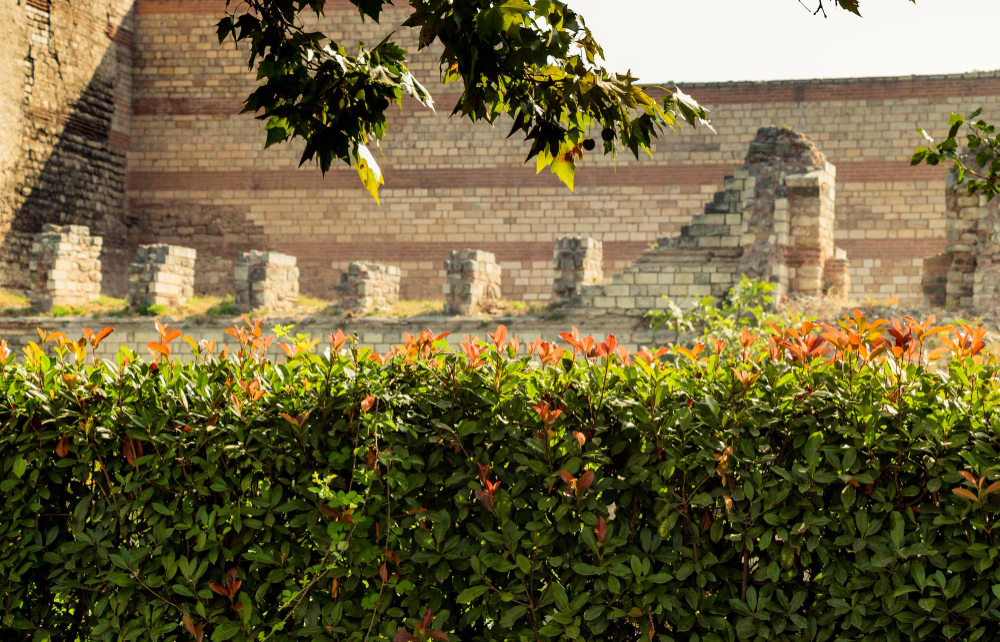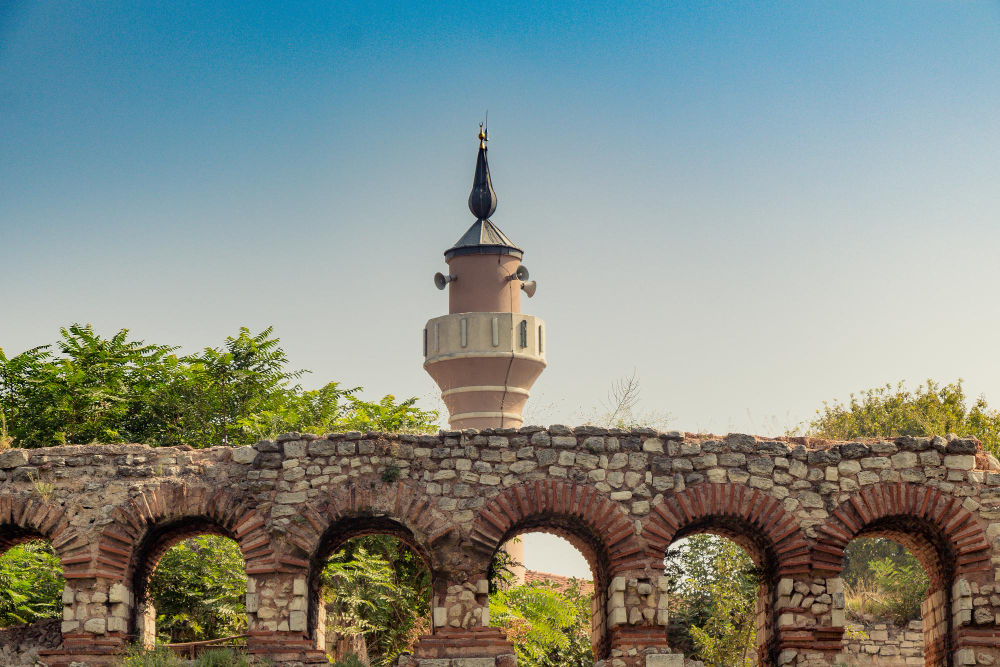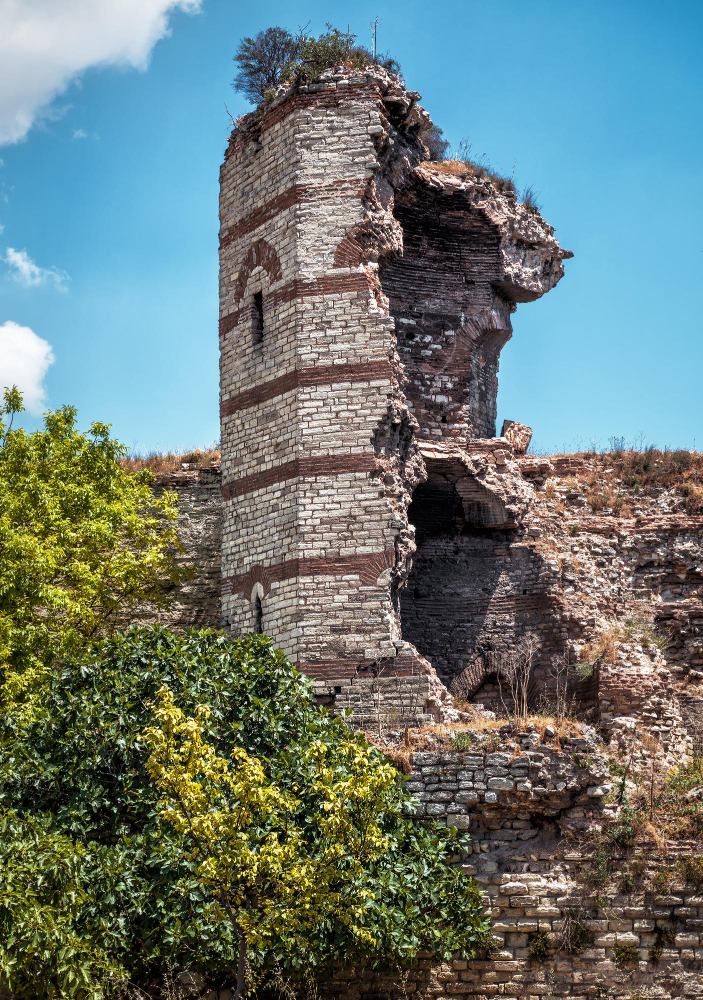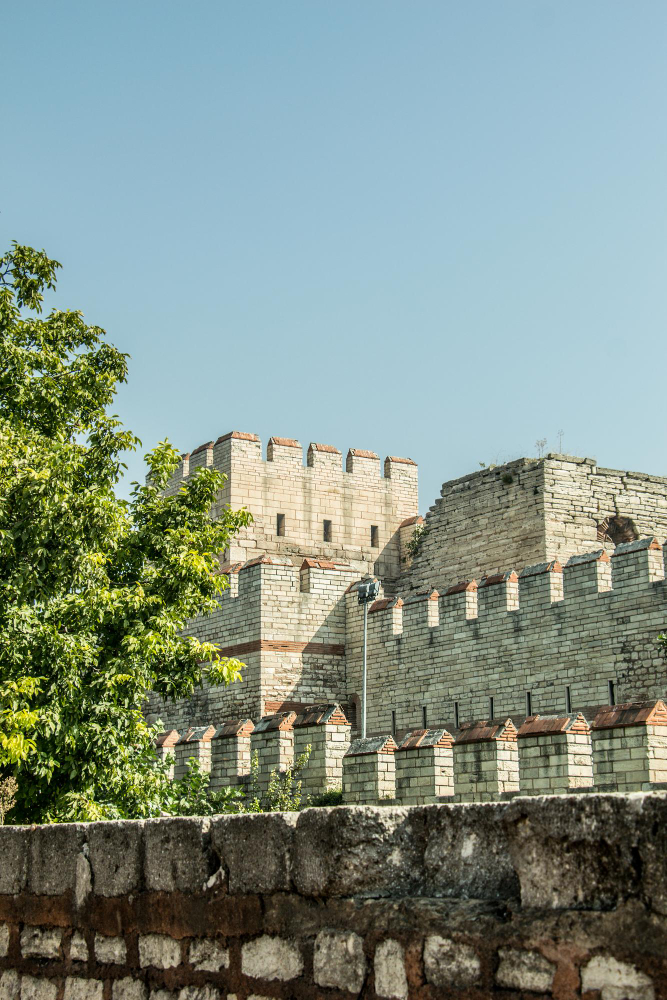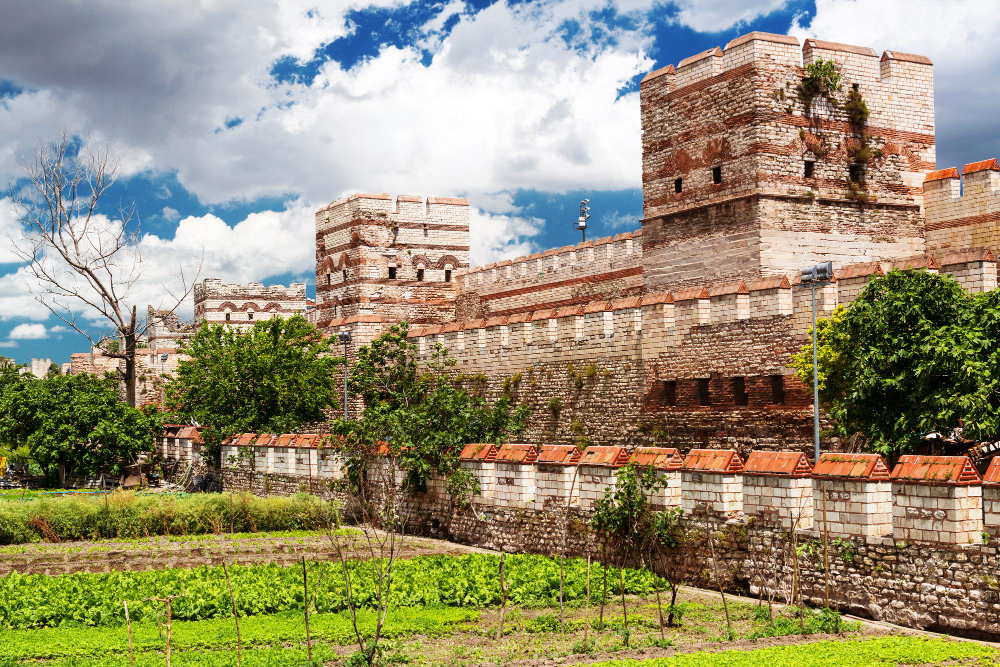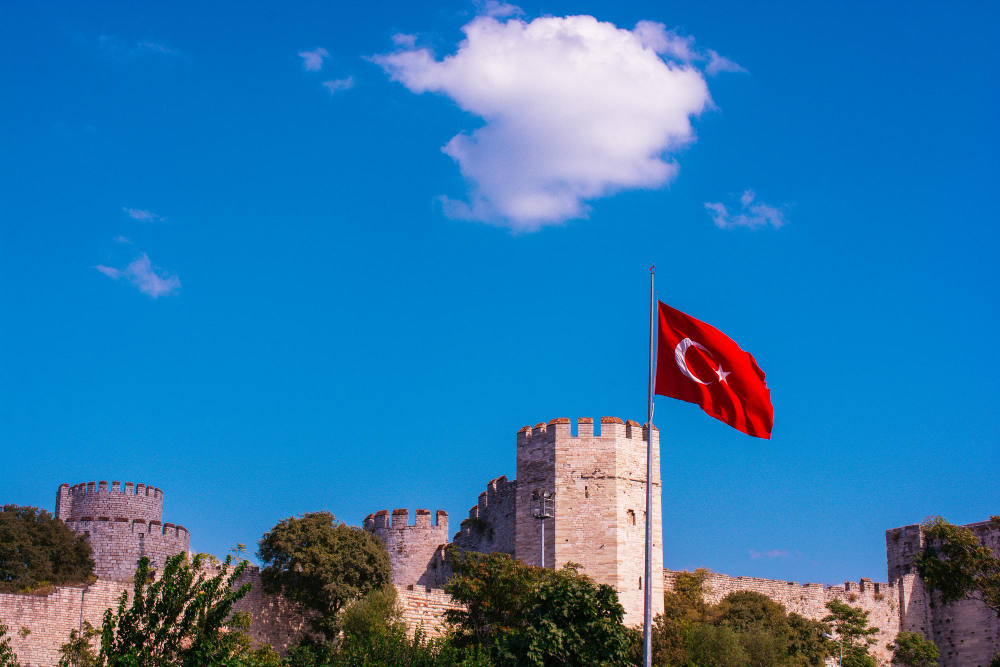
The Walls of Constantinople, an imposing structure with a history stretching back over a thousand years, symbolise the power and influence of the Byzantine Empire. Regarded as one of the most advanced defensive structures of their time, they are considered an architectural marvel that impresses both through its sheer scale and its ingenious construction. Over the centuries, these walls provided protection against countless sieges and played a decisive role in maintaining the rule of the Byzantine Empire. But how were these walls built? What legends surround them, and why are they still so significant today? A closer look at their history reveals fascinating details and unexpected secrets.
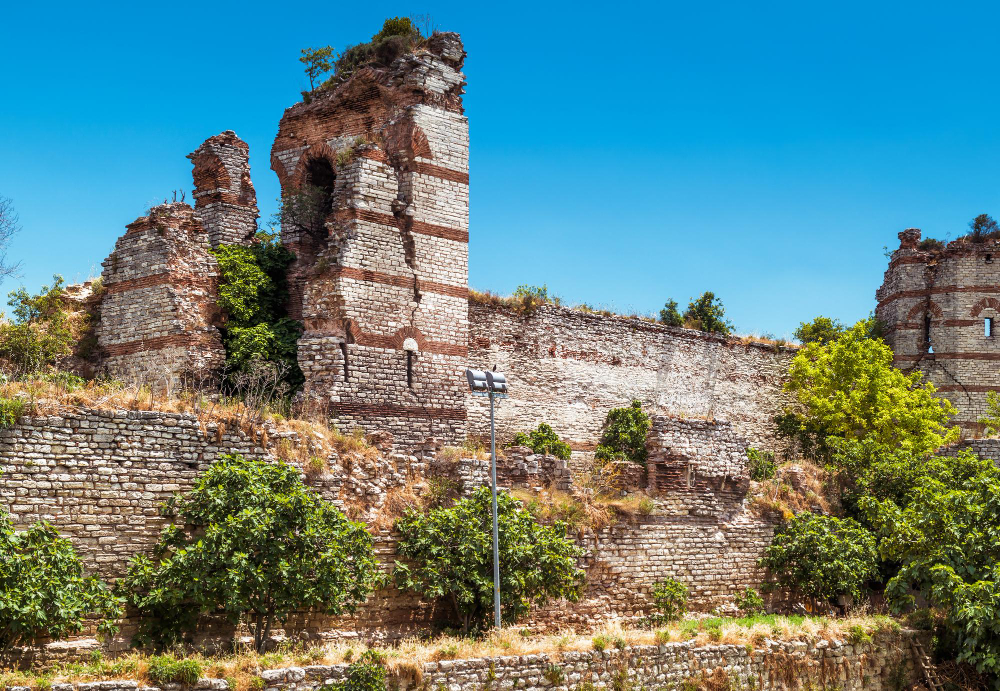
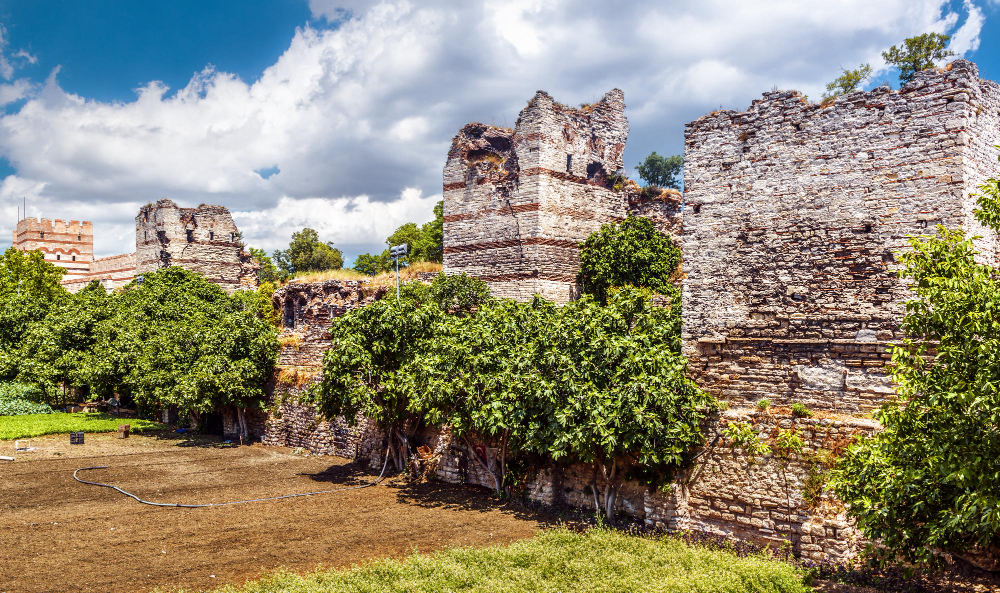
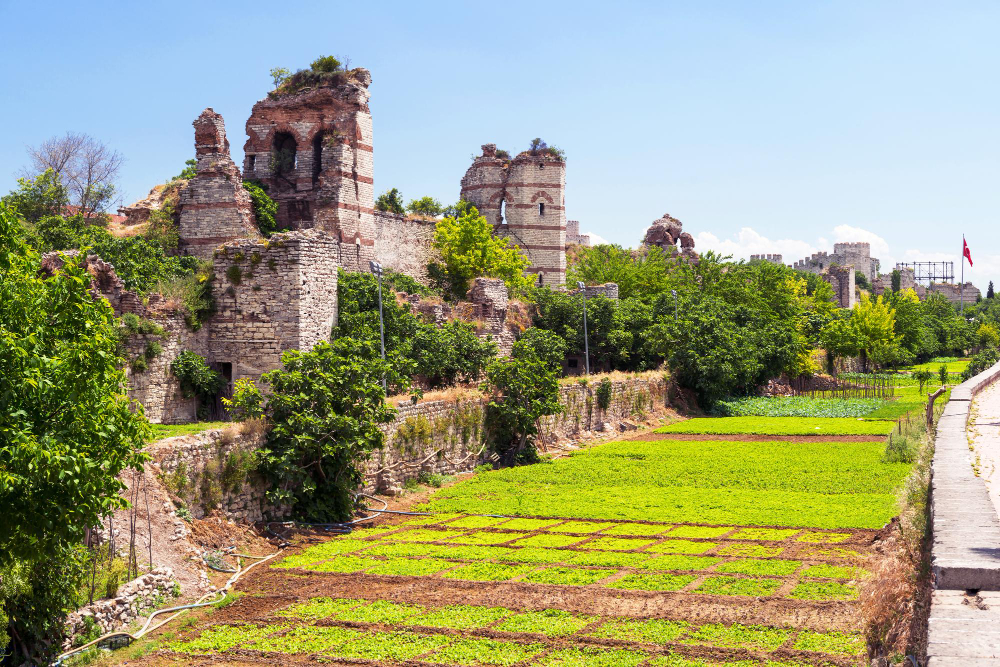
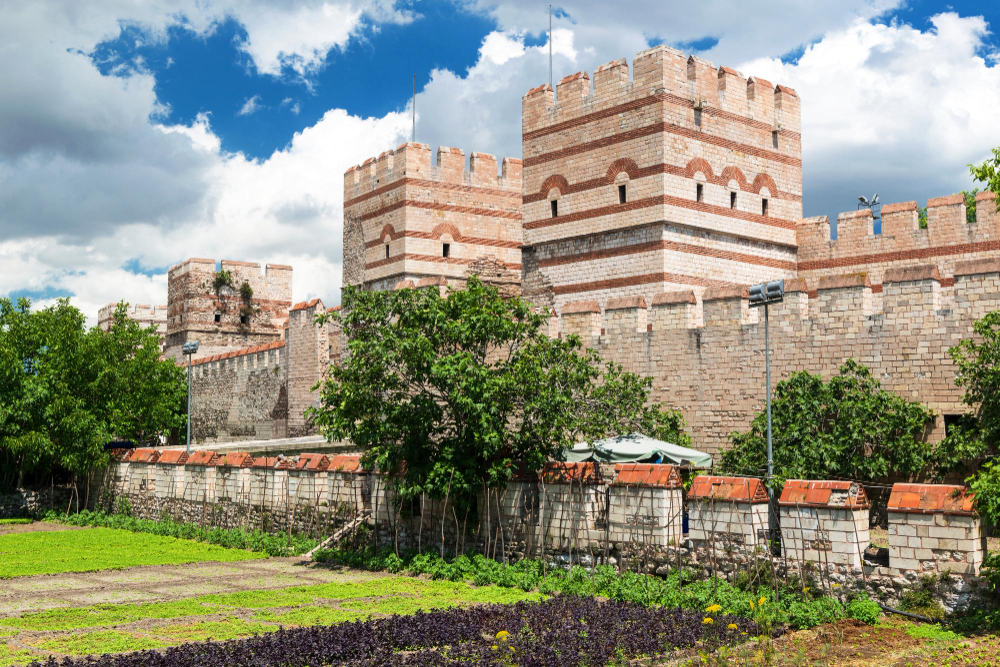
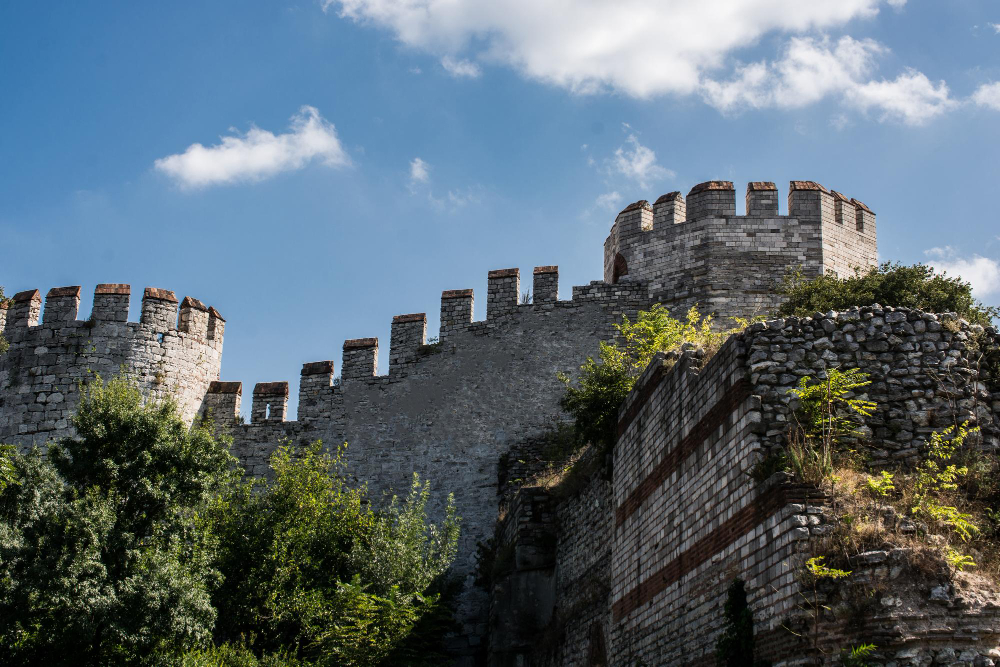
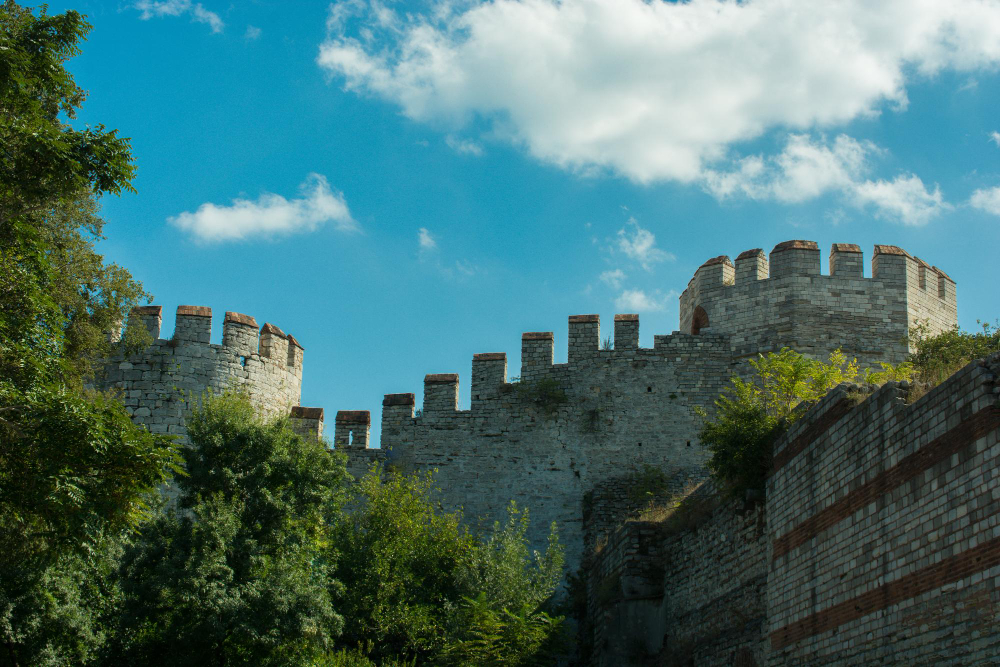
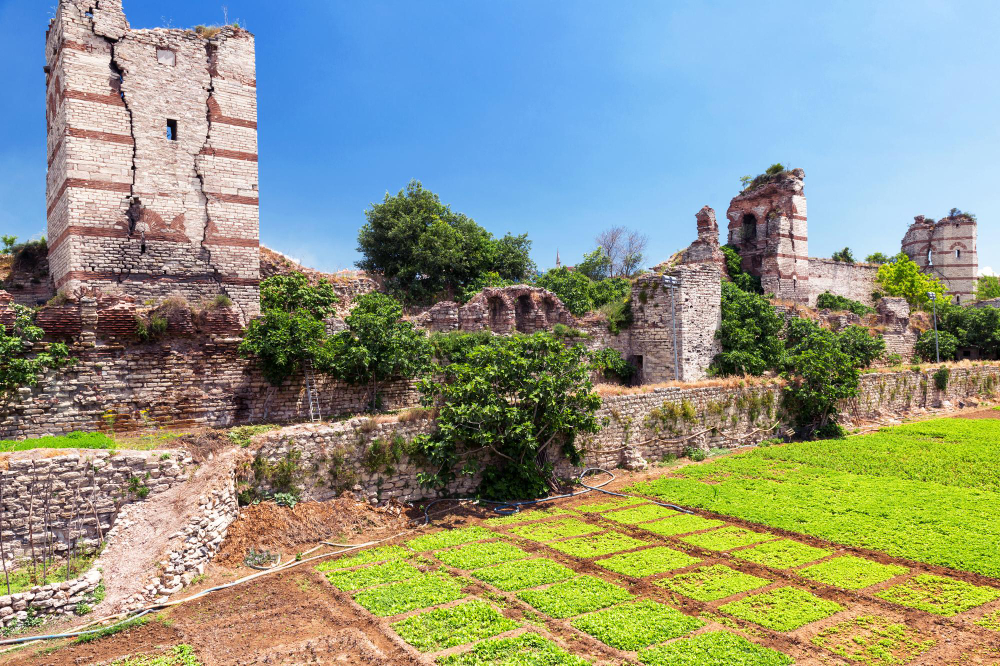
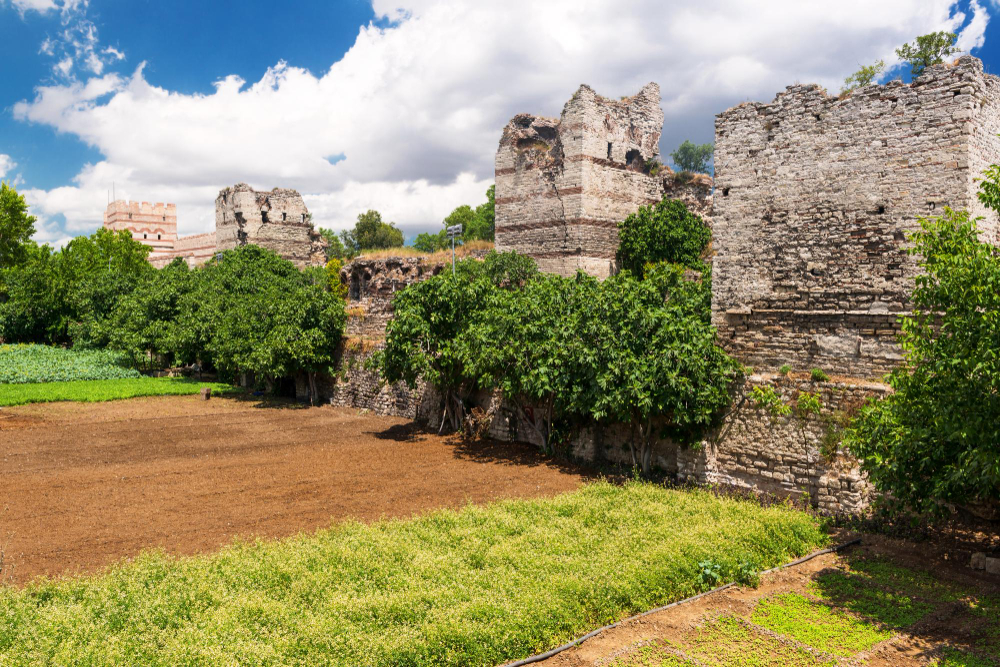
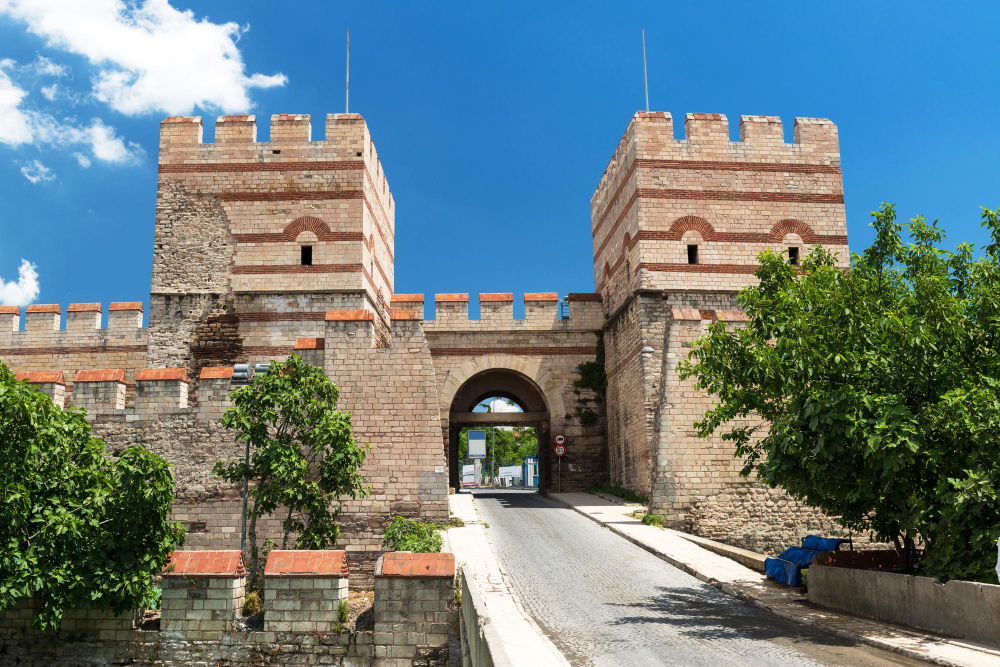
The Creation of an Impregnable Fortress – The origins of the walls date back to late antiquity, when Emperor Constantine I designated the city of Byzantium as the new capital of the Roman Empire in 330 AD and renamed it ‘Constantinople’. However, the original defensive ring, erected under Constantine’s reign, was far smaller than the later monumental structures. In 413 AD, Emperor Theodosius II ordered the construction of a second, significantly larger line of defence. These ‘Theodosian Walls’, as they are known today, stretched for seven kilometres from the coast of the Sea of Marmara to the Golden Horn. This impressive defensive system consisted of three main layers: an outer wall, a deep moat and a massive inner wall. The structure was complemented by tall towers erected at regular intervals. These towers enabled archers to repel attackers effectively, whilst the double walls enclosed invading enemies. Such a sophisticated design was virtually unrivalled at the time and made Constantinople one of the best-protected cities in the world.
The Legend of Invincibility – The Theodosian Walls quickly gained a reputation for being virtually impregnable. Many historians and chroniclers describe the walls’ impressive track record: between the 5th and 15th centuries, they withstood numerous besiegers, from the Huns under Attila to Arab and Bulgarian troops. Particularly famous is the siege by the Avars and Sassanids in 626, which failed despite intense attacks on the walls.
However, it was not only military strength but also legends and myths that contributed to the walls’ reputation. One particularly well-known legend tells of an angel who appeared during a siege and helped the defenders to protect the city. Stories such as these strengthened the population’s belief in divine providence and the invulnerability of their city.
The Fall of Constantinople: The End of an Era – Nevertheless, even the seemingly impregnable walls were ultimately to fall. On 29 May 1453, the Ottoman troops under Sultan Mehmed II succeeded in capturing Constantinople. This marked the end of the Byzantine Empire and the beginning of a new era under Ottoman rule. The key to the Ottomans’ success lay in their superior siege techniques. They deployed massive cannons capable of damaging the Theodosian Walls in a way that no attacker had ever managed before. In particular, the so-called ‘Great Turkish Cannon’, a masterpiece of Ottoman engineering, played a decisive role. The strategic combination of artillery fire and a final assault ultimately shattered the long-standing myth of the city’s impregnability. The fall of Constantinople and the rise of the Ottoman Empire to the status of a major imperial power mark not only a turning point in European history, but also the end of the Middle Ages.
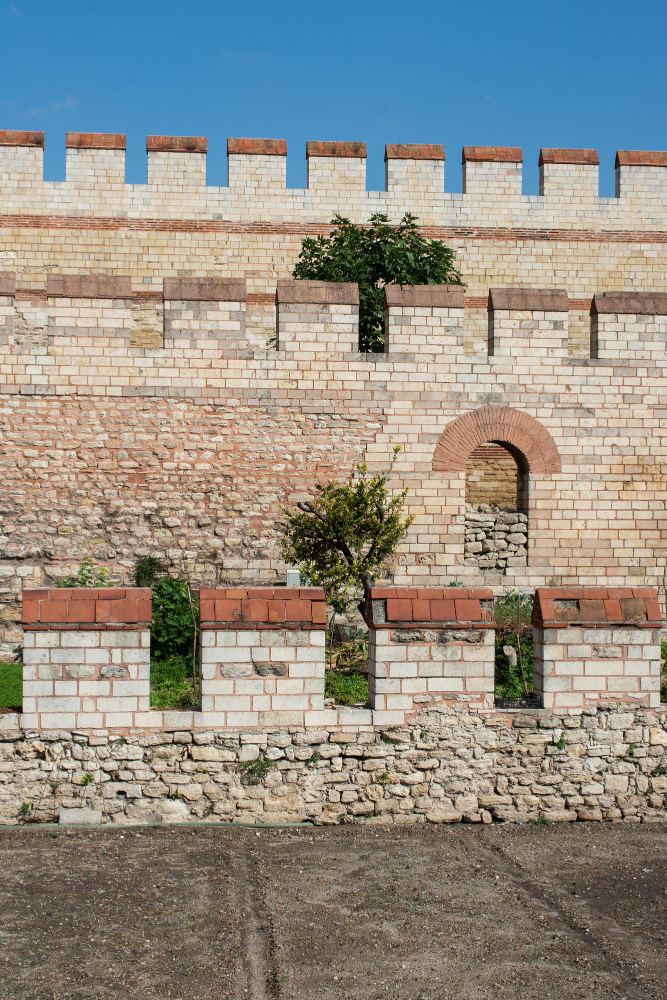
Architecture and Technology: A Masterpiece of its Time – The city walls of Constantinople were distinguished not only by their sheer size but also by their technical sophistication. The outer moat, approximately 20 metres wide, formed the first line of defence. This moat could also be flooded if necessary, which made attacks even more difficult. Behind this lay the outer wall, up to eight metres high, followed by the main wall, which was up to twelve metres high in places. A remarkable feature of the city walls was how quickly they could be repaired. In times of peace, specialised construction teams kept materials on hand to close any gaps that might arise in the shortest possible time. Many of the techniques employed, such as the use of bricks and lime mortar, were far ahead of their time and contributed to the longevity of these immense structures. In addition, there were strategically placed gates, such as the famous Golden Gate, which served as the main entrance for imperial processions. At the same time, inconspicuous side gates were built into the walls, which served as secret entrances and exits in times of war.
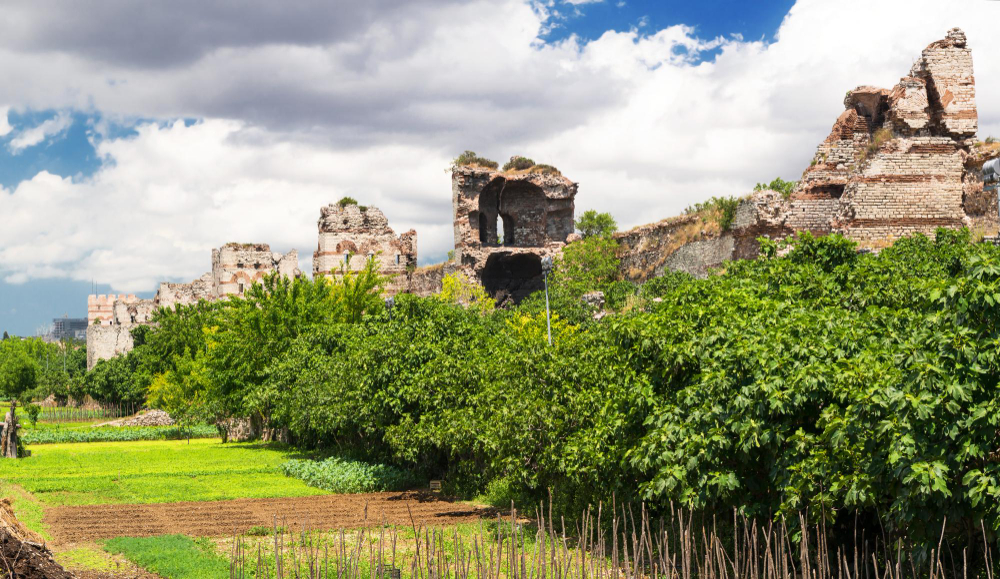
Preservation and Significance Today – Although the Walls of Constantinople are no longer preserved in their full splendour, they remain a symbol of the city’s glorious past to this day. In modern-day Istanbul, restored sections of the walls serve as a reminder of times gone by and attract numerous tourists every year. Efforts to restore the walls began as early as the 19th century, but were only intensified following the founding of the Republic of Turkey. Today, the walls are a UNESCO World Heritage Site and are regarded as one of the city’s most significant historical monuments. Nevertheless, archaeologists and historians are striving to preserve these landmarks from decay and neglect.
An enduring legacy – The Walls of Constantinople stand as a striking testament to how ancient engineering and strategic thinking have shaped history. Their overwhelming presence, which withstood numerous sieges, and their role in the rise and fall of great empires make them a unique monument to world history. Thanks to extensive archaeological research and restoration work, these walls remain not only a symbol of Constantinople’s past splendour, but also a monument to the resilience and innovative spirit of past cultures. Visitors strolling along the walls today can almost feel the history of this unique structure – an invitation to follow in the footsteps of those who once sought refuge behind these walls or laid siege to them.