In the heart of the Hauts-de-France region lies Pierrefonds, a picturesque French village rich in centuries-old legacies, mythical tales, and whispers of times past. With a modest population of 1,877, Pierrefonds may at first glance appear to be just another picturesque settlement. But its rich history and traditions will captivate any visitor or reader.
Ancient foundations and Gallo-Roman heritage – Pierrefonds is located on the edge of the Compiègne Forest and borders the Aisne department, just 14 kilometers southeast of Compiègne. This location is significant because the area was once part of a larger Gallo-Roman settlement. Archaeological finds on Mont Berny bear witness to the remains of ancient societies that flourished here, strategically located at the crossroads of Roman roads connecting Soissons via Champlieu and Compiègne via the ford with Beauvais. These roads were important transport and trade routes during Roman times.
The lush forest of Compiègne, which now surrounds Pierrefonds, was in ancient times the edge of a marshland that marked the western border of the Gallic Suessiones territory.
This forest, witness to countless historical events, gives Pierrefonds an air of mystery and reverence, making it not only a natural paradise but also a cradle of ancient civilizations.
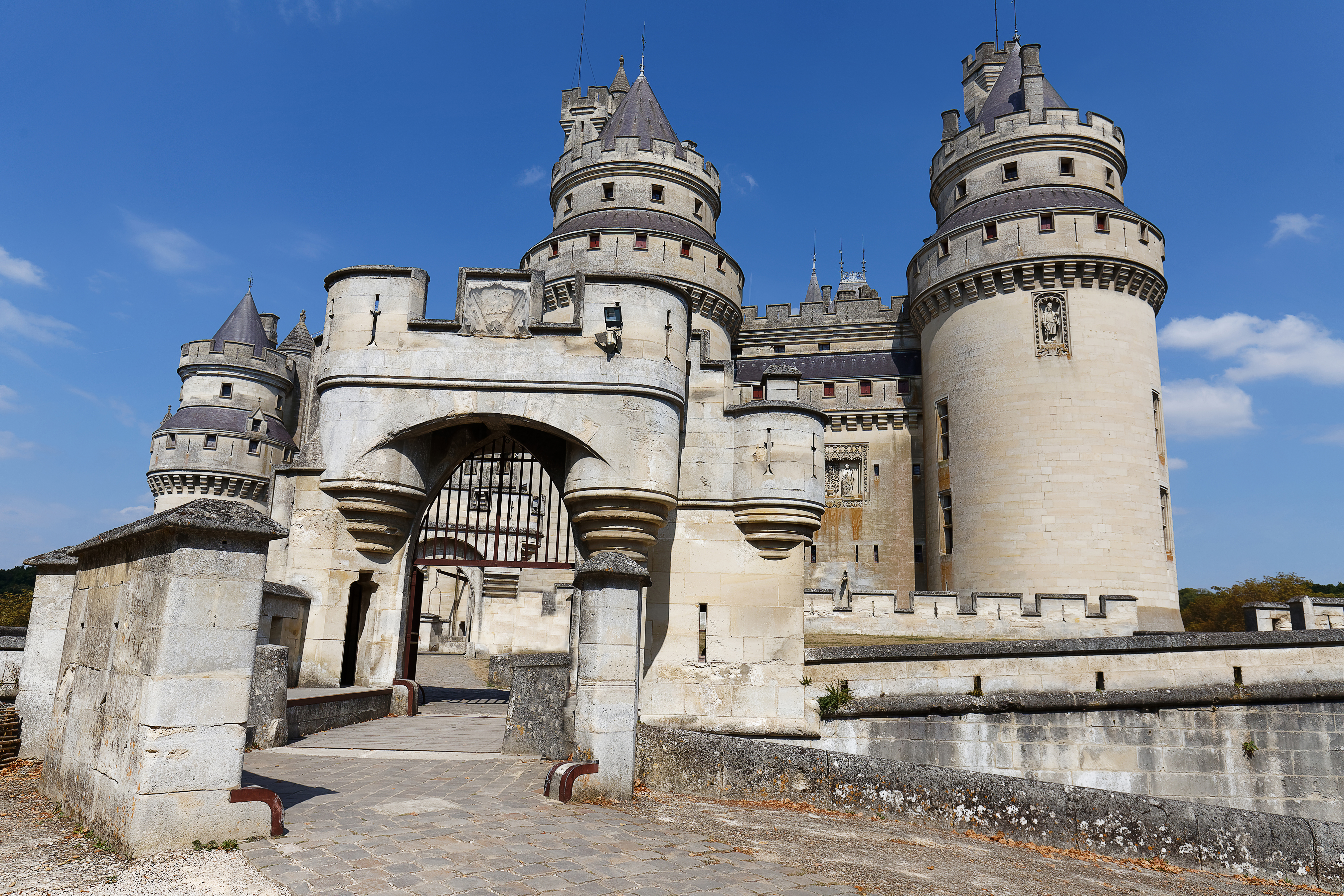
Medieval fortifications and royal feuds – The history of Pierrefonds is closely linked to its remarkable castle. The original fortress, built in the 10th century, was destroyed but rebuilt in the 11th century under the leadership of Nivelon I († around 1072). The new castle, built further west on a hill near the forest, was a monumental testament to medieval architecture. At its feet, the village began to sprout and steadily developed into a thriving community.
Pierrefonds’ importance skyrocketed in the Middle Ages. It became the largest of six castle lordships within the county of Valois.
The dominion of Pierrefonds extended over vast wooded areas, now known as the Forêt de Cuise, and included regions such as Retz, Chelles, Couloisy, Croutoy, Haute-Fontaine, Jaulzy, Saint-Etienne, Retheuil, Montigny-Langrain, Taillefontaine, Mortefontaine, and beyond. Each of these places contributes a unique chapter to the magnificent history of Pierrefonds.
The impressive presence of the castle did not go unnoticed by the royal family. In 1616, King Louis XIII ordered the siege of Pierrefonds under the leadership of Charles de Valois, Duke of Angoulême. The successful conquest of the fortress culminated in Cardinal Richelieu ordering its demolition.
The ruins left behind stood as melancholic witnesses to the turbulent power struggles of that time.
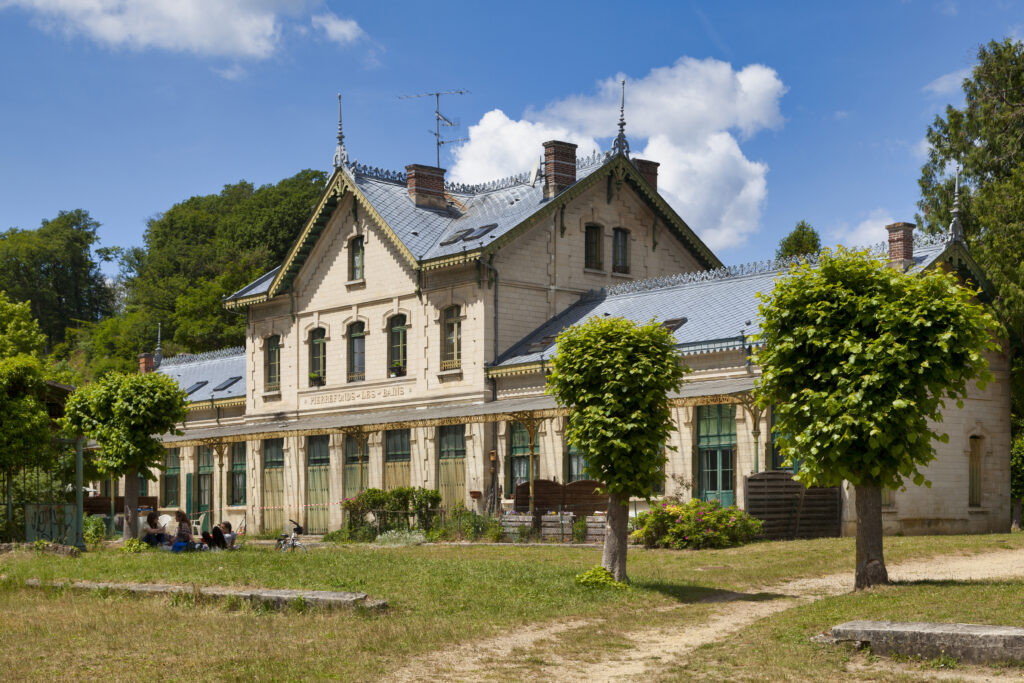
A renaissance and a royal retreat – During the Second Empire, Pierrefonds experienced a kind of renaissance. During this period, the village developed into Pierrefonds-les-Bains, a renowned spa resort that attracted visitors seeking the therapeutic effects of its waters. At the same time, the ruins of the old castle caught the attention of Napoleon III, who commissioned the renowned architect Eugène Viollet-le-Duc to rebuild the castle. This revitalization transformed the castle into a marvel of neo-Gothic architecture, ensuring its survival through the centuries and cementing its status as Pierrefonds’ crowning glory.
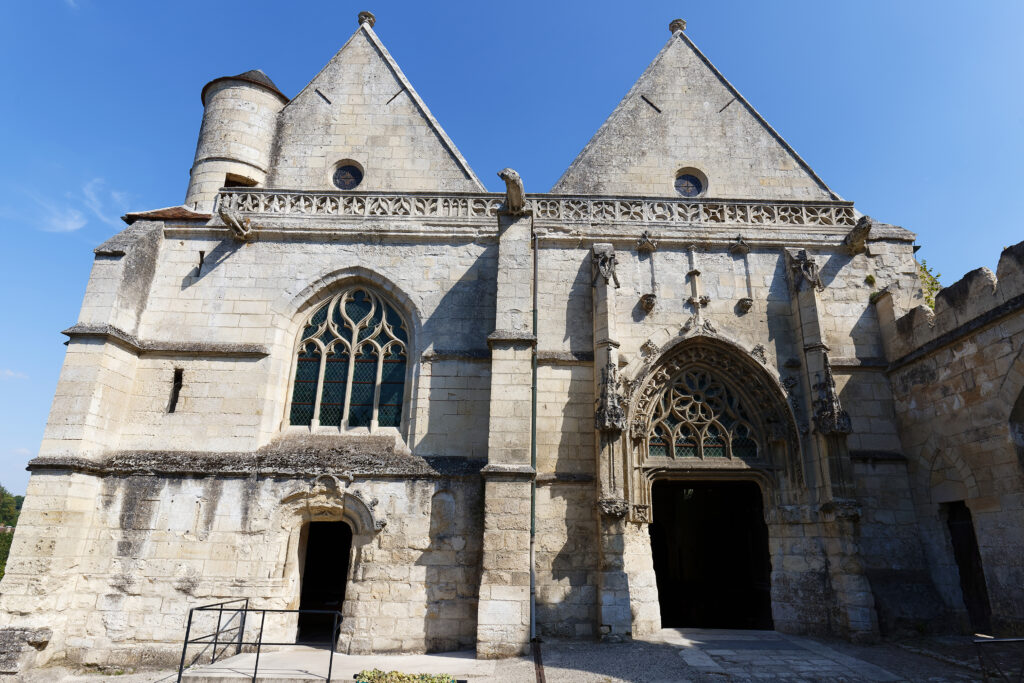
Today, Pierrefonds Castle is both a historical monument and a beacon of cultural heritage. Its imposing towers, elaborate stonework, and history-steeped halls attract tourists from all over the world who want to immerse themselves in the legends and history enclosed within its walls.
Myths and legends: unraveling the mystery – Beyond its obvious historical significance, Pierrefonds is also a realm of myths and legends. Stories of romance, chivalry, and hauntings echo through the castle’s corridors. One such legend tells of the ghostly figure of a white lady who is said to wander the castle grounds, mourning her lost love.
This ghostly apparition has fascinated many and inspired stories, speculation, and ghost hunts.
Furthermore, the castle’s connection to the Arthurian legends lends it an additional mystical touch. Some believe it to be the site of Camelot, the legendary court of King Arthur and his Knights of the Round Table. Although the historical accuracy remains controversial, the fascination of such legends continues to attract lovers of mythology and medieval lore.
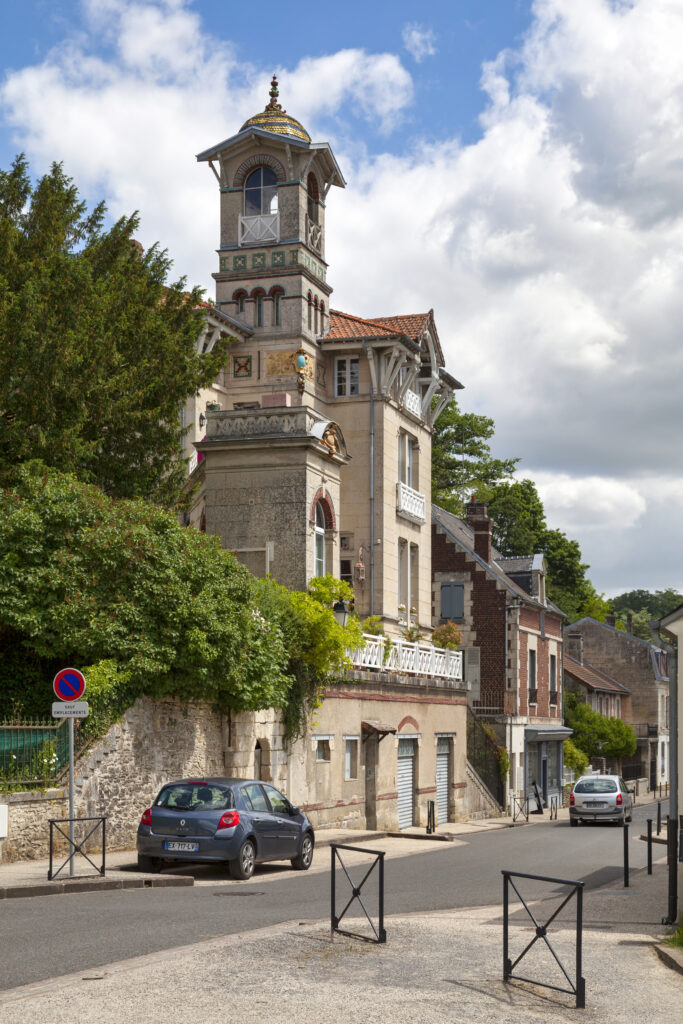
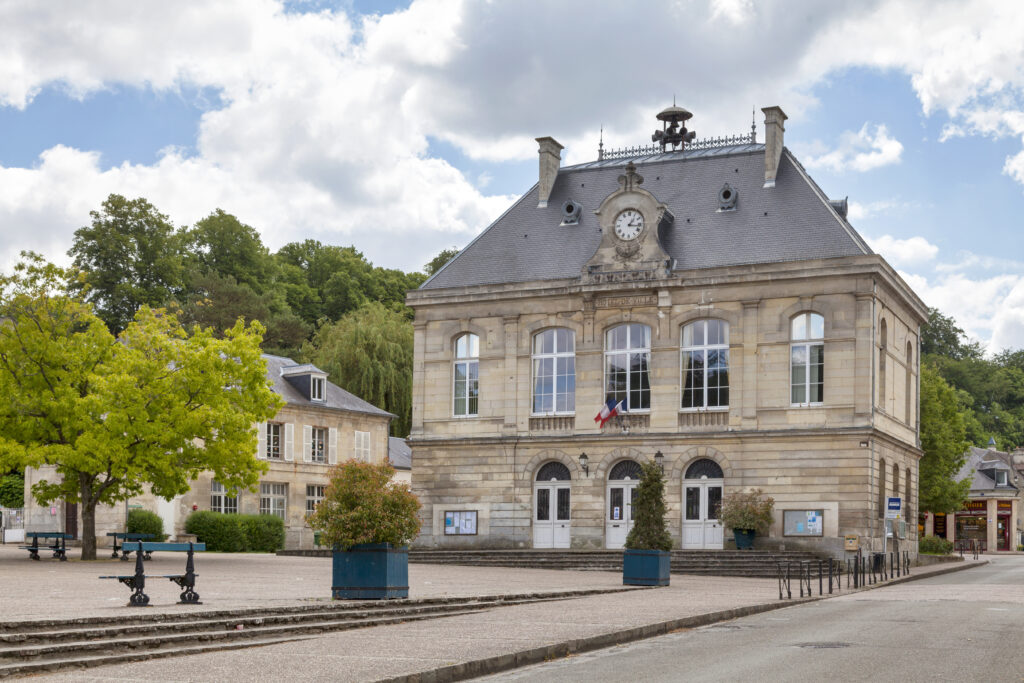
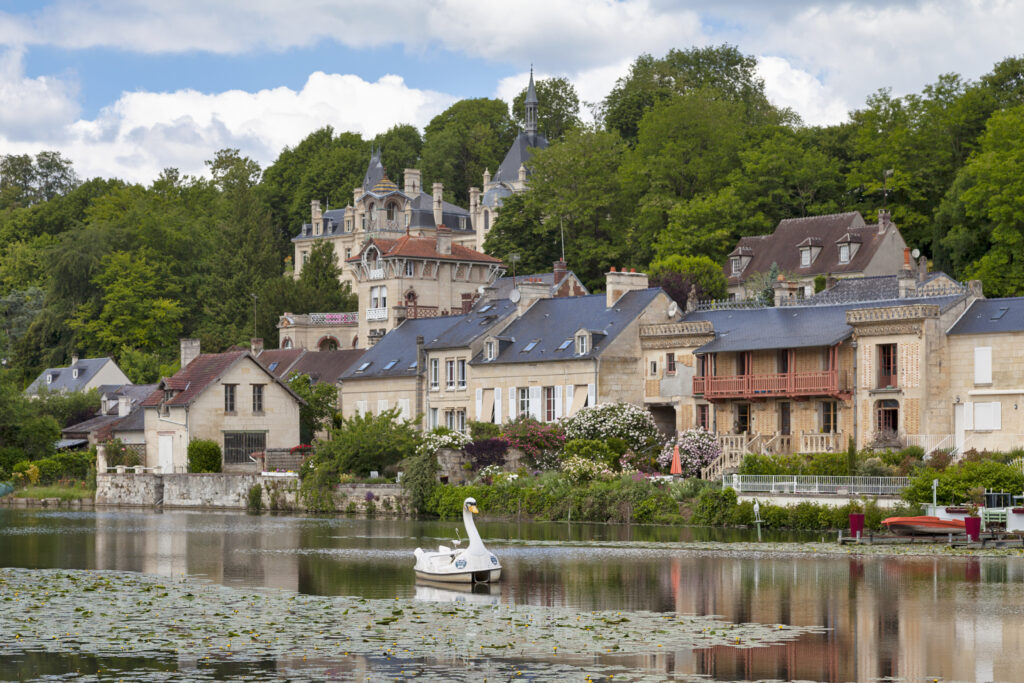
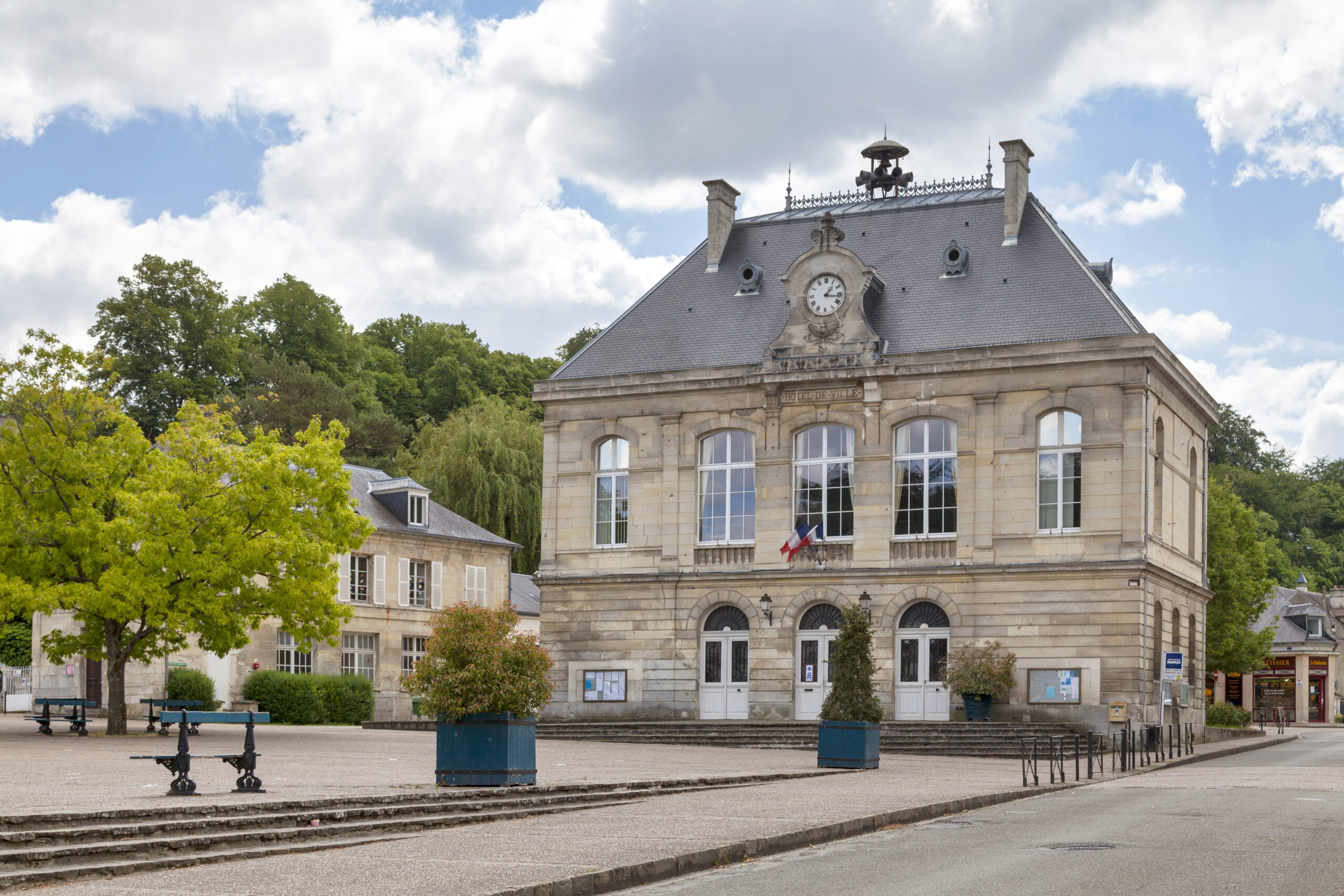
The modern village: A harmonious blend of past and present – Today’s Pierrefonds is a harmonious blend of its illustrious past and its vibrant present. The village’s idyllic streets, lined with charming houses and local shops, reflect a peaceful coexistence with the splendor of its medieval heart. Residents and visitors alike enjoy the cultural richness and participate in annual festivals, markets, and events that celebrate the village’s heritage.
The regional infrastructure supports a thriving community, with modern amenities discreetly complementing the historic ambience. From exploring the enchanting forest trails to immersing yourself in the local gastronomy, Pierrefonds offers a holistic experience that caters to a wide range of interests.
An invitation to discover Pierrefonds – Pierrefonds is much more than just a dot on the map; it is a living mosaic of history, myth, and culture. Its history is closely interwoven with time, touching on ancient civilizations, medieval intrigues, and modern renovations. Whether you are a history buff, a lover of legends, or a seeker of tranquil landscapes, Pierrefonds welcomes you with open arms.
As the sun sets behind the majestic castle and bathes the village in amber light, you can almost hear the whispers of knights, kings, and mythical creatures. Pierrefonds invites you to stroll through its streets, explore its secrets, and become part of its enduring saga.
At every turn, there is a story waiting to be told, a secret waiting to be revealed, and a piece of history waiting to be discovered.So come and experience Pierrefonds—where myths meet reality and the past dances with the present.