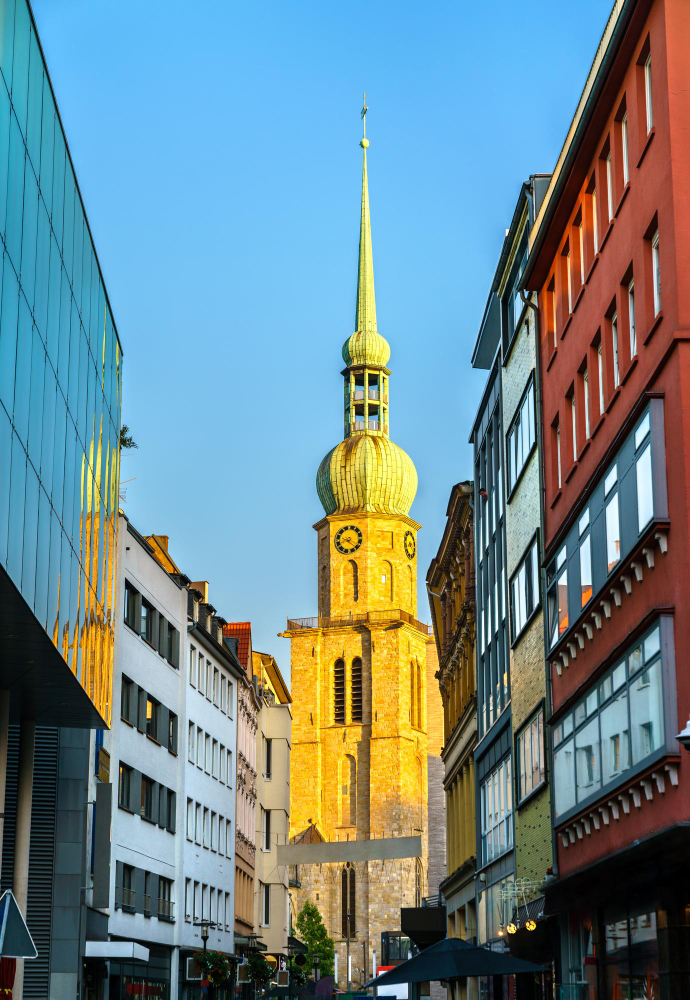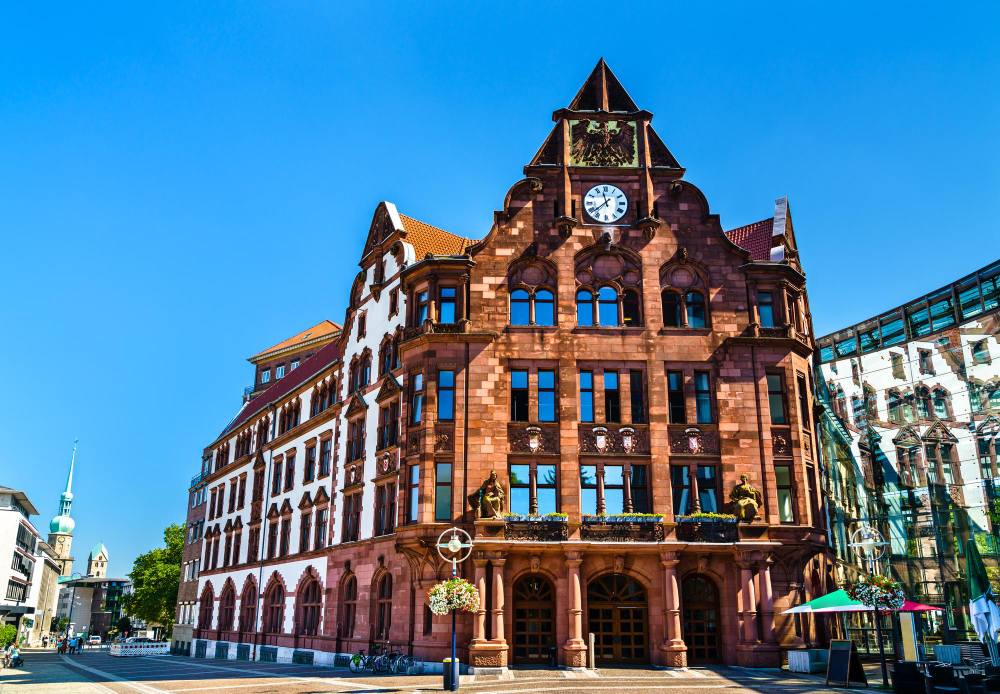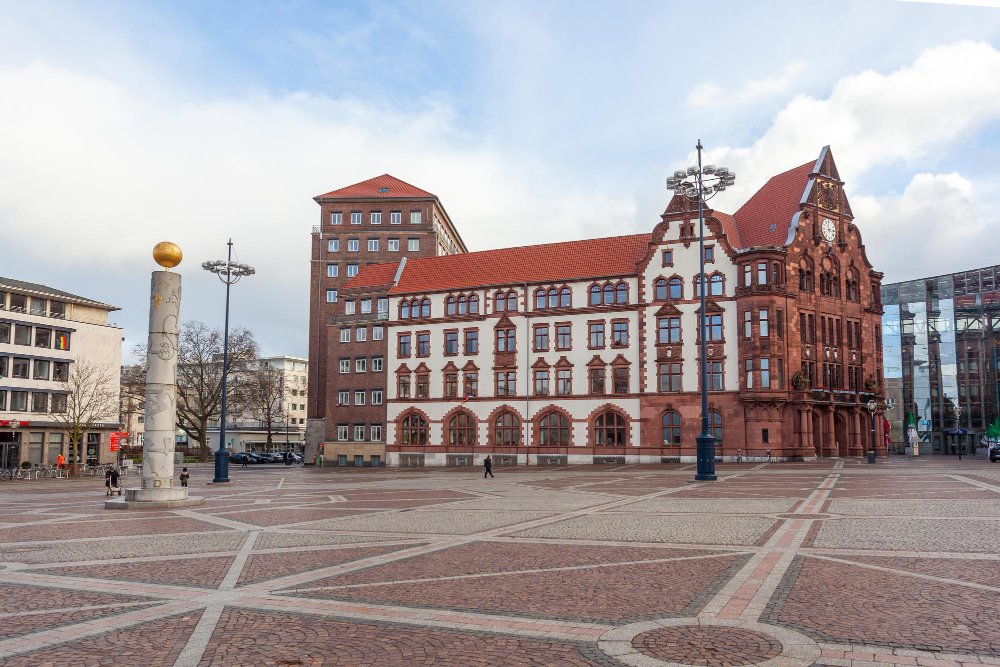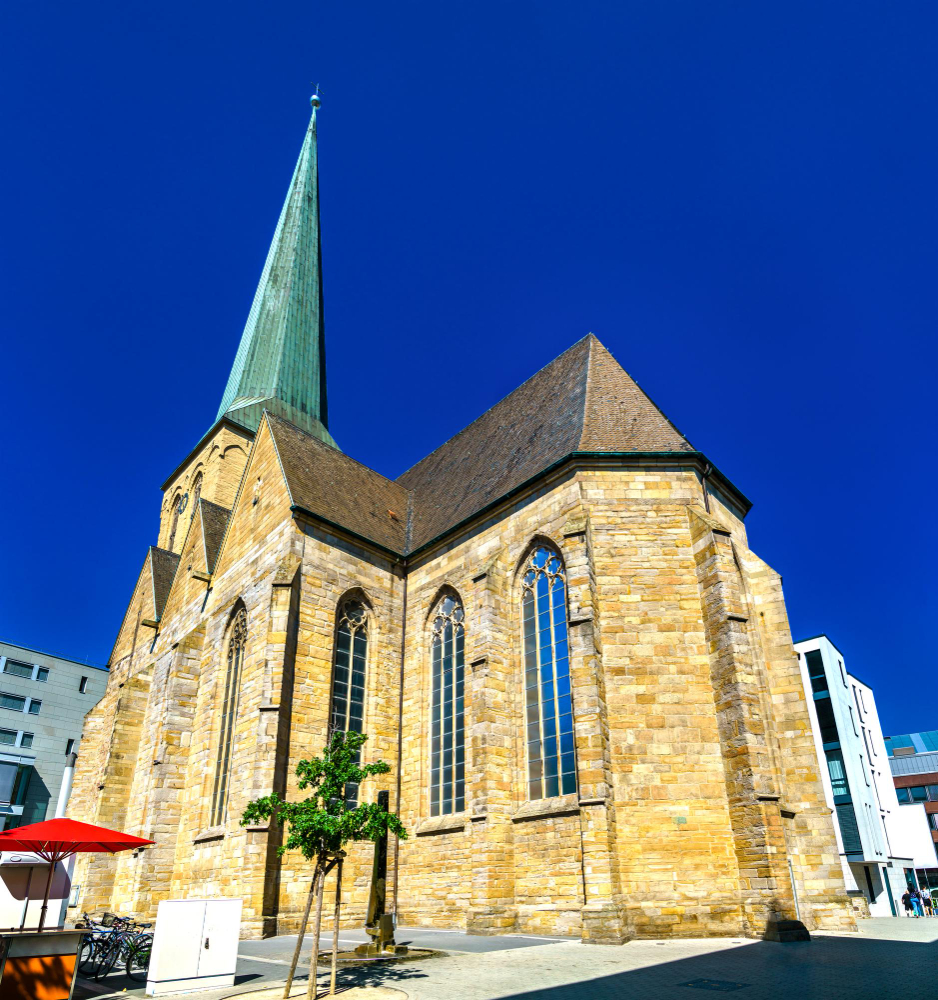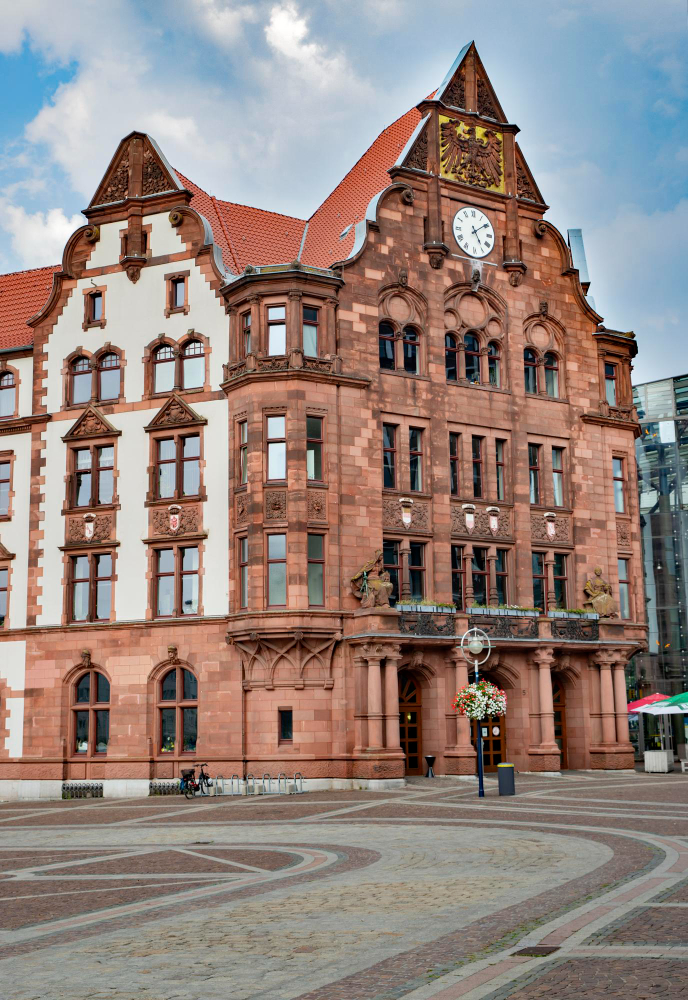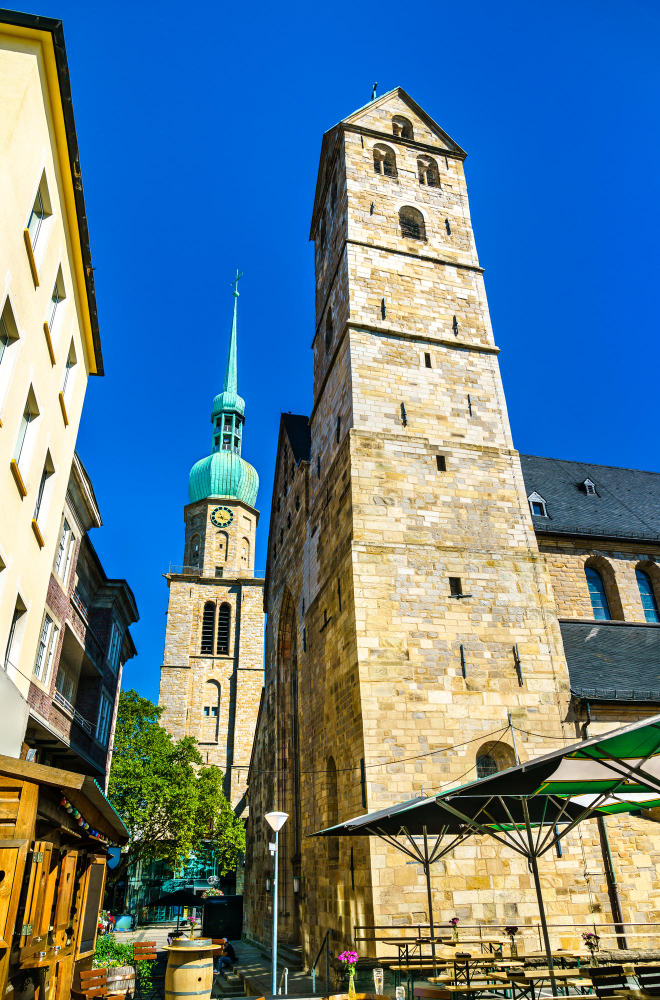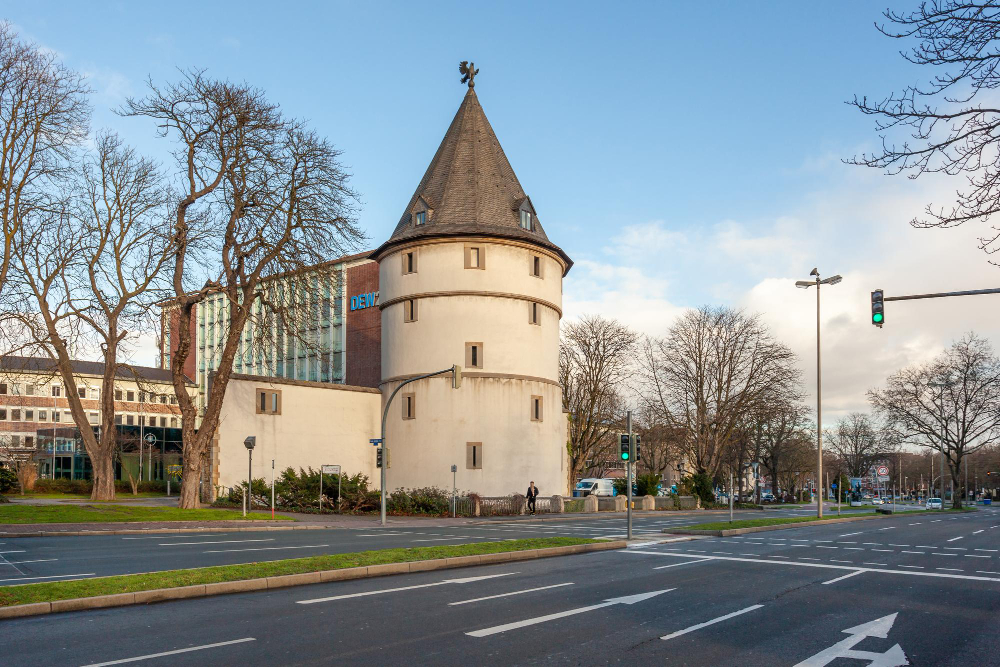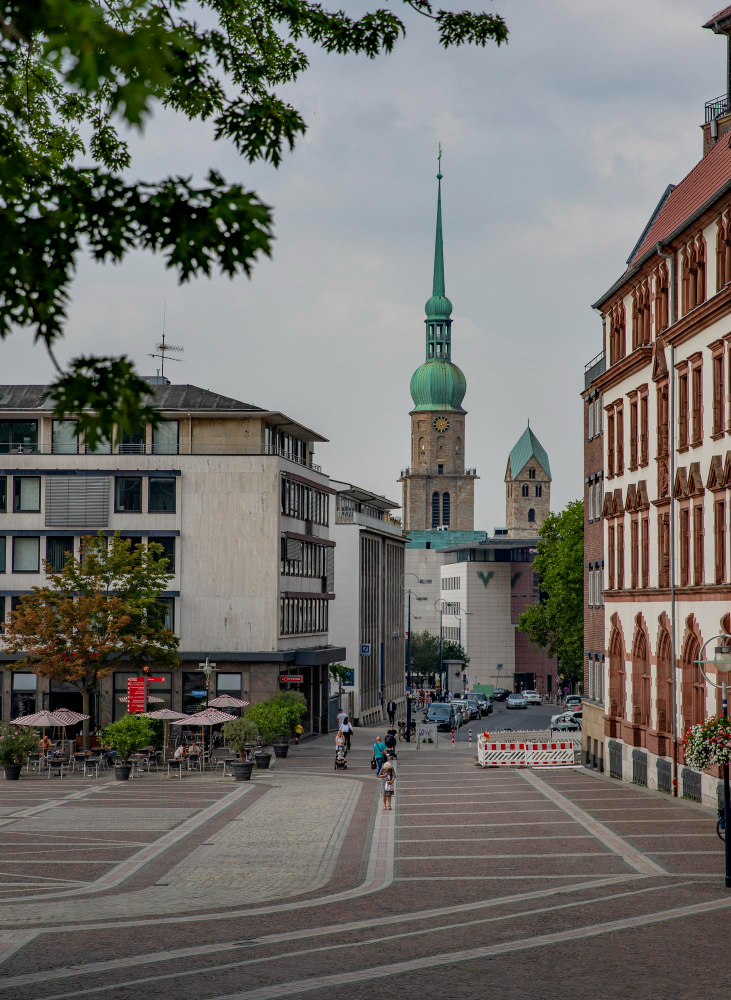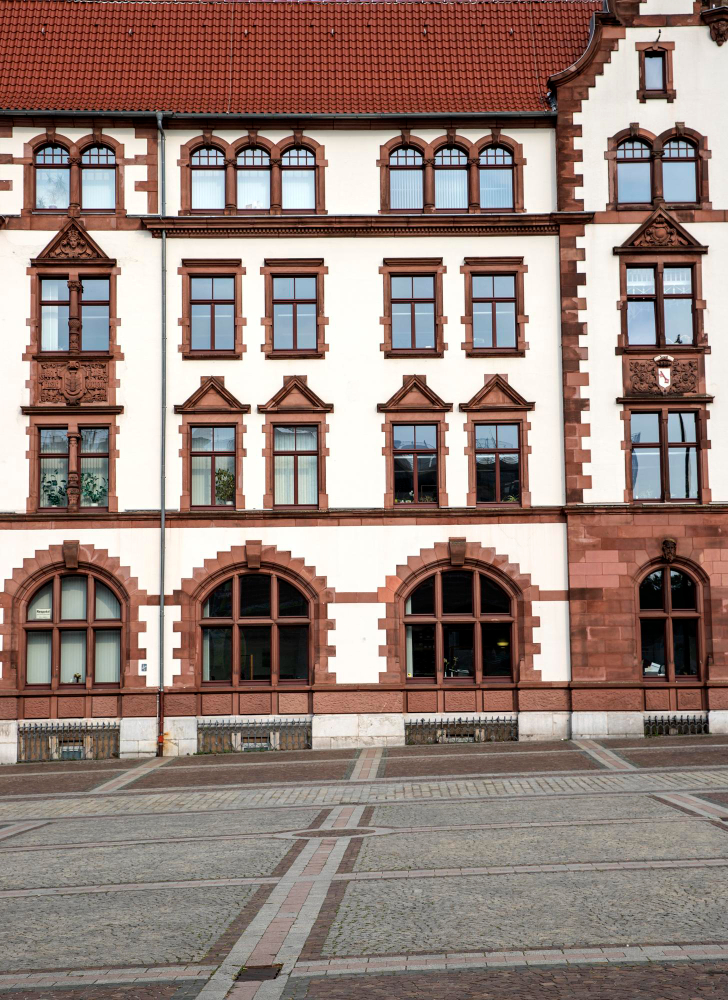
Dortmund, situated in the heart of the Ruhr region, is a city full of contrasts and history. Once shaped by the coal and steel industries, the city has developed into a modern centre for culture, business and science. This multifaceted city invites visitors to discover its hidden treasures and fascinating history – from historic landmarks and green oases to vibrant neighbourhoods. In this article, we’ll take you on a journey through Dortmund and show you why the city remains one of Germany’s most fascinating places to this day.
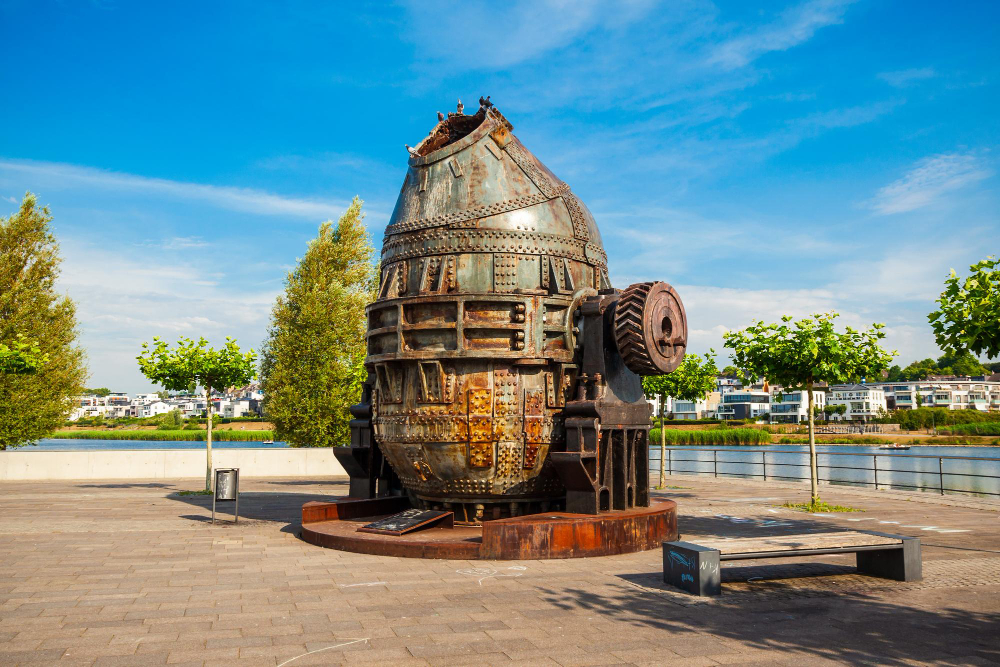
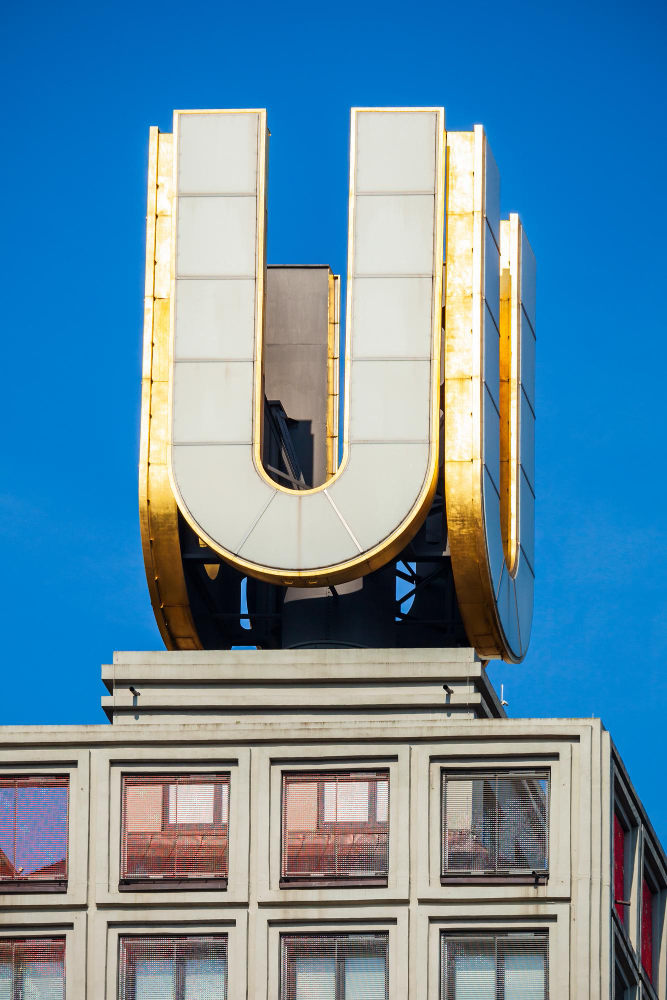
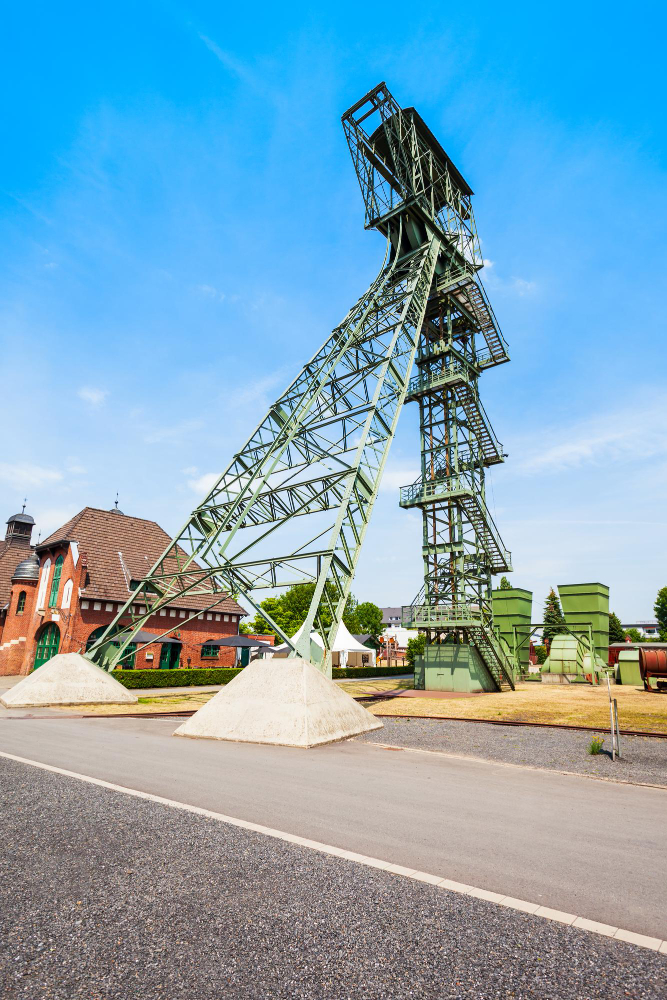
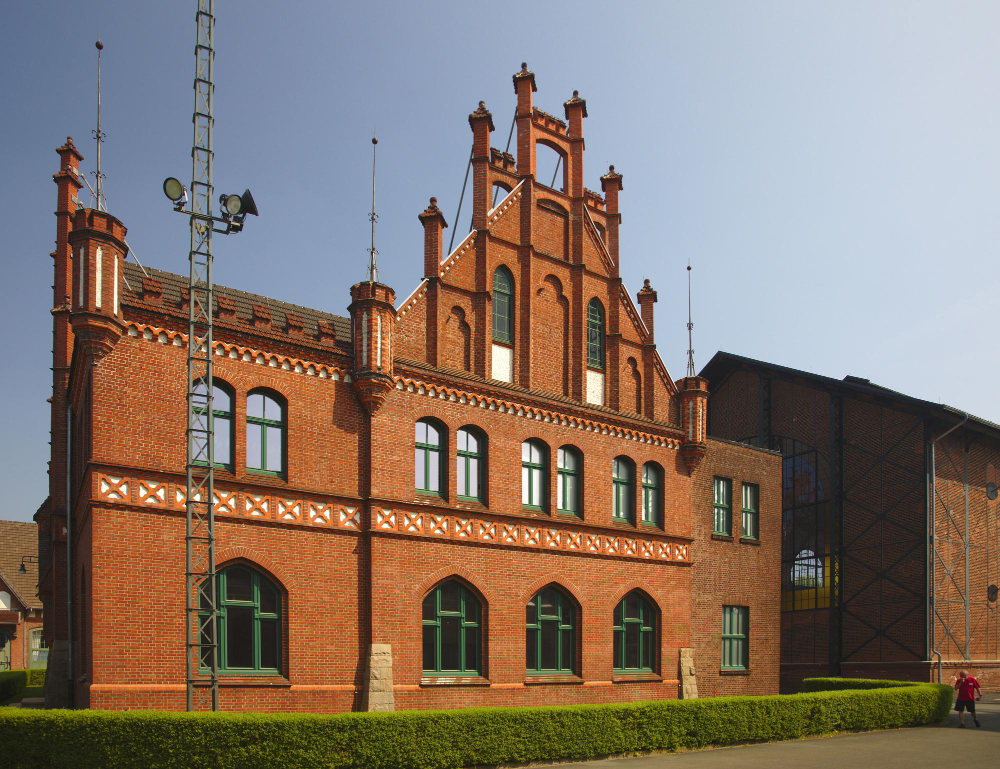
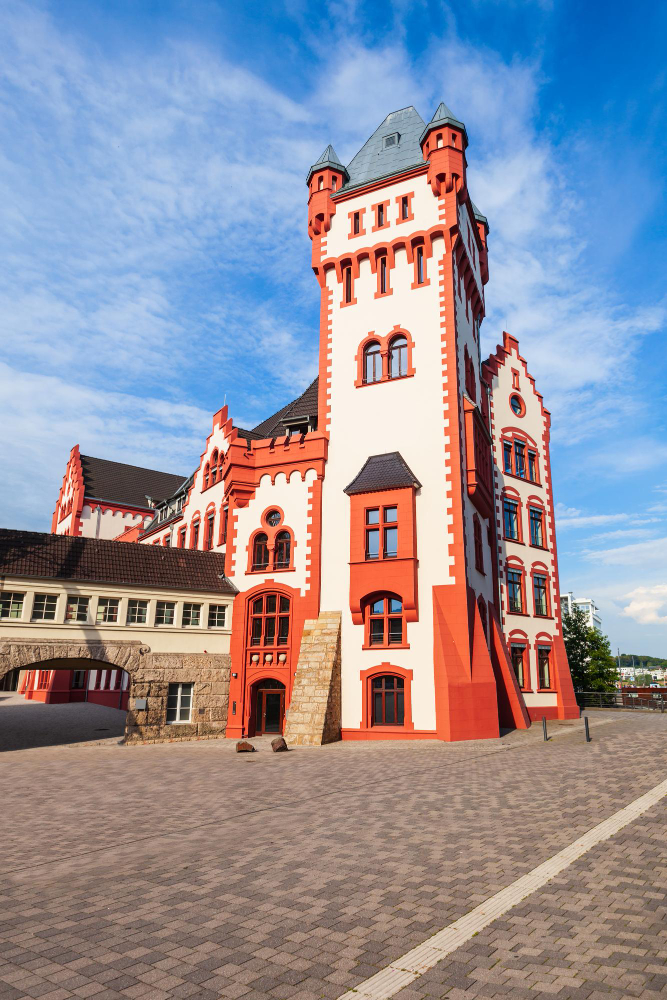
Historical Roots and Industrial Development – Dortmund looks back on a long and eventful history. As early as the Middle Ages, the city played a significant role as a member of the Hanseatic League, a trading network that fostered exchange between the cities of Northern Europe. Its strategic location on rivers and trade routes contributed to its prosperity. In the 19th century, industrialisation heralded a new era for Dortmund. The region surrounding the city developed into the Ruhr area’s centre for mining and steel production. Numerous coal mines and blast furnaces shaped the cityscape, whilst the population grew rapidly. The Dortmunder U, a former brewery building, now symbolises this transformation: It has been converted into a creative centre and houses art and cultural spaces. The era of the coal and steel industry left its mark not only on the architecture but also on the city’s social structure. A working-class culture and a strong sense of community emerged, which is still reflected today in the numerous clubs, festivals and cultural events.
Dortmund’s green spaces – parks and local recreation areas – Despite – or perhaps precisely because of – its industrial past, Dortmund boasts a surprising number of green spaces. Over 15 per cent of the city’s area consists of parks and green spaces, which invite visitors to relax and explore. The Westfalenpark is one of the largest and most popular recreation areas. With its Florianturm, which offers a breathtaking view over the city, as well as themed gardens, playgrounds and regular events, it attracts both locals and tourists. Also worth mentioning is Rombergpark, a botanical garden with a diverse selection of plant species from all over the world. It offers a place of tranquillity and is frequently used for scientific purposes. These green oases are not only places of relaxation, but also an expression of a conscious urban development concept that combines nature with city life.
Cultural highlights and vibrant neighbourhoods – Today, Dortmund is regarded as a cultural hotspot in the Ruhr region. The Dortmund Theatre, with its opera, ballet and drama companies, is one of the region’s most renowned venues. Equally impressive are the city’s museums, such as the Museum Ostwall in the Dortmunder U, which showcases modern and contemporary art. There is a particular focus on the music scene. From classical concerts at the Konzerthaus to alternative festivals – this reflects Dortmund’s diversity. The annual Juicy Beats Festival attracts music lovers with a wide range of genres. With its numerous cafés, bars and small boutiques, the Kreuzviertel embodies the young, creative side of Dortmund. Here, you can enjoy city life in a relaxed atmosphere, whilst the Hafenviertel – once an industrial area – now surprises visitors with its restaurants, galleries and start-ups.
Education and Innovation – Dortmund as a Centre of Science – Alongside culture and history, Dortmund places great emphasis on research and education. Dortmund Technical University is one of the largest universities in North Rhine-Westphalia and is renowned for its engineering and natural science degree programmes. Numerous institutes are working on innovative projects – ranging from IT to biomedicine. In addition, the Dortmund Technology Park has been under development for several years, offering start-ups and established companies space for development and collaboration. Dortmund is thus positioning itself as a city of the future that successfully combines tradition and progress.
Sport and leisure – football and more – Hardly any other topic epitomises Dortmund more than its football club, Borussia Dortmund (BVB). The fans’ passion for their club is legendary and shapes public life. Signal Iduna Park, one of Europe’s largest football stadiums, is a place of pilgrimage for countless supporters and a venue for international matches. But even beyond football, sports enthusiasts will find plenty of variety in Dortmund. Whether it’s horse riding, climbing at the climbing centre, swimming in modern swimming pools or cycling along the Römer-Lippe Route – the range of leisure activities on offer is vast.
Culinary Dortmund – Diversity on your plate – Dortmund’s culinary scene is as diverse as the city itself. Traditional Westphalian specialities such as ‘Pfefferpotthast’ or Westphalian ham are featured on menus alongside international dishes. Weekly markets, such as the one at Hansaplatz, offer fresh produce from local growers and invite visitors to browse and sample the goods. In addition, numerous restaurants and snack bars enrich the streets of the city centre and the various neighbourhoods with culinary delights.
Dortmund – A city in transition with plenty to offer – Dortmund is far more than just a former industrial city. Here, history and modernity, nature and city life, culture and business come together to form a unique blend. These diverse facets make the city an exciting destination for explorers and offer locals a high quality of life. Whether you’re strolling through Westfalenpark, attending a concert or taking a break in one of the lively neighbourhoods – Dortmund never ceases to surprise. Anyone exploring the city will encounter friendly people, fascinating stories and an atmosphere that invites you to linger.