The small town of Bosa on Sardinia’s west coast is a real hidden gem for anyone wishing to experience history, culture and Mediterranean charm. Nestled between the emerald-green waters of the Tyrrhenian Sea and the River Temo, Bosa offers not only a picturesque panorama but also a fascinating journey through the centuries. From ancient origins through medieval architecture to vibrant traditions – Bosa embodies the diversity of Sardinia in its finest form.
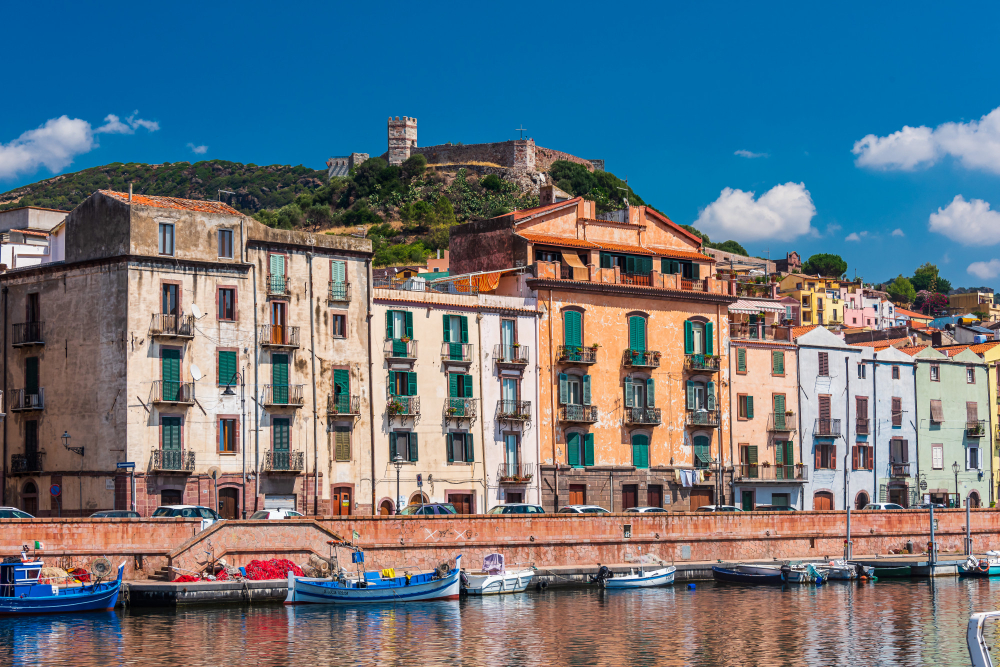
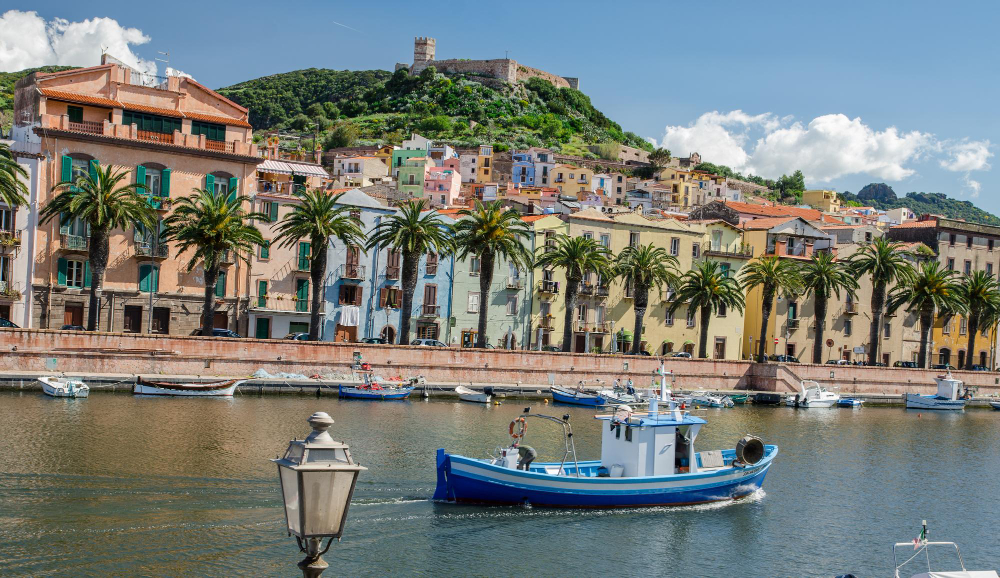
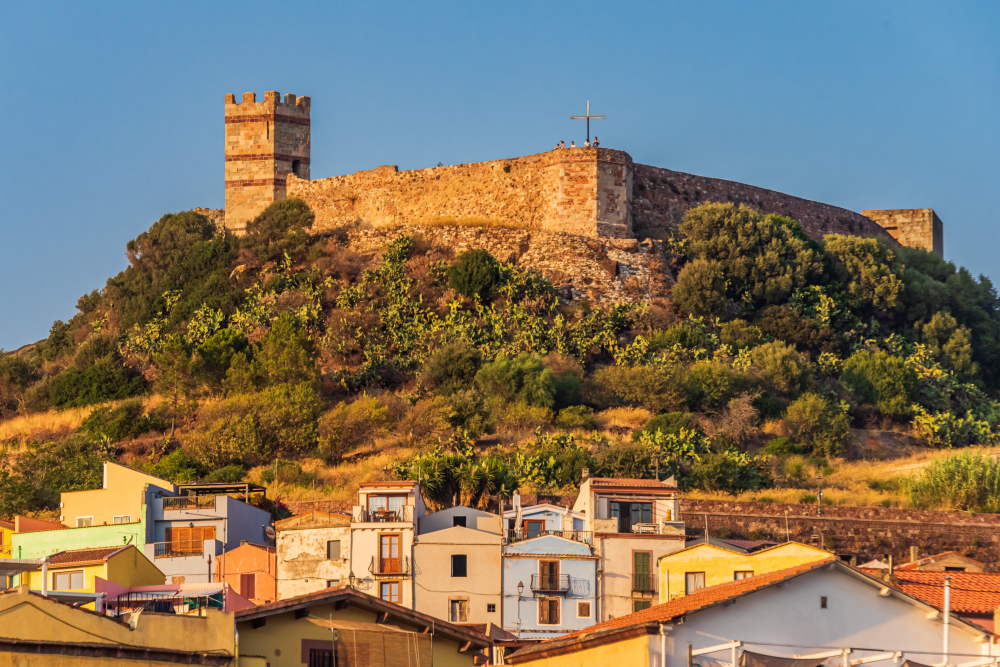
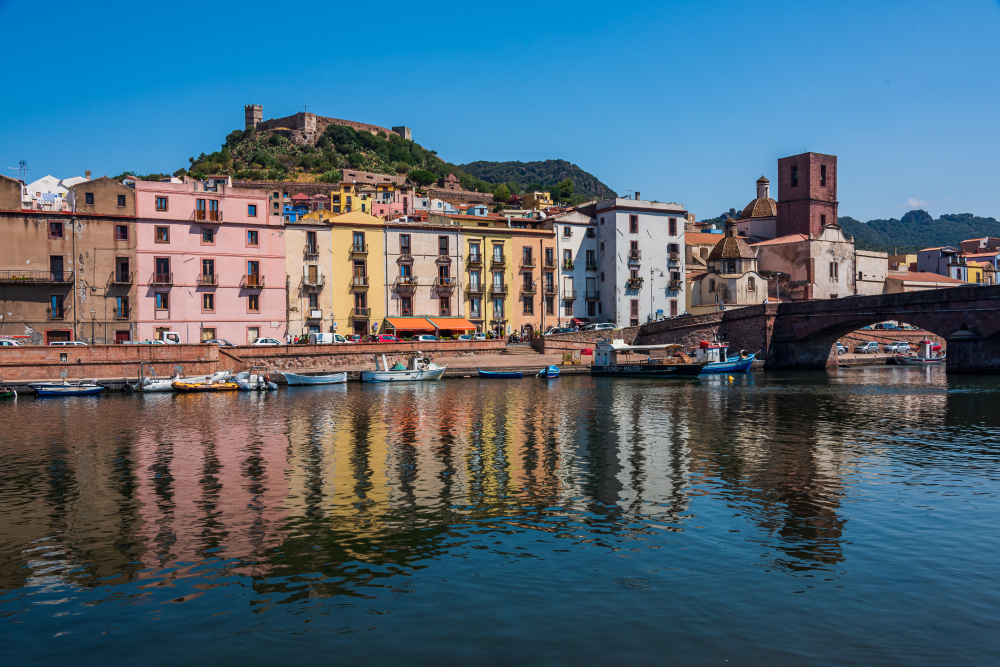
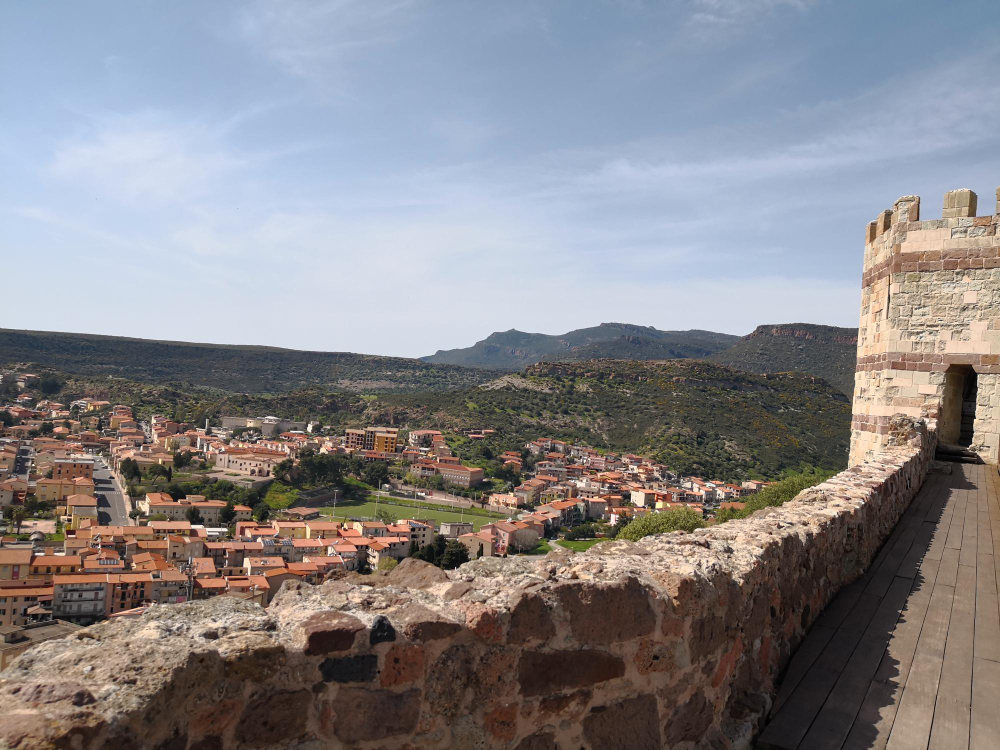
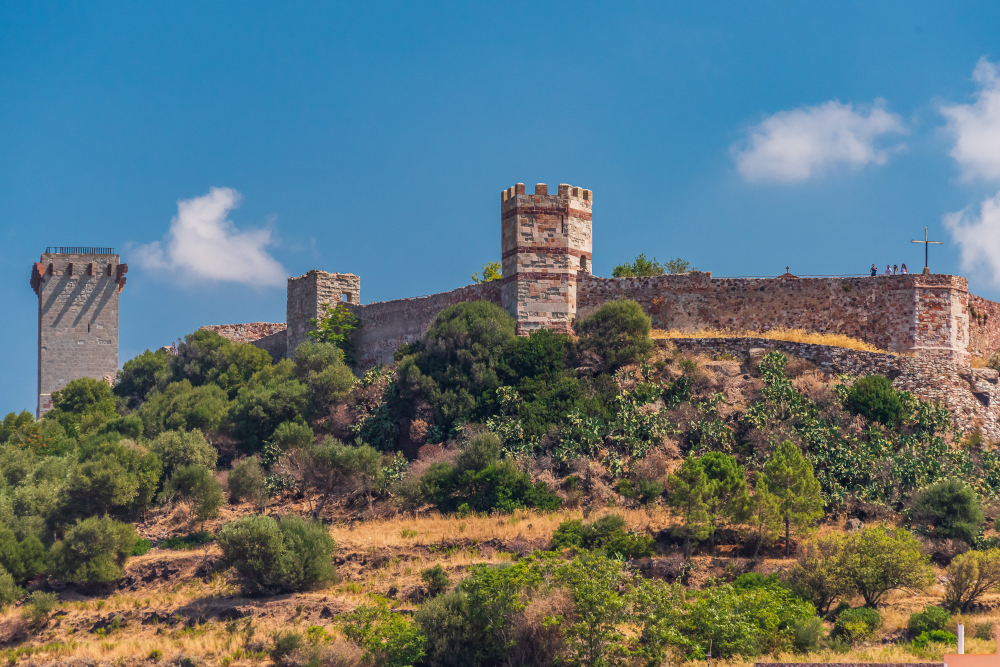
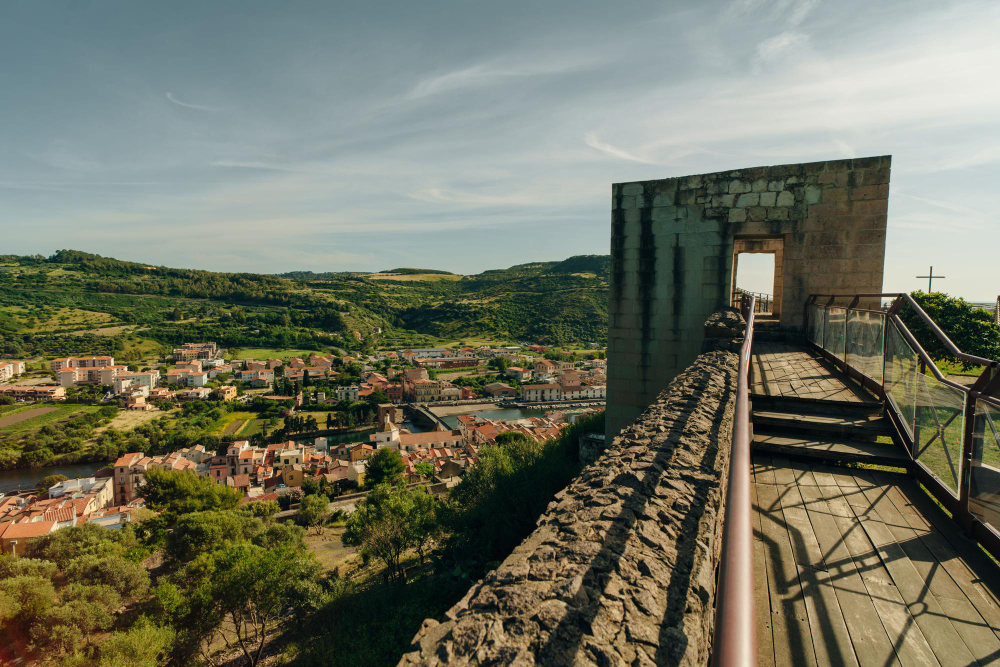
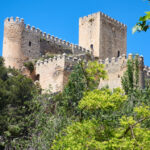
Historical roots and archaeological highlights – Bosa looks back on a long history of settlement dating back to prehistoric times. The Nuragic civilisation, which flourished in Sardinia between 1800 and 1000 BC, left its mark on the Bosa area. These stone tower structures are characteristic of Sardinia and bear witness to a highly developed Bronze Age society. The town itself was founded in antiquity under the name ‘Nostra’. Later, the Romans took control, as reflected in the archaeological finds. Excavations near Bosa have uncovered Roman villas and roads, indicating a strategically important location on the coast. This settlement was a key trading post, benefiting from its connection between the sea and the hinterland. In the Middle Ages, Bosa experienced its heyday under the Malaspina, a Lombard noble family who took control of the town in the 12th century. The famous Malaspina Castle still towers high above the town today and is the symbol of Bosa. From here, one can enjoy a wonderful view not only of the entire town but also of the surrounding countryside, including the River Temo and the coast.
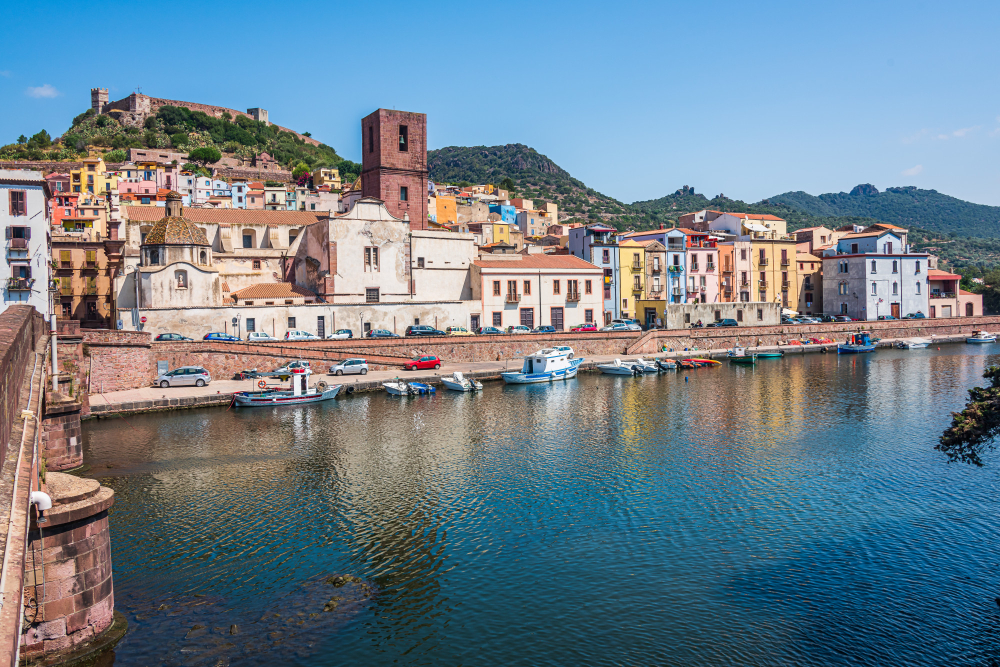
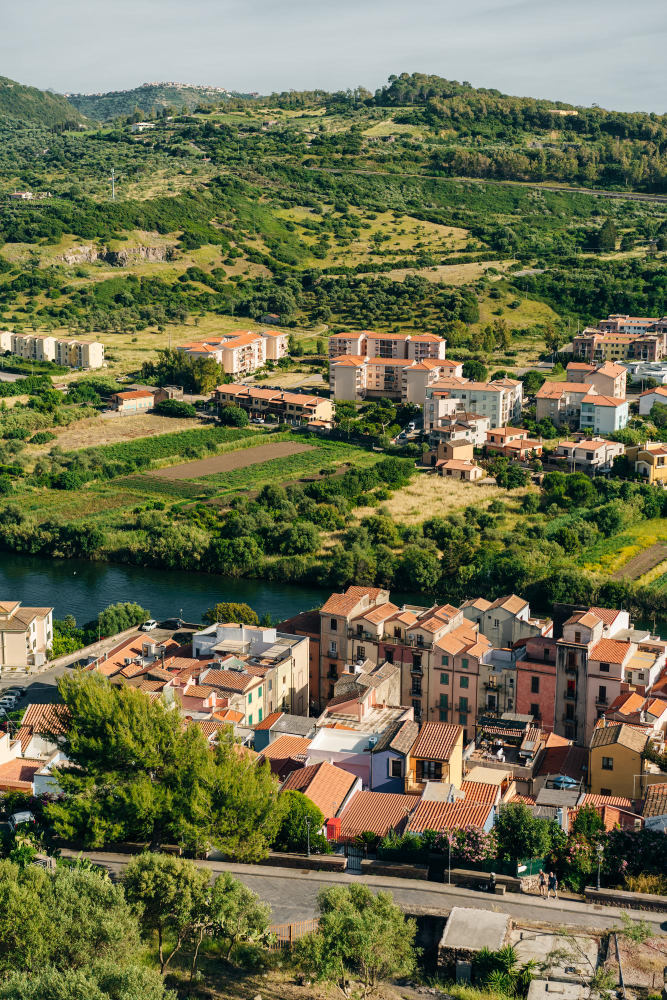
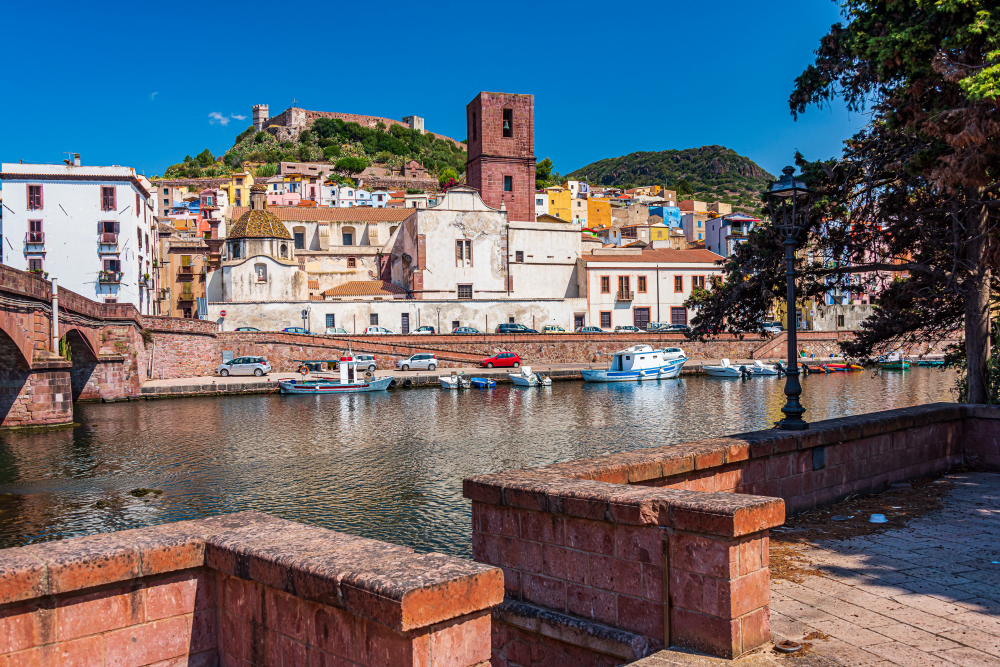
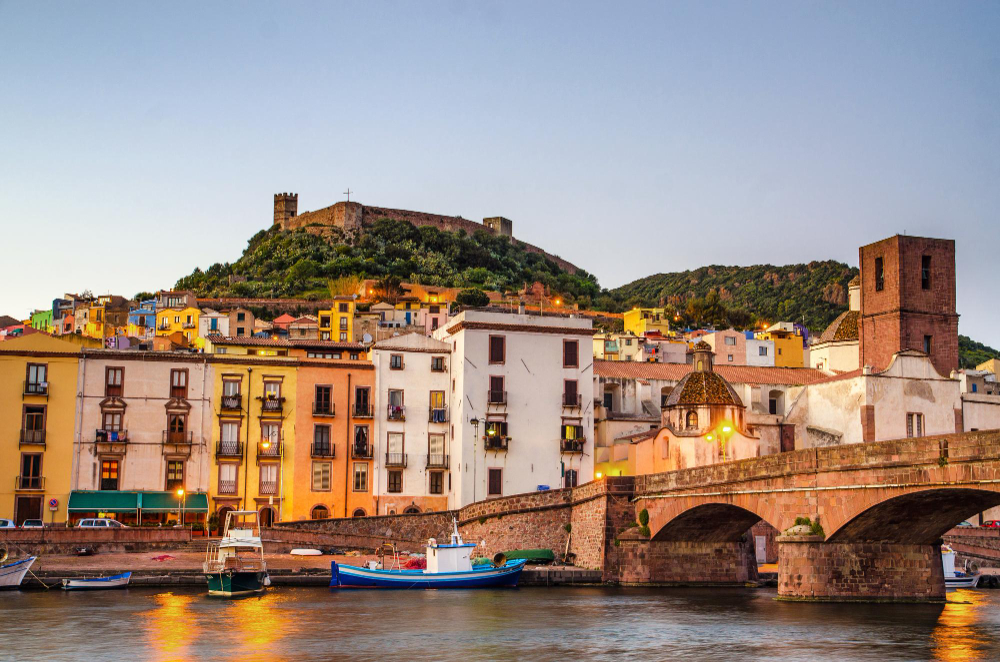
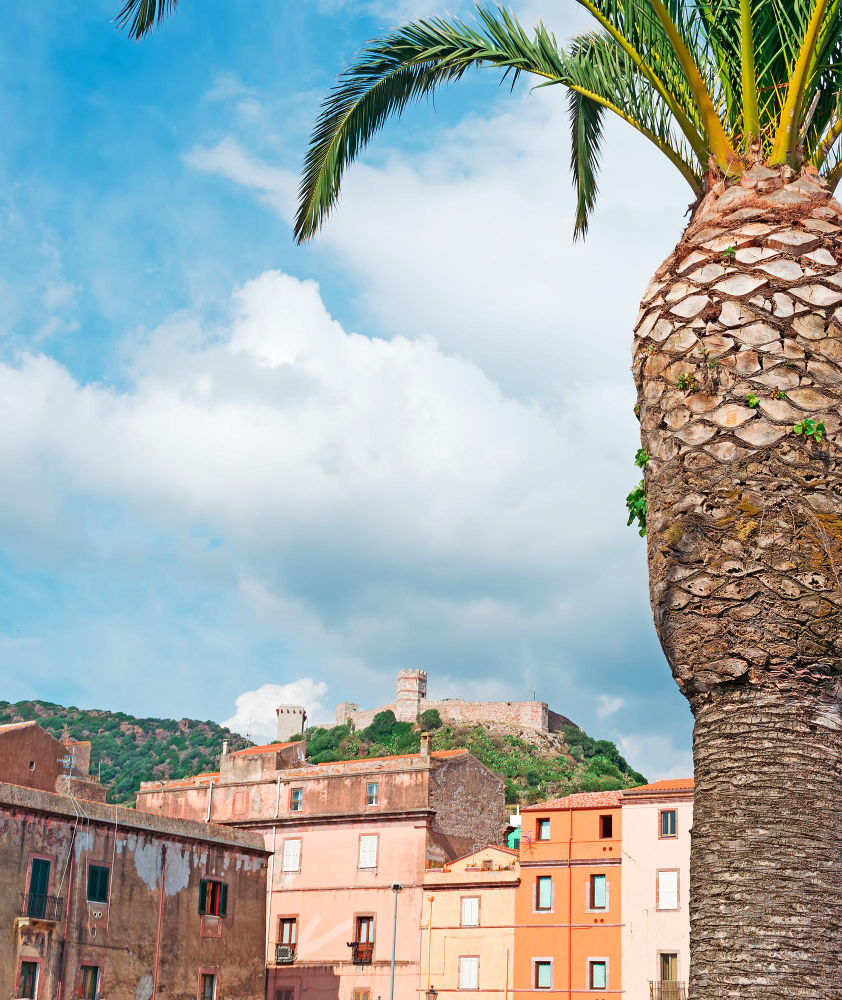
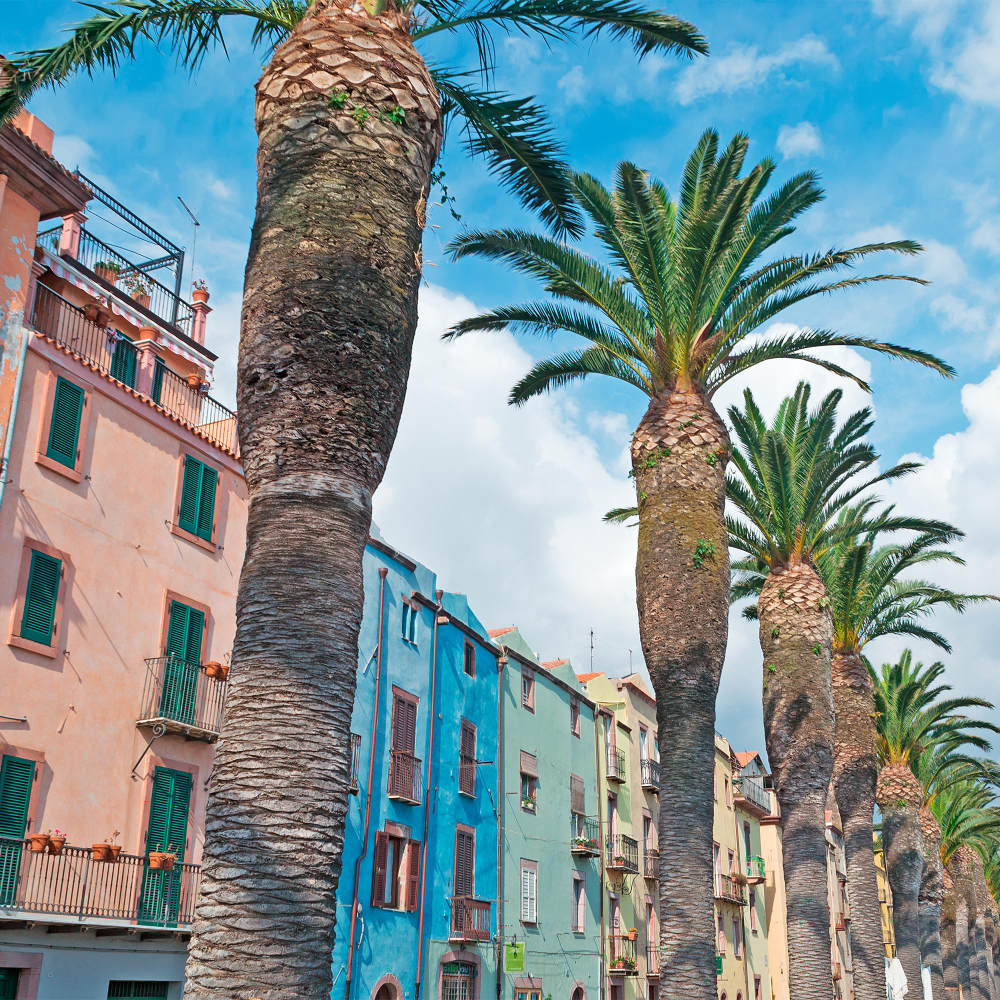
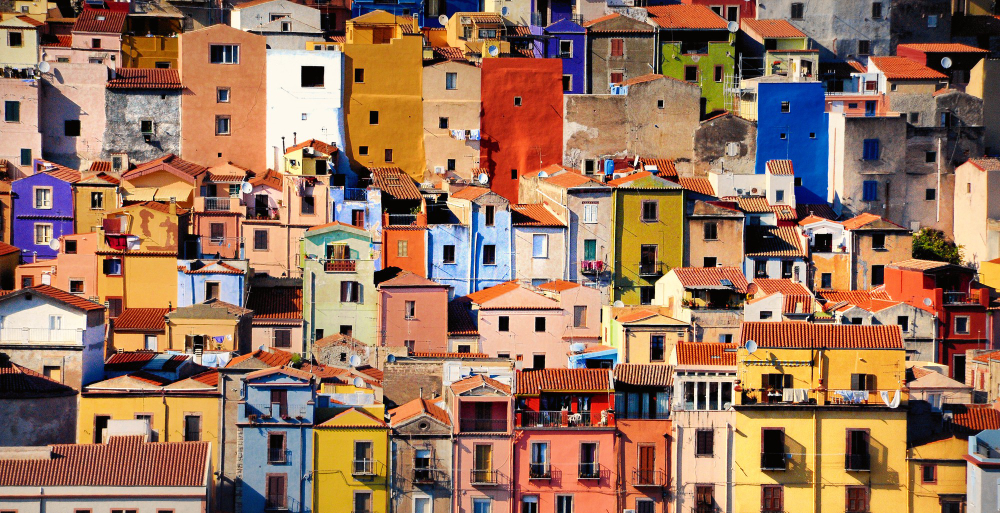
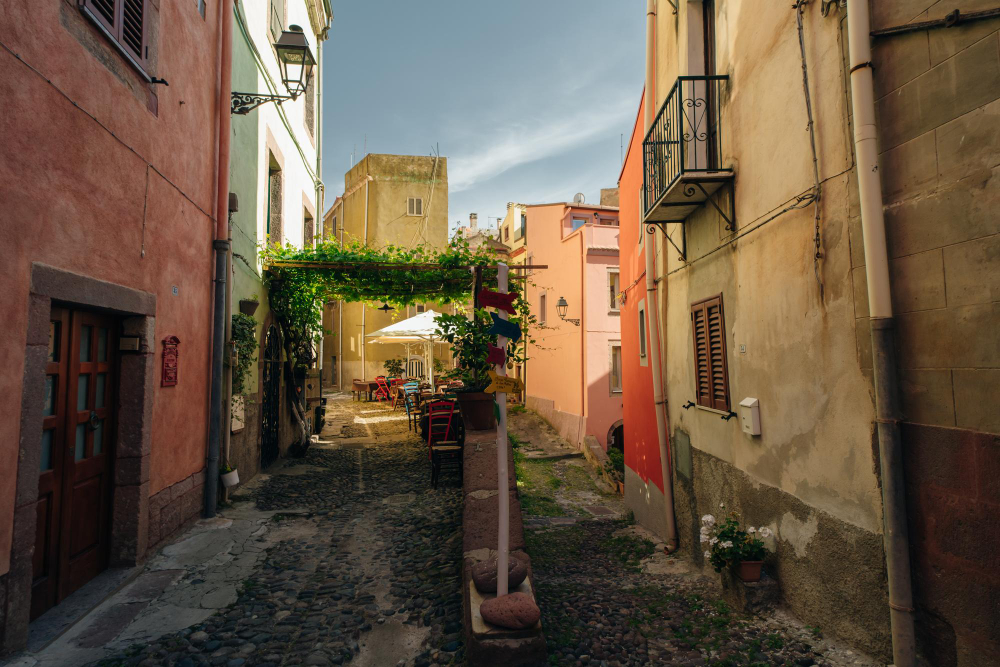
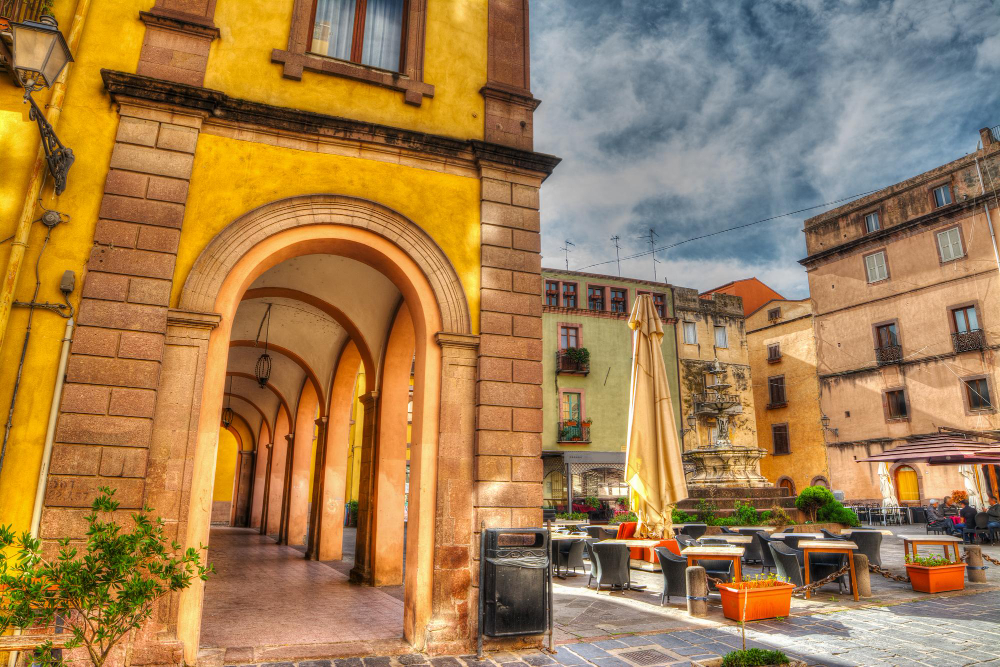
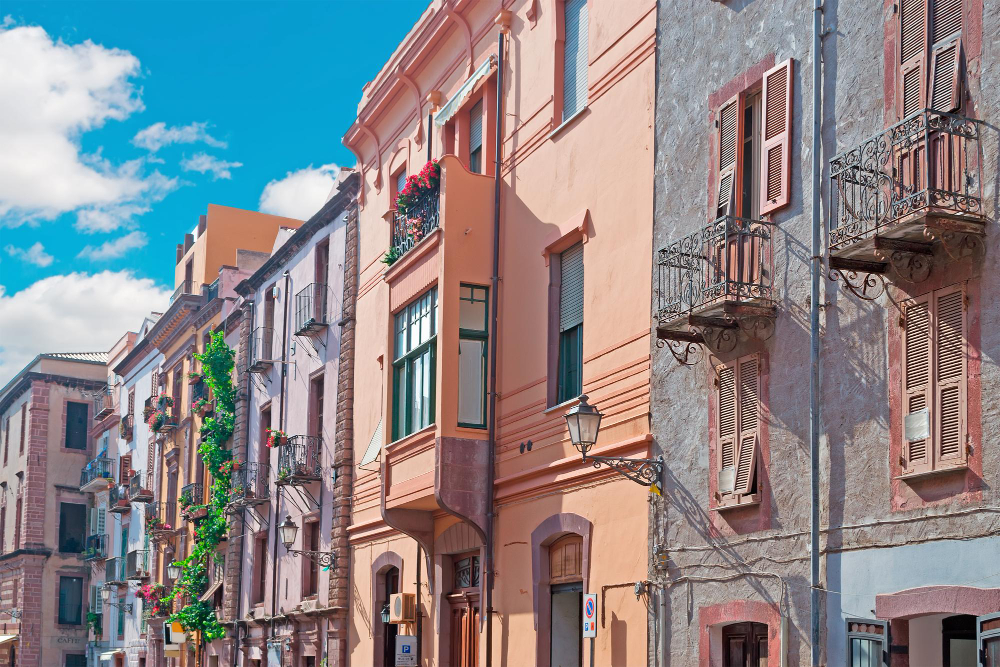
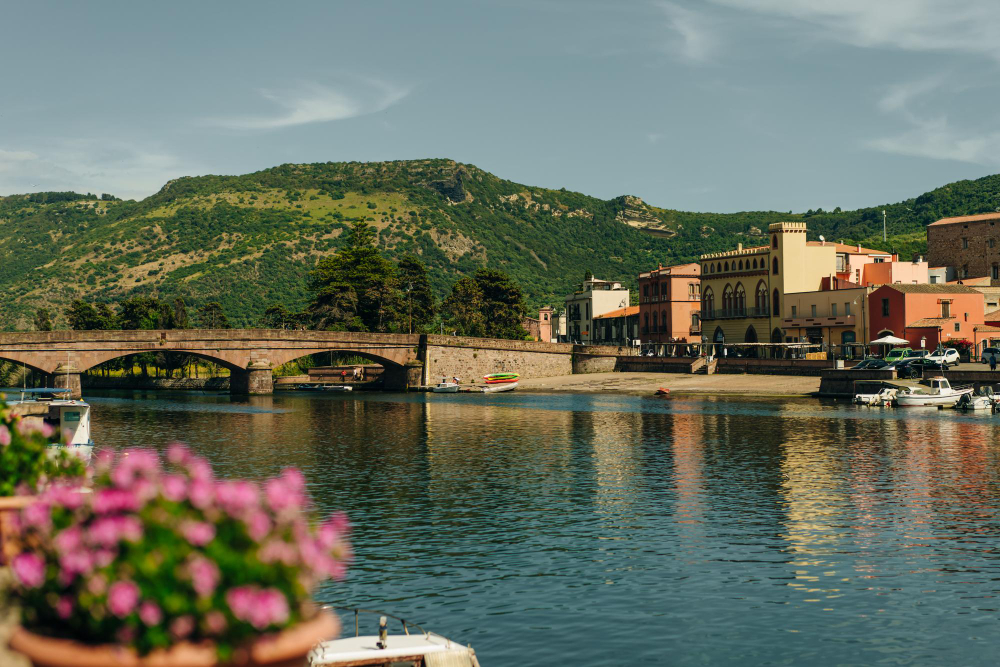
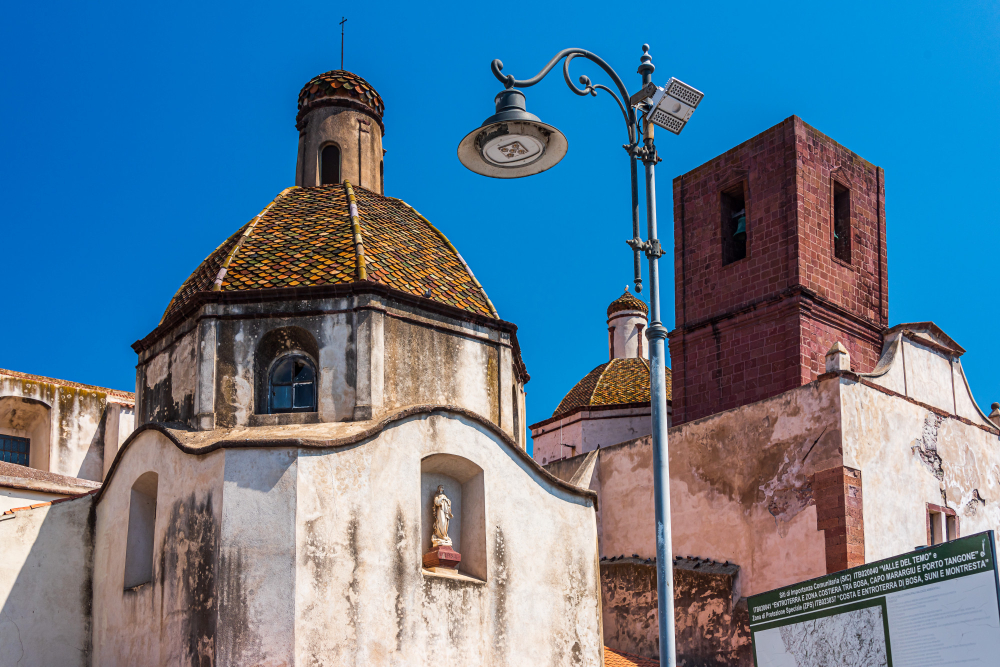
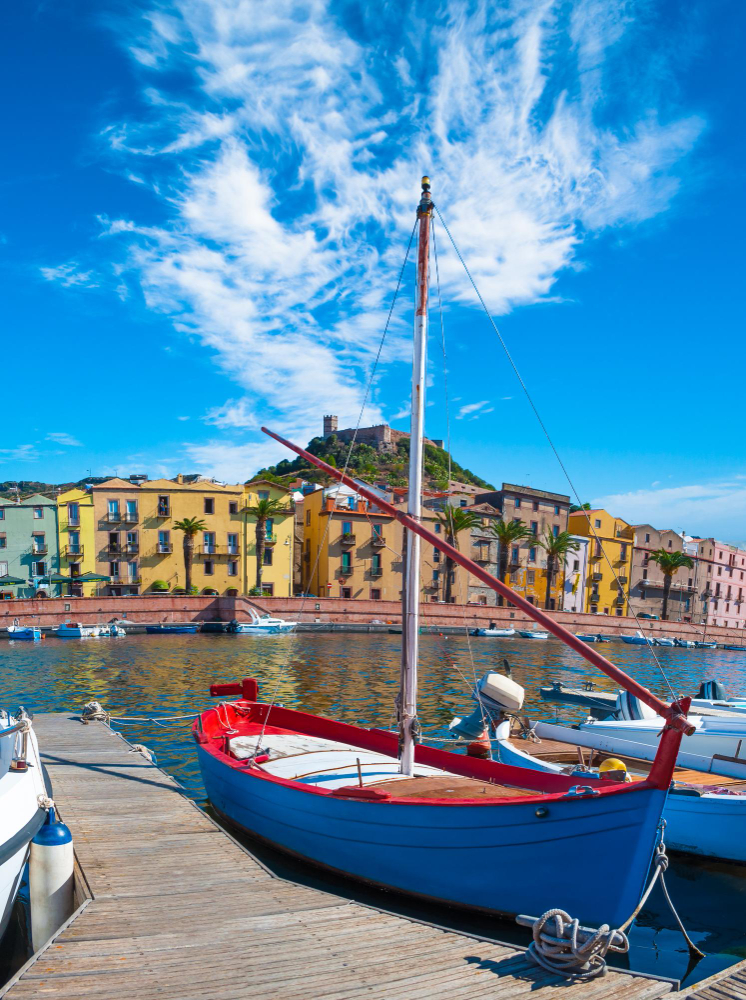
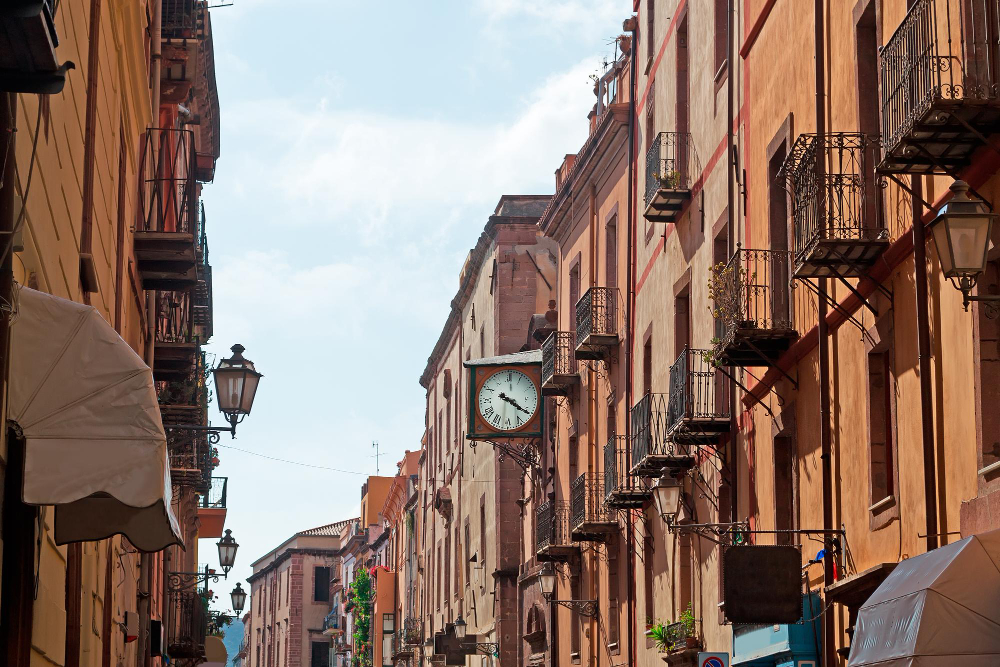
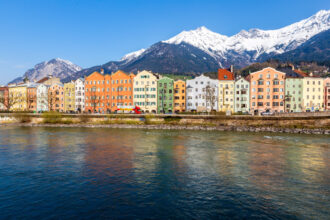
Architecture and townscape: a blend of colour and history – Bosa captivates visitors with its extraordinary town centre, harmoniously laid out on a hill along the river. The colourfully painted house façades in soft pastel shades lend the town a Mediterranean ambience that immediately enchants visitors. Narrow alleyways, cobbled streets and small squares invite you to stroll and linger. The Church of San Pietro Extramuros, a 12th-century Romanesque-Gothic church, is one of the architectural highlights. It was partly built from the ruins of an ancient temple, which underscores the continuous settlement of the area. Malaspina Castle has been extended several times over the centuries and today, alongside its historic walls, also hosts exhibitions on the history of the region. Not to be overlooked is the typical Sardinian architectural style of the traditional houses, which often feature terracotta roofs. Interspersed amongst them are modern elements that demonstrate a balance between preservation and contemporary living.
Nature and Landscape: The River Temo as a Lifeline – The River Temo, which flows through Bosa, is Sardinia’s only navigable river and plays a key role in shaping the town’s atmosphere. Its banks are lined with lush vegetation and provide a habitat for numerous bird species. Particularly in spring and autumn, the natural landscape around the river is a paradise for nature lovers and photographers. The interplay between the river, the hills and the sea is unique. Those wishing to get actively involved can take boat trips on the Temo or go canoeing to discover the landscape from a different perspective. In the surrounding area, hiking trails wind through the Sardinian macchia and offer views of the Tyrrhenian Sea.
Cuisine and Sardinian Traditions – A visit to Bosa is inextricably linked with savouring the local cuisine. Sardinia is famous for its fresh seafood, delicious cheeses and aromatic wines – and the town of Bosa is no exception. The cuisine here is strongly influenced by its geographical location: fresh fish and mussels are used in simple yet flavourful dishes. Classics such as ‘fregola’ with seafood or pan-fried ‘pesce spada’ (swordfish) are frequently found on the menus of family-run trattorias. Particularly worth mentioning is the Malvasia wine, which is grown in the hills around Bosa. This white wine, with its distinctive aroma, pairs perfectly with regional specialities and is often served at local festivals.
Culture and Events: Festivals full of joie de vivre – The people of Bosa take pride in their vibrant traditions and celebrate them with great enthusiasm. One of the best-known festivals is the ‘Sagra del Malvasia’, which takes place every September. Here, the grape harvest is celebrated, accompanied by music, dancing and local delicacies. Religious festivals also play an important role in cultural life. The processions in honour of the town’s patron saint offer fascinating insights into Sardinia’s deeply rooted customs. For art lovers, the ‘Museo Casa Deriu’ is well worth a visit. It showcases works by local artists and provides an insight into the region’s creative movements.
Discovering Bosa: Tips for Visitors – Anyone visiting Bosa should definitely allow plenty of time to explore the town and its surroundings at a leisurely pace. A stroll through the old town, starting in the historic centre, takes you past small craft shops, cafés and restaurants. The view from Malaspina Castle is a must – especially at sunset, when the town is bathed in warm light. Active visitors will find opportunities for hiking, cycling and water sports in the surrounding area. The nearby beaches, such as Spiaggia di Bosa Marina, are ideal for sunbathing and swimming. It’s also well worth taking a detour to the archaeological sites around Bosa to learn more about the region’s prehistoric and ancient past.
Bosa in the context of Sardinia and Europe – As part of the island of Sardinia, Bosa represents one of the most authentic aspects of this Mediterranean region. Compared to more touristy destinations such as Alghero or Cagliari, Bosa offers a peaceful yet varied alternative. Its location on the west coast also makes the town an important cultural and economic hub between the sea and the inland areas. Thanks to its well-preserved historic heritage, natural beauty and vibrant traditions, Bosa stands as an example of the many facets of Sardinian identity.
Bosa – An experience for all the senses – Bosa is far more than just a pretty seaside town. It is a place that brings history to life, reflects a close connection with nature and preserves cultural traditions. For travellers seeking authentic experiences off the beaten track, Bosa offers just the right thing: a fascinating blend of history, architecture, nature and culinary delights. Whether strolling through the colourful alleyways, exploring the ancient castle or savouring a glass of Malvasia wine by the riverbank – Bosa takes its visitors on a journey of discovery that impressively reflects the diversity of Sardinia.