Stirling, the historic town in the heart of Scotland, is picturesquely nestled between rolling plains and the majestic hills of the Highlands. Thanks to its central location, 42 kilometres north-east of Glasgow and 60 kilometres north-west of Edinburgh, Stirling offers not only stunning scenery but also a rich history and numerous attractions that draw visitors from all over the world. The city is a real gem for history buffs, nature lovers and anyone seeking an authentic Scottish experience.
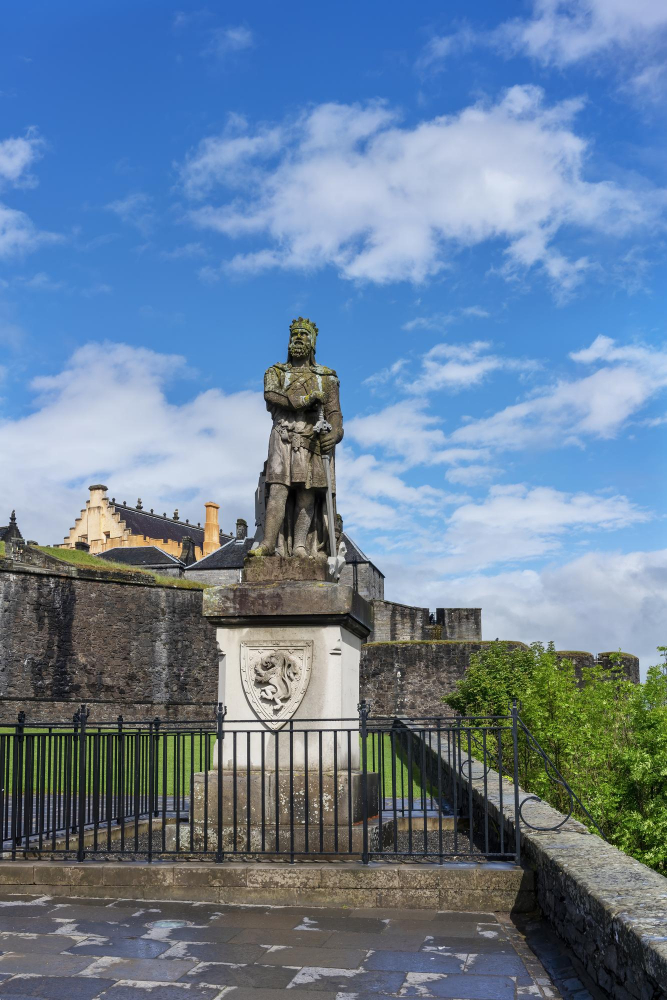
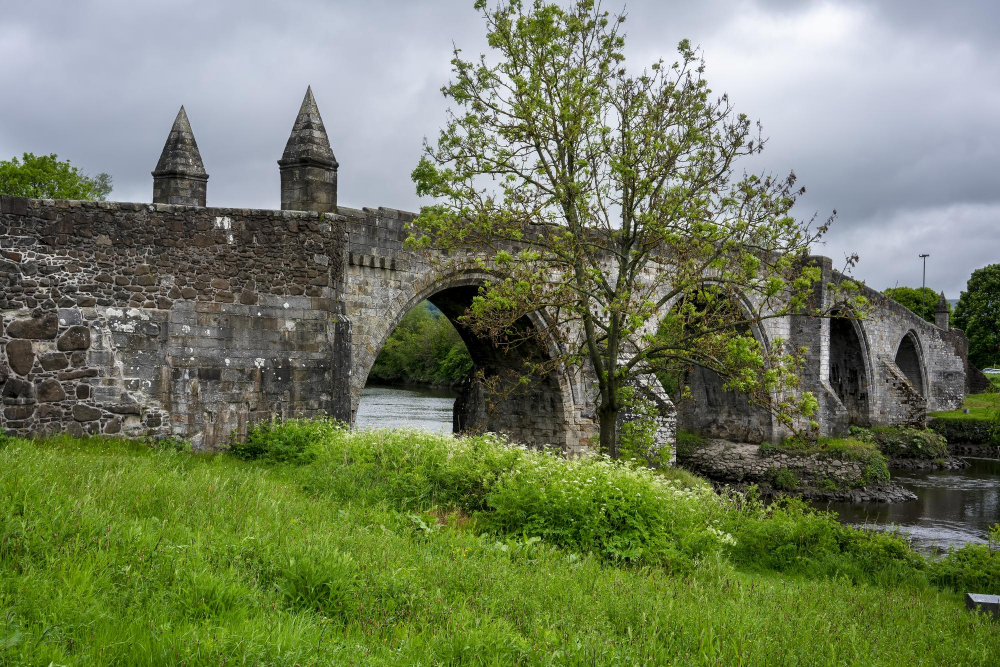
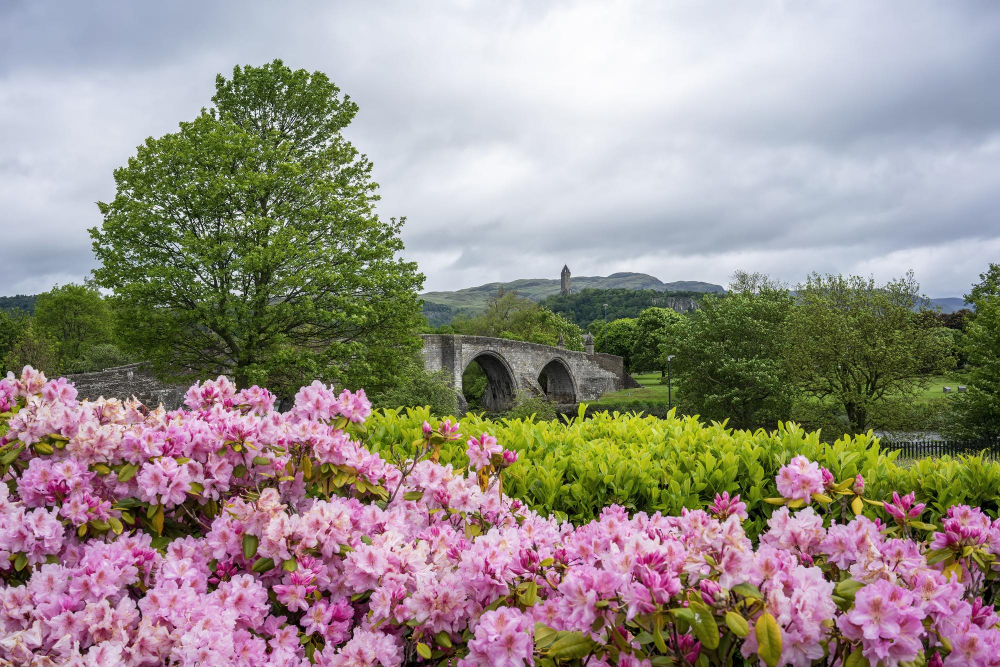
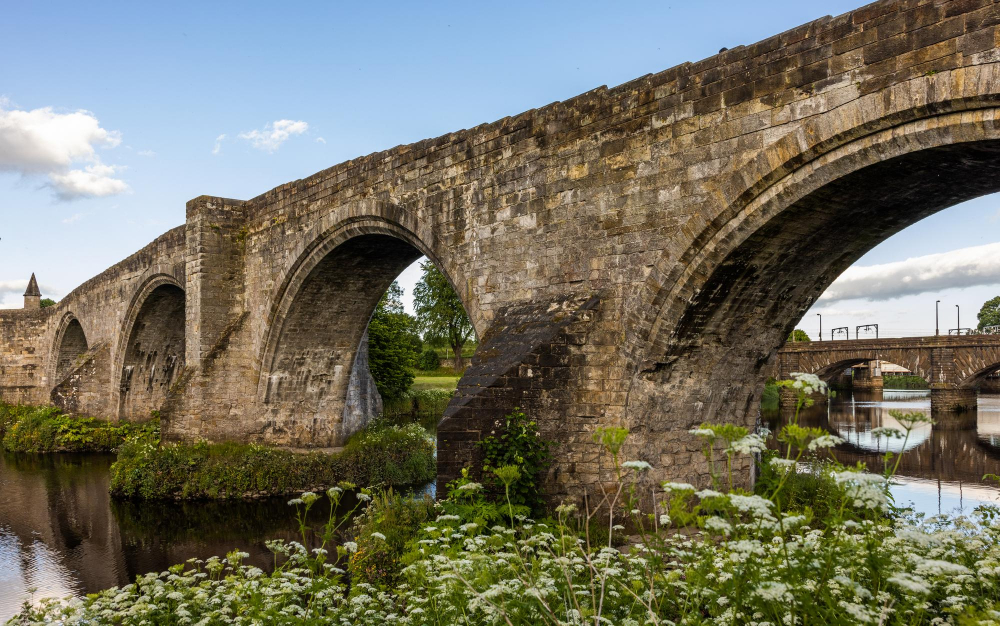
A strategic location steeped in history – Why Stirling was so important – Stirling has retained its importance as a strategic centre of Scotland for centuries. Its location at the narrowest point of the River Forth, before it widens into the Firth of Forth, made the town a key point for north-south traffic. This geographical feature not only brought Stirling economic benefits through bridge tolls, but also played a decisive role in military conflicts. Robert the Bruce, one of Scotland’s most famous kings, is said to have remarked: “He who holds Stirling holds Scotland.” The city was once the scene of decisive battles during the Scottish Wars of Independence, including the famous Battle of Stirling Bridge in 1297, in which William Wallace and Andrew Moray triumphed, and the Battle of Bannockburn in 1314, in which Robert the Bruce’s army secured a significant victory. These events continue to shape the city’s self-confidence and identity to this day.
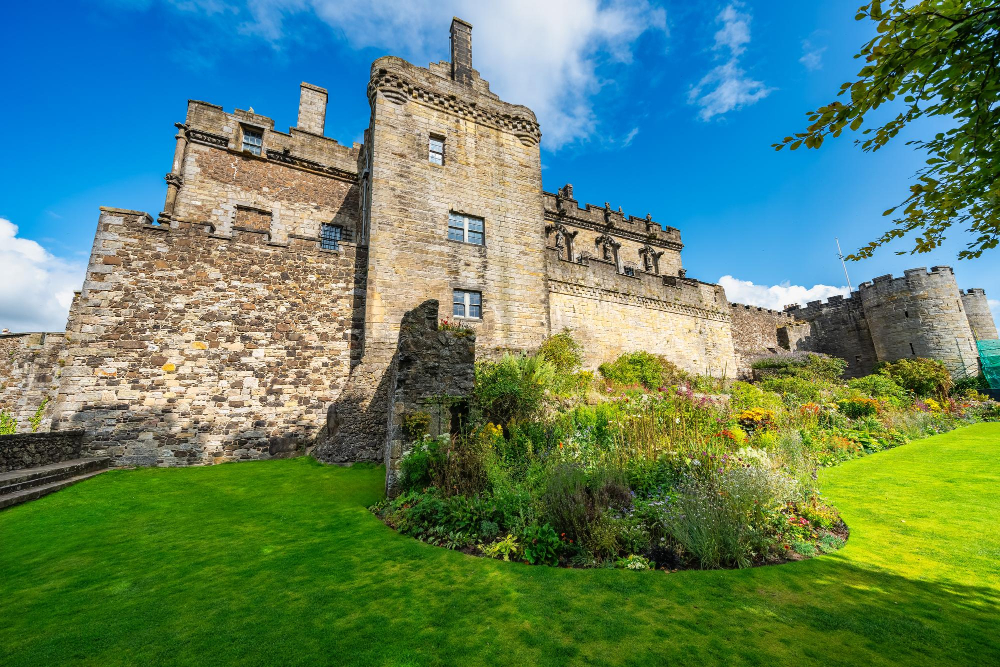
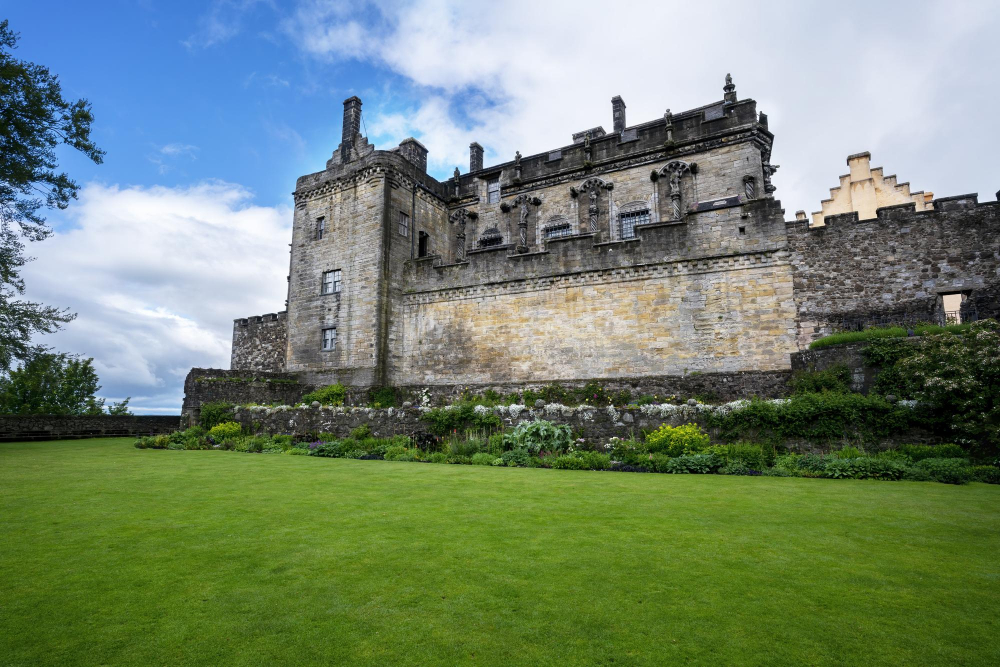
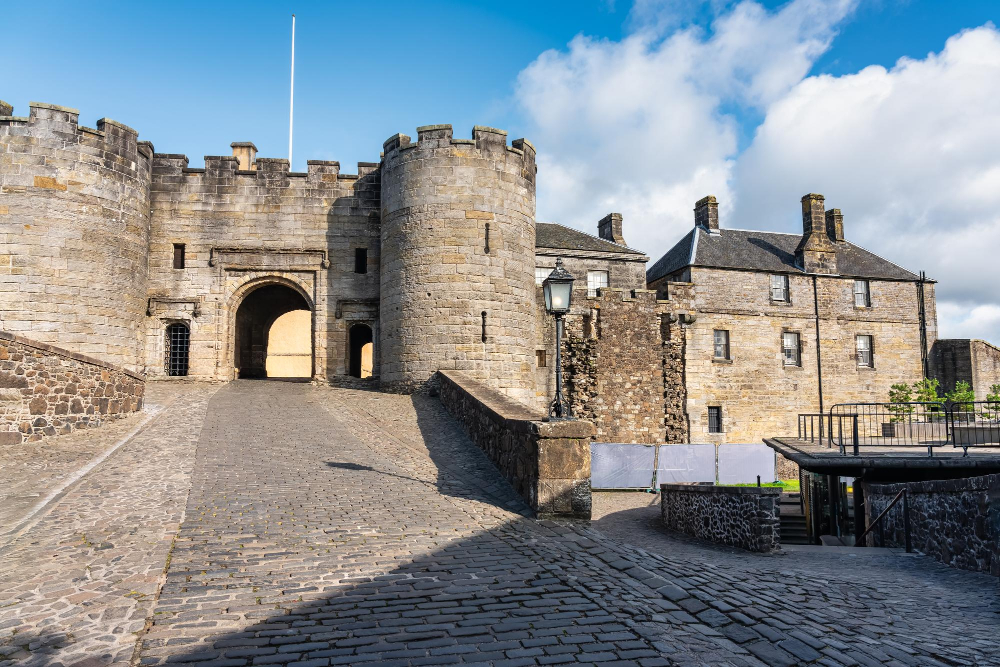
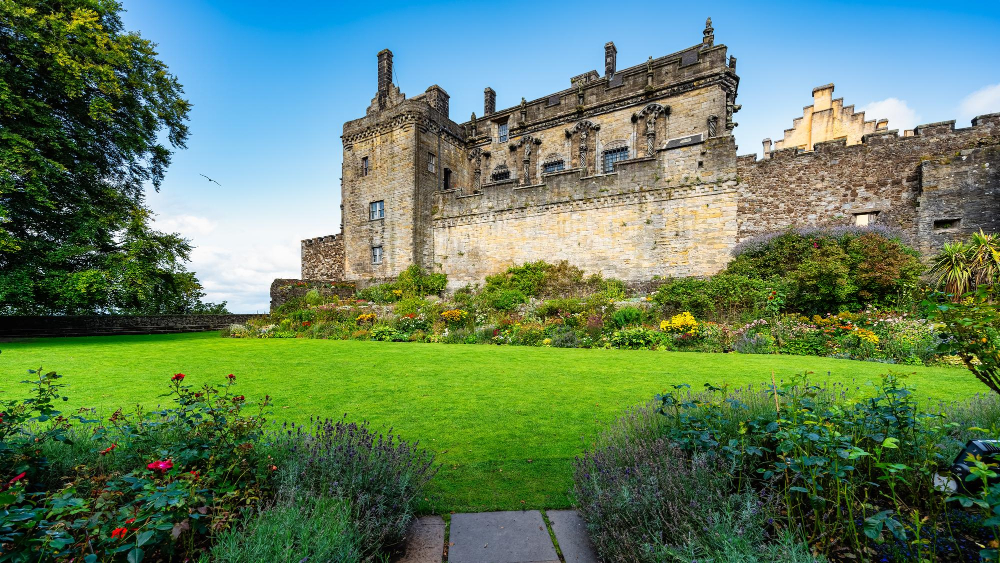
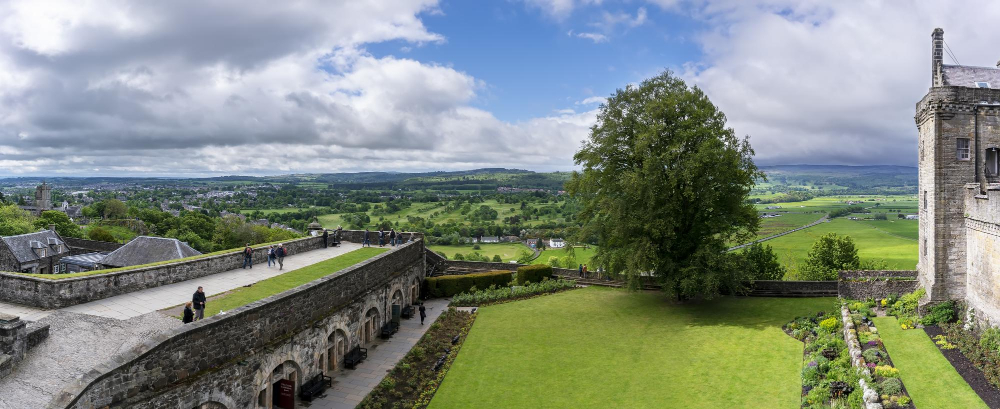
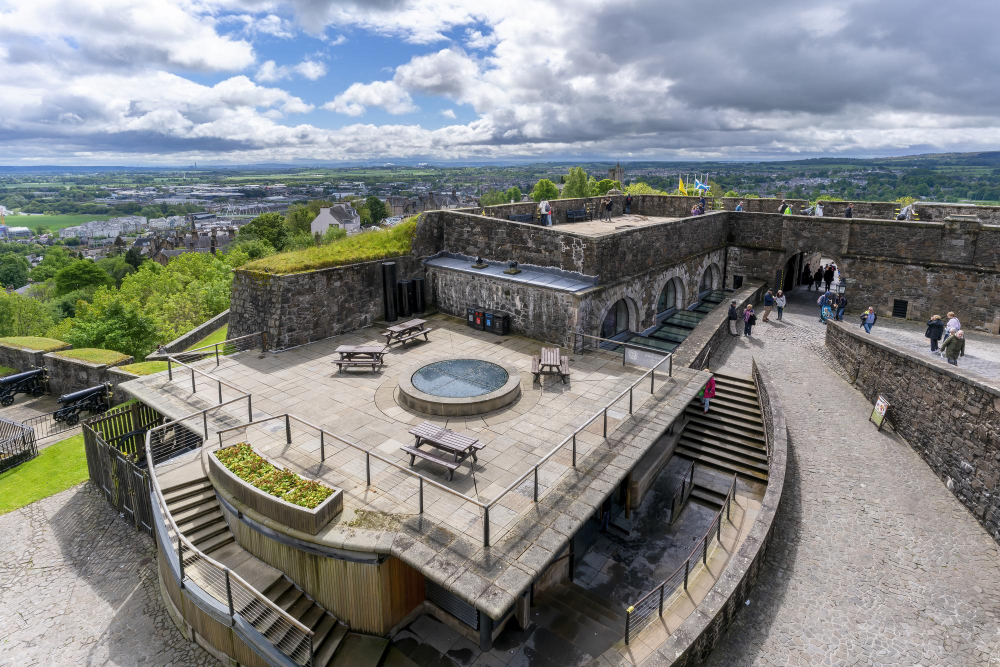
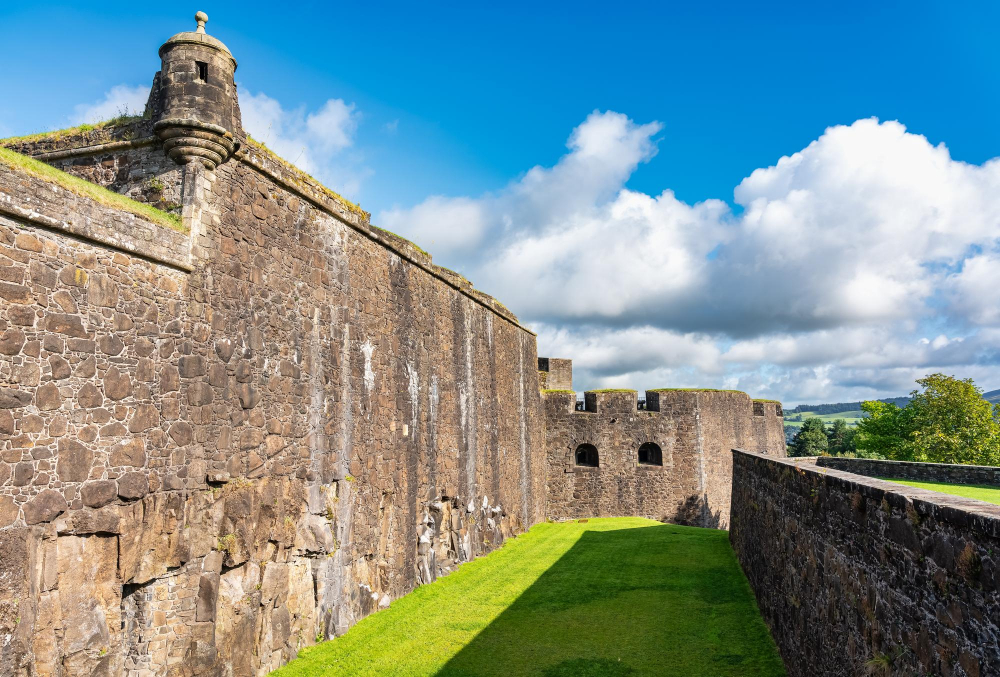
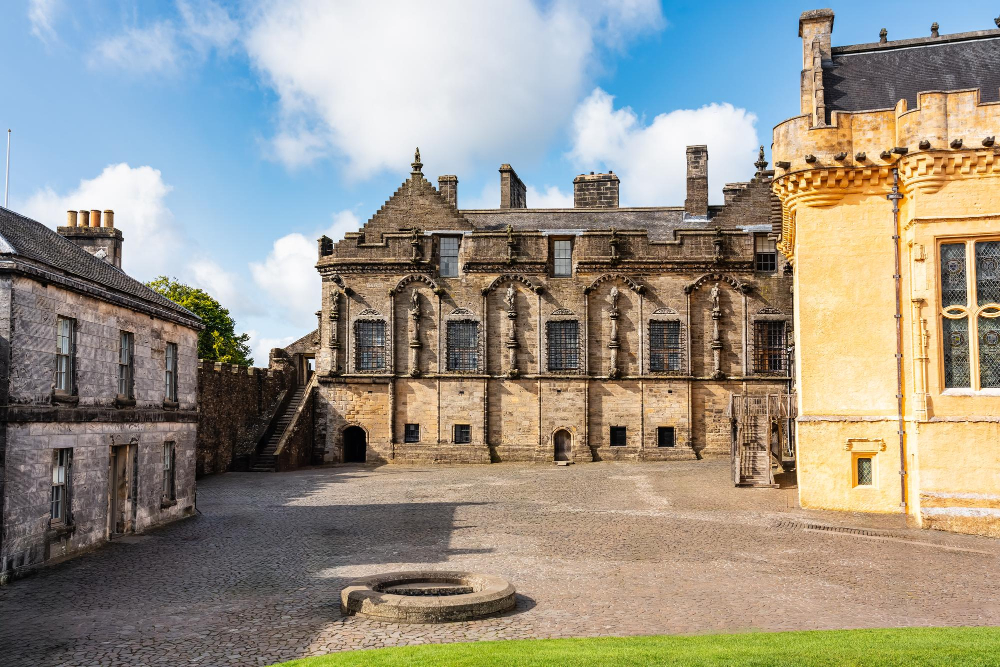
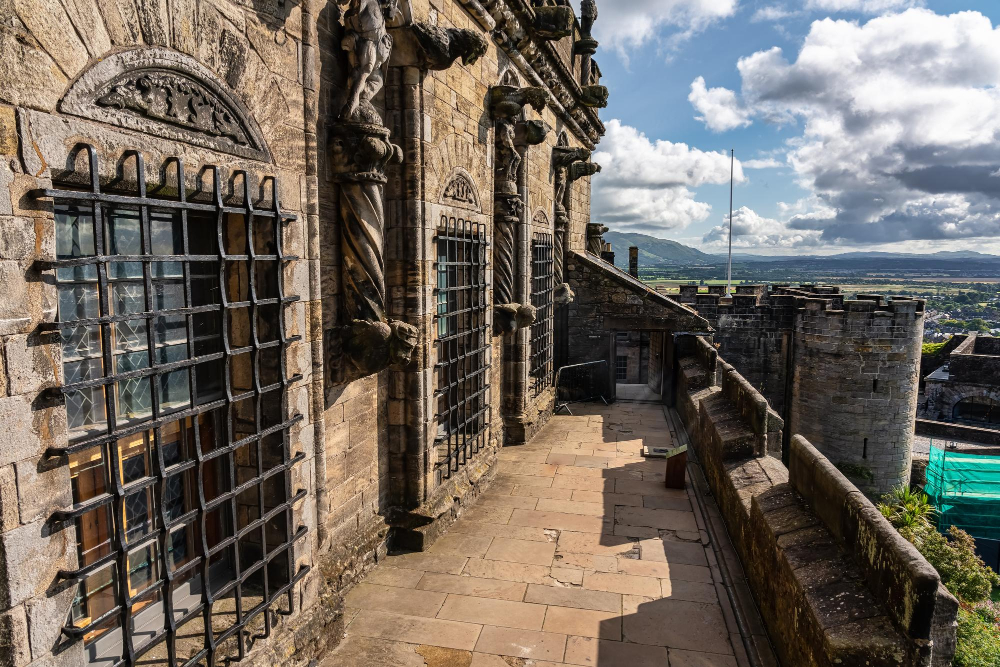
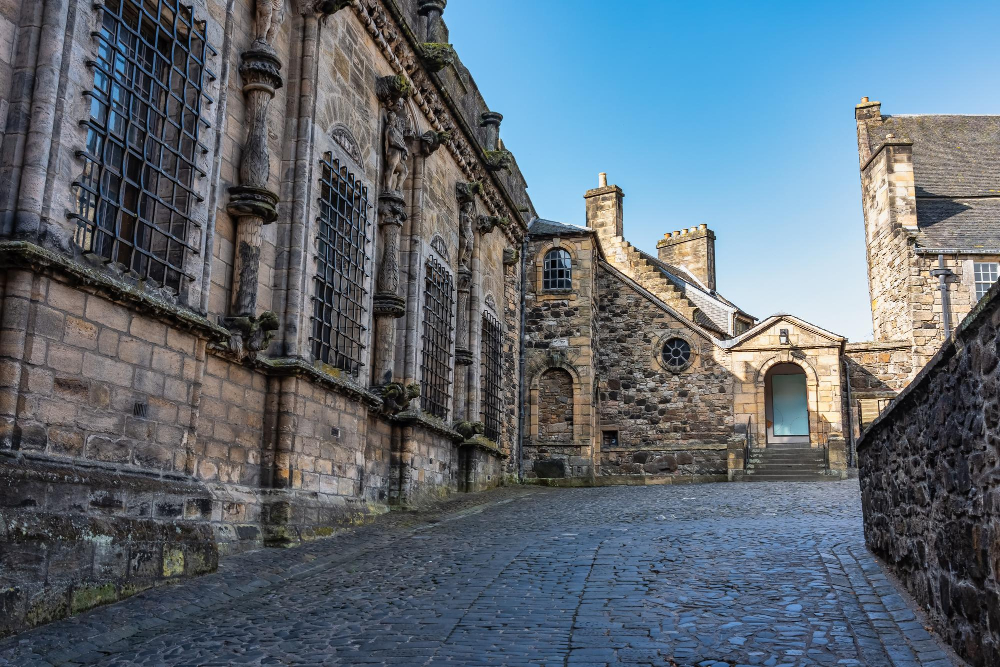
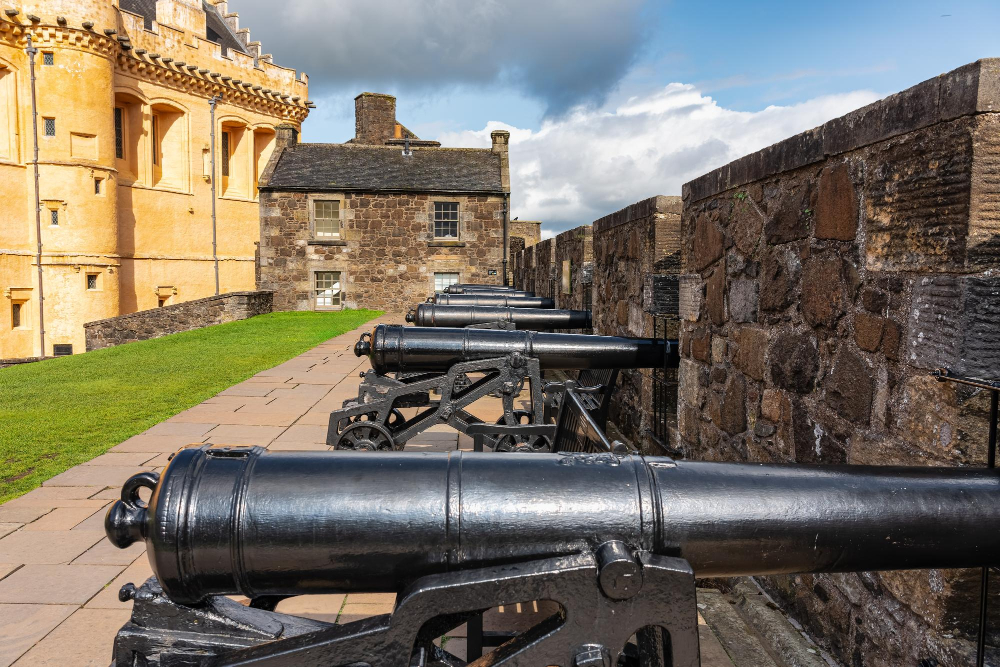
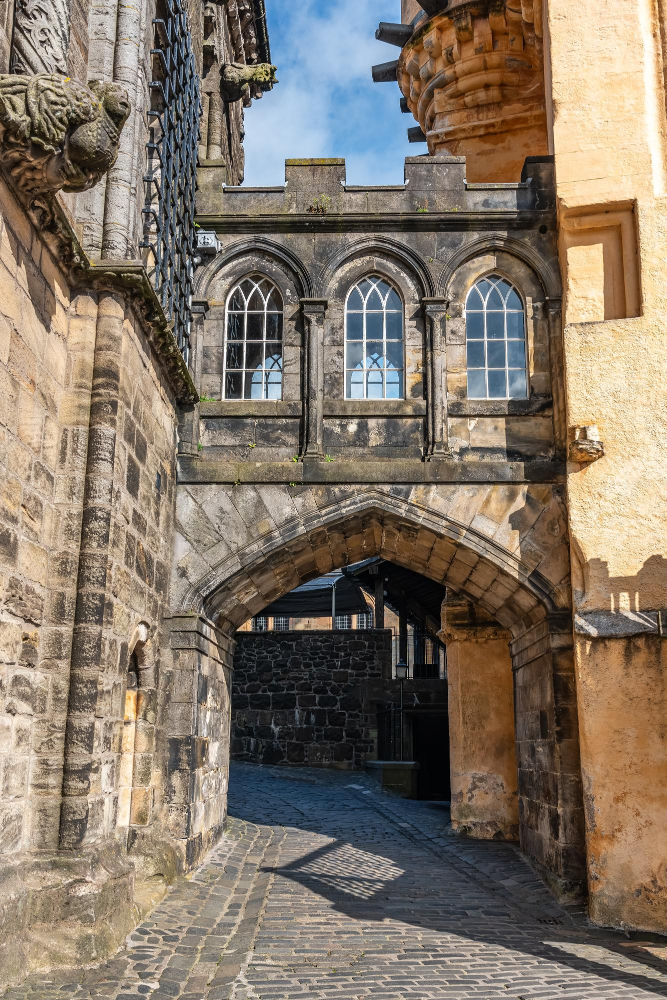
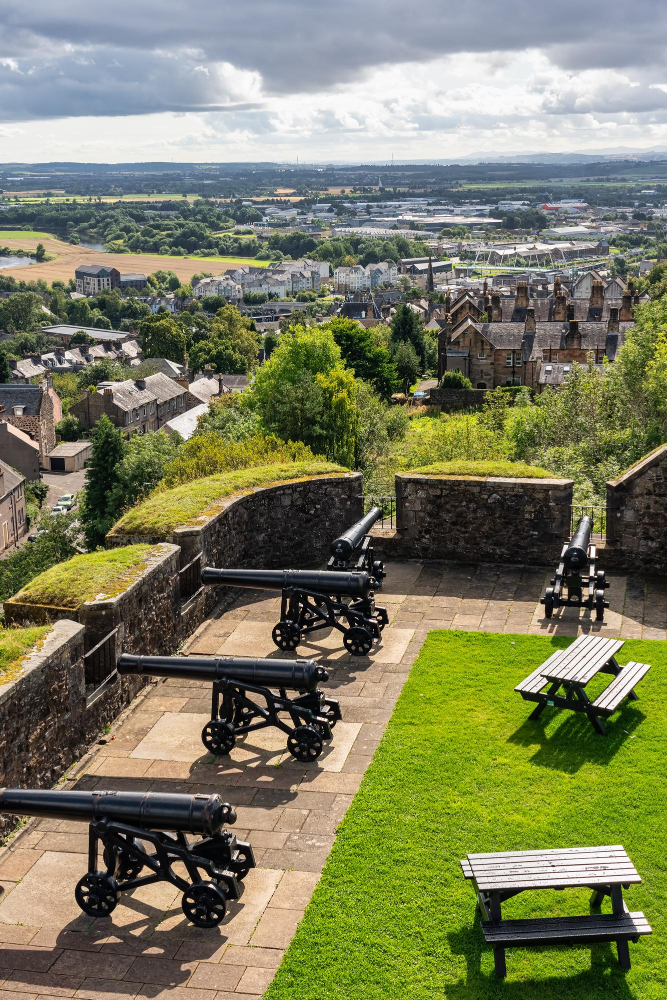
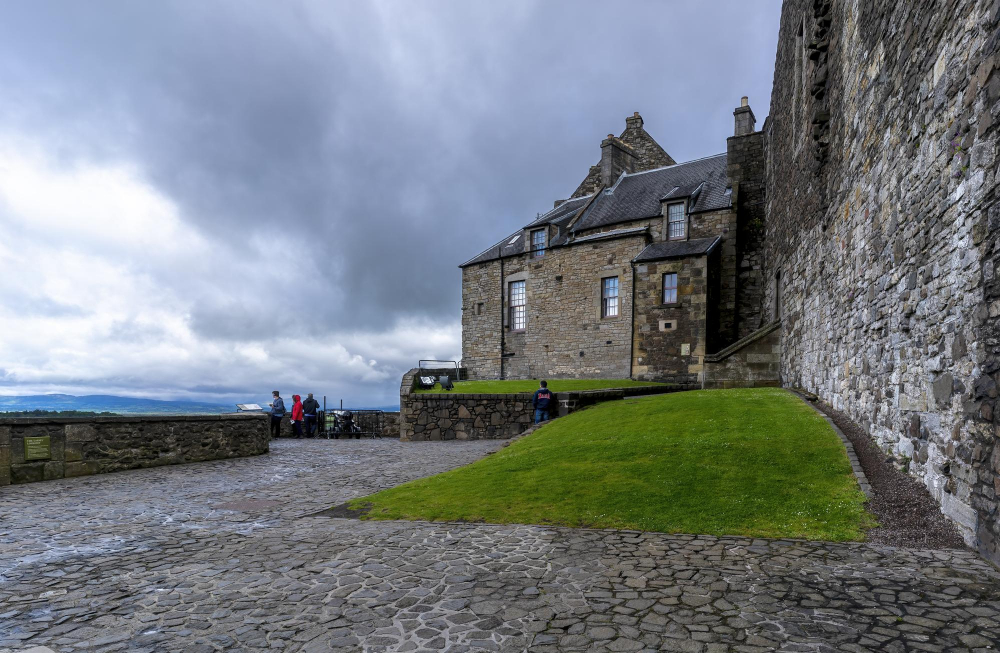
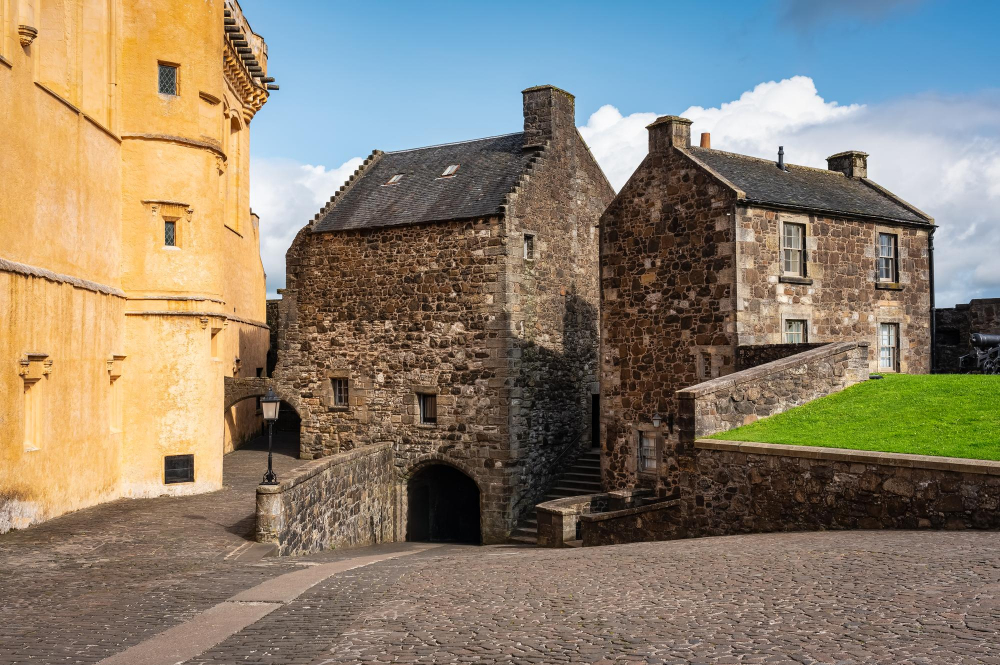
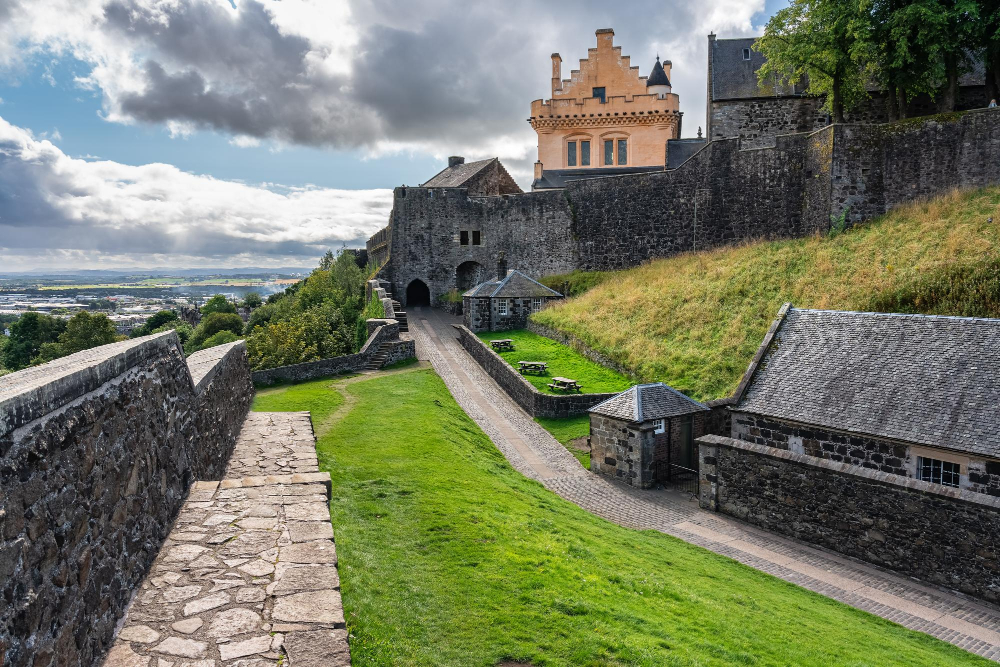
A city like no other – Stirling as a royal seat – Hardly any other Scottish city can match Stirling’s historical heritage. Although Edinburgh is now the capital, Stirling was once the royal seat and was declared a royal burgh by King David I in the 12th century. In 2002, Stirling received further recognition when it was granted city status as part of Queen Elizabeth II’s Golden Jubilee. One of the most impressive landmarks towering over the city is Stirling Castle, which sits high on a hill and offers unrivalled views of the surrounding countryside. The castle was not only a royal residence but also the scene of political intrigue and significant historical events. It was here that the young James VI, later James I of England, was crowned King of Scots in 1567.
Attractions that make Stirling unique
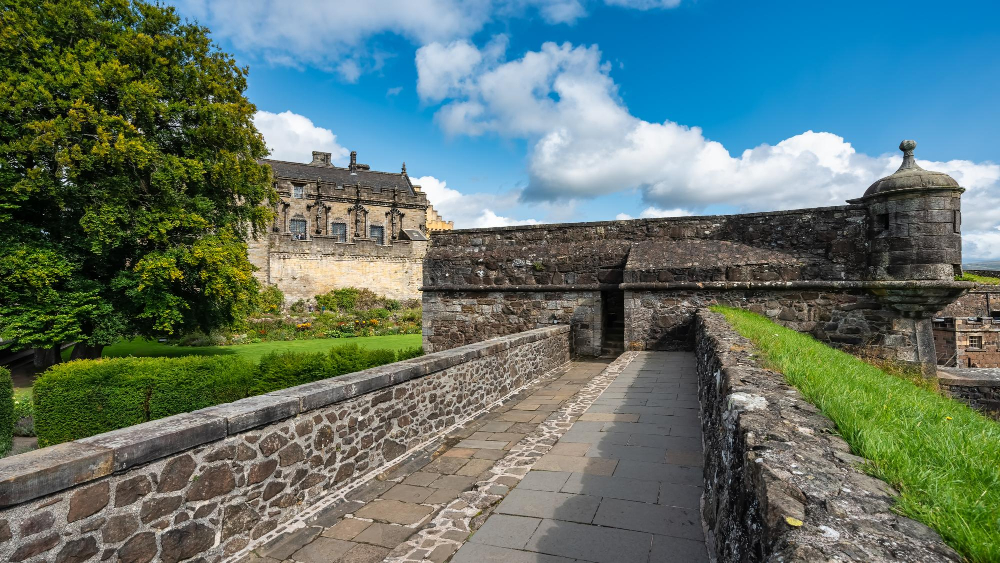
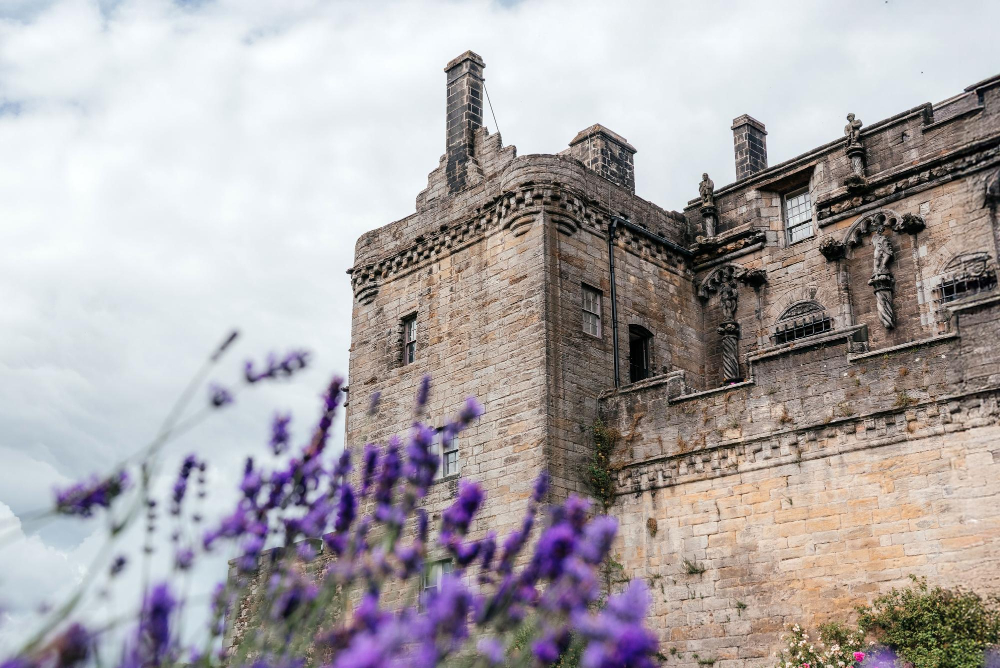
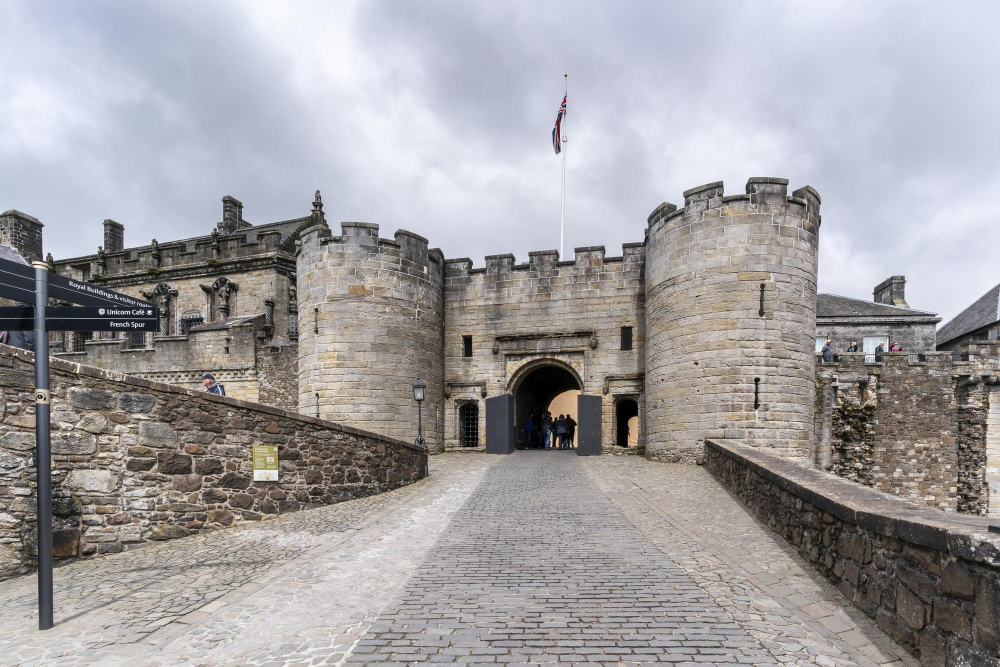
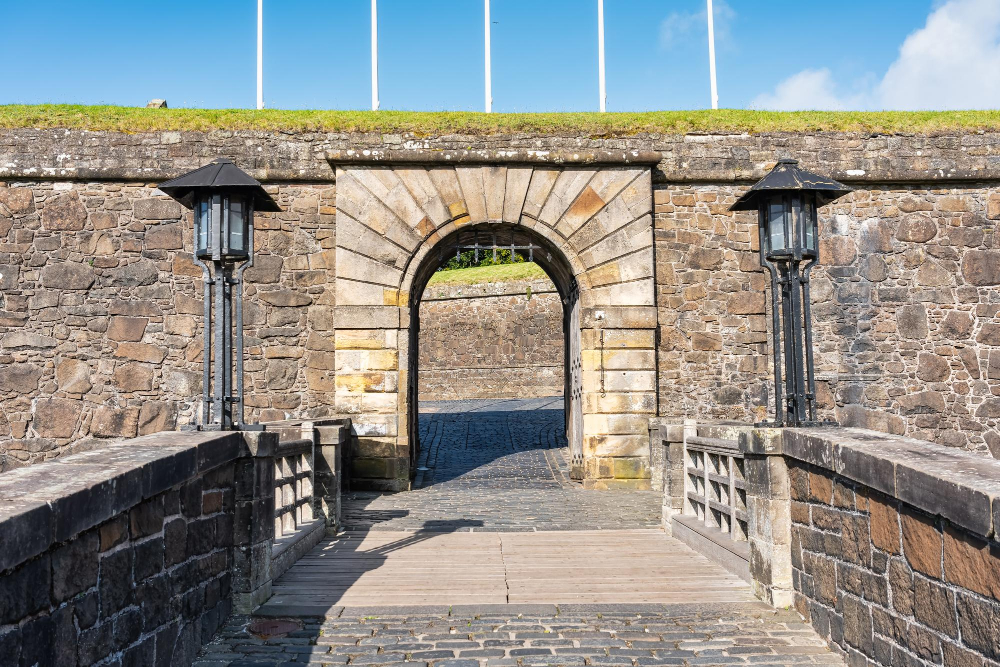
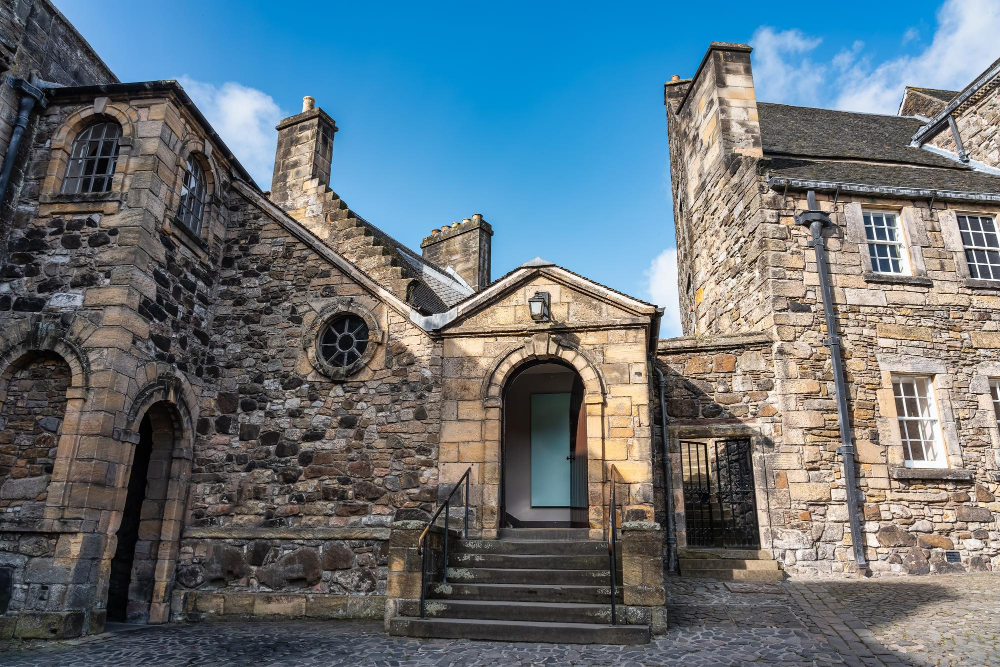
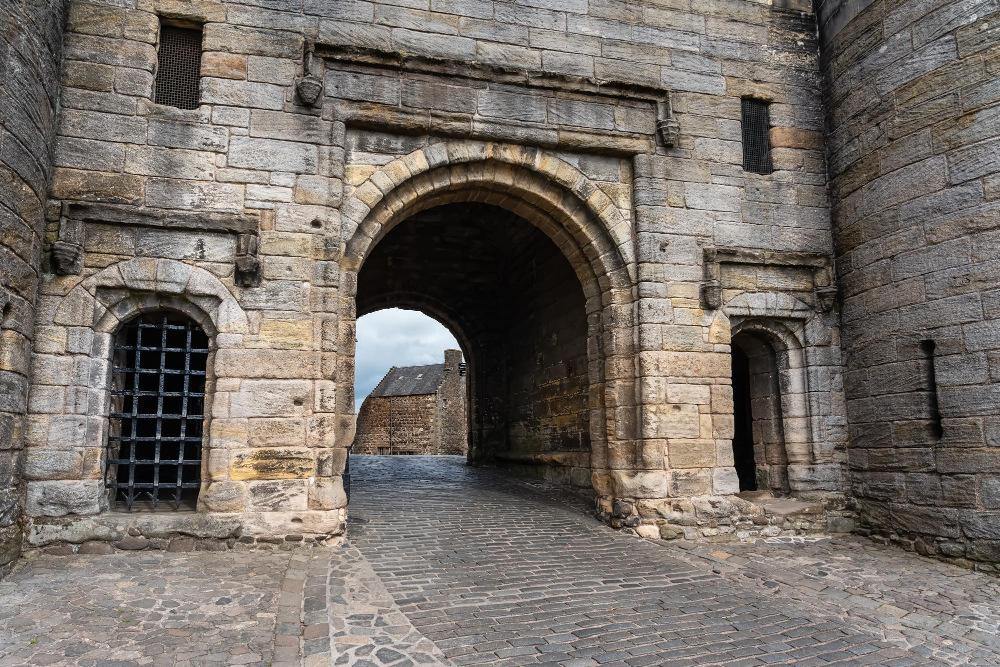
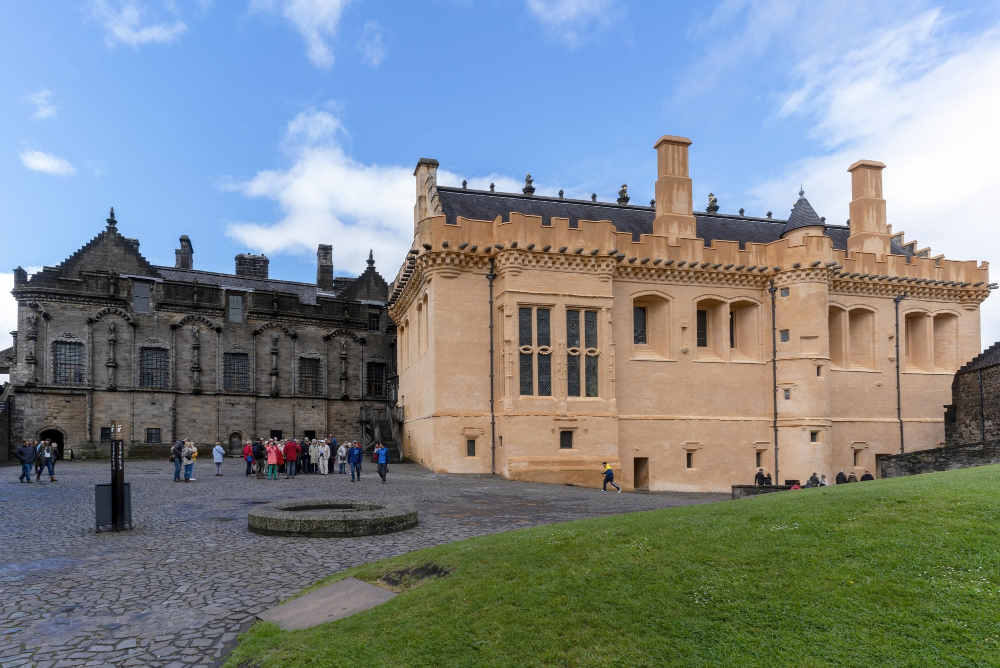
Stirling Castle: A journey through time – Stirling Castle is undoubtedly the city’s most famous attraction and draws numerous tourists every year. The castle serves as a living museum, recounting the dramatic struggles for Scottish independence and its rich royal traditions. Particularly impressive are the Great Hall, Scotland’s largest medieval hall, and the Stirling Heads Gallery, where intricately carved wooden medallions depict the heads of historical figures.
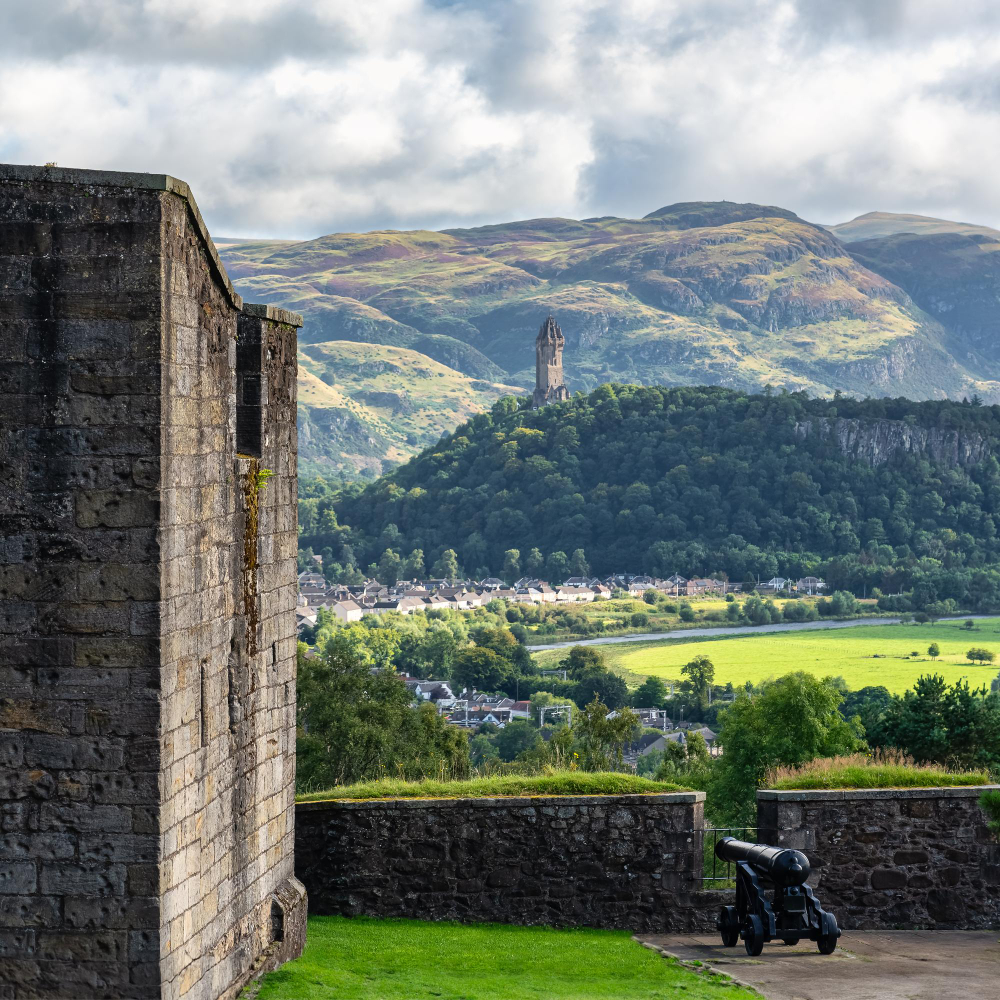
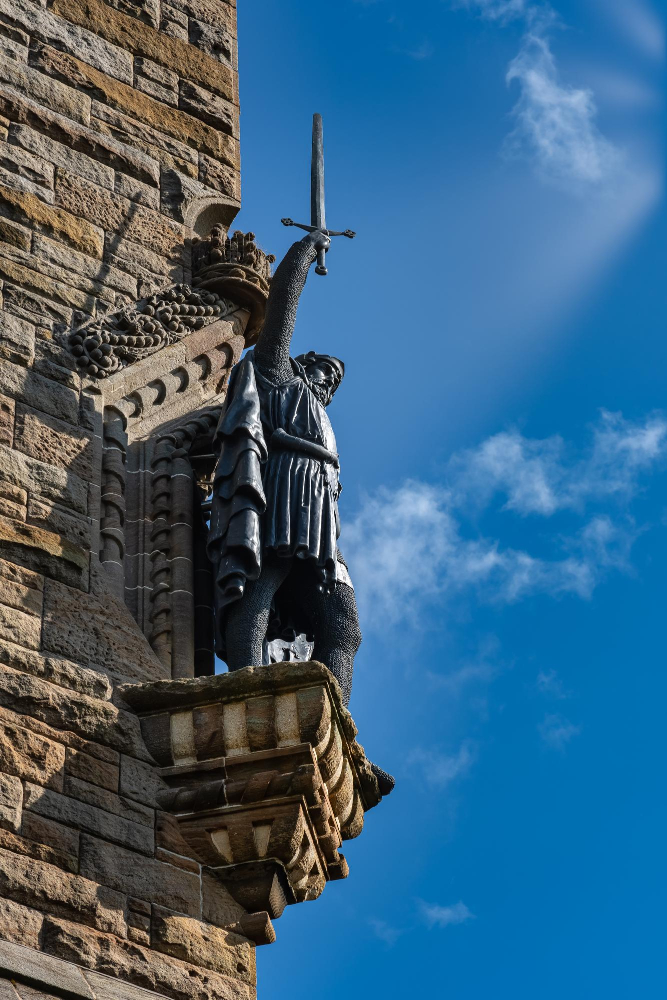
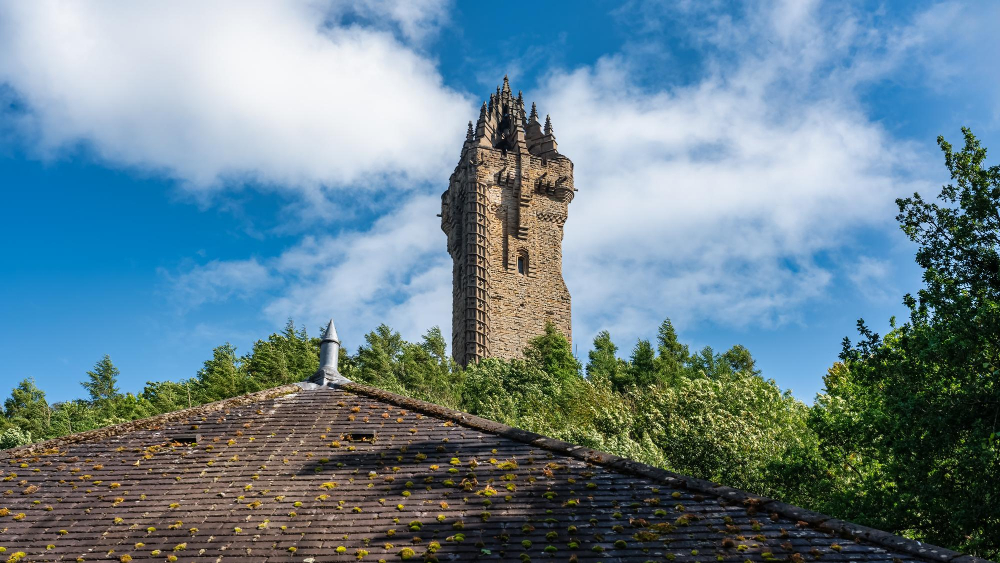
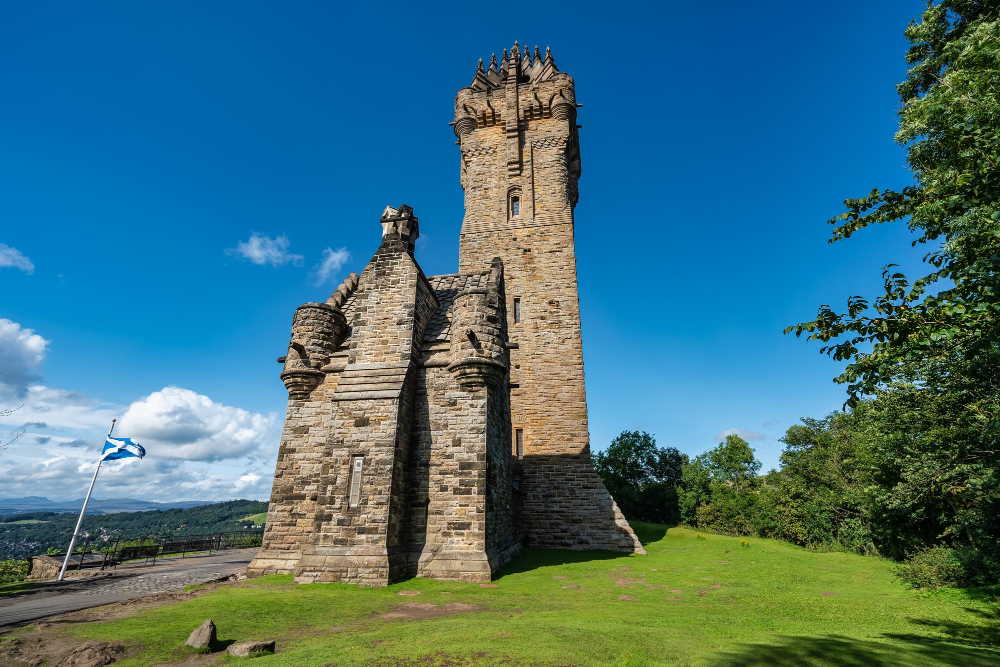
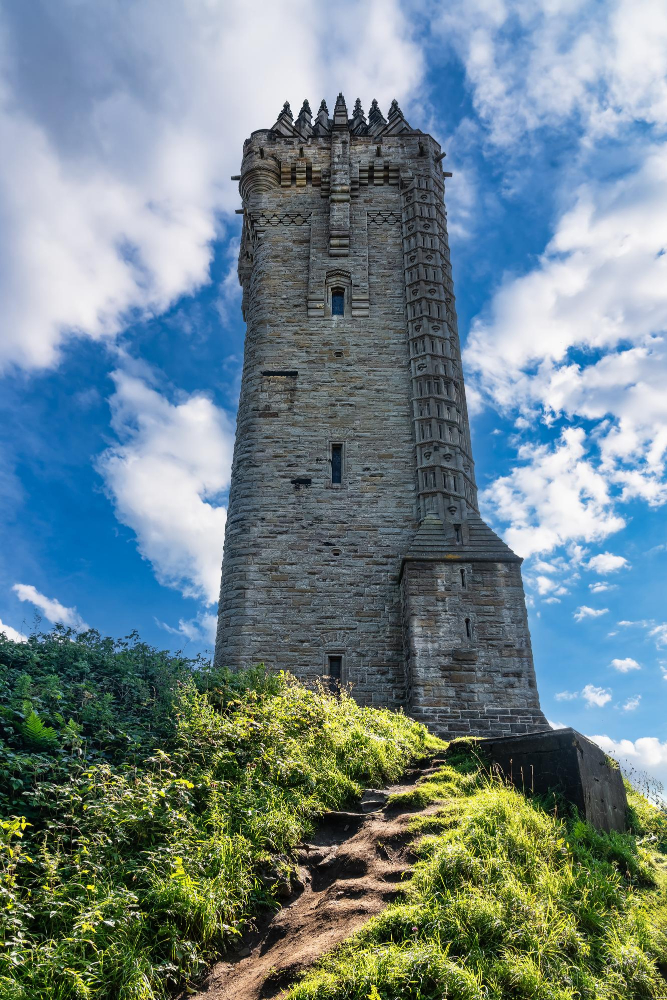
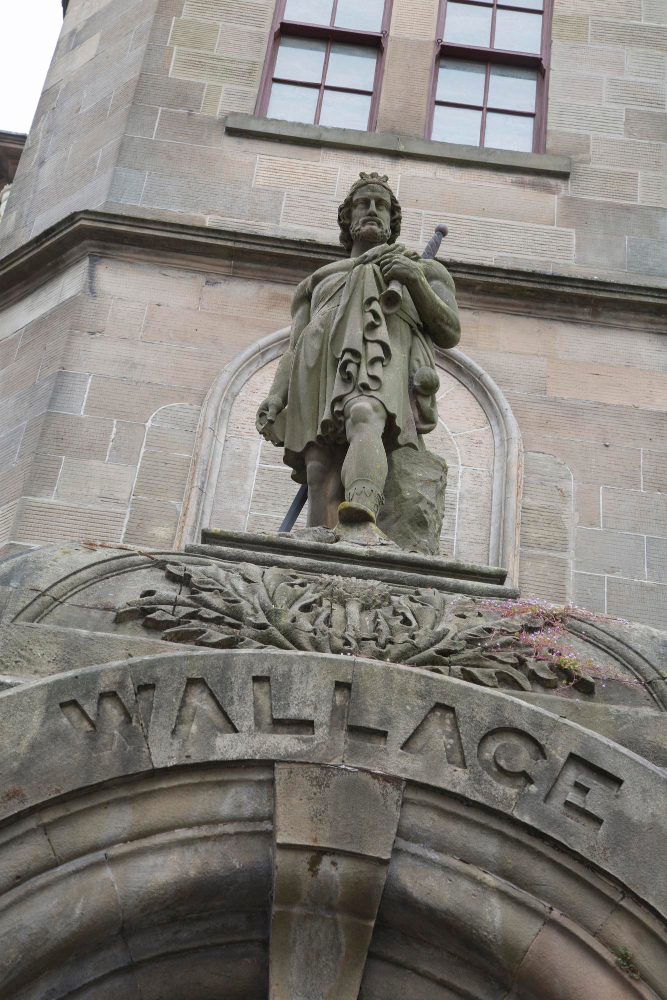
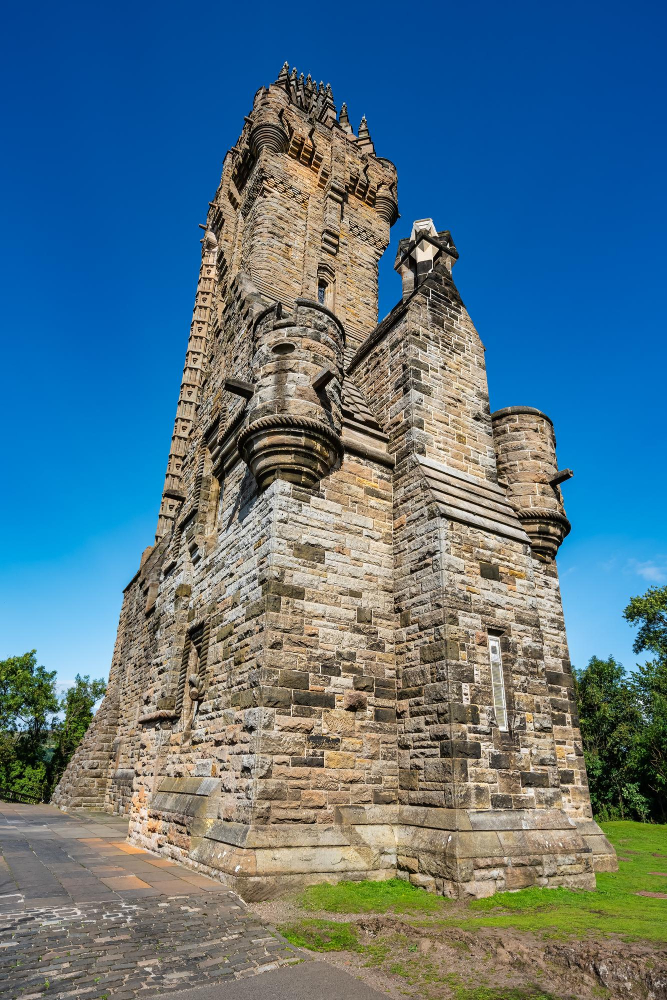
The Wallace Monument: A tribute to Scotland’s hero – On nearby Abbey Craig stands the imposing Wallace Monument, a 67-metre-high tower dedicated to the freedom fighter William Wallace. The climb may be strenuous, but the view from the top rewards you with breathtaking vistas of the Highlands and the surrounding countryside. Inside the monument, visitors can learn more about Wallace’s life and his role in the Battle of Stirling Bridge.
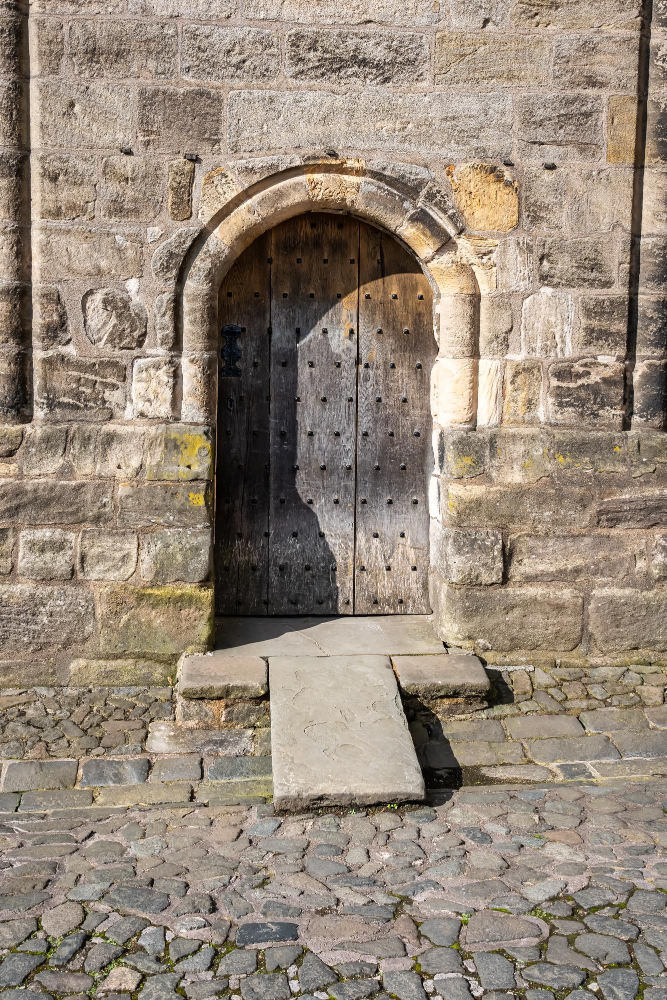
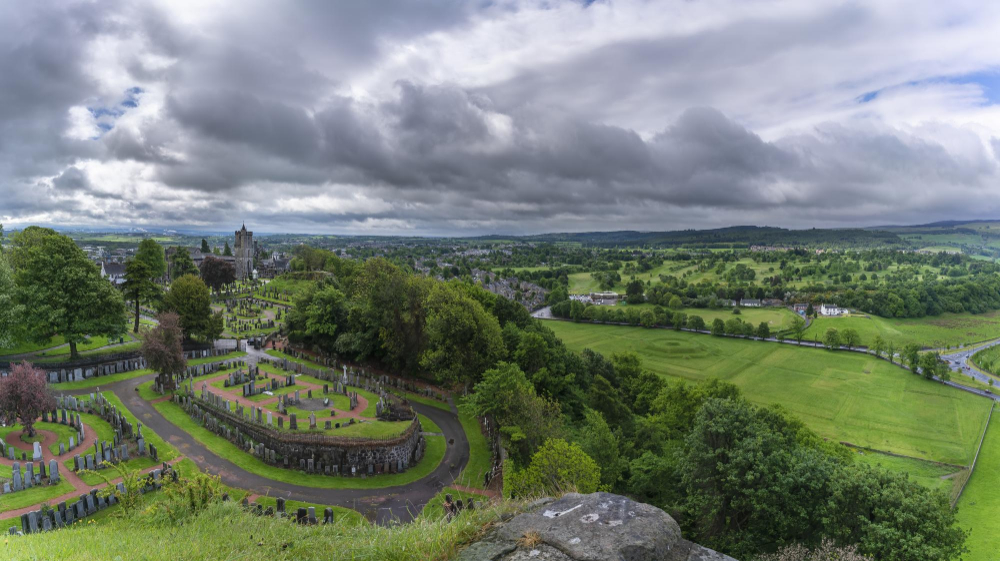
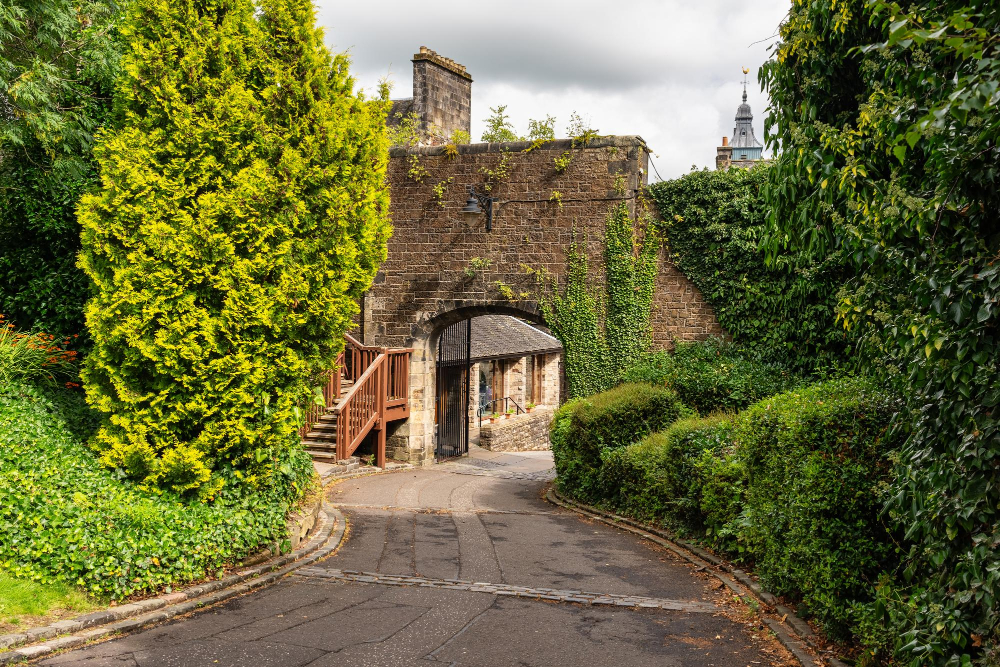
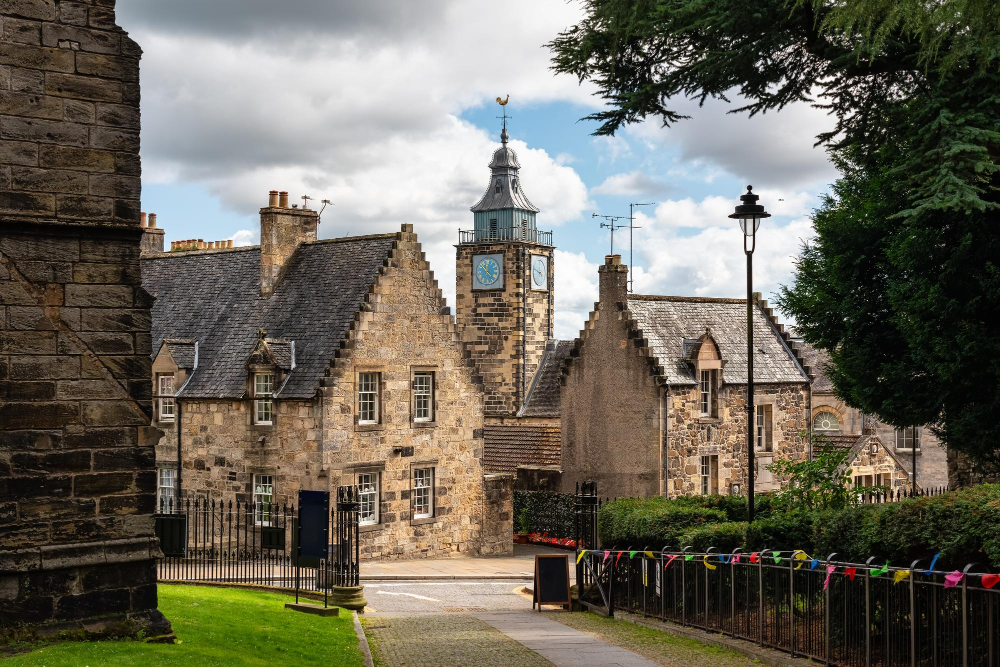
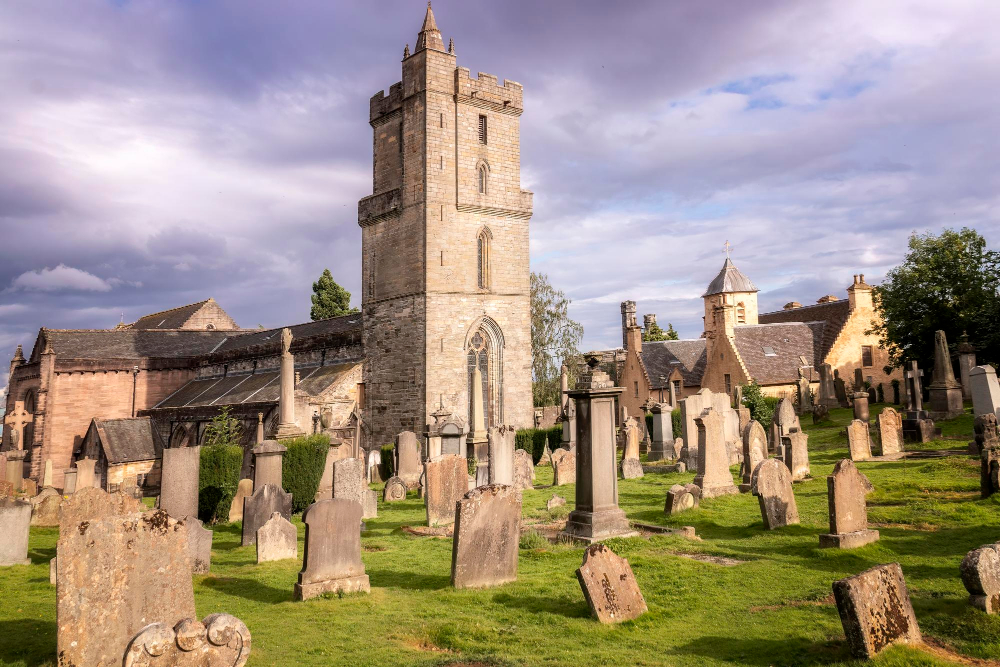
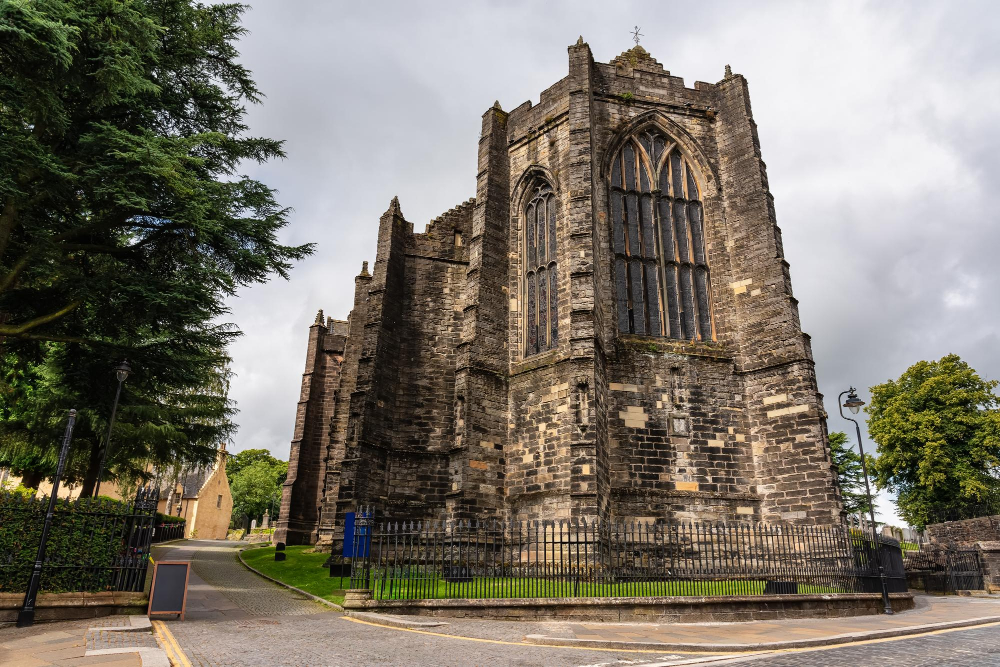
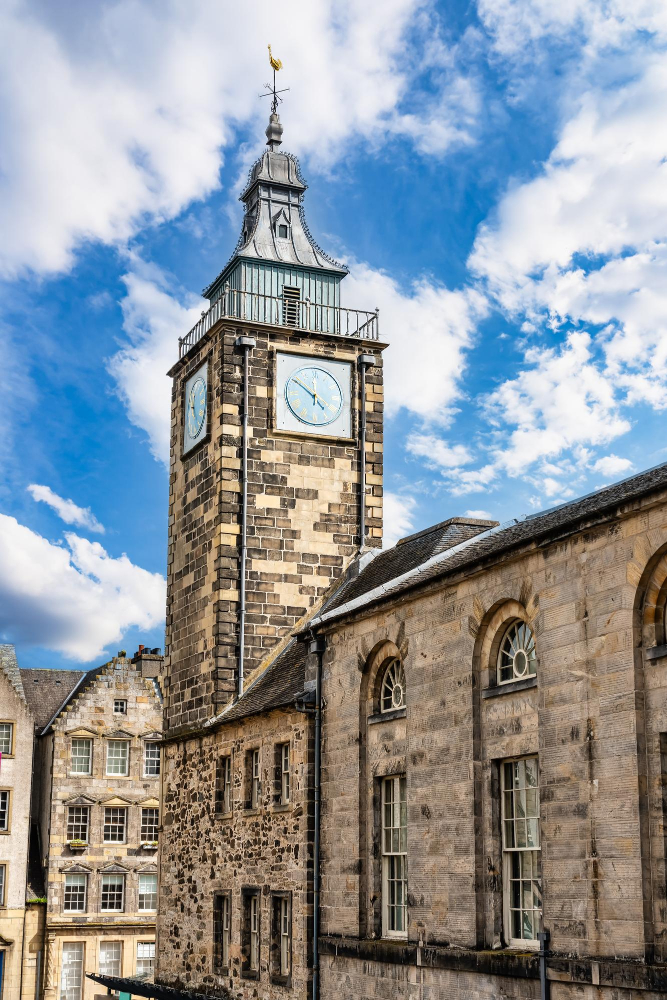
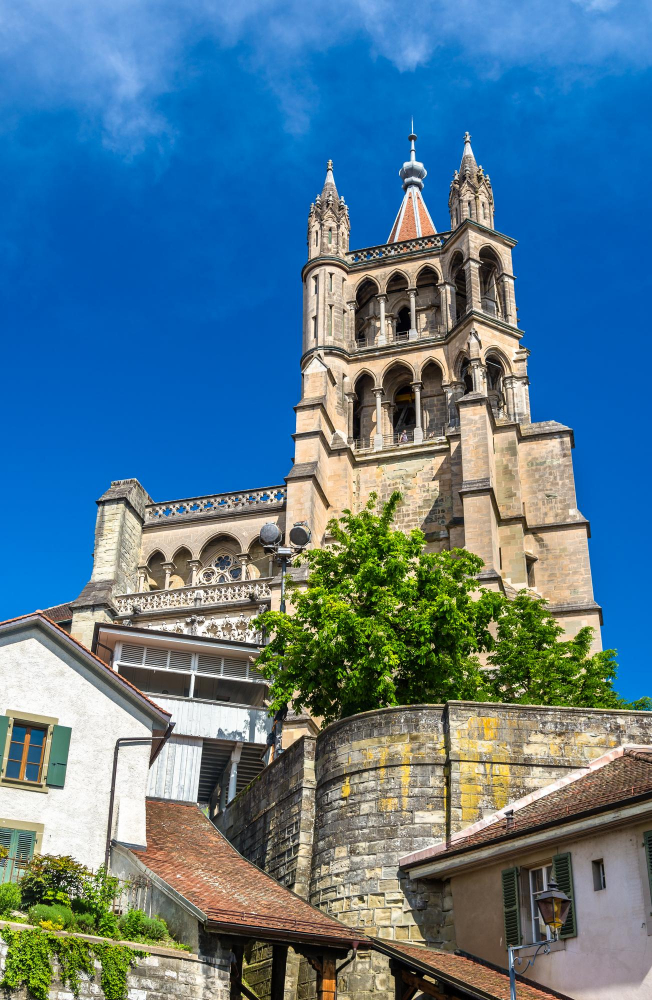
The Old Town and Holy Rude Church – A stroll through Stirling’s Old Town feels like a journey back in time. The cobbled streets and medieval buildings tell tales of merchants, craftsmen and royal festivities. Particularly worth seeing is Holy Rude Church, which, alongside Westminster Abbey, is one of the few churches where a coronation has taken place. Its imposing architecture and well-preserved stained-glass windows make it a highlight for lovers of architecture and art.
Cambuskenneth Abbey – Another historical gem is Cambuskenneth Abbey, the final resting place of King James III and his wife Margaret of Denmark. Although only a few remains of this abbey survive, the site offers a peaceful and fascinating atmosphere that provides insights into the religious and political structures of the Middle Ages.
Nature and scenic diversity around Stirling – It is not just history that makes Stirling a magnet for visitors – the surrounding natural landscape is equally spectacular. The city is often referred to as the ‘Gateway to the Highlands’, as this is where the flat, fertile plains of the Lowlands meet the wild, rugged mountains of the Highlands. The surrounding hills, including Dumyat and Ben Vorlich, invite hikers and adventurers to discover the region’s beauty. For less experienced walkers, there are gentle paths along the River Forth or through King’s Park, where prehistoric rock carvings and magnificent views await.
Stirling today – modern life in a historic city – Today, Stirling is far more than just a historical monument. As an administrative centre, university town and commercial hub, it blends tradition with modernity. The lively city centre is full of restaurants, pubs, boutiques and a wide range of cultural attractions. The annual Stirling Highland Games and other festivals further enliven the city and attract visitors from all over Scotland and beyond.
Is it worth a visit? – Absolutely! Stirling combines everything you’d expect from a Scottish city – a rich history, impressive sights, picturesque landscapes and a vibrant culture. The city is perfect for day trips from Edinburgh or Glasgow, but a longer stay is also well worth it to explore the surrounding area and delve deeper into the stories Stirling has to tell. Whether you’re exploring the majestic Stirling Castle, climbing the Wallace Monument, or simply strolling through the charming alleyways of the Old Town – Stirling will take your breath away and give you the feeling of having experienced a piece of Scottish history up close.