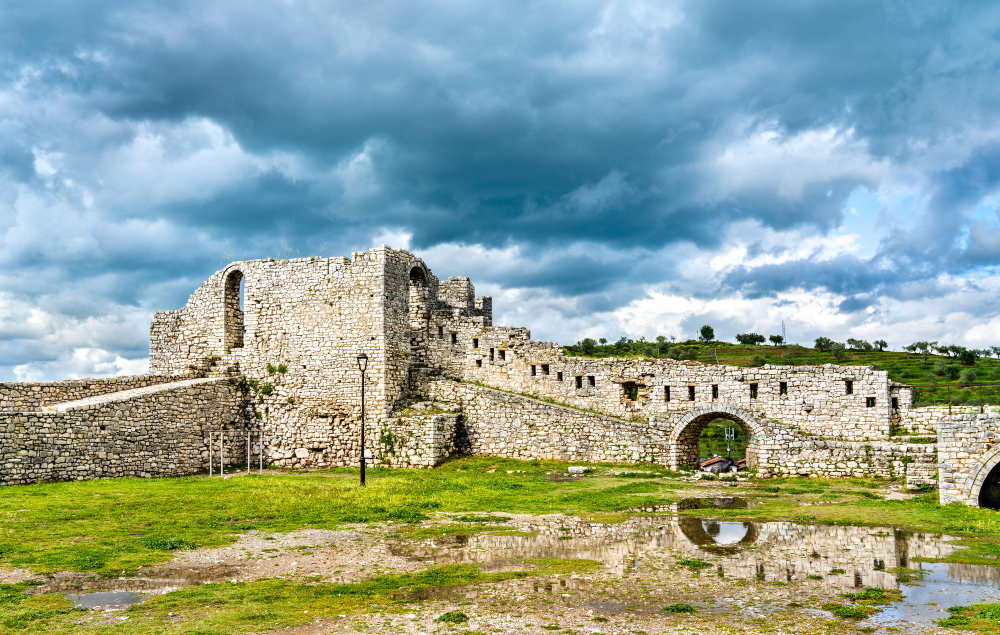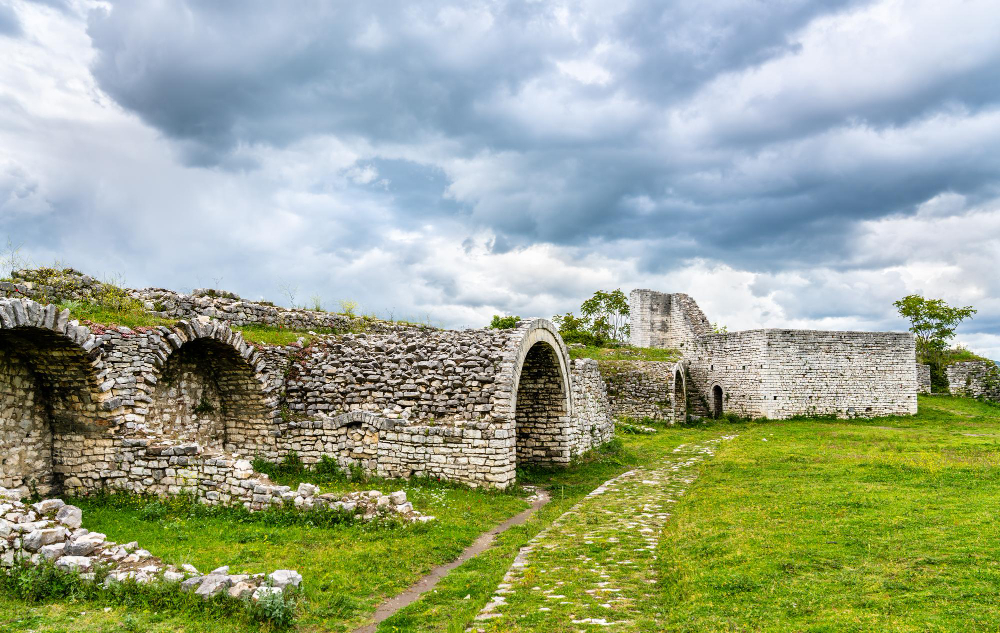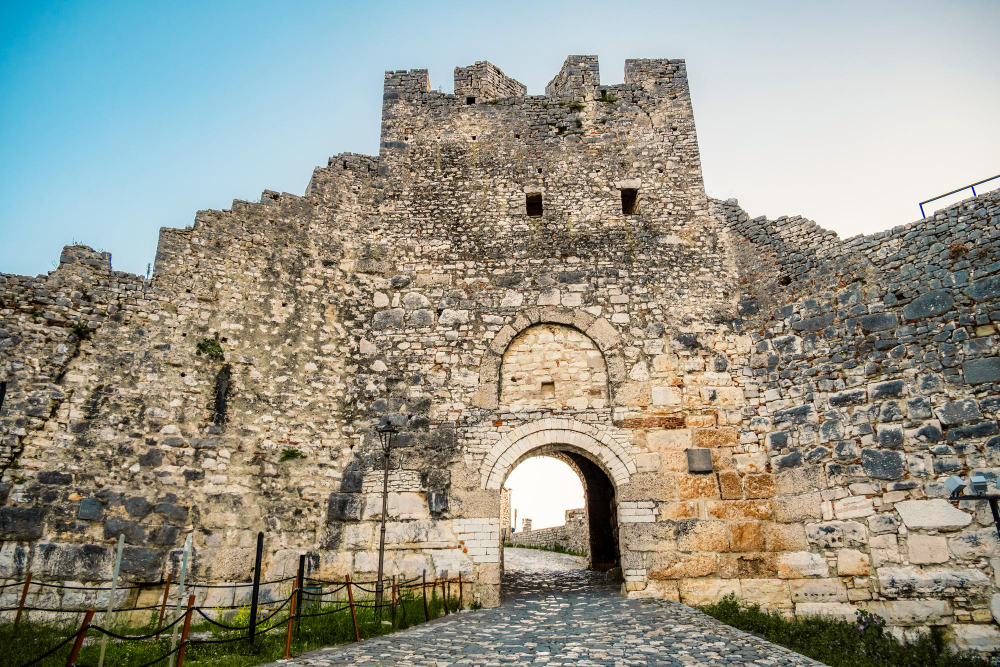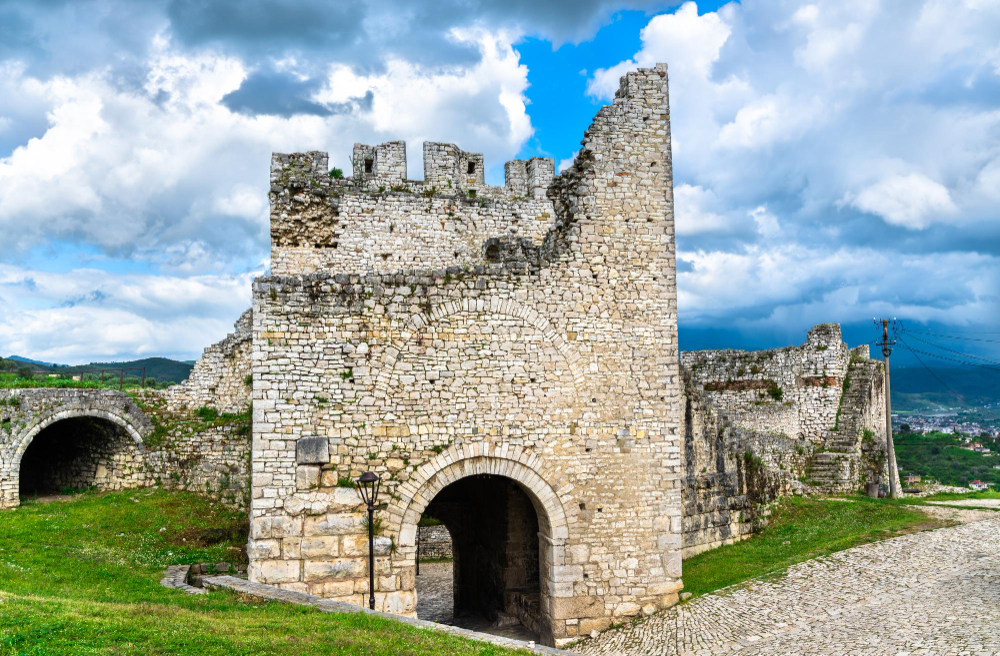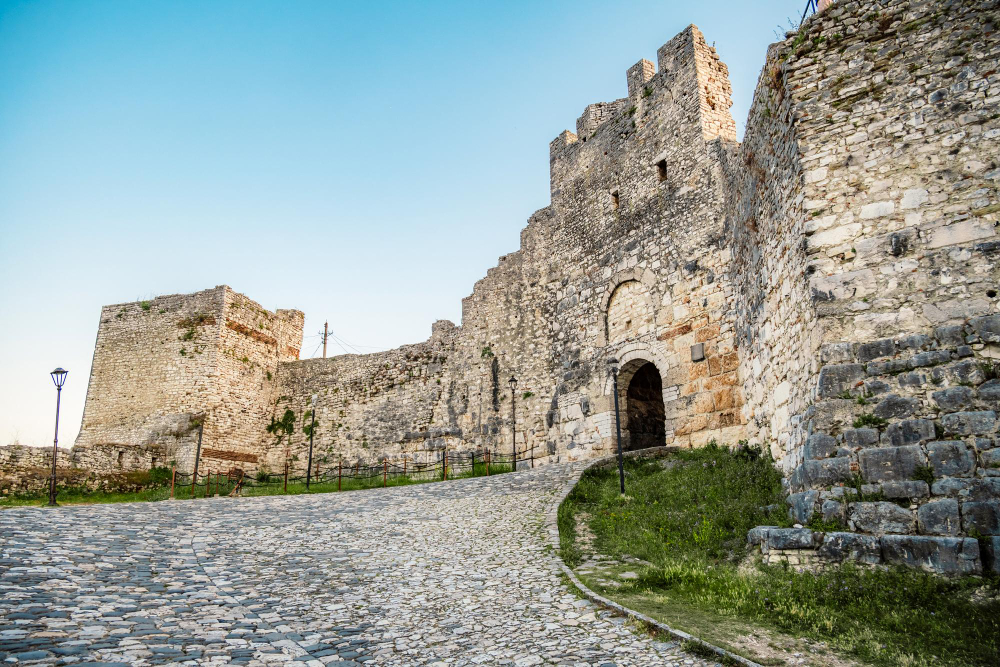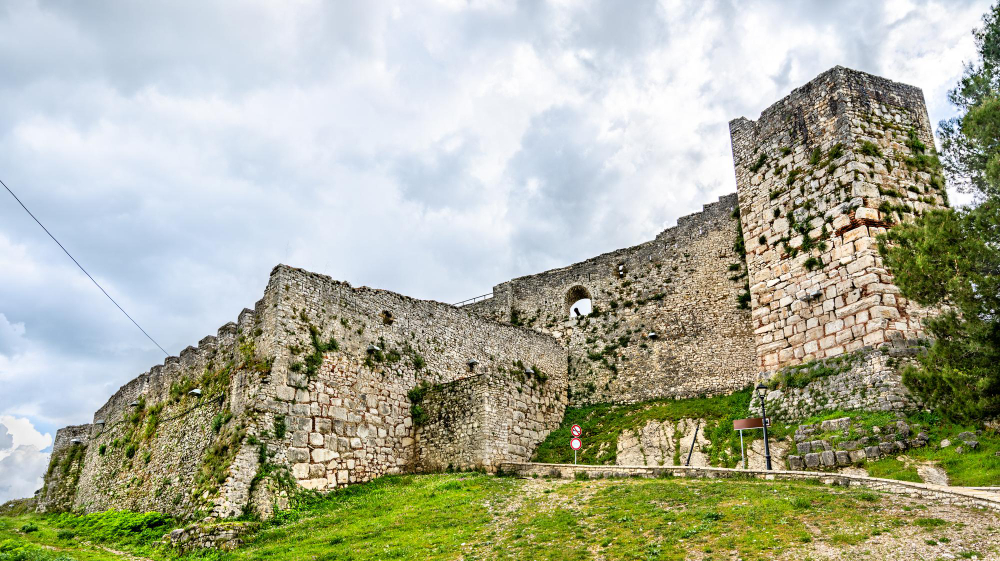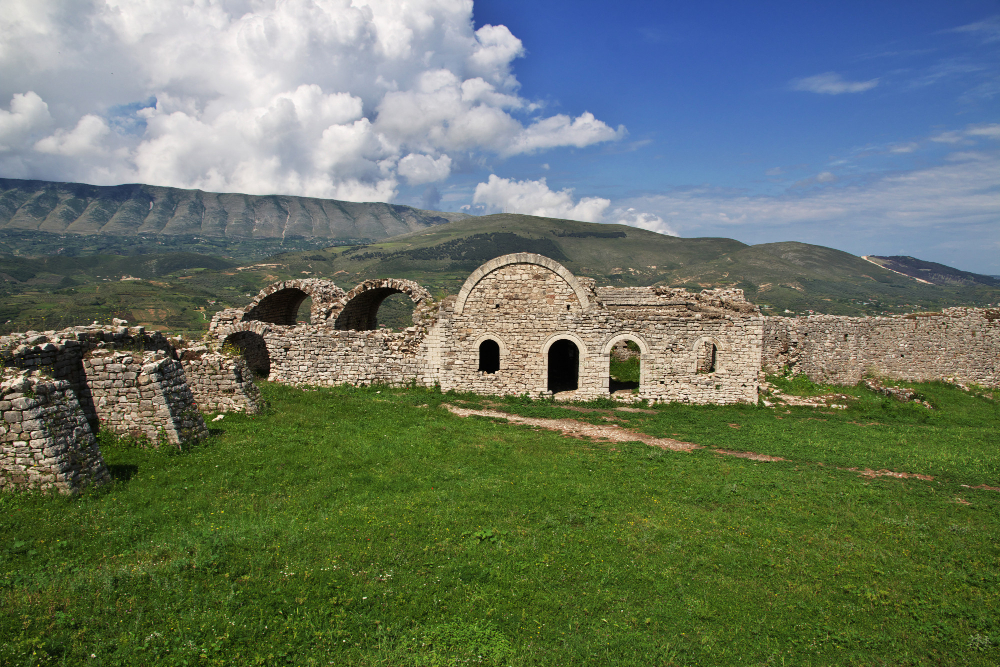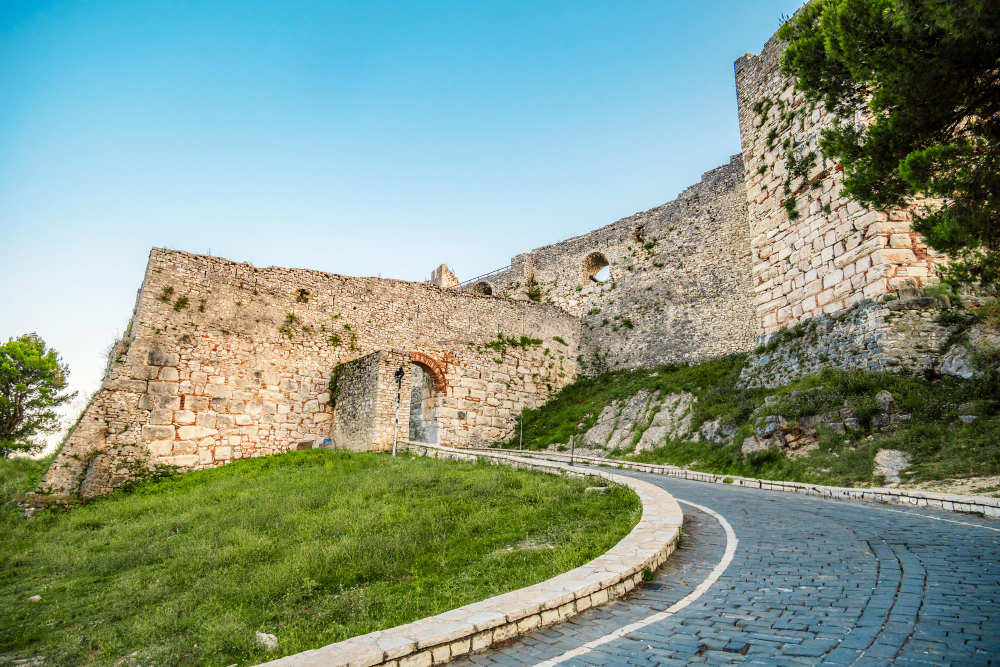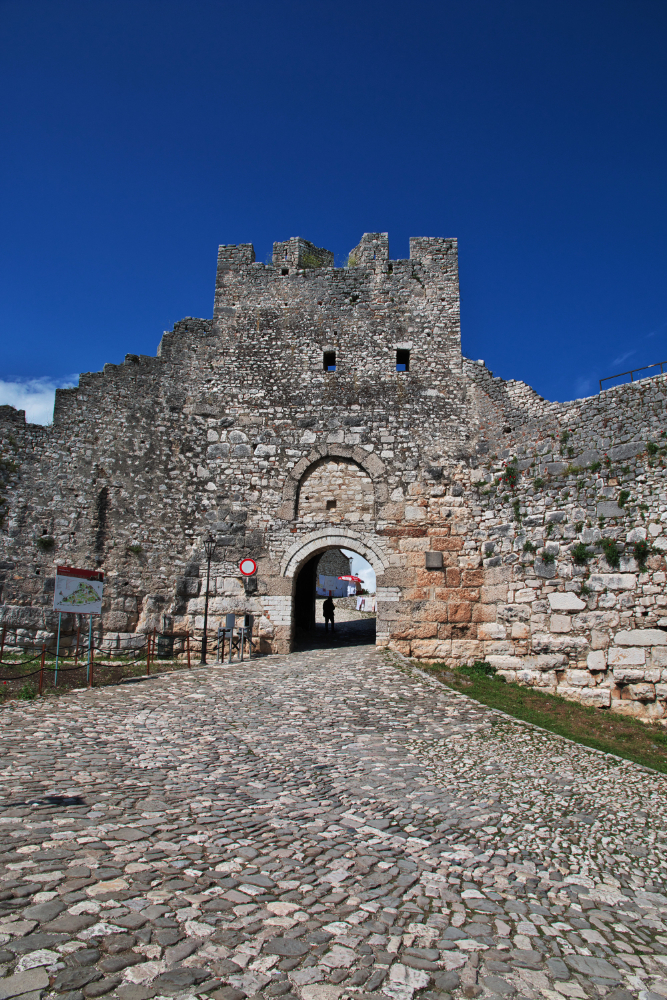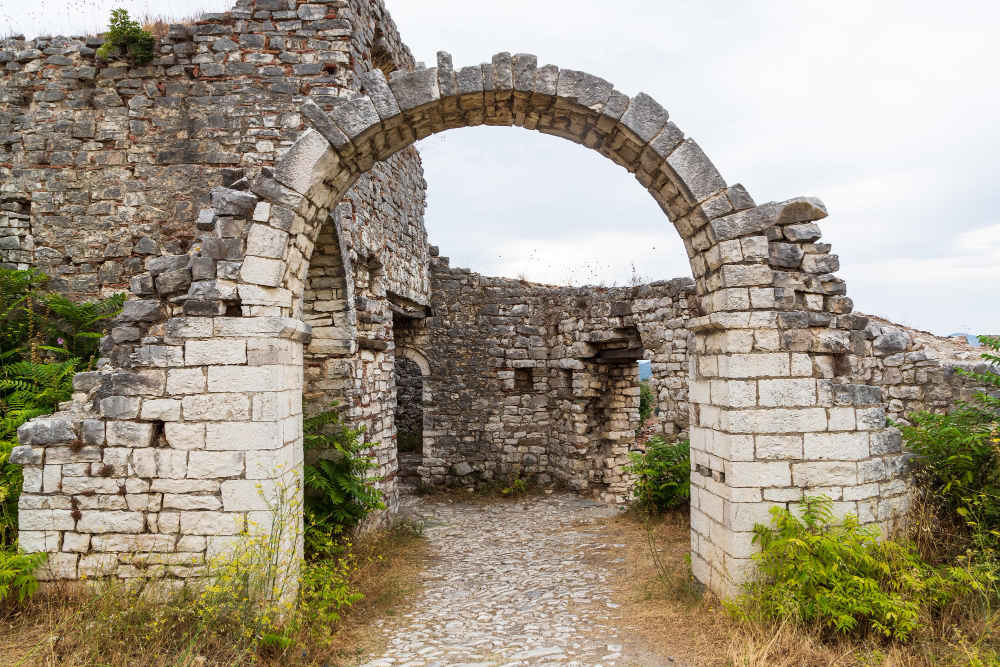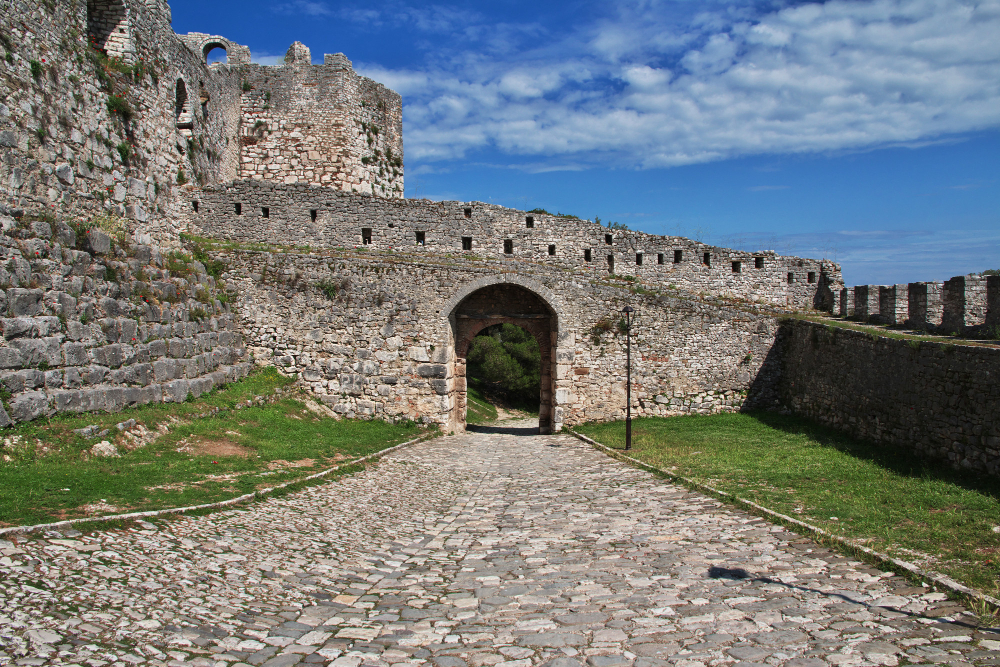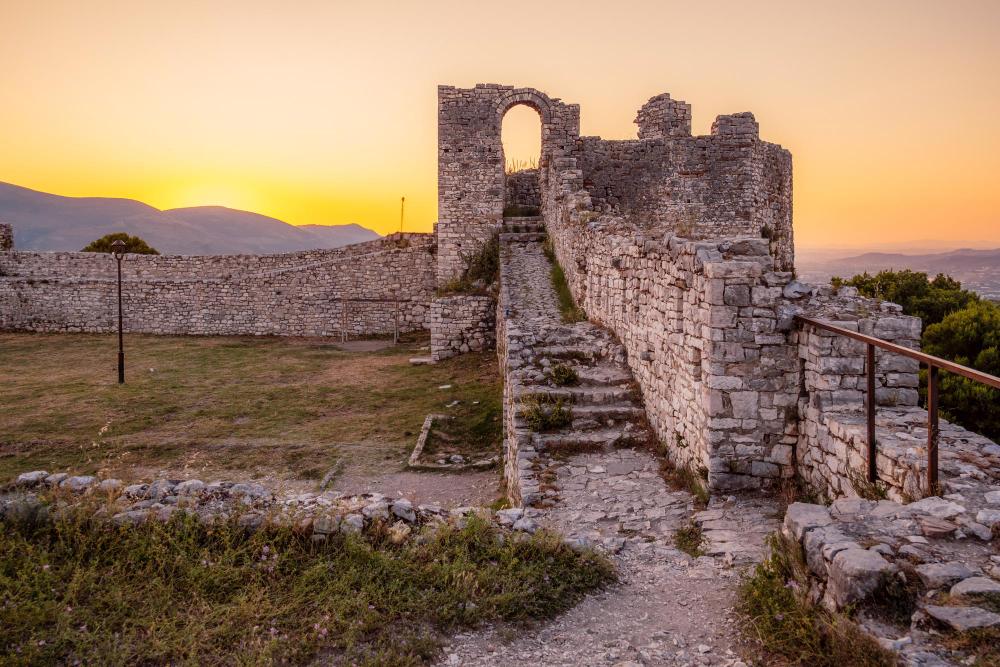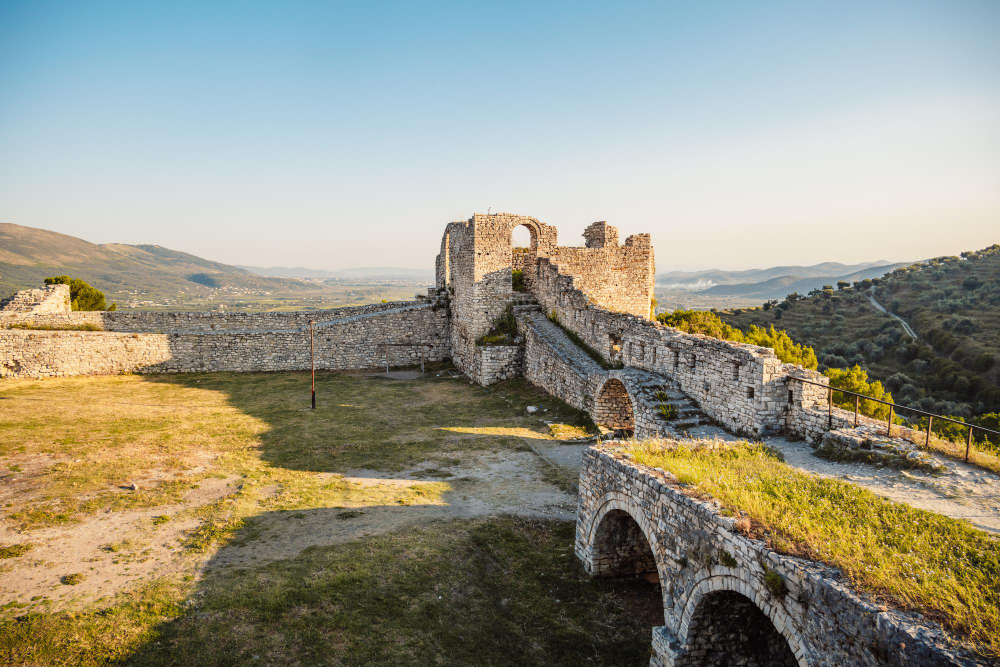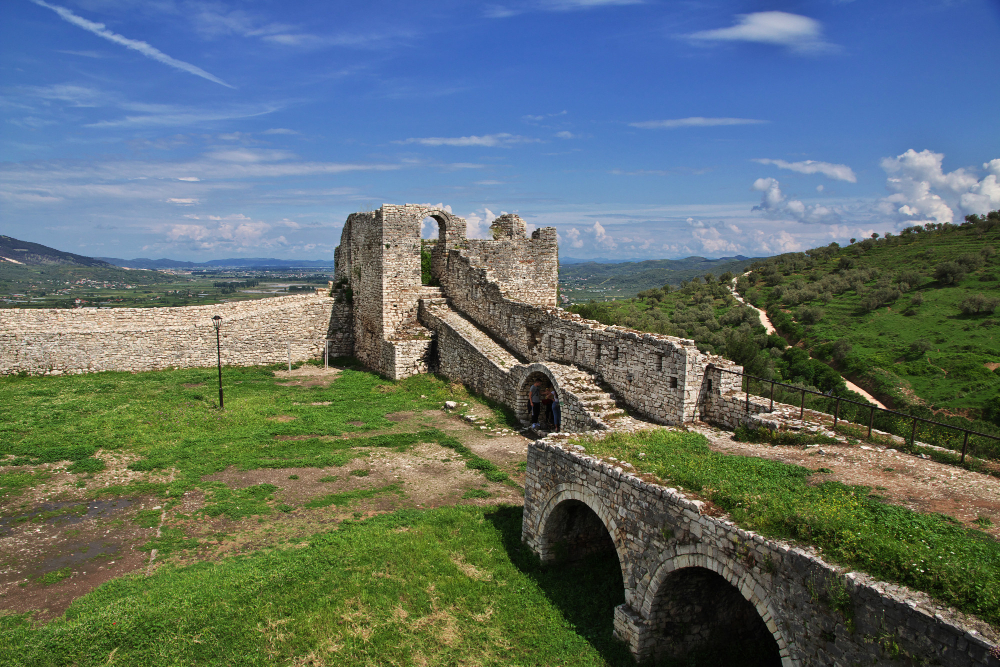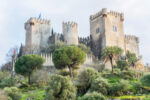
Berat Castle, also known as Kalaja e Beratit, towers majestically over the city of Berat in Albania. With its rich history, marked by highs and lows, and its impressive religious and cultural buildings, it is one of the country’s most significant cultural and historical landmarks. Its roots stretch back to antiquity, and its walls bear witness to many centuries of human history. At the same time, numerous stories and legends surround the fortress, making this place all the more fascinating.
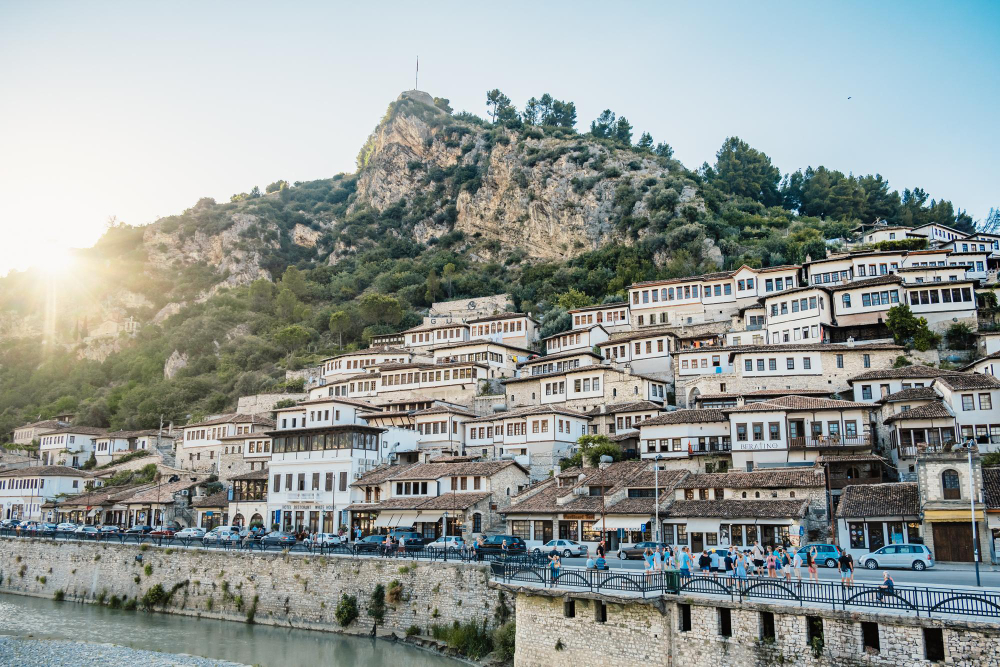
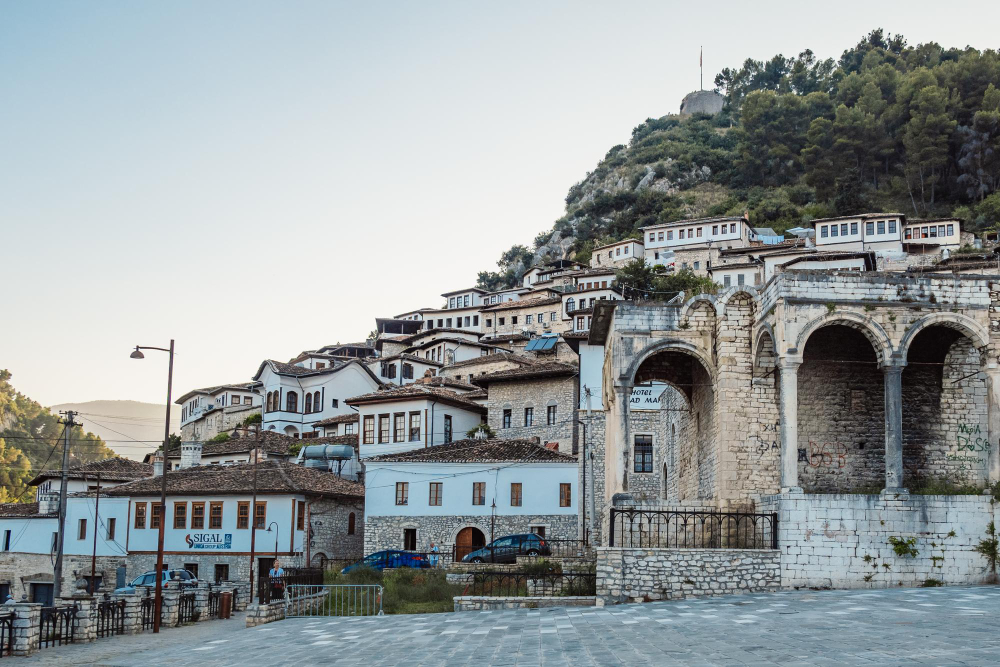
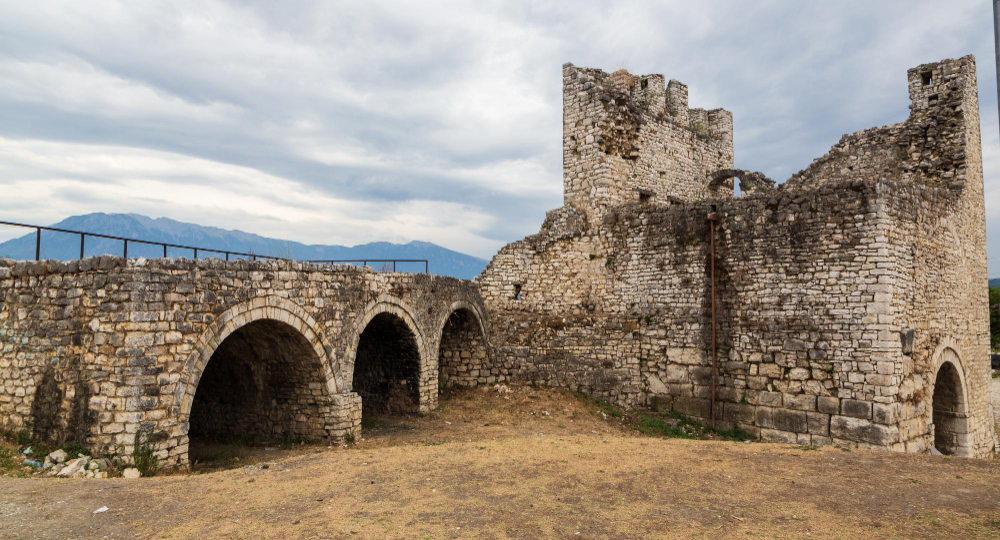
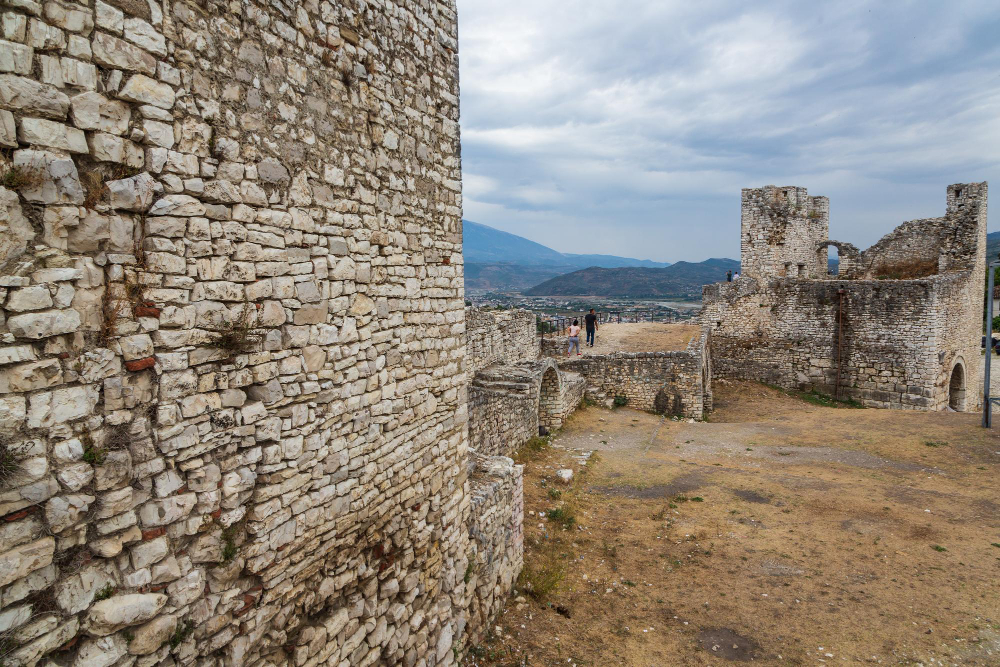
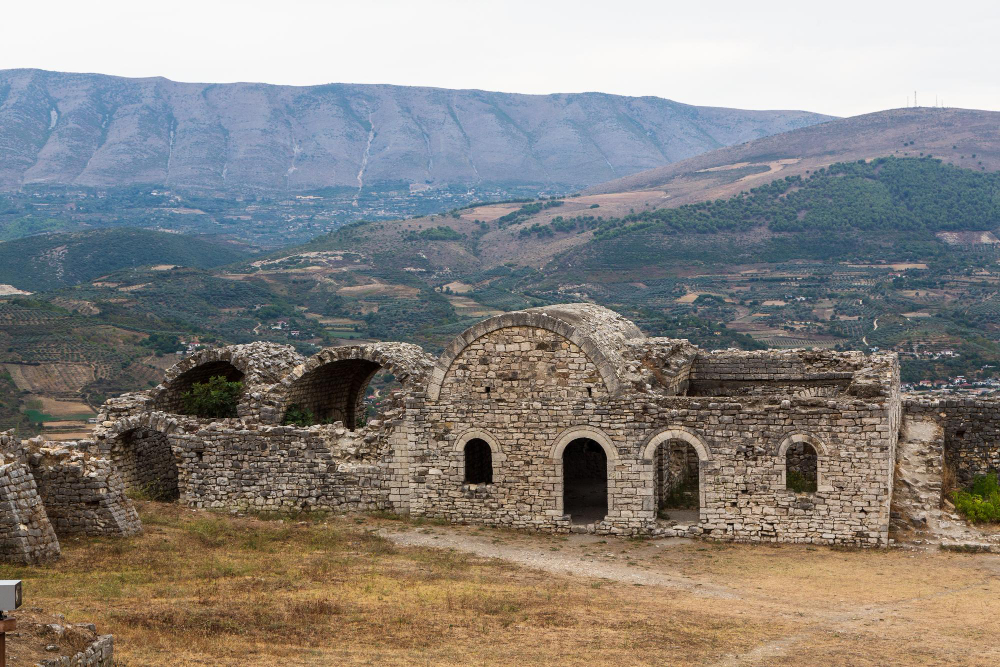
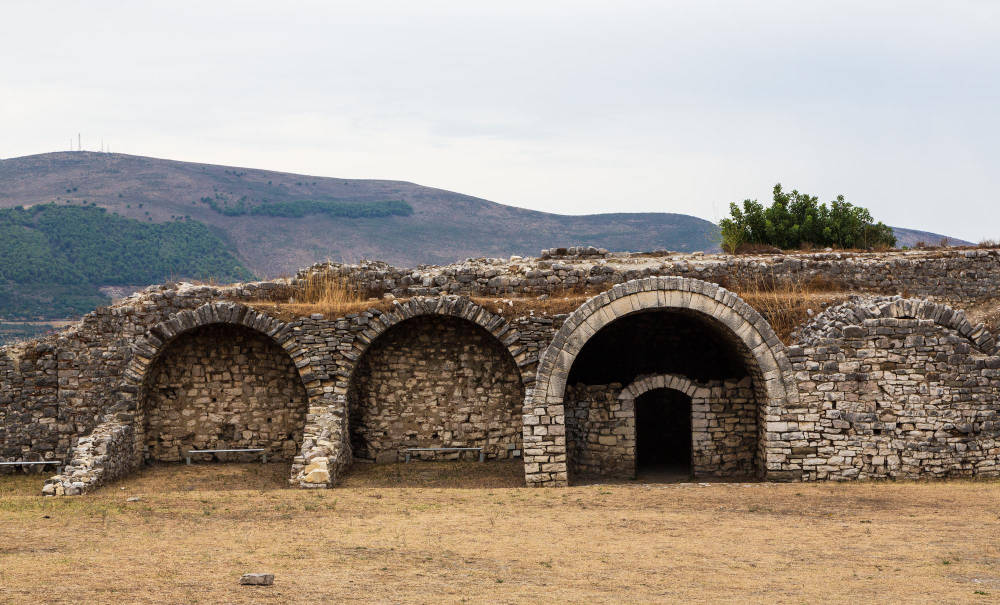
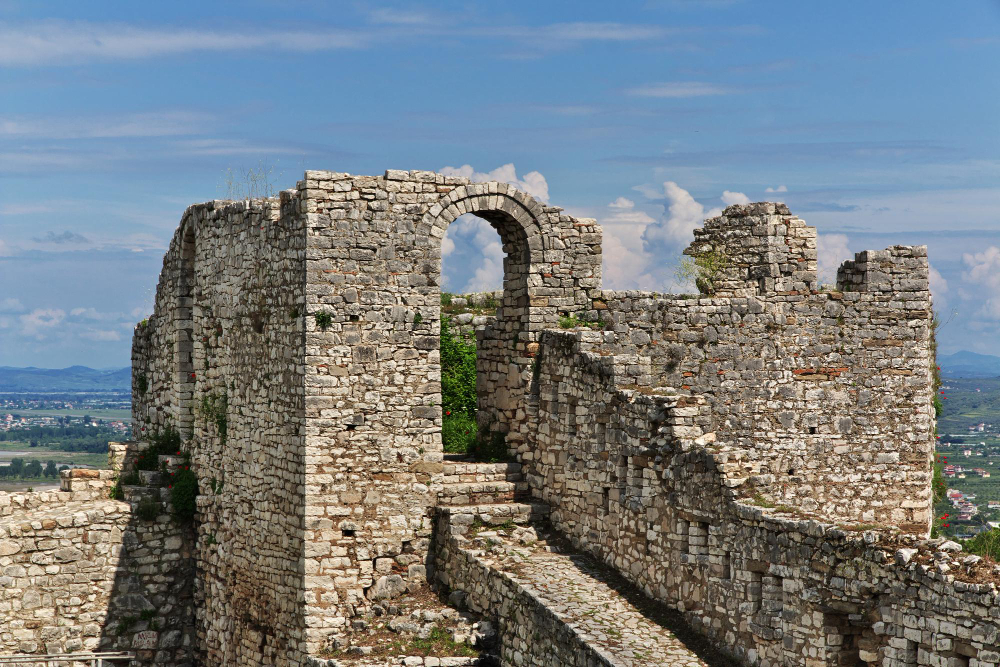
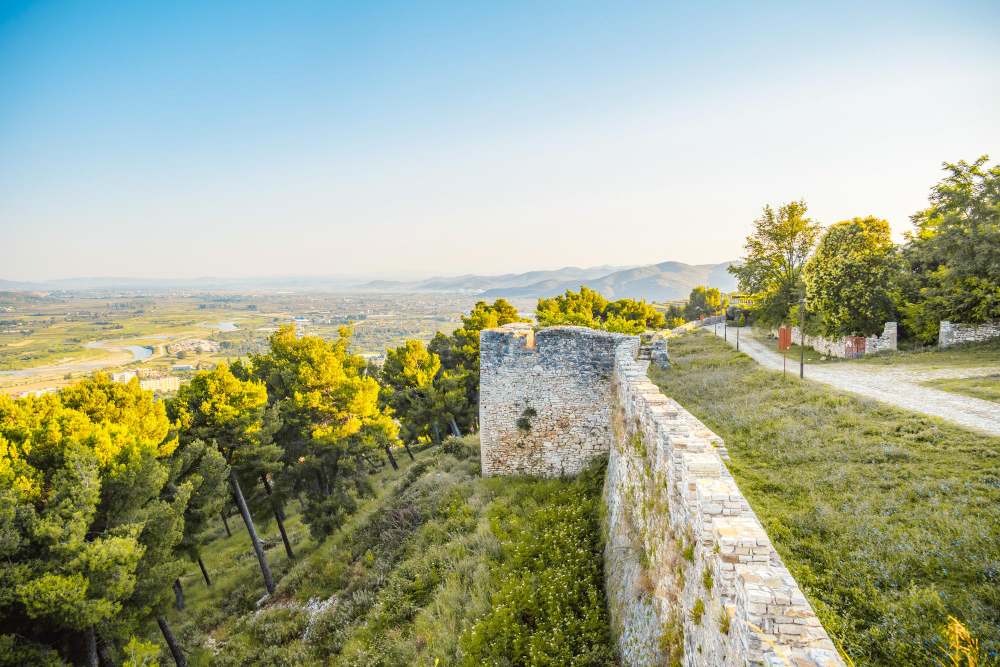
A journey through the castle’s history – The earliest traces of the castle can be traced back to 200 BC, when the Romans set the site ablaze. Yet despite the destruction wrought by the Romans, the area did not remain unprotected for long. In the centuries that followed, the fortress was expanded and reinforced on several occasions, particularly during the reign of the Roman Empire. In the 5th century, Emperor Theodosius II had the walls fortified to protect against the barbarian tribes invading the Balkans. In the 6th century, Emperor Justinian I commissioned a further renovation of the fortifications to modernise the defences. However, the structures still visible today date largely from the 13th century, when the region was under the rule of Michael I Komnenos Doukas, the Despot of Epirus. He was a cousin of the Byzantine Emperor and had the fortress further expanded. A particularly striking feature of this phase of construction is a monogram set into the wall made of red bricks. It symbolises the rule of the Komnenos dynasty and is an important testament to the fortress’s history. In the 14th century, during the reign of John Komnenos Asanes, another member of the Byzantine elite, the fortress continued to play an important strategic role. Its main entrance to the north is protected by a fortified courtyard, whilst at that time there were three smaller entrances, though these are no longer fully preserved. Despite the extensive damage inflicted on the fortress by the ravages of time, it still exudes a majestic presence today. Nestled amongst the steep, rocky hills on the right bank of the River Osum, it rises to a height of 214 metres and offers a spectacular view of the surrounding area.
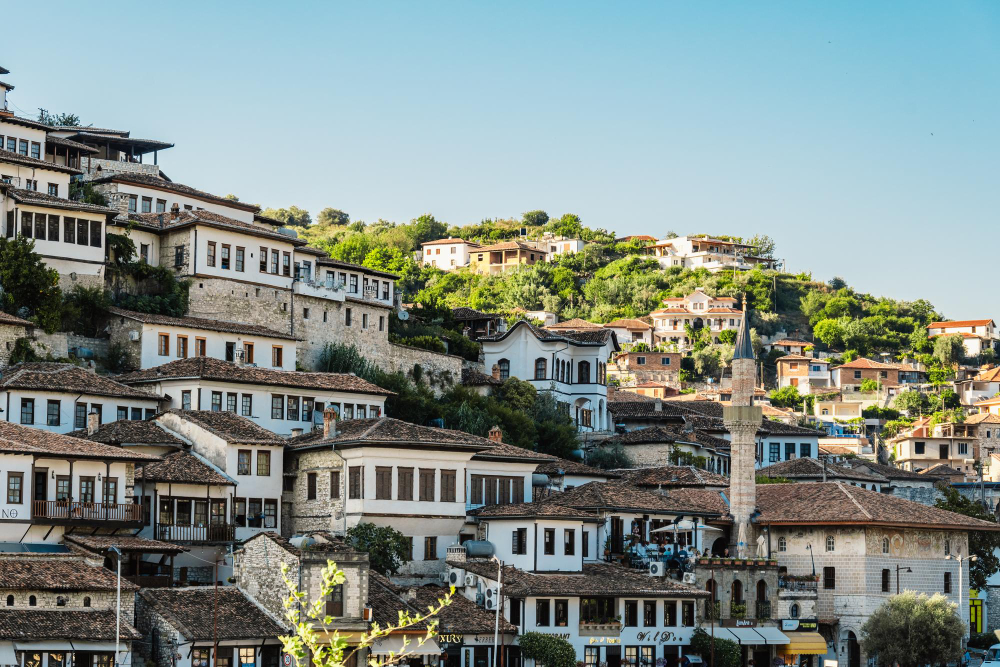
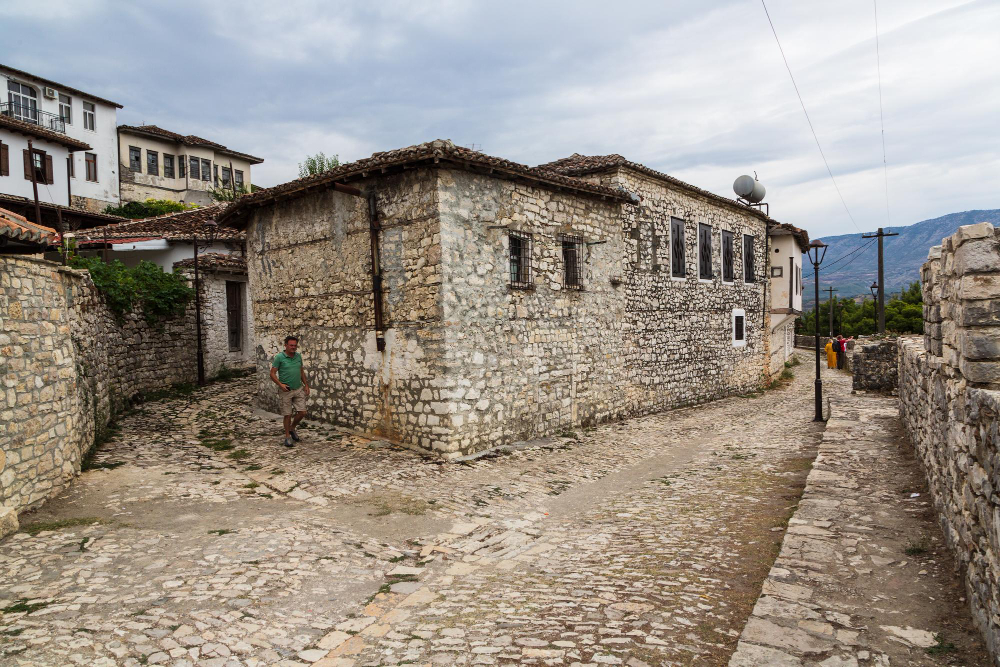
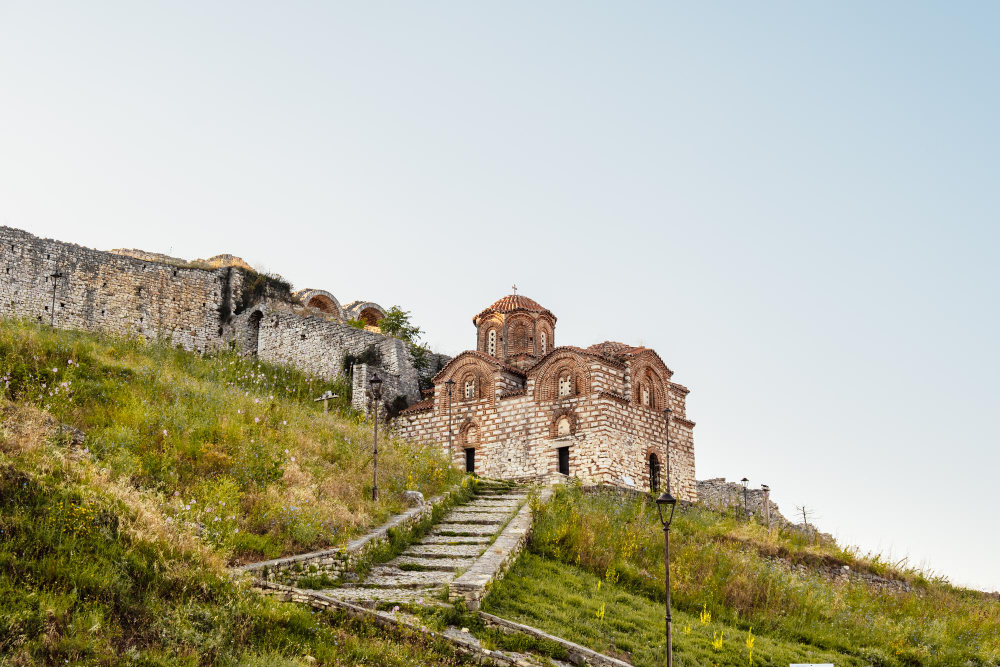
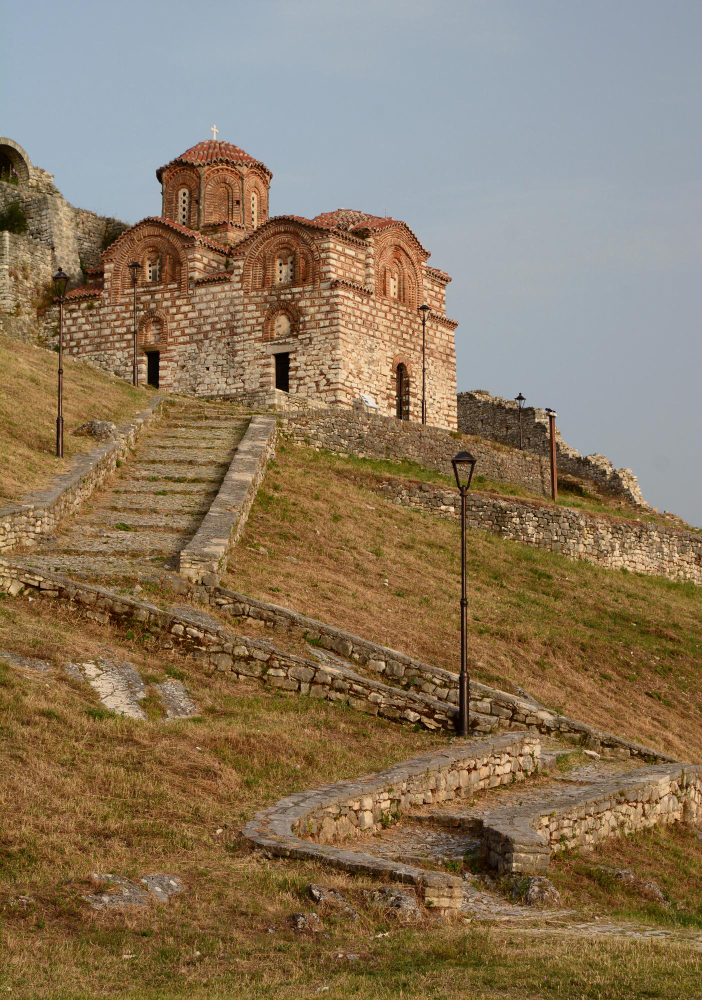
The cultural significance of the fortress – A key factor that makes Berat Fortress so extraordinary is its role as a cultural centre. Within the fortress walls there was once a self-contained settlement. Construction activity was brisk here, particularly during the 13th century, when numerous buildings were erected that impress with their distinctive architecture. The characteristic houses that can still be seen today within and around the fortress walls were later declared protected cultural monuments. The population within the fortress was predominantly Christian. This is reflected in the large number of churches built there. According to historical records, there were said to have been around 20 churches within the castle walls, most of which were built in the 13th century. Today, many of these churches have been damaged by wars, the ravages of time and neglect, but a few are well preserved and open to visitors. A particular highlight is the churches’ rich decoration with frescoes and iconostases, created by some of Albania’s most famous icon painters. Names such as Onufri, Kostandin Shpataraku and the Zografi brothers have had a significant influence on the region’s art history through their works. Some of these frescoes depict biblical scenes, whilst others portray images of saints, thus reflecting the faith and spirituality of the inhabitants of that time. The Muslim population, which settled within the fortress during the Ottoman period, also left its mark. Only a single mosque was built within the fortress, which primarily served the needs of the Ottoman garrison. Unfortunately, only the ruins and the base of the minaret remain of this structure; nevertheless, they give an impression of the religious diversity of the fortress.
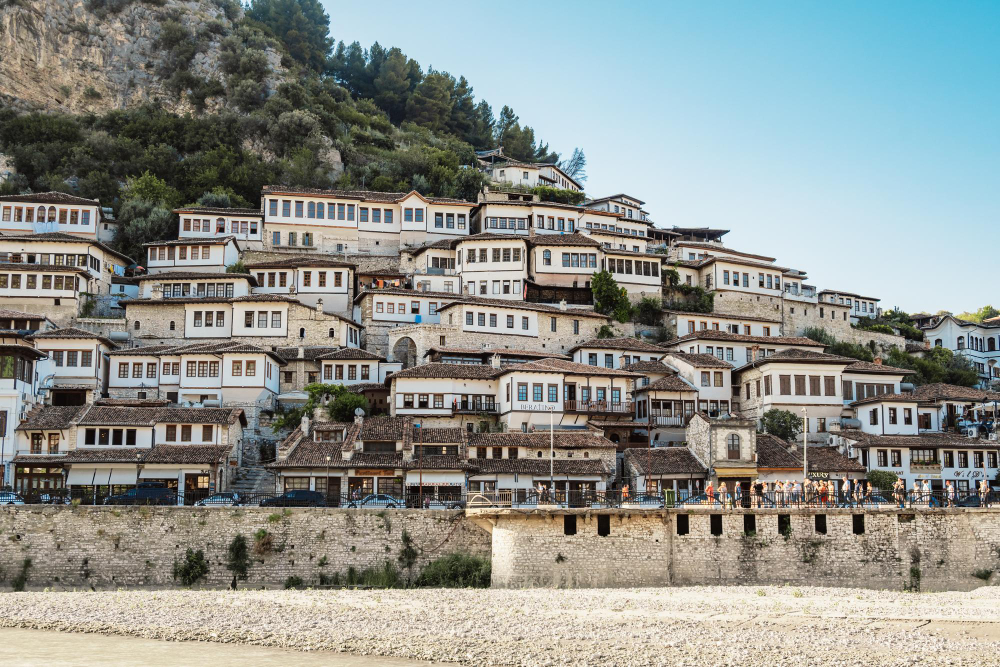
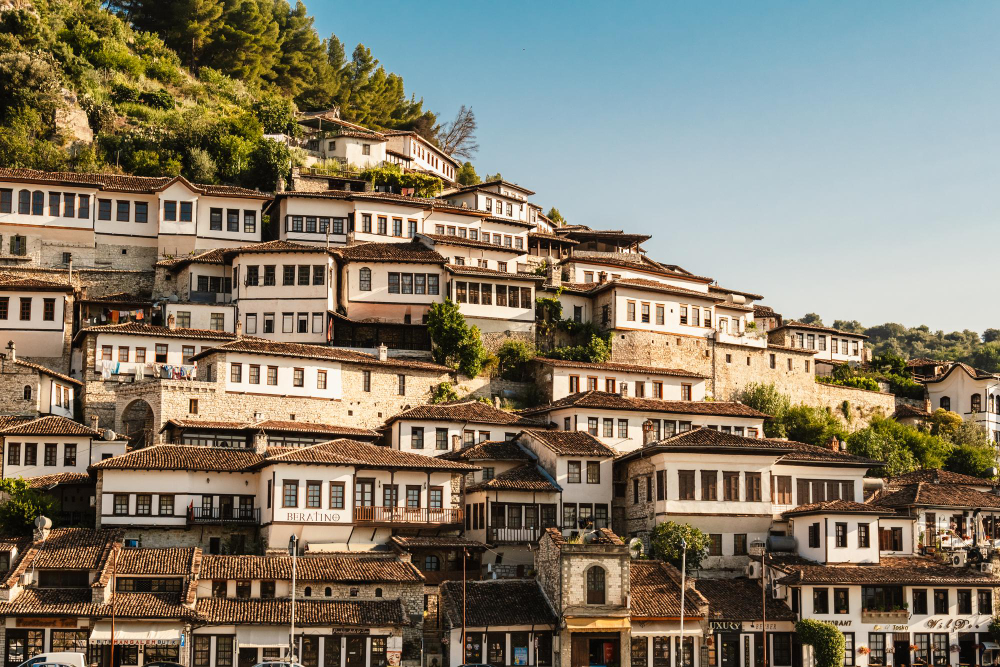
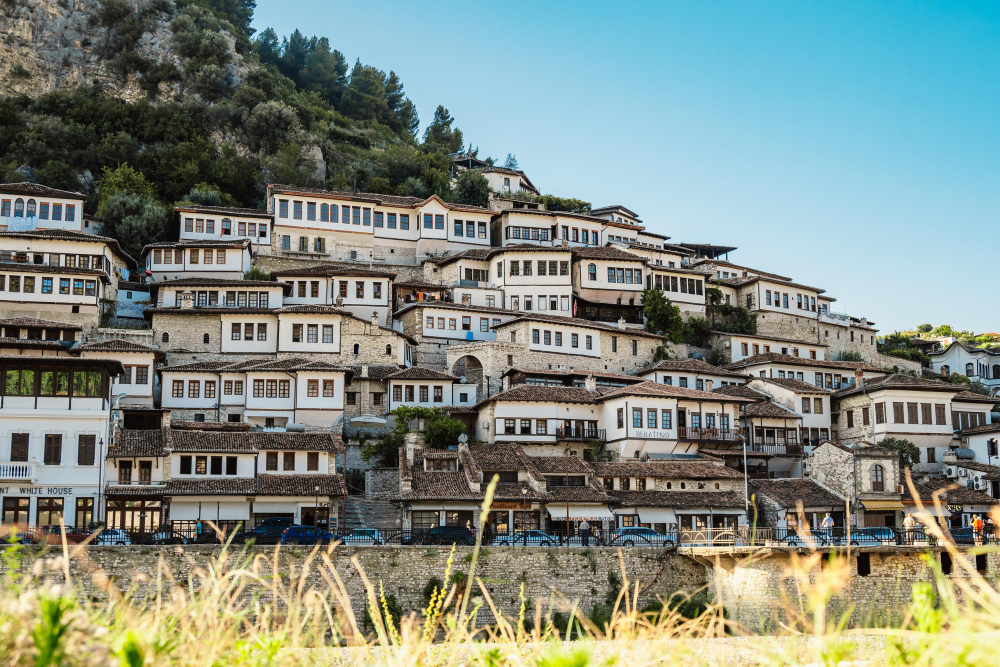
The Legend of Berat and the ‘City of a Thousand Windows’ – As well as its historical significance, Berat Castle is steeped in myths and legends that further enhance its fascination. A well-known tale from the region tells of two brothers who were embroiled in an epic battle for control of the city. According to the legend, the brothers’ distraught mother cried out her son’s name, Tomor, whereupon – so the story goes – Mount Tomorr was formed. Tomor’s brother, on the other hand, is said to have ascended to the heavens, where he transformed into the moon. This poetic legend reflects the people’s strong emotional connection to the landscape. Berat itself is often referred to as the ‘City of a Thousand Windows’. This refers to the unique houses in the old town, whose closely spaced rows of windows look like eyes watching over the surrounding valleys. From the castle, there is a breathtaking view of this fascinating architecture, which has made Berat a national symbol.
Berat today: A destination for tourists and lovers of cultural heritage – Nowadays, Berat Castle is one of Albania’s best-known tourist attractions. In 2008, the old town of Berat, including the castle complex, was inscribed on the UNESCO World Heritage List. This recognises the city’s outstanding significance as a site of cultural and architectural heritage. Inside the fortress are several museums, including the Onufri Museum, which houses some of the finest icons and frescoes. This museum honours the Albanian painter Onufri, whose works continue to delight visitors from all over the world. Furthermore, the fortress is a place of living history. On a guided tour, visitors can trace the various phases of its construction and imagine what life must once have been like within its walls. The sunset over the River Osum is particularly impressive; many say it is one of the most beautiful moments one can experience here.
Berat Castle is more than just a historical site. It is a symbol of Albania’s rich history, a testament to the cultural diversity of the Balkans and a source of countless legends that live on in the region. Its walls tell stories of destruction and reconstruction, of faith and art, of conflict and peace. Anyone visiting Berat embarks on a journey into the past and discovers a place that uniquely reflects the soul of Albania.