When you think of Braunschweig, striking images immediately spring to mind – the imposing Braunschweig Lion, medieval alleyways, a rich history of trade, and legendary tales that continue to capture the imagination of many people to this day. This city steeped in tradition, situated in the heart of Lower Saxony, is not only a cultural and economic hub but also a treasure trove for historians, archaeologists and lovers of legends alike. But what makes Braunschweig so special? Let’s delve into its multifaceted history and the many myths that lend this city its charm.
The origins of a proud trading city – Braunschweig’s origins stretch far back into the past, more precisely to the early Middle Ages. The city’s foundation is often attributed to Brun(o), the Duke of Saxony, whose name even lives on in the city’s name. In 1031, the city was first mentioned in a document under the name ‘Brunswiek’. Its location on the River Oker, a waterway that once served as a vital transport artery, made the city an important trading centre from an early stage. The trade in salt and textiles, in particular, flourished here. In the Middle Ages, Braunschweig also attained immense prosperity through its membership of the Hanseatic League. However, the city’s importance was not confined to the economic sphere. Braunschweig also played a central role politically and culturally. Henry the Lion, one of the most powerful princes of the Holy Roman Empire, had a decisive influence on the city’s history. Under his rule, Braunschweig experienced a golden age in the 12th century. He developed the city into a royal residence, commissioned the construction of magnificent churches and turned it into a centre of power and influence. His legacy remains visible to this day, particularly through the Braunschweig Lion, which is regarded as a symbolic figure.
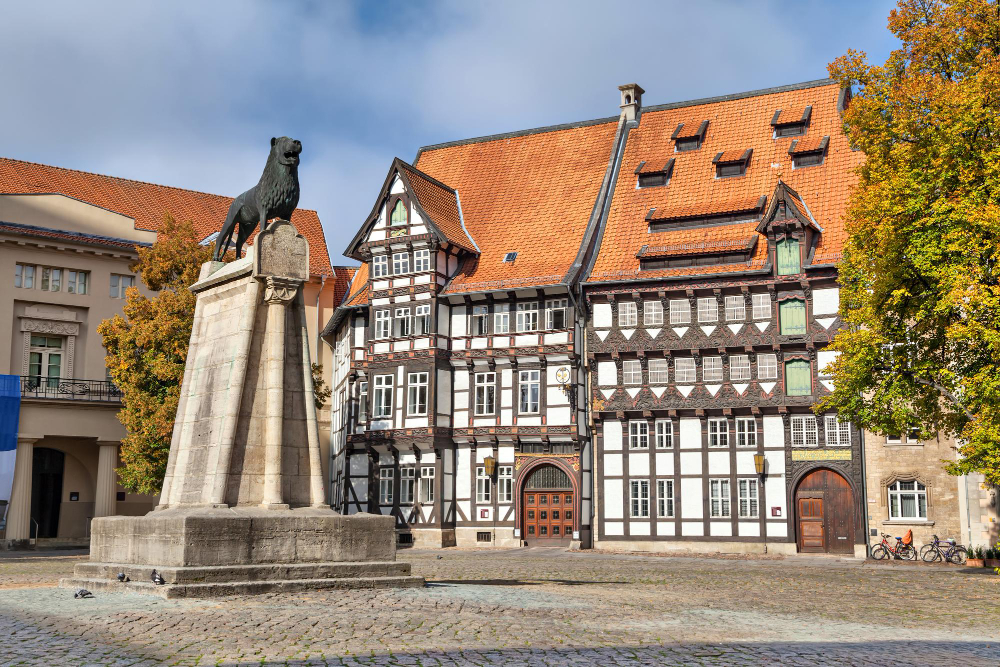
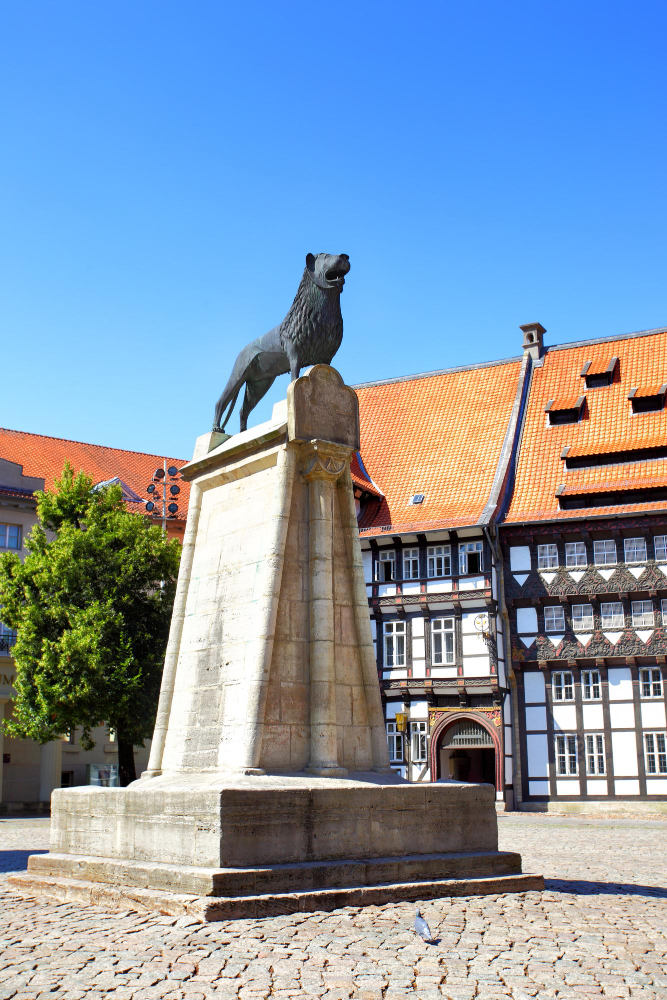
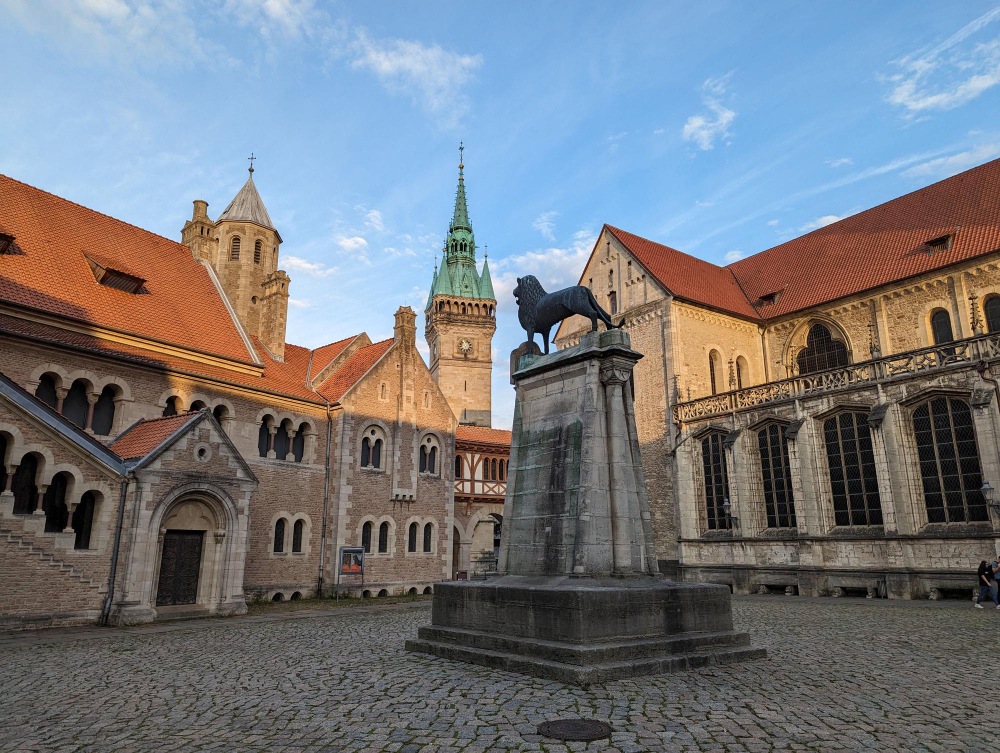
The Braunschweig Lion: A Symbol of Power and Myths – In 1166, Henry the Lion commissioned the famous Braunschweig Lion, an impressive bronze sculpture that can be interpreted both as an expression of his claim to power and as the personal coat of arms of the House of Welf. Ever since, the lion has symbolised the city’s strength and pride. Yet the lion’s story is not purely historical. Over the centuries, numerous legends have grown up around the massive statue. One of the best-known tales claims that the lion could come to life should the city’s inhabitants ever find themselves in grave danger. Whether this tale is true remains open to question, but it undoubtedly lends the sculpture a mystical aura that fascinates tourists and locals alike. Incidentally, the original statue has not stood outdoors since 1980. For conservation reasons, it was moved to Dankwarderode Castle and replaced by a faithful replica. So anyone looking at the lion today is gazing upon a symbol that combines history and myth.
Between reality and fiction: stories from the Middle Ages – As well as the Braunschweig Lion, there are many other legends and stories closely linked to the city. Particularly worth mentioning is the legend surrounding the so-called ‘Hünenbett’. According to tradition, a giant, a ‘Hüne’ – a mythical creature from North German folklore – is said to have been buried near Braunschweig. This story served as a fascinating explanation for generations of people regarding the unusual mounds or rock formations in the area surrounding the city. Another legend tells of the ‘Braunschweiger Mumme’, a traditional beer that was already being brewed in the Middle Ages. This dark, full-bodied beer was not only popular with the locals but was also exported to distant lands. According to legend, it served as an elixir of life for sailors and protected them from diseases such as scurvy. Although this is not scientifically proven, the story does illustrate just how highly this drink was once regarded. To this day, the ‘Mumme’ is considered part of Braunschweig’s identity.
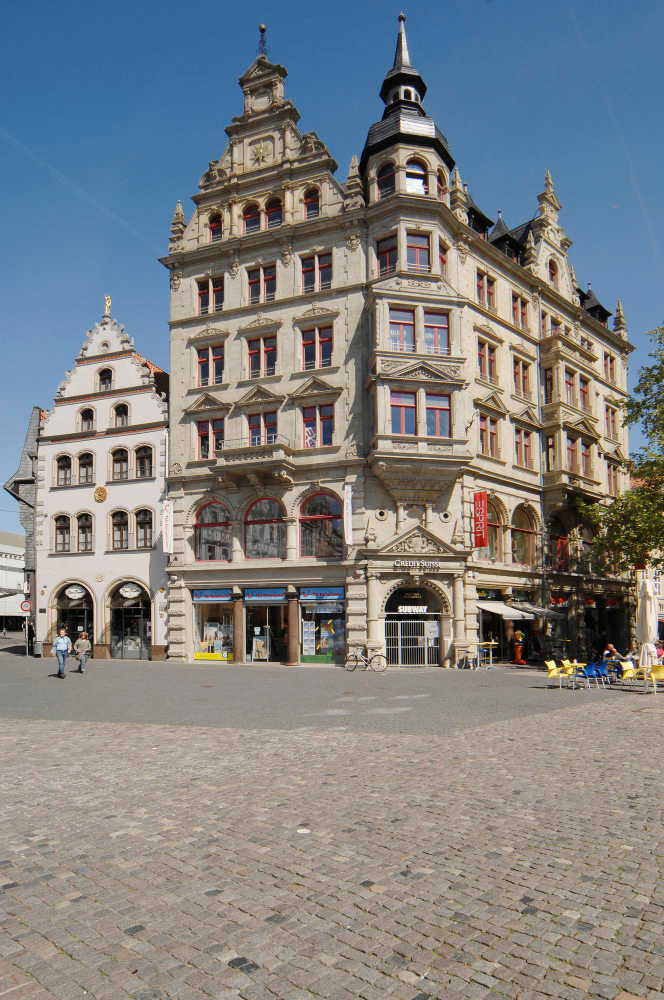
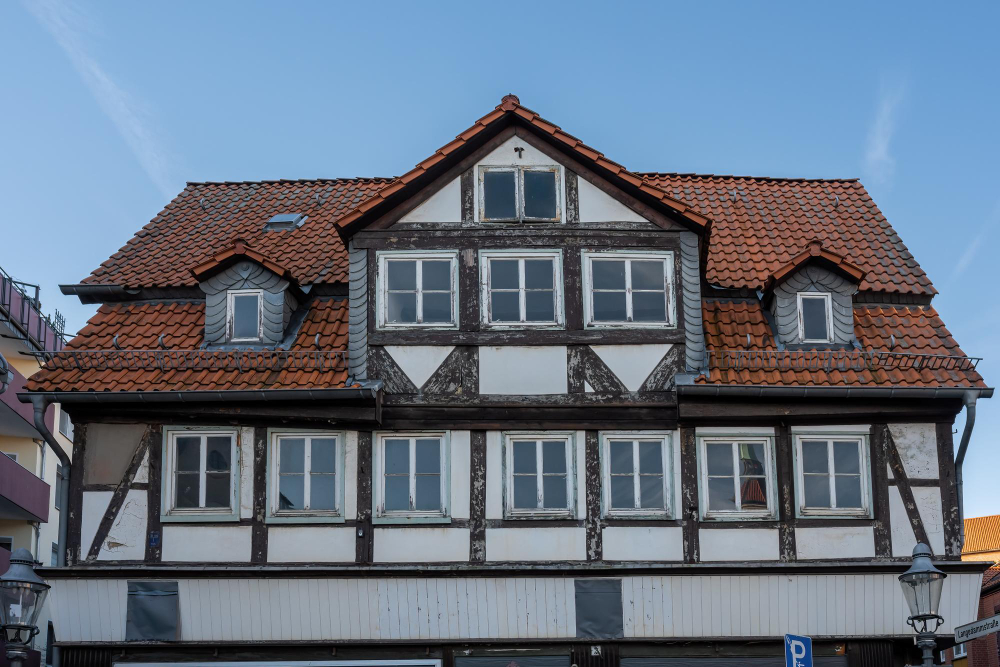
Architecture as a testament to the times – A stroll through Braunschweig’s city centre is like a journey through the centuries. Here, different eras blend together to form a unique cityscape. Among the most significant buildings is St Blasius’s Cathedral, which was built in the 12th century under Henry the Lion. The Romanesque cathedral impresses not only with its architectural splendour but also with its historical background. Henry the Lion and his wife Matilda were buried here – a further indication of how closely the city’s history is linked to this ruler. Yet Braunschweig also has darker chapters in its architectural history. During the Second World War, much of the city was destroyed by air raids. Many historic buildings fell victim to the bombs. In the post-war period, however, a vigorous reconstruction programme was launched with the aim of restoring the old cityscape. This gave rise to fascinating blends of new and old architectural styles, which today lend Braunschweig a special atmosphere.
Braunschweig today: between tradition and modernity – Today, Braunschweig presents itself as a dynamic and modern city that has nevertheless never forgotten its historical roots. Culturally, in particular, the city has much to offer. Museums, theatres and events such as the annual Christmas market attract visitors from all over the world. At the same time, Braunschweig is an important centre for science and research. The city is one of Germany’s pioneers, particularly in the automotive industry and the technology sector. Nevertheless, the past is ever-present. This is evident not only in the well-maintained cityscape, but also in the stories and traditions passed down from generation to generation. Braunschweig is a place where history remains alive and myths never quite fade away.
A place of stories – then and now – The fascination that Braunschweig exudes is almost impossible to put into words. It is a city that breathes history whilst looking to the future. It is places like this that remind us how closely the present and the past are interwoven. Whether it is the legendary lion, the impressive buildings from the Middle Ages and modern times, or the many little myths that enrich the cityscape – Braunschweig has something to offer everyone. Anyone visiting the city embarks not only on a journey through its alleyways, but also through its stories and legends.