Nestled in the heart of the central Spanish region of Castile-La Mancha, the city of Toledo rises majestically – one of the most historic cities in Europe. With its winding alleyways, imposing buildings and unique cultural diversity, it captivates thousands of visitors year after year. The ‘City of Three Cultures’, as Toledo is often called, is a prime example of the peaceful coexistence of Christians, Muslims and Jews in the Middle Ages. But what makes this city so unique, and what stories lie hidden behind its historic walls? A closer look at Toledo’s history, culture and architecture reveals why this city has been designated a UNESCO World Heritage Site.
A historical journey through Toledo – Toledo’s origins stretch far back to Roman times, when the city was known as ‘Toletum’. Strategically situated on a hill and surrounded by the River Tagus, Toledo developed early on into an important centre of trade and administration. Following the collapse of the Roman Empire, the Visigoths took control of the city in the 6th century and made it their capital. During this period, Toledo became the religious centre of the Iberian Peninsula – a status the city has retained to this day. In 711, Islamic rule began in Toledo when the Moors conquered the city. In the centuries that followed, Toledo experienced a golden age as the cultural centre of Al-Andalus. Particularly noteworthy was the coexistence of Muslims, Jews and Christians, who together contributed to the flourishing of art, science and philosophy. This peaceful collaboration gave rise to a unique cultural synergy that made Toledo an intellectual stronghold of the Middle Ages. Schools of translators, such as the famous ‘School of Toledo’, brought the knowledge of antiquity to Europe by translating Arabic, Greek and Latin texts into Castilian. In 1125, Toledo was finally reconquered by the Christian forces of Alfonso VI of Castile and incorporated into the Kingdom of León and Castile. Despite the political changes, the various cultures continued to coexist, even as tensions gradually increased. Traces of this eventful history are still clearly visible today in the city’s architecture and cultural heritage.
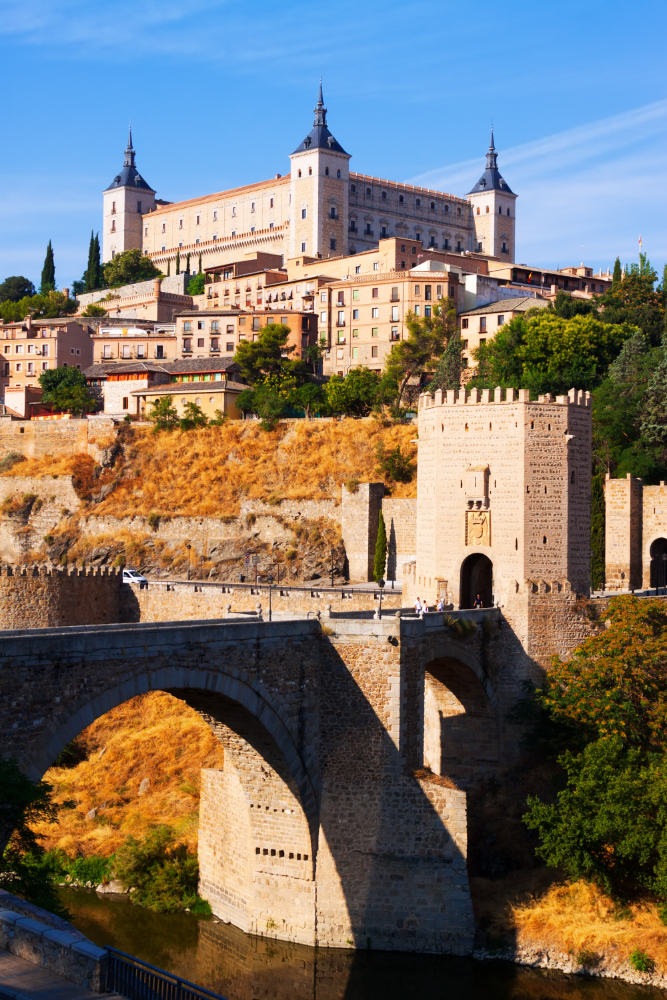
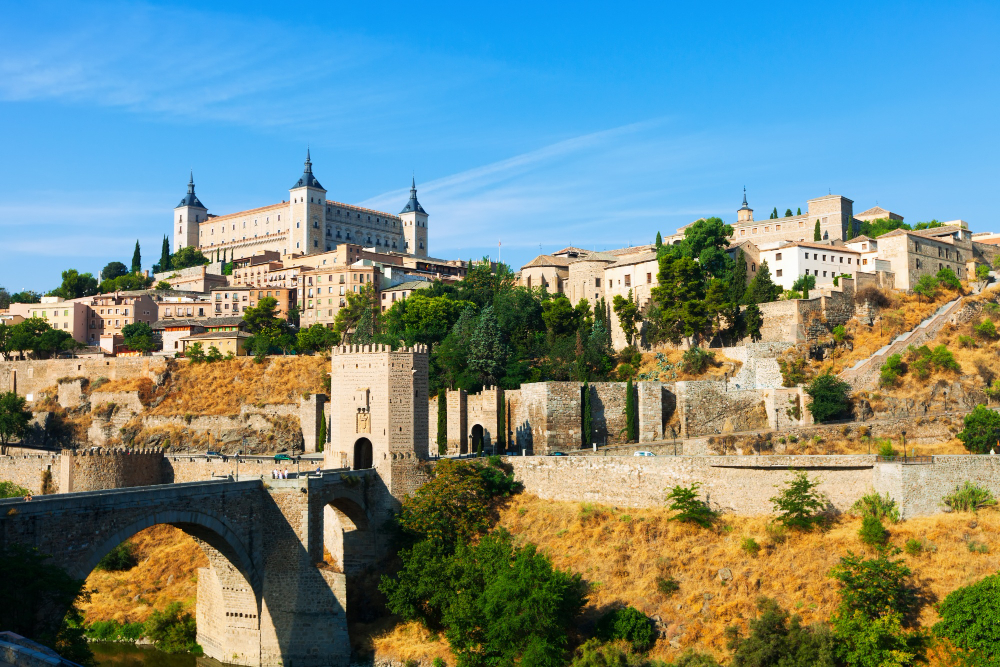
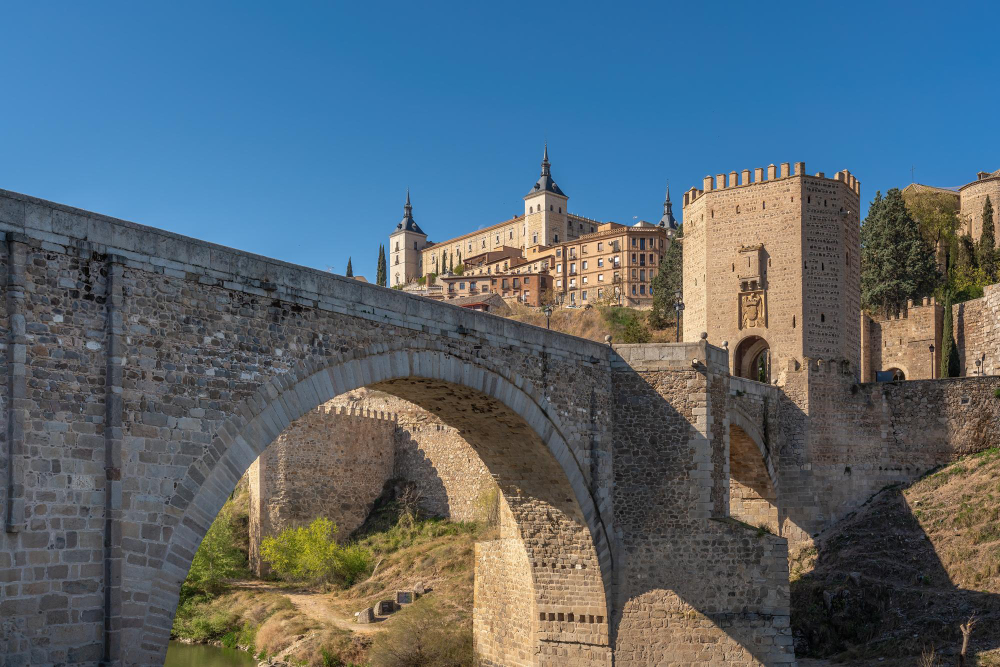
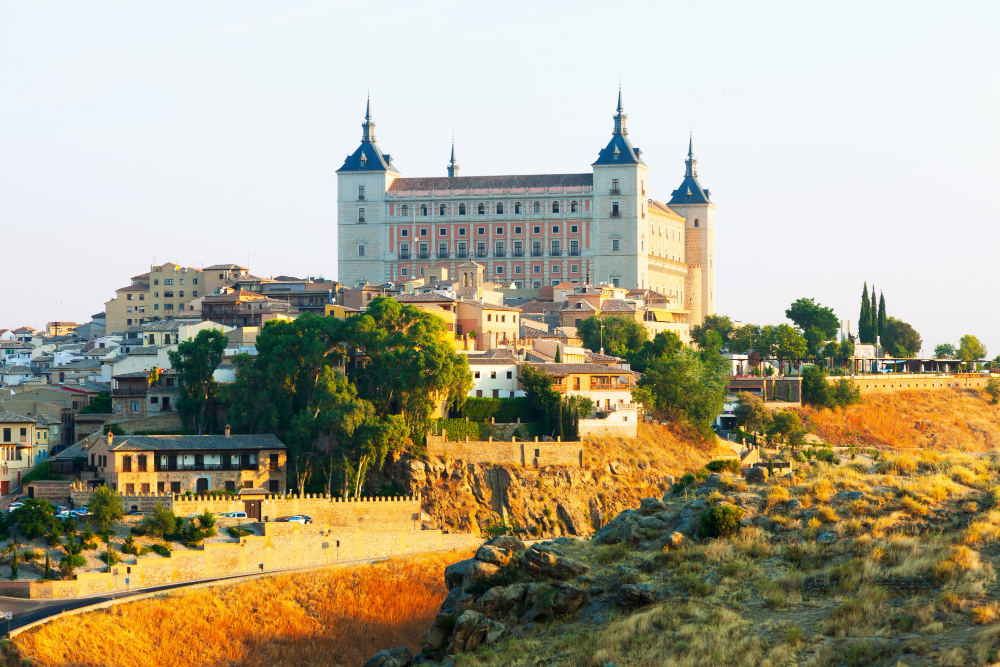
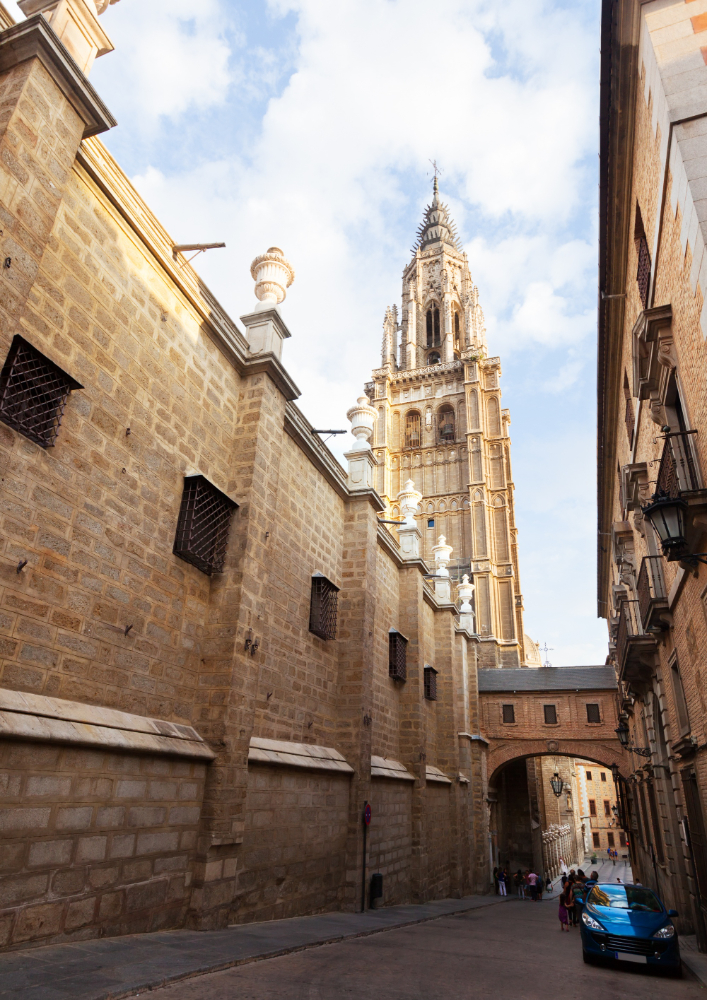
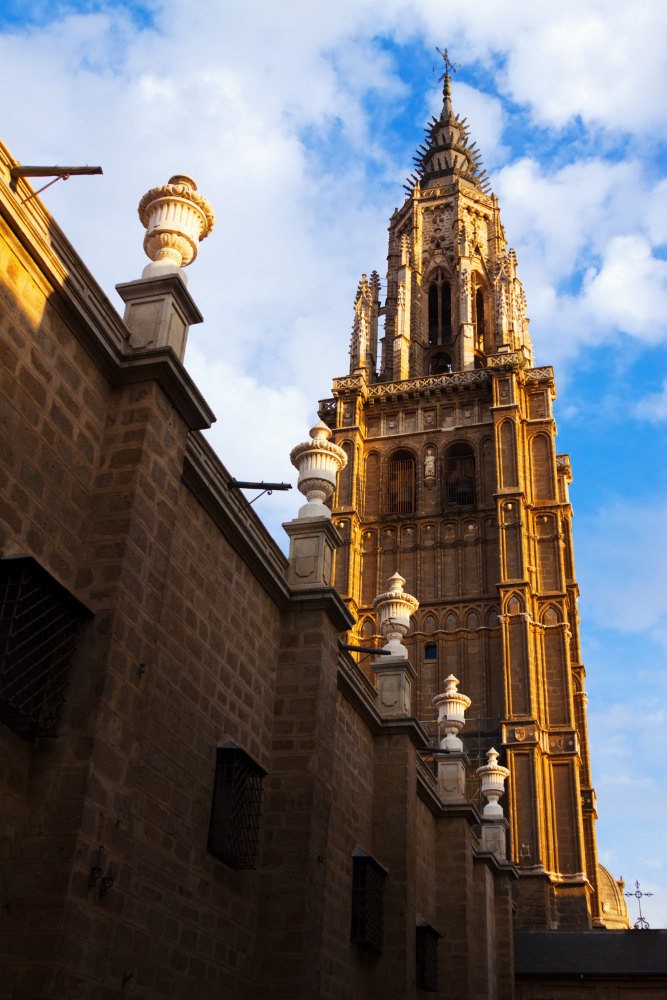
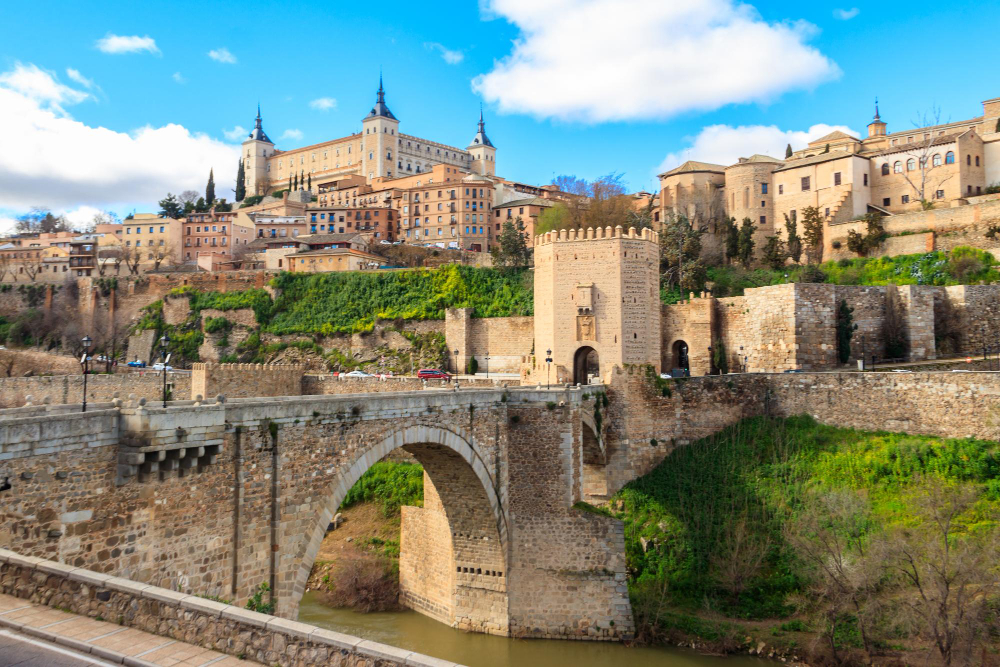
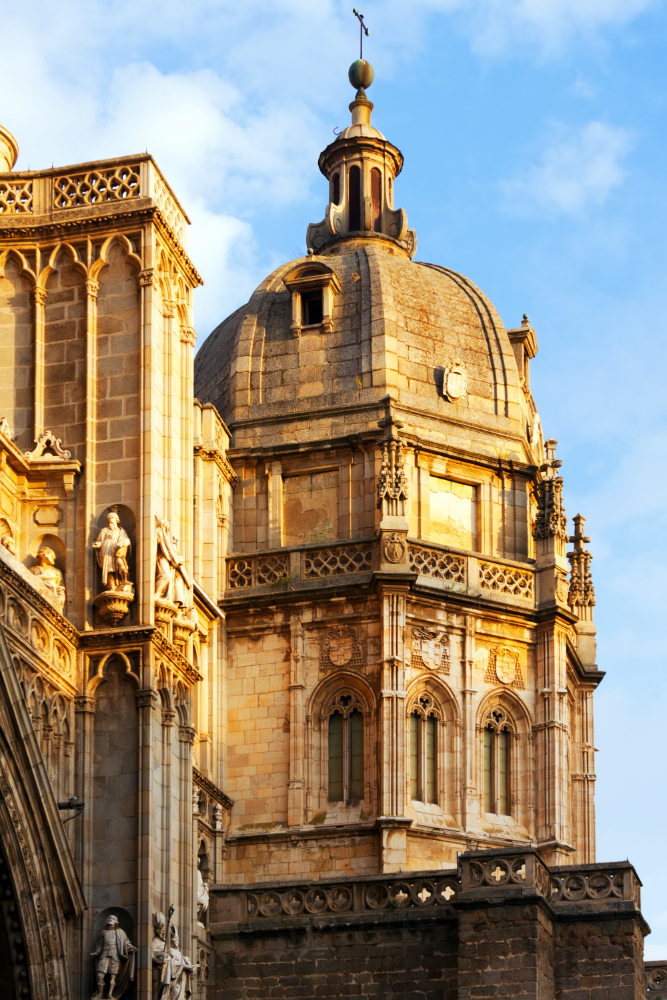
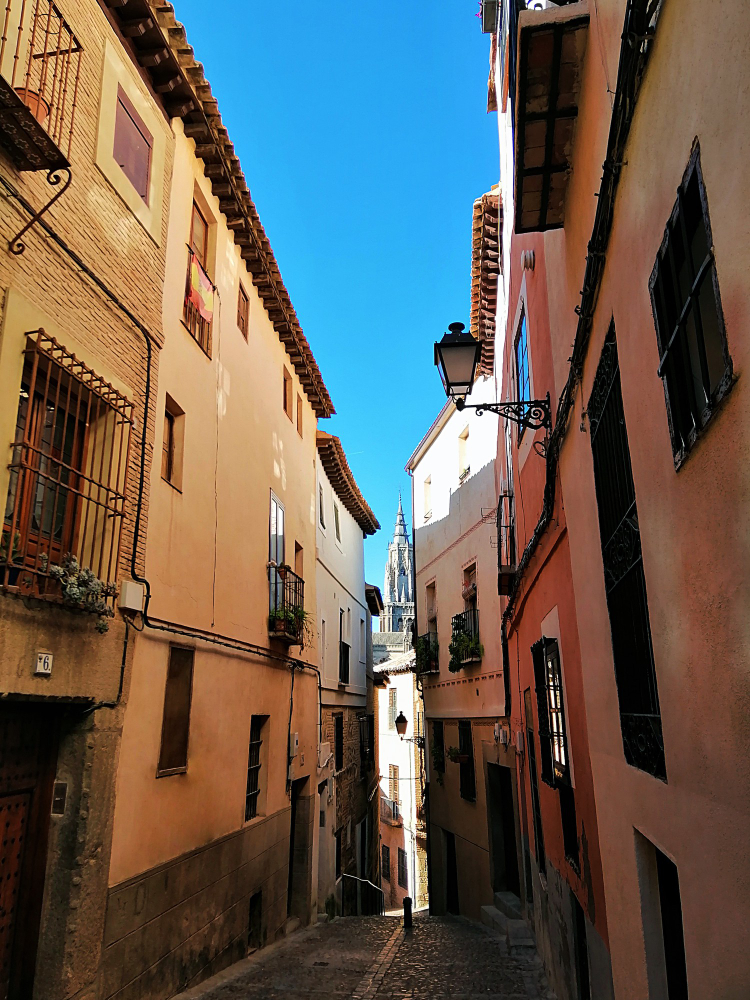
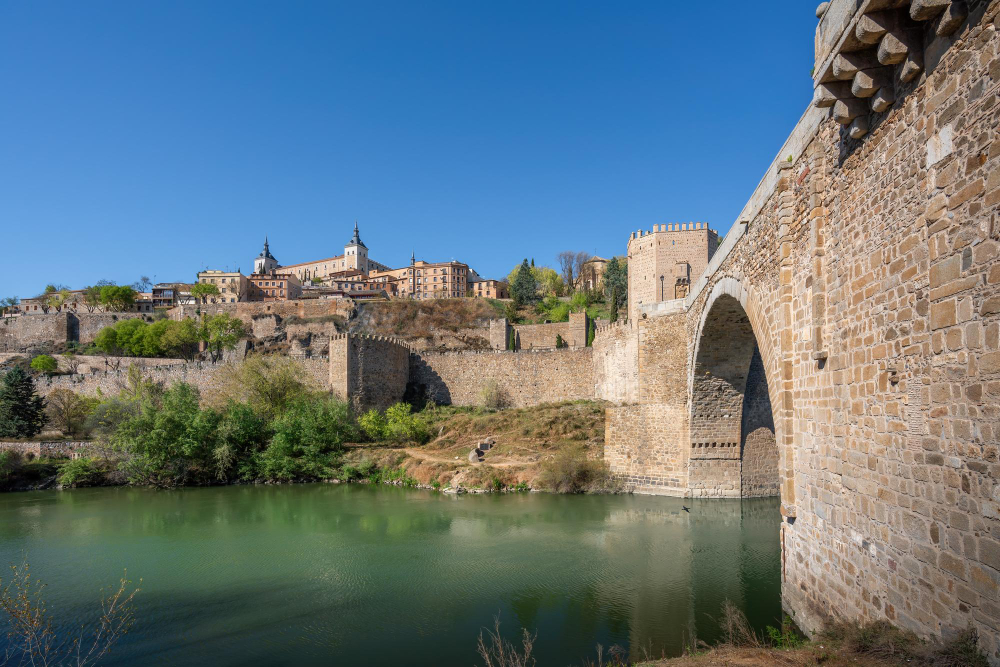
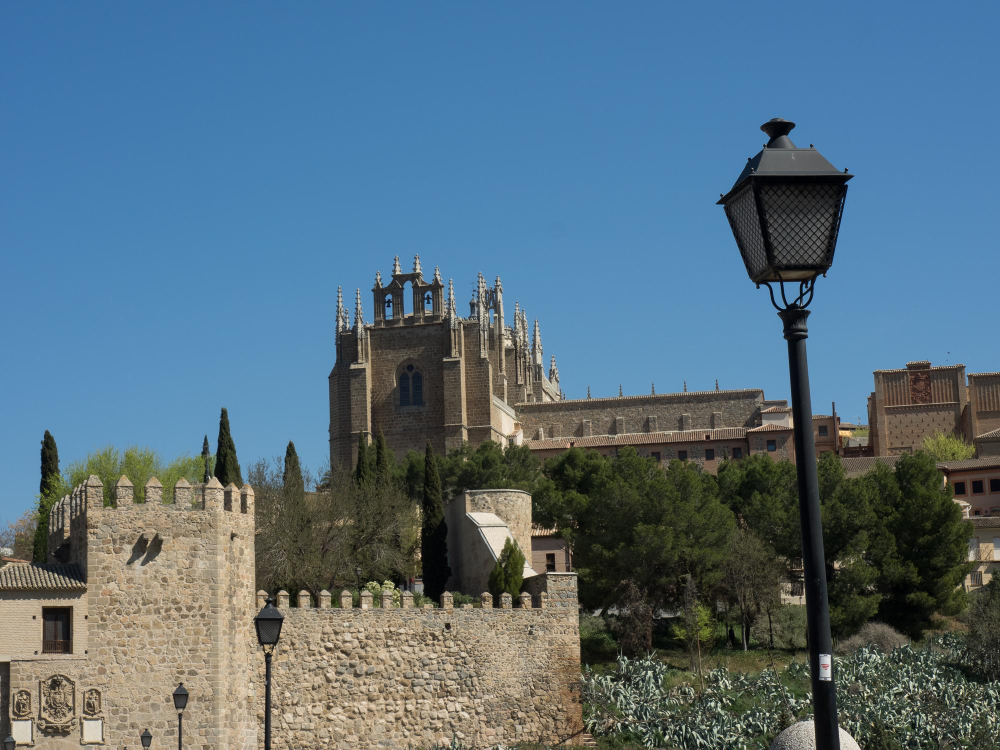
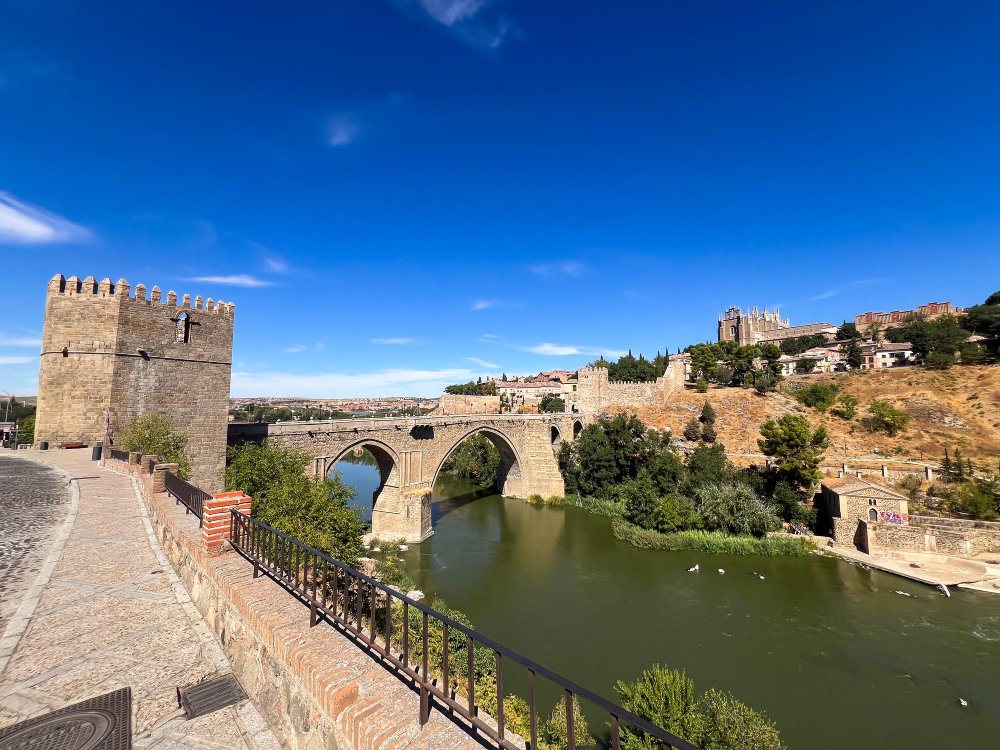
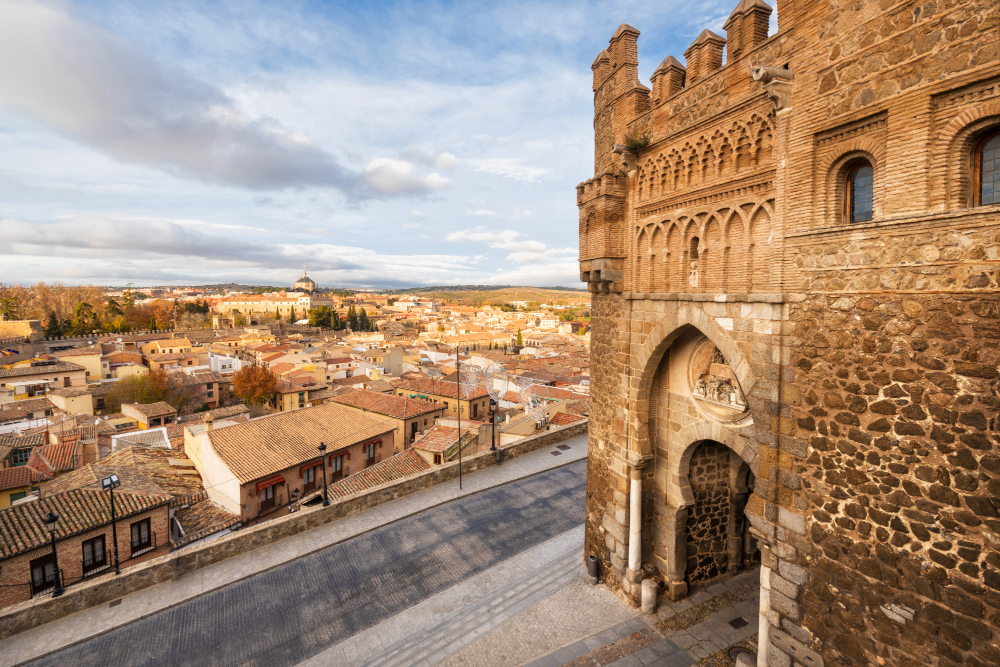
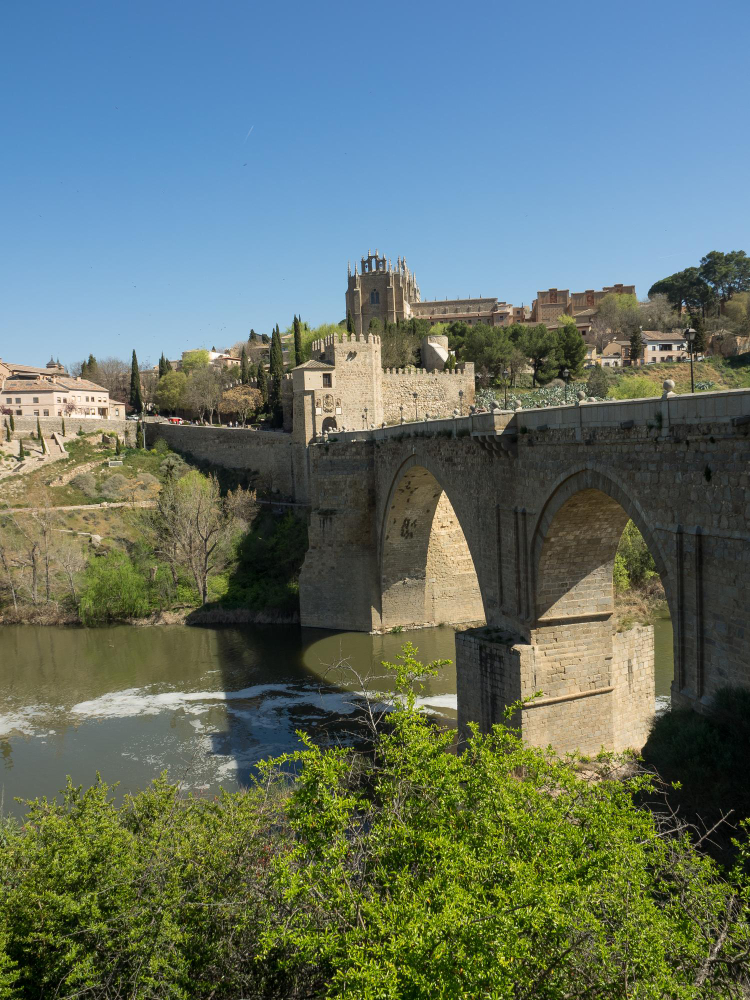
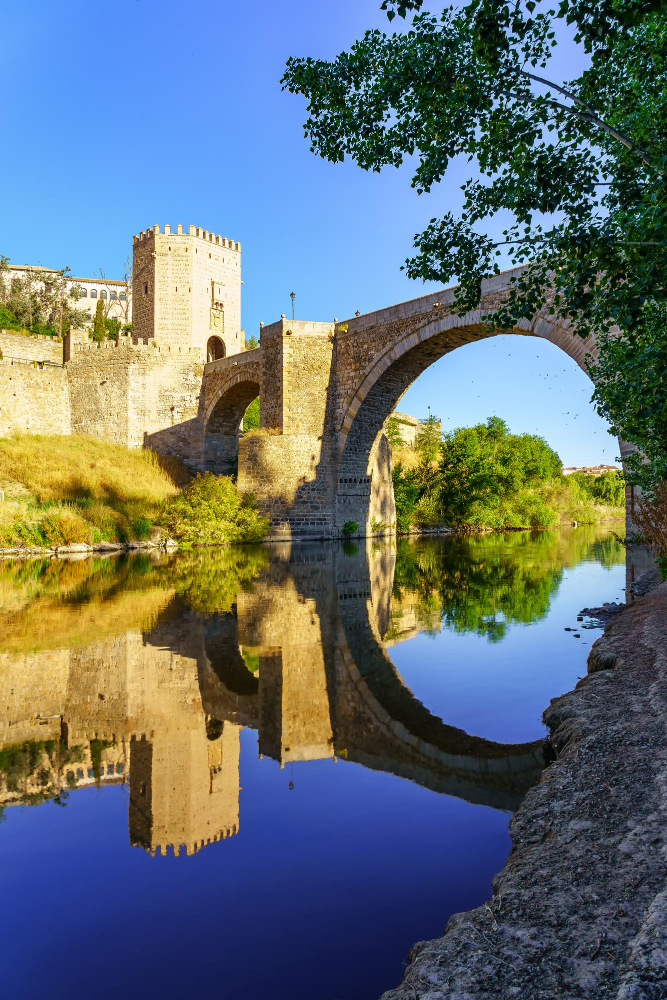
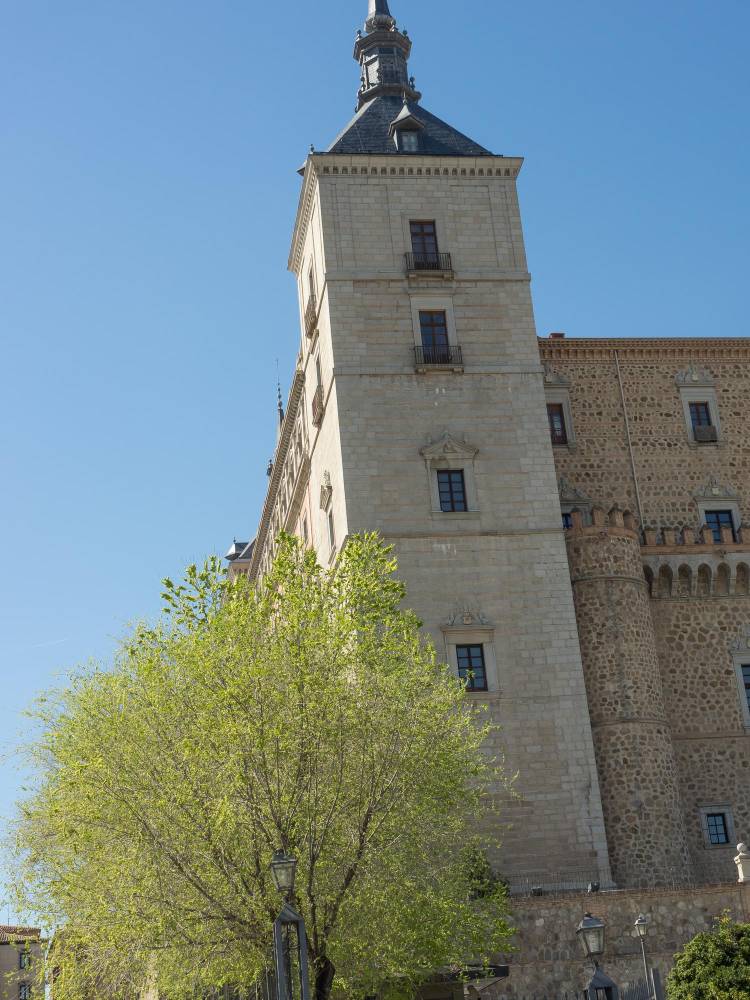
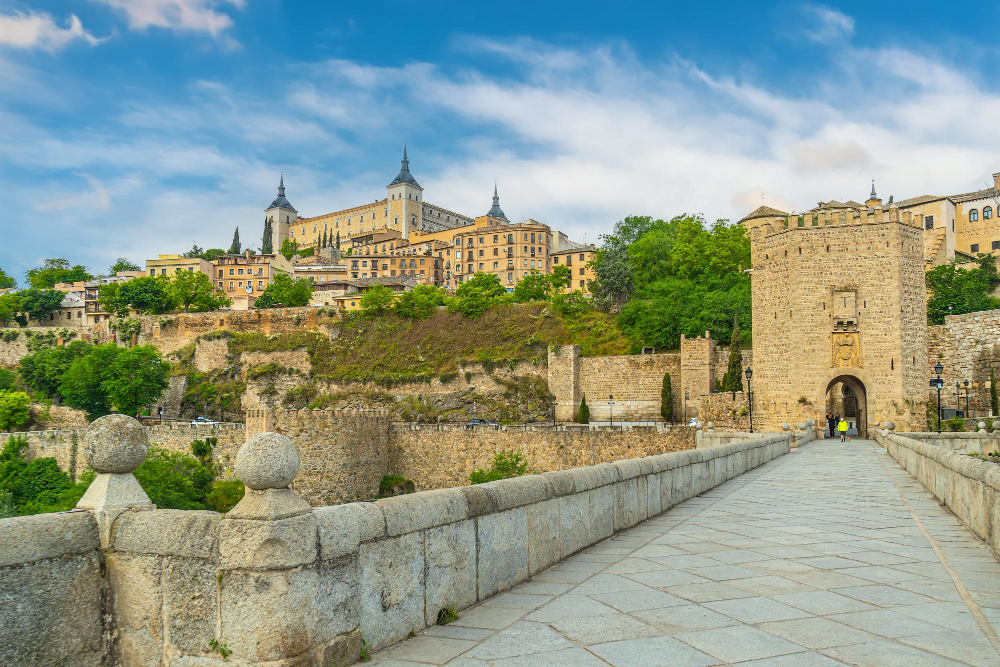
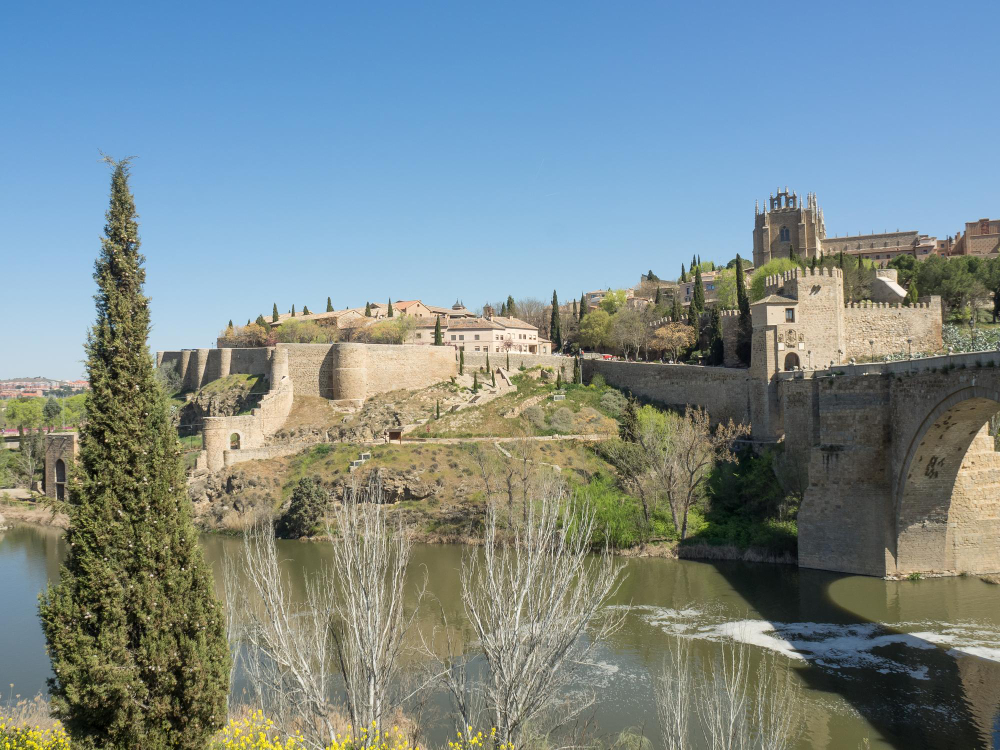
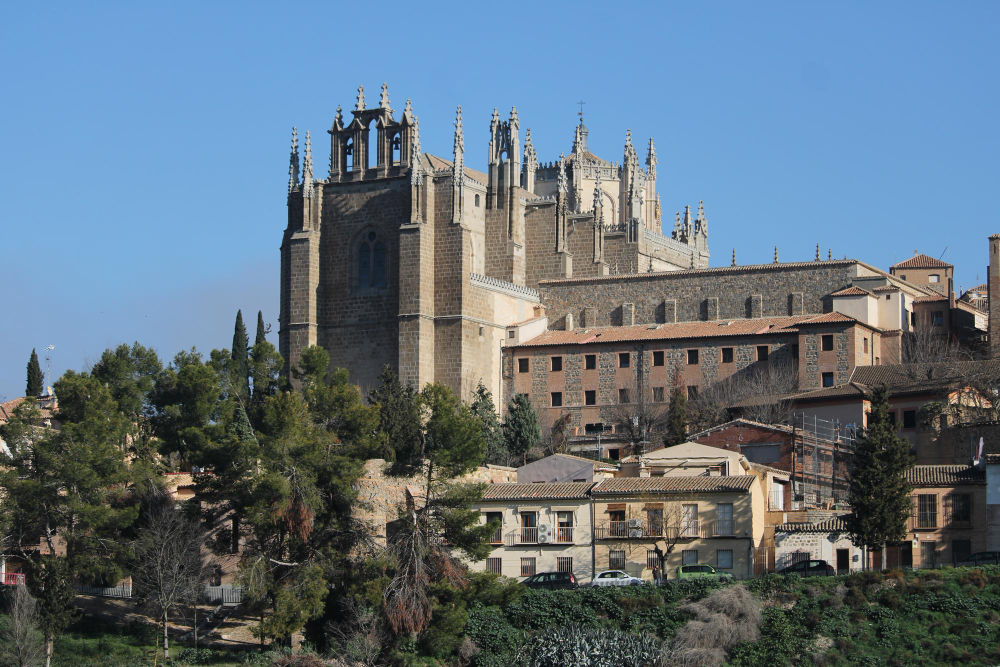
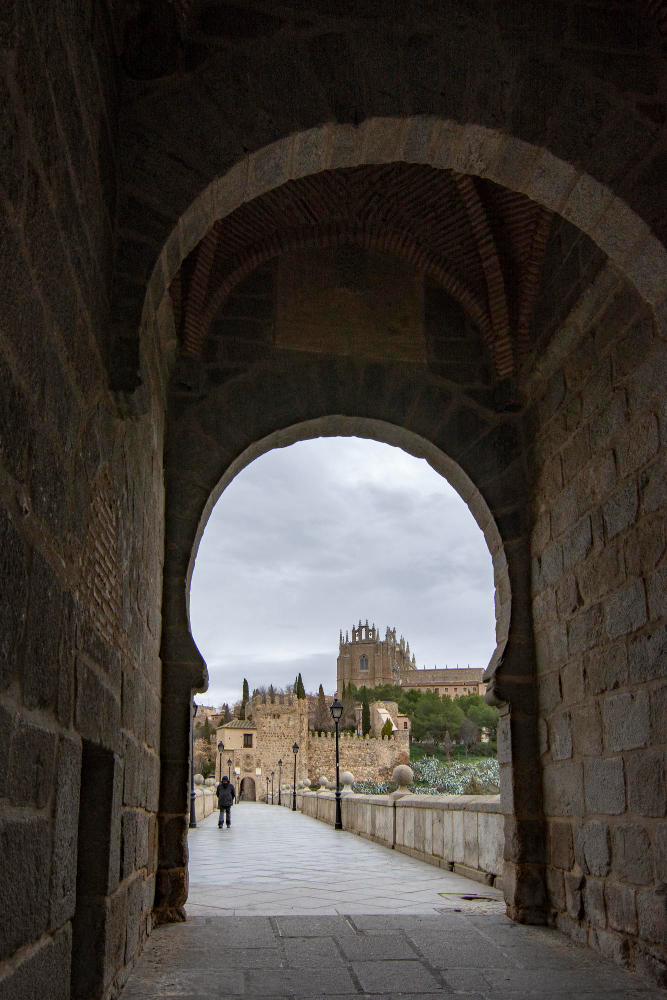
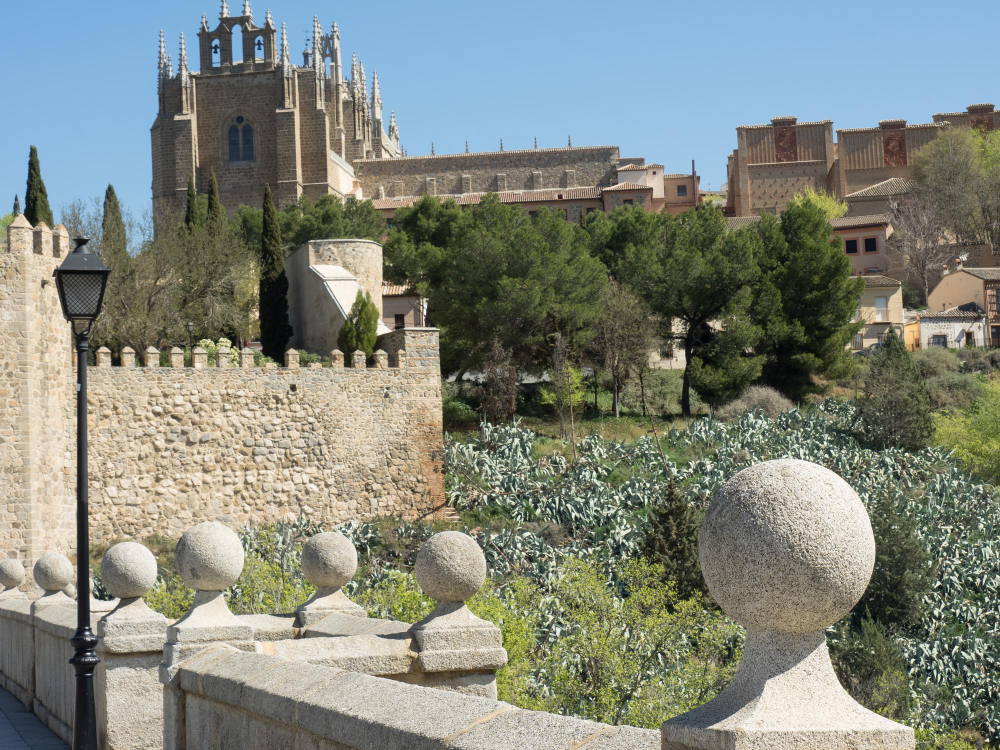
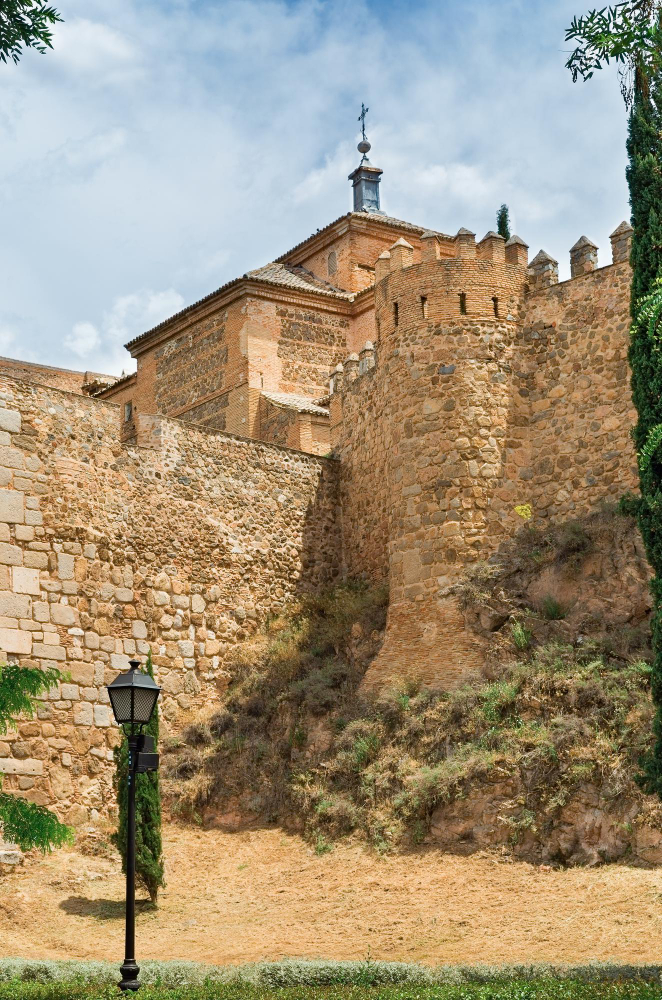
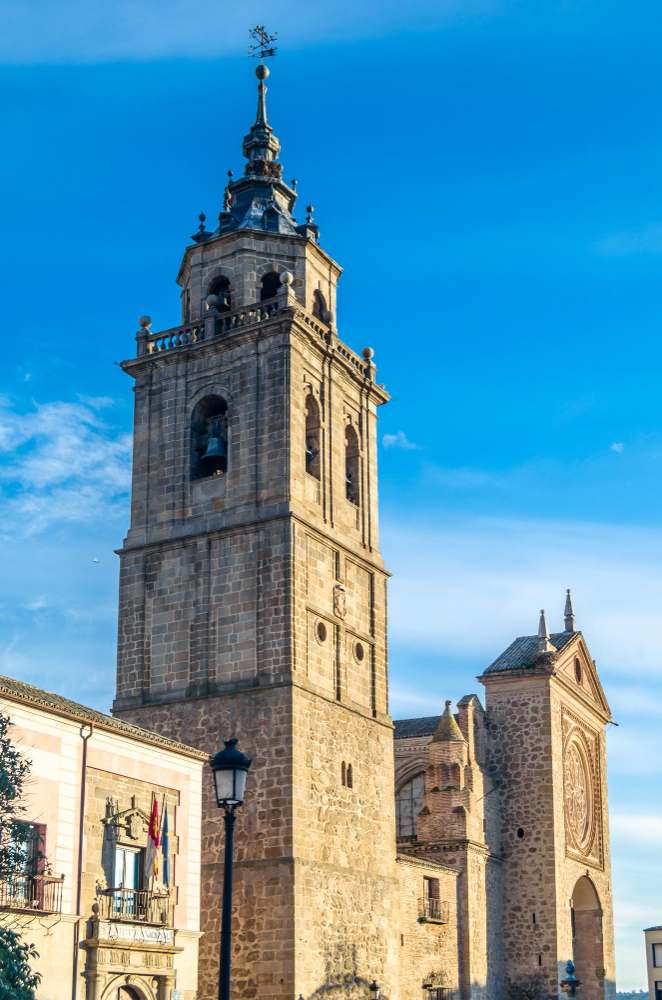
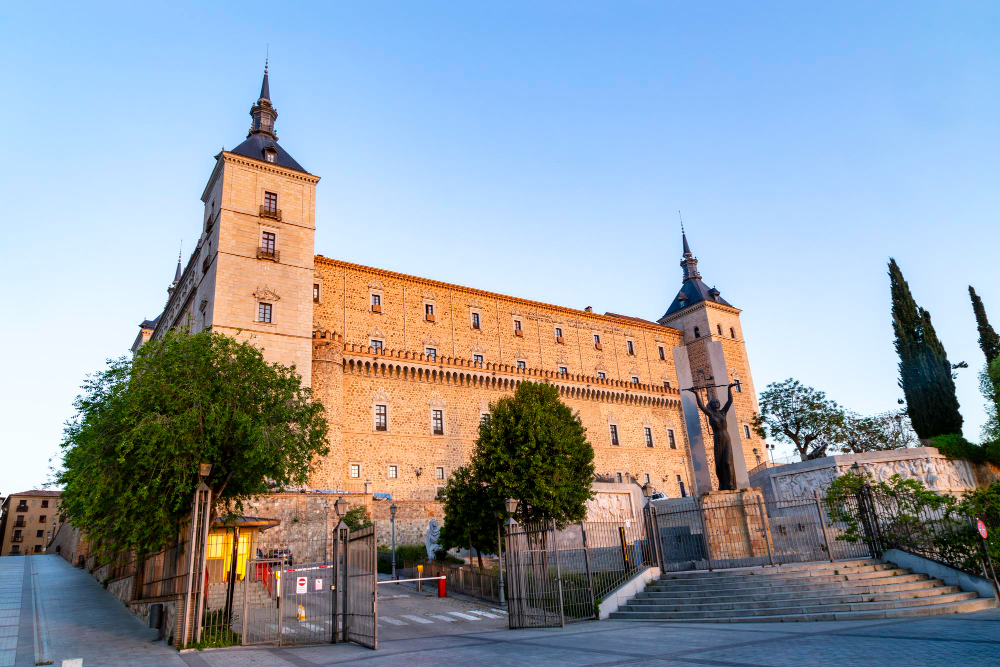
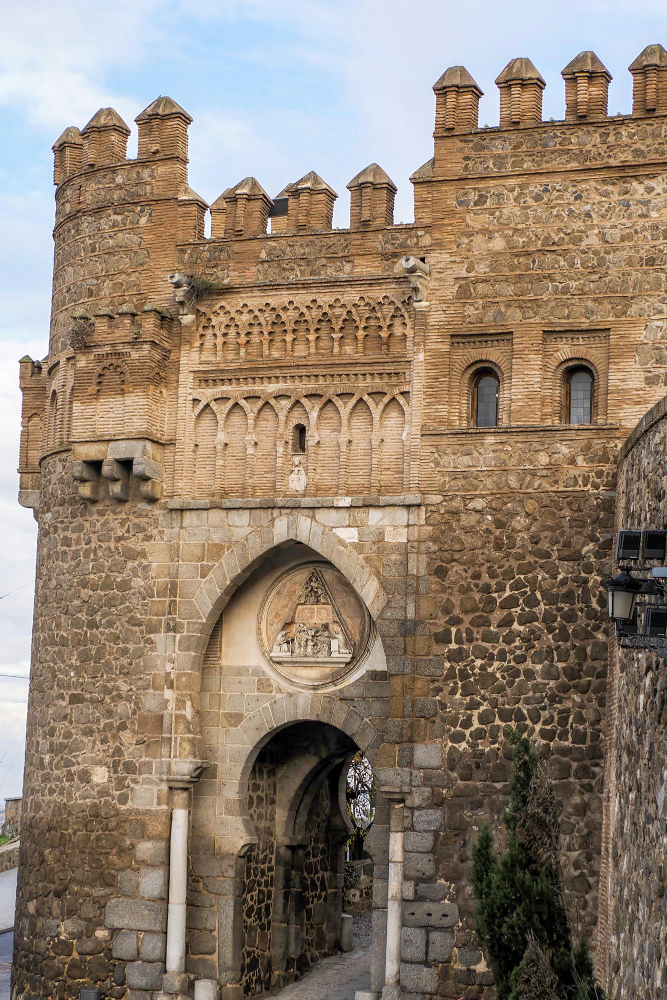
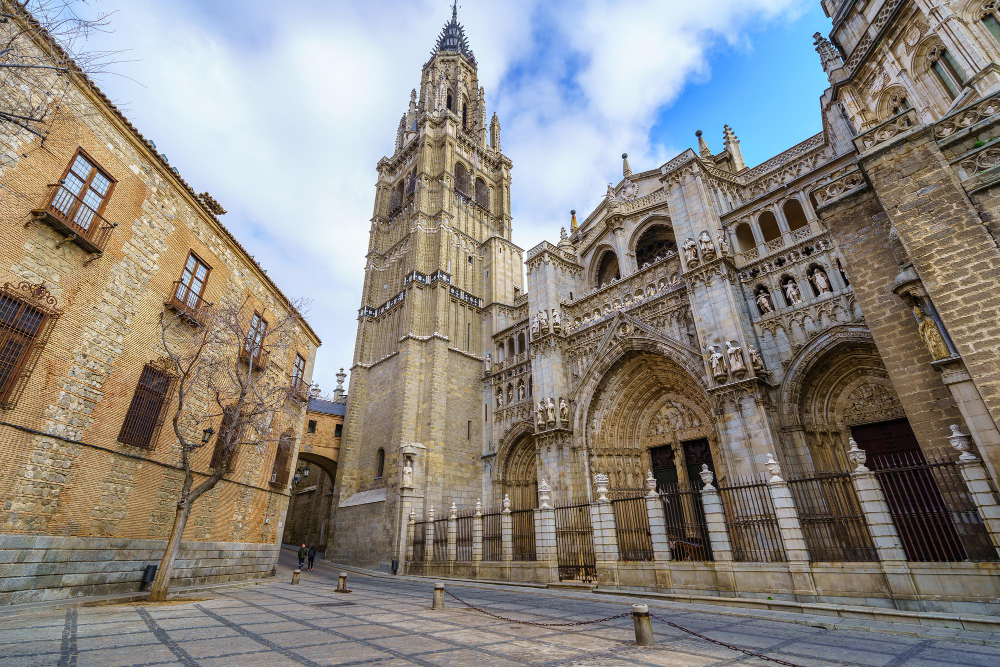
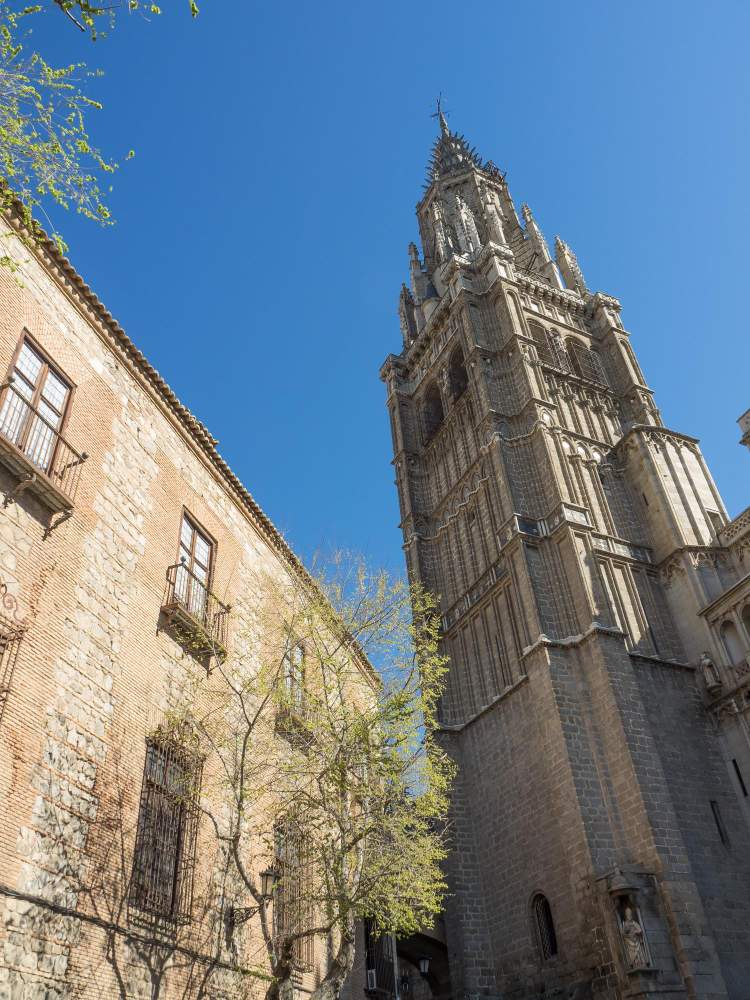
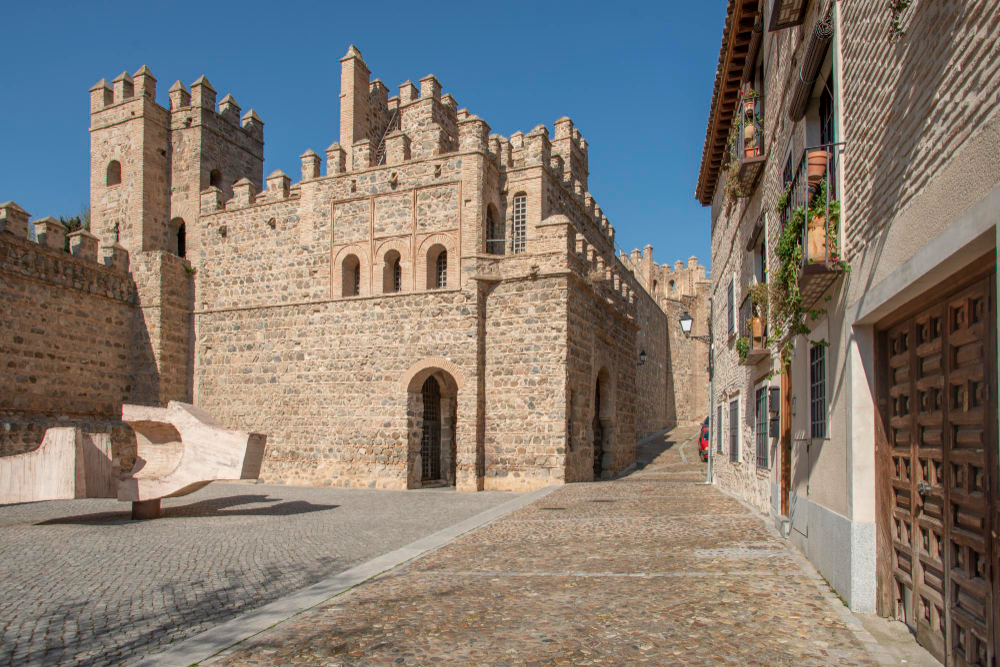
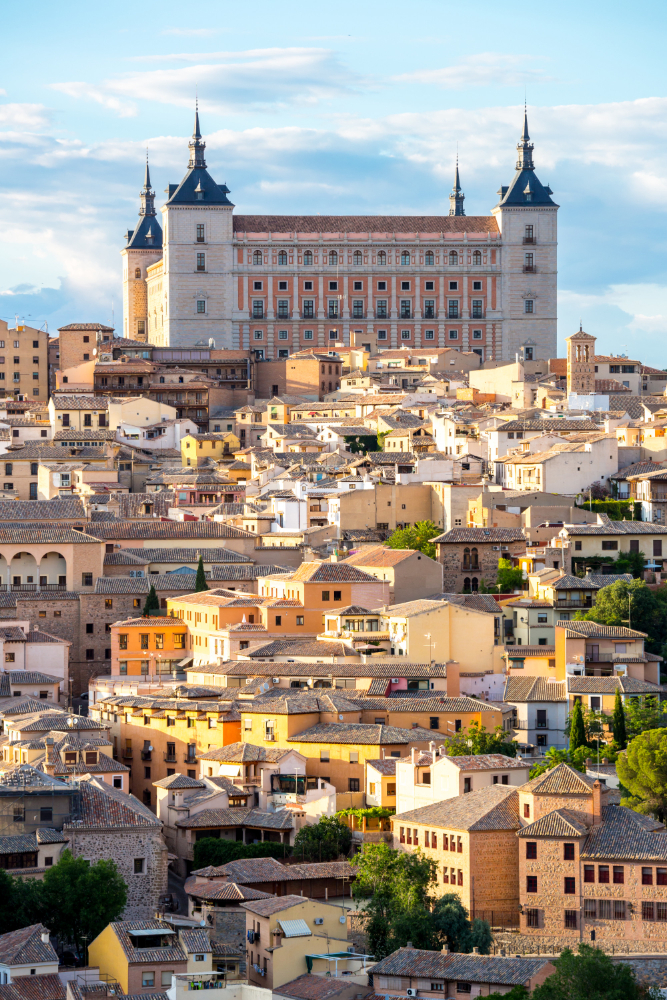
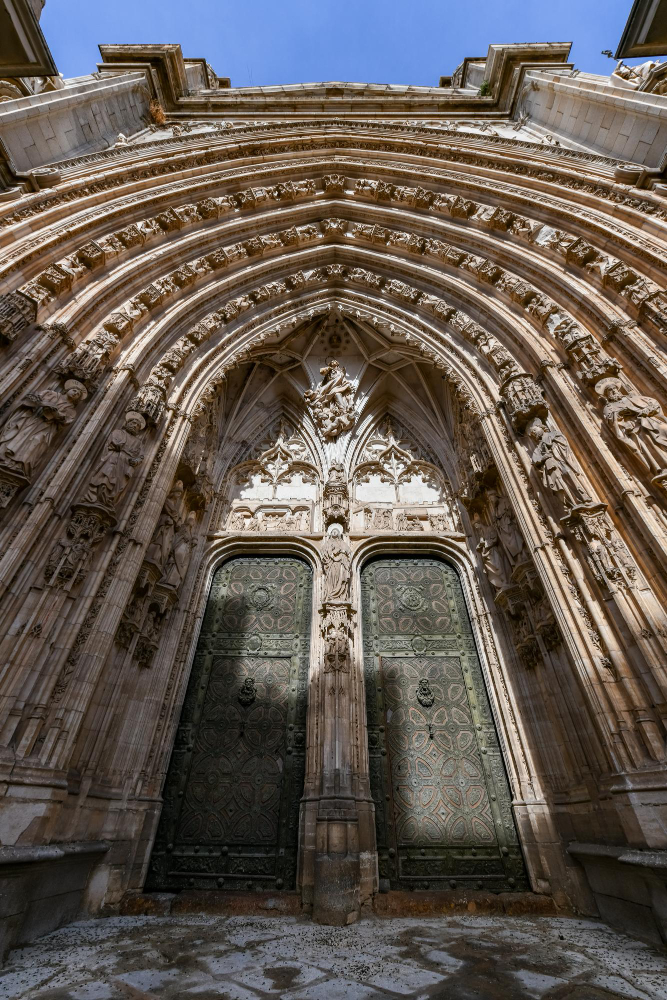
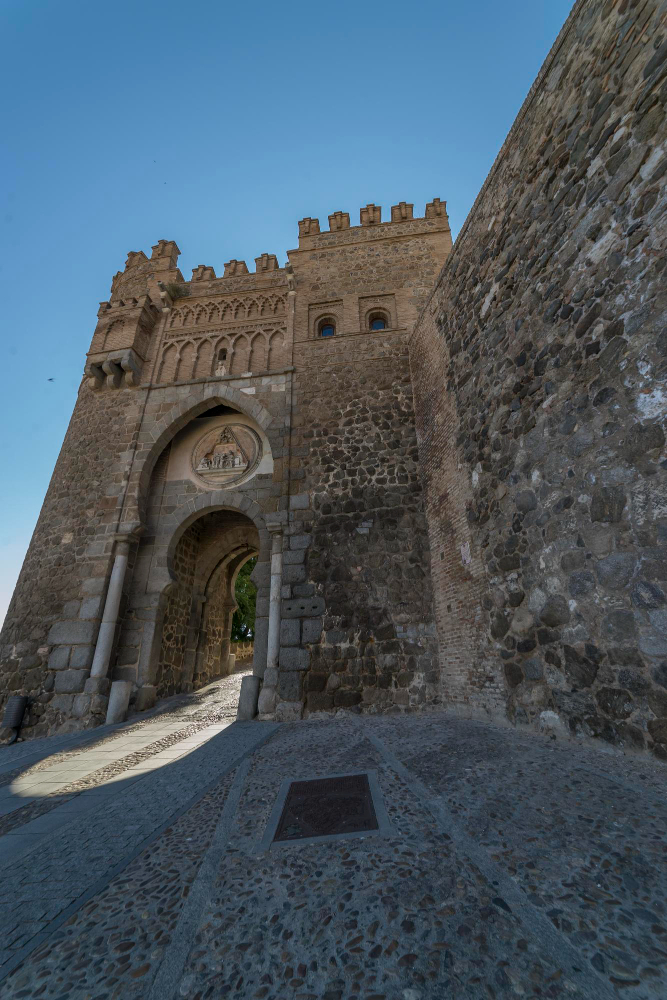
The Architecture of the Three Cultures – A stroll through Toledo is like a journey through the eras of Spanish history. The old town is characterised by narrow alleys, cobbled streets and buildings in the Mudéjar style – a fusion of Christian and Islamic architectural elements. Among the most impressive sights is the Gothic Cathedral of Toledo, built between the 13th and 15th centuries. Its striking bell tower, delicate stained-glass windows and magnificent altars make it one of Spain’s most significant ecclesiastical buildings. No less impressive is the Old Synagogue of Santa María la Blanca, a masterpiece of Moorish architecture that was later converted into a church. It is regarded as a symbol of the city’s rich Jewish heritage. Close by is the El Tránsito Synagogue, which now houses a museum dedicated to Sephardic heritage. Another architectural highlight is the Alcázar fortress, which towers high above the city. Originally built by the Romans and later extended by the Moors, it served as a royal residence and military fortress. Following a devastating fire during the Spanish Civil War, the Alcázar was rebuilt and now houses a military museum documenting the region’s eventful history. Equally spectacular is the ‘Puente de Alcántara’ bridge, which dates back to Roman times. It connects the old town with the opposite bank of the Tagus and offers a breathtaking panoramic view. Not to be forgotten are the numerous small churches, monasteries and palaces scattered throughout the city, which lend it its unique atmosphere.
Art and Culture: A Place Full of Inspiration – Over the centuries, Toledo has inspired numerous artists, including the famous painter El Greco, who lived and worked in the city in the late 16th century. His distinctive works, which captivate with their vibrant colours and expressive figures, can now be admired at the El Greco Museum. Among other pieces, the museum houses his famous work ‘The Burial of the Count of Orgaz’, which is characterised by its spiritual intensity and artistic perfection. Alongside the visual arts, craftsmanship also plays an important role in Toledo. The city is world-renowned for its intricate Damascene work, in which gold and silver threads are artfully inlaid into iron. This craftsmanship dates back to the Moorish period and is still practised today by local master craftsmen.
A place of spirituality and knowledge – It is not only the architecture and art that make Toledo a special place, but also its centuries-long significance for religion and science. In the Middle Ages, the city was an intellectual centre that attracted scholars from all over the world. Toledo’s schools of translation played a crucial role in passing on ancient knowledge to Europe. Works by Aristotle, Ptolemy and Hippocrates were translated here into Latin and Castilian, thereby making a significant contribution to the Renaissance of science. Toledo’s religious significance is also evident in the fact that the city remains the seat of the Archbishop of Toledo, who traditionally represents the highest ecclesiastical authority in Spain. Holy Week in Toledo, known as ‘Semana Santa’, is one of the country’s most impressive religious festivals and attracts pilgrims and tourists alike.
Culinary highlights of the region – A visit to Toledo would not be complete without sampling the local cuisine. Castile-La Mancha is famous for its hearty, rustic cuisine, characterised by simple ingredients. An absolute must-try is ‘Carcamusa’, a hearty stew made with pork and vegetables. Equally famous is Manchego cheese, made from the milk of Manchega sheep reared in the region. The culinary experience is rounded off by regional wine and the sweet speciality ‘Mazapán’, a traditional almond paste that is particularly popular at Christmas time.
Toledo today: a vibrant blend of history and modernity – Although Toledo is best known for its rich history, the city has modernised without losing its historic character. Today, tourists from all over the world visit Spain’s former capital, which has retained its former splendour. The old town is a labyrinth of history and stories, whilst the modern lower town entices visitors with its restaurants, cafés and shops. Thanks to its central location, Toledo can be reached from Madrid in just 30 minutes by the AVE high-speed train, making the city a popular destination for day trips. The well-preserved monuments, cultural heritage and unique atmosphere ensure that a visit to Toledo remains unforgettable.
Toledo is far more than just a historic city. It is a living symbol of the cultural diversity and intellectual exchange that shaped Europe in the Middle Ages. Its impressive architecture, eventful history and charming old town make the city an absolute highlight of any trip to Spain. Anyone visiting Toledo is immersed in a fascinating world where past and present blend seamlessly. A place full of magic, history and inspiration – Toledo is waiting to be discovered.