Nestled within the picturesque landscape of the Moselle Valley lies Traben-Trarbach – a place that stands out not only for its enchanting setting, but also for its rich history and cultural significance. At first glance, it may seem like an idyllic wine-growing village, but behind the historic façades of Traben-Trarbach lies a world full of fascinating details, architectural masterpieces and unexpected stories. Let’s discover the secrets of this small town, which was once a centre of the international wine trade.
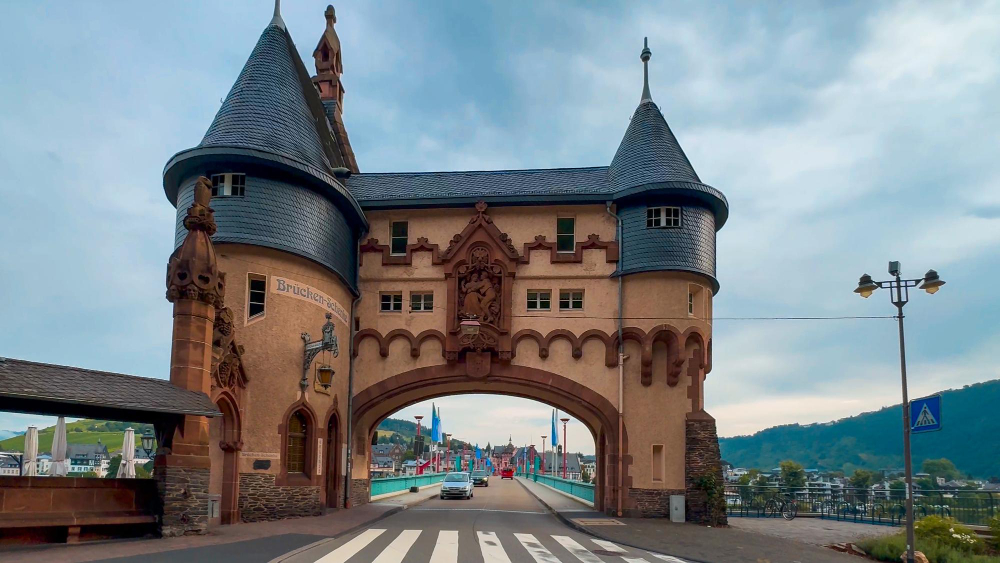
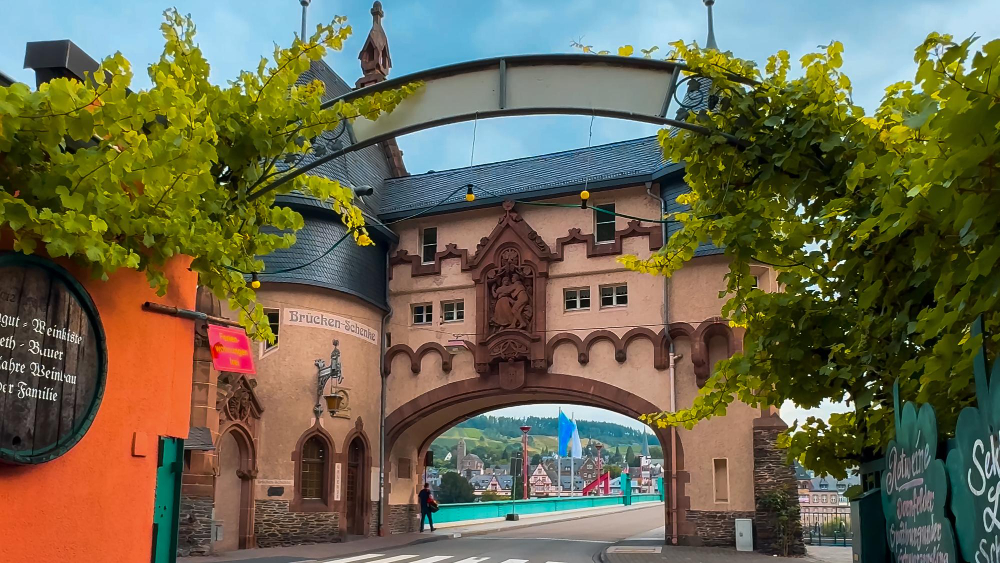
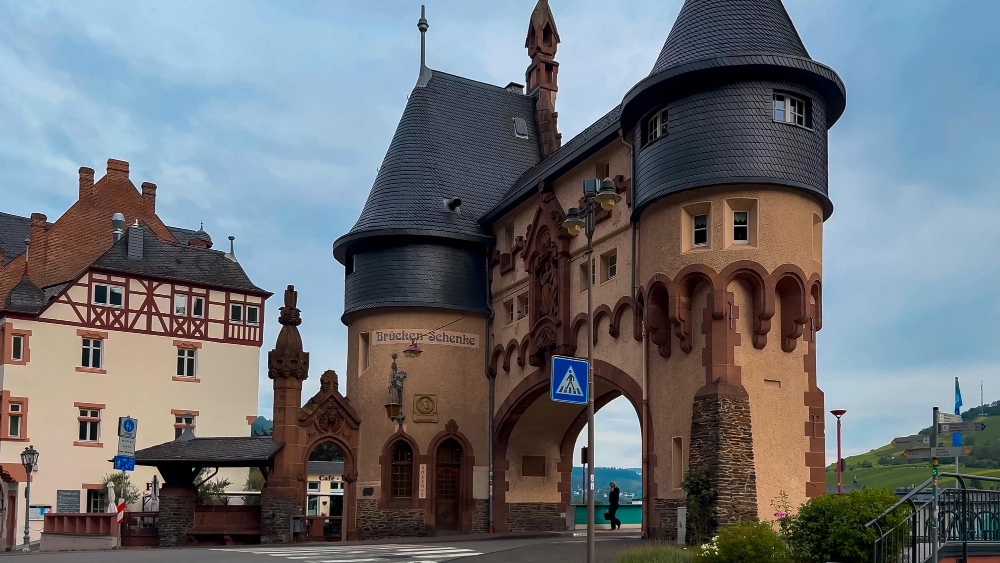
From a dual town centre to a single entity – As its name suggests, Traben-Trarbach is divided between two sides of the Moselle: Traben on one side and Trarbach on the other. Originally, both were independent municipalities before they were symbolically – and later administratively – linked in 1904 by the construction of the ‘Bruckentor’ bridge. This union marked the end of a long period of separate development and laid the foundations for shared economic growth. Its geographical location on the Moselle has always made the town an important trading hub. In the 19th century, Traben-Trarbach even became one of the most important centres for the wine trade in Europe. At times, the town was the world’s second-largest trading centre for Riesling wines after Bordeaux. Even today, this influence is evident in the local culture and economy.
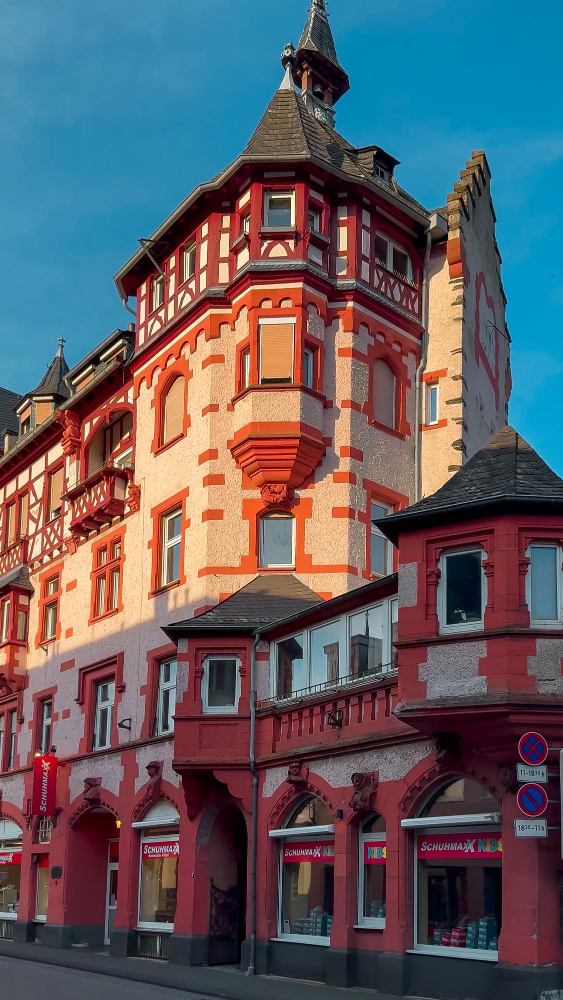
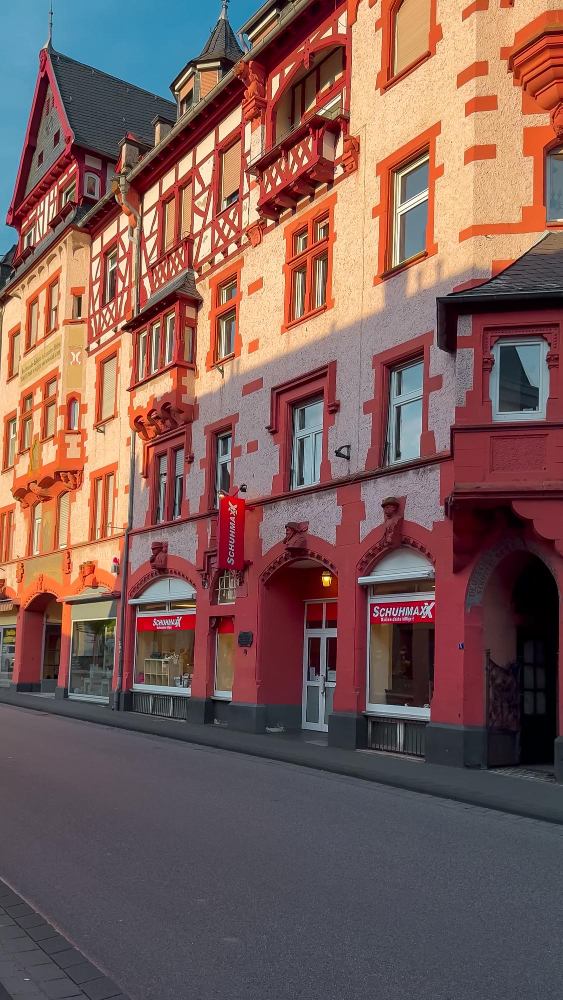
Architectural treasures: Art Nouveau meets tradition – A visit to Traben-Trarbach is like a journey through time. The town’s architecture reflects different eras, with Art Nouveau standing out in particular. Among the most remarkable buildings is Villa Nollen, a magnificent structure that embodies the elegance and rich detail of the early 20th century. Equally impressive is the Hotel Bellevue, whose Art Nouveau décor delights travellers from all over the world. As you stroll through the streets, you’ll discover not only Art Nouveau villas but also historic half-timbered houses that reflect the charm of the Moselle region. The interplay of tradition and modernity makes Traben-Trarbach a unique experience. The famous bridge, known as the ‘Bruckentor’, is another of the town’s landmarks. It is not only a practical link between Traben and Trarbach, but also an architectural highlight with strong symbolic significance.
The underground world of Traben-Trarbach: historic wine cellars – A particular highlight that visitors should not miss are the historic wine cellars that stretch beneath the town. These impressive cellar complexes bear witness to the region’s economic heyday and its significance in the international wine trade. The cellars, some of which lie several storeys below ground, were skilfully hewn into the slate rock and offer ideal conditions for storing wine. Today, some of these cellars are open to the public and serve not only as storage spaces but also as venues, for example for the annual ‘Mosel Wine Night Market’. This Christmas market attracts visitors from across the region and beyond, as its unique atmosphere in the deep, atmospheric wine cellars makes it particularly festive.
The Role of Viticulture: From the Past to the Present – Traben-Trarbach and the surrounding villages along the Moselle have been renowned for their high-quality wine for centuries. Riesling, in particular, enjoys an excellent international reputation. The steep vineyards surrounding the town are among the best sites in the region. Winegrowers here make the most of the geographical and climatic advantages offered by the Moselle region: the slate soil stores heat and releases it back to the vines at night, whilst the river valleys ensure a temperate climate. The challenges of viticulture, particularly on the steep slopes, demand skilled craftsmanship and great effort. Nevertheless, viticulture remains a livelihood for many family-run businesses. Some of them rely on traditional methods, whilst others pursue innovative approaches to keep their products competitive in the global market.
Cultural Events and Tourism: Living Traditions – As well as viticulture, Traben-Trarbach also has a great deal to offer culturally. Regular events, ranging from wine festivals and art markets to music festivals, bring the town to life and attract thousands of visitors. The ‘Mosel Wine Night Market’ stands out in particular. The combination of the Advent atmosphere and fine wines makes it a unique experience. Furthermore, Traben-Trarbach is the starting point for numerous leisure activities. Whether it’s walks through the romantic vineyards, cycle rides along the Moselle or boat trips – the area is perfect for nature lovers and active holidaymakers. Another highlight is the Middle Moselle Museum, which offers fascinating insights into the history of the region and the international wine trade.
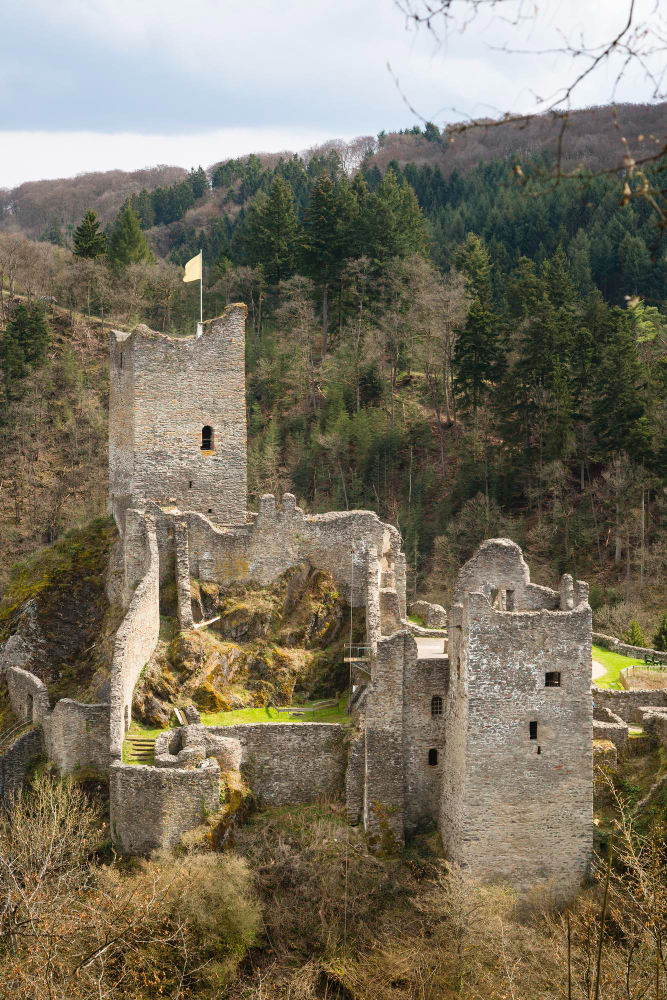
A glimpse into the past: from the Middle Ages to the modern era – The history of Traben-Trarbach dates back to the Middle Ages. Over the centuries, the town has been the scene of numerous historical events. The Counts of Sponheim, in particular, left a lasting mark on the region. During their reign, Grevenburg Fortress was built, which for a long time was regarded as one of the most important strongholds on the Moselle. Although only the ruins of Grevenburg remain today, the site offers a breathtaking view of the town and the surrounding countryside. Throughout its history, however, the town has also suffered setbacks, including devastating fires and wars. Nevertheless, the residents have time and again managed to rebuild and develop their town. It is thanks to this resilience that Traben-Trarbach is today a thriving community with an impressive blend of tradition and innovation.
New Perspectives: Sustainability and Visions for the Future – Tourism is a key economic sector for Traben-Trarbach, yet the town is also increasingly focusing on sustainability. Projects to promote environmentally friendly viticulture and to conserve natural resources are in full swing. Furthermore, the town aims to preserve its historical cultural treasures whilst creating modern amenities for visitors. Another interesting topic for the future is digitalisation. Many local businesses and wineries have begun using digital platforms to showcase their products to a global audience. This enables Traben-Trarbach to present its rich history and culture beyond its geographical borders and to foster exchange with people from all over the world.
A place full of facets – Traben-Trarbach is far more than just a picturesque wine village. It is a place of contrasts and harmony between the past and the present. Its multifaceted history, impressive architecture and the significance of the wine trade make the town an absolute highlight on the Moselle. Visitors to Traben-Trarbach can not only enjoy the beauty of the landscape, but also delve deep into the fascinating stories of this extraordinary place.