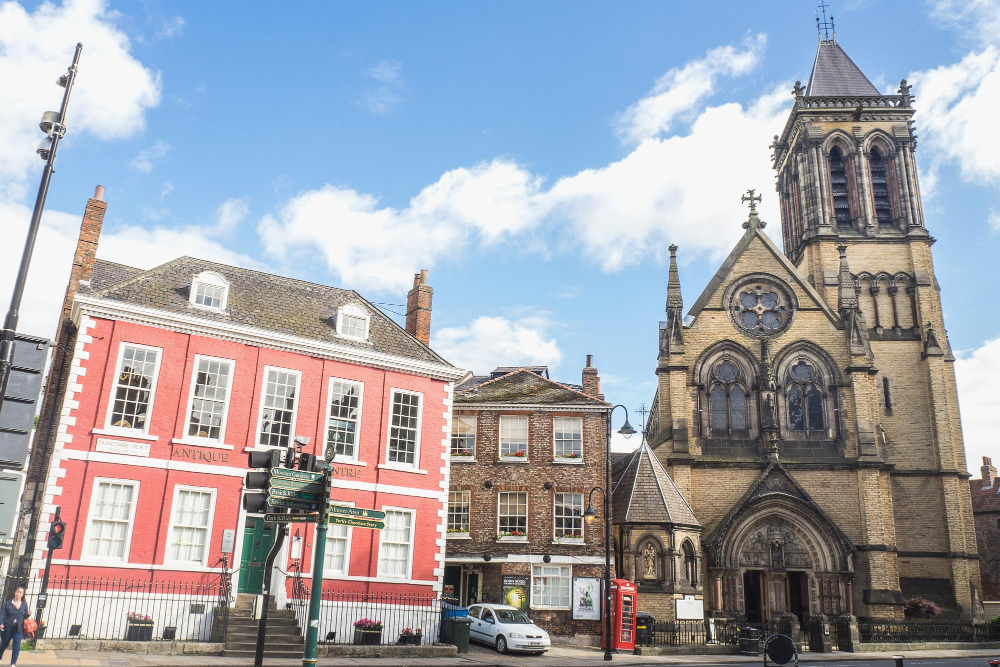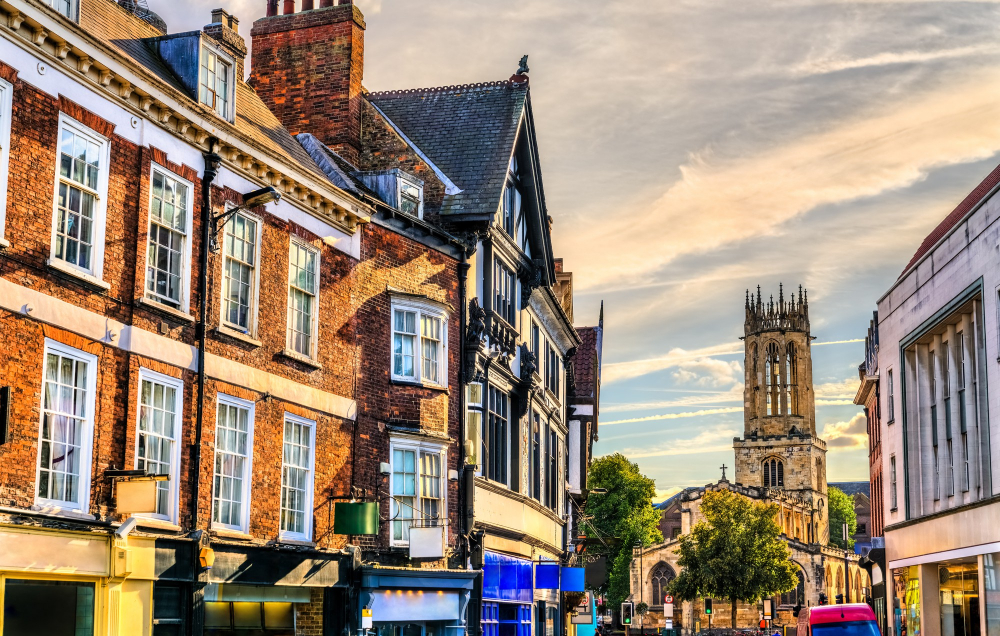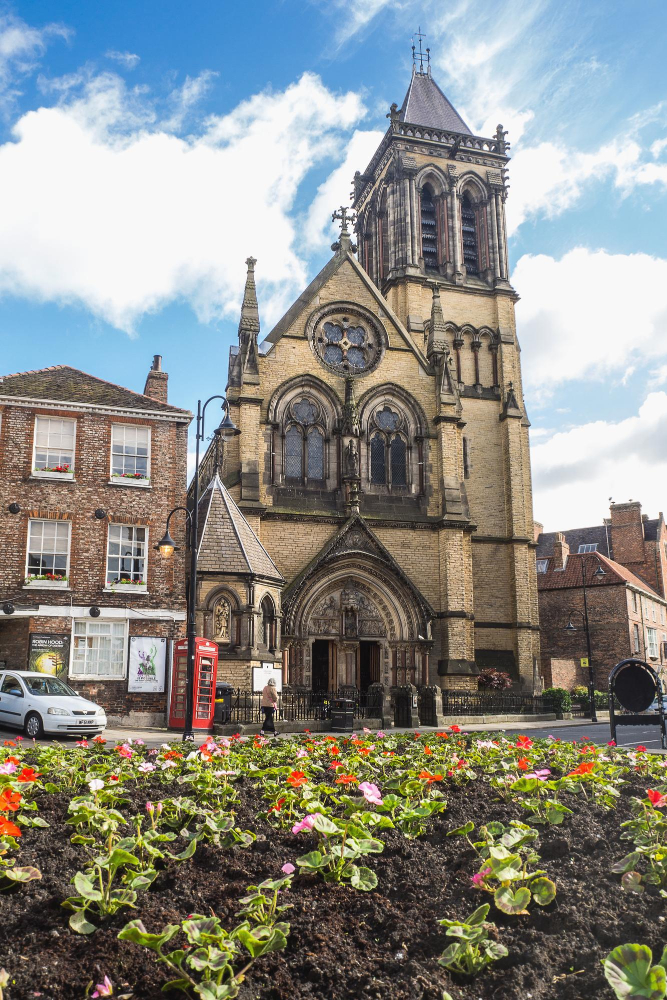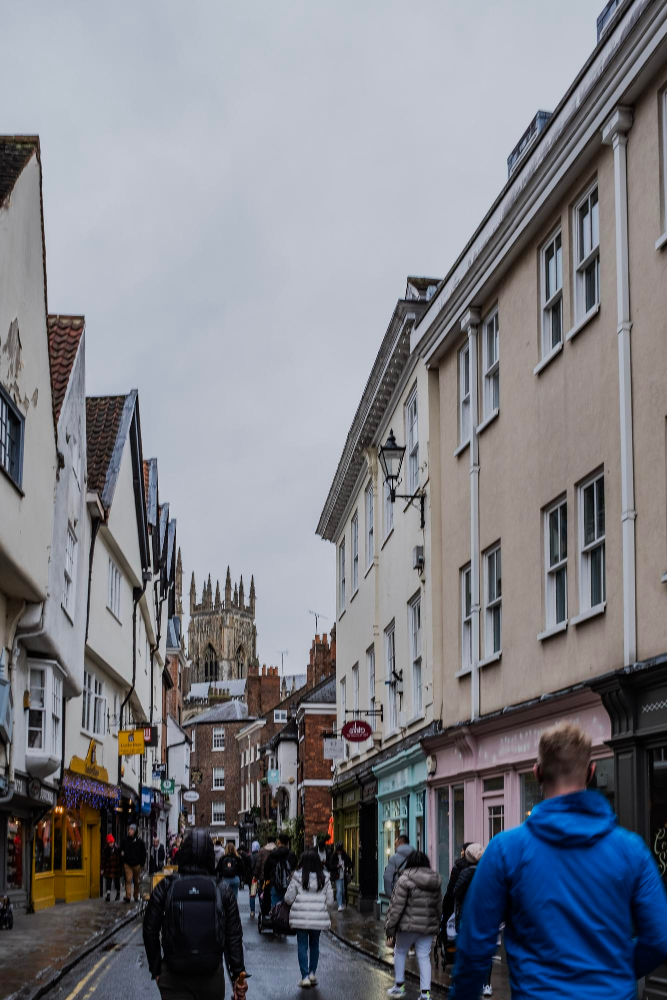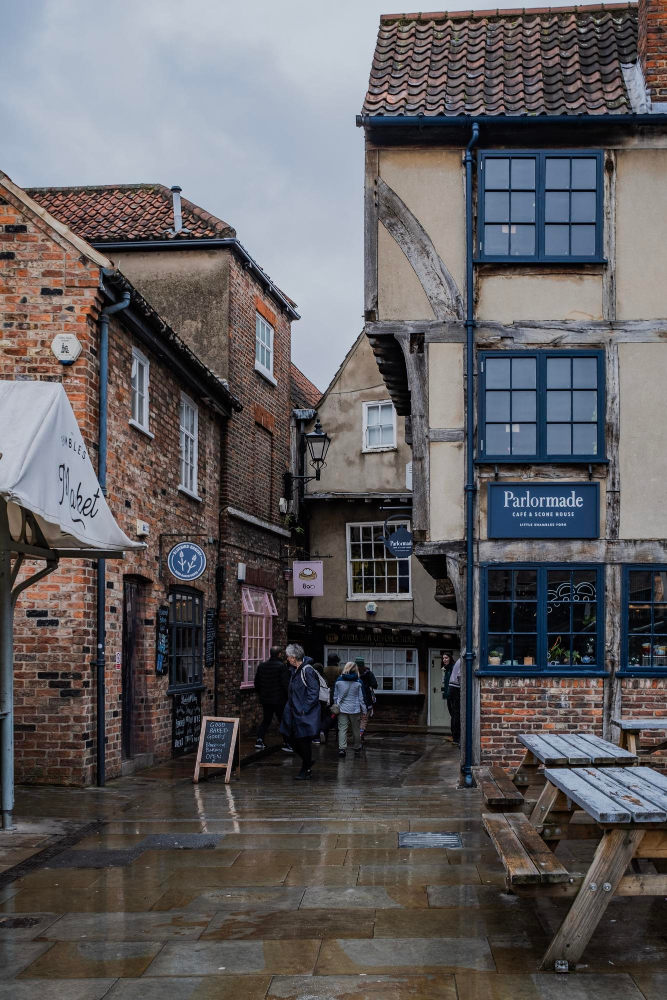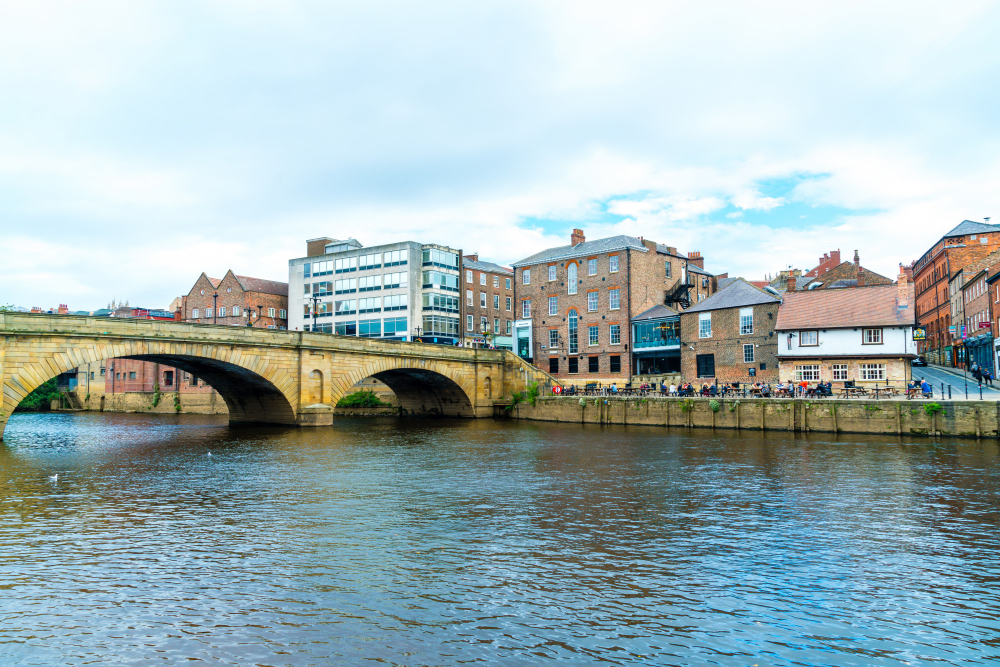
The city of York, often referred to as the ‘Eternal City’, is a true paradise for history lovers and tourists alike. Its roots stretch back to Roman times, when, under the name Eboracum, it played a central role in the north of Britain. Yet York’s history is not defined solely by imperial residences and military might – it also tells a story of cultural diversity, unrest, mystical legends and fascinating archaeological finds that continue to attract visitors from all over the world to this day.
The origin of the name ‘York’ – a reflection of the times – The name York has evolved over the centuries and offers insights into the shifting balance of power and cultural influences in the region. The Romans called the settlement Eboracum, which was derived from the Celtic term Eborāko- and presumably means ‘place of yews’. Although there is no direct evidence of pre-Roman settlement, the Celtic origin of the place name alone suggests a possible earlier settlement. With the arrival of the Anglo-Saxons around 400 AD, the name was changed to Eoforwic, where eofor means ‘boar’ and wic means ‘settlement’. The Vikings, who ruled the region from the 9th century onwards, eventually named the town Jórvík. Following the Norman invasion in 1066, the city was given its present name, York. It is interesting to note that the famous US state of New York was named after this English city – a tribute to the Duke of York, who played a key role in the conquest of the Dutch colony of Nieuw Amsterdam in 1664.
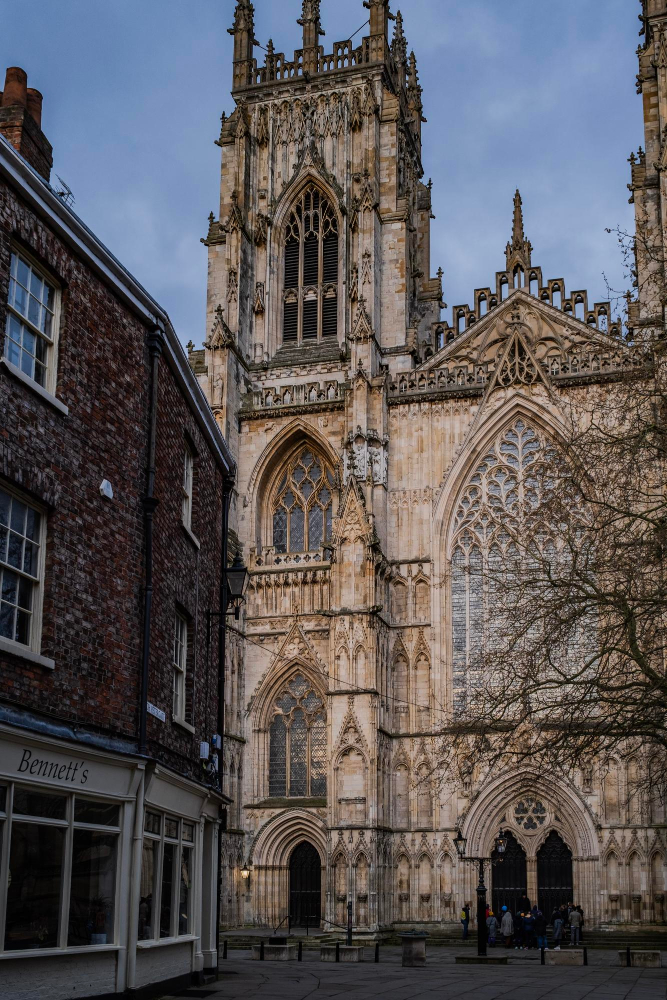
The Roman period – imperial residence and military fortress – The history of York officially began in 71 AD, when the military fort Eboracum was founded under the rule of the Roman Emperor Vespasian. Originally a wooden camp for Legio VIIII Hispana, the fort was later renovated under the command of General Agricola and rebuilt in stone in 107/108. Its location made the town a strategically important military base and later the capital of Northern Britain (Britannia inferior). A significant moment in York’s history occurred in 306 AD, when Constantine the Great was proclaimed emperor here by his troops after his father, Constantius Chlorus, had died in the city. Today, numerous archaeological finds still bear witness to the glorious Roman era: Beneath the imposing York Minster, the foundations of the Roman headquarters have been uncovered, whilst on Deangate stand a restored Roman column and a modern statue of Constantine. Of particular interest to visitors are the remains of a Roman bath, which can be viewed beneath the ‘Roman Bath’ pub on St Sampson’s Square.
The Anglo-Saxon Era and the Viking Age – Change and Reconstruction – Following the withdrawal of Roman troops at the beginning of the 5th century, York became the capital of the Romano-British kingdom of Ebrauc. Under Anglo-Saxon rule, the city experienced a new golden age, particularly as a centre of Christianity. In the 7th century, Paulinus of York brought Christianity to the region and became the city’s first bishop. At the same time, York developed into a theological and cultural centre, whose most famous scholar was Alcuin. With the arrival of the Vikings in 866 AD, a new chapter in York’s history began. The conquerors founded the kingdom of Jórvík, which lasted for about a century and transformed the city into a thriving trading centre. Today, visitors can experience an impressive reconstruction of the city from the Viking Age at the Jórvík Viking Centre. Archaeological excavations in Coppergate have unearthed numerous insights into Viking life – from craft workshops and mints to everyday waste, offering fascinating glimpses into life at that time.
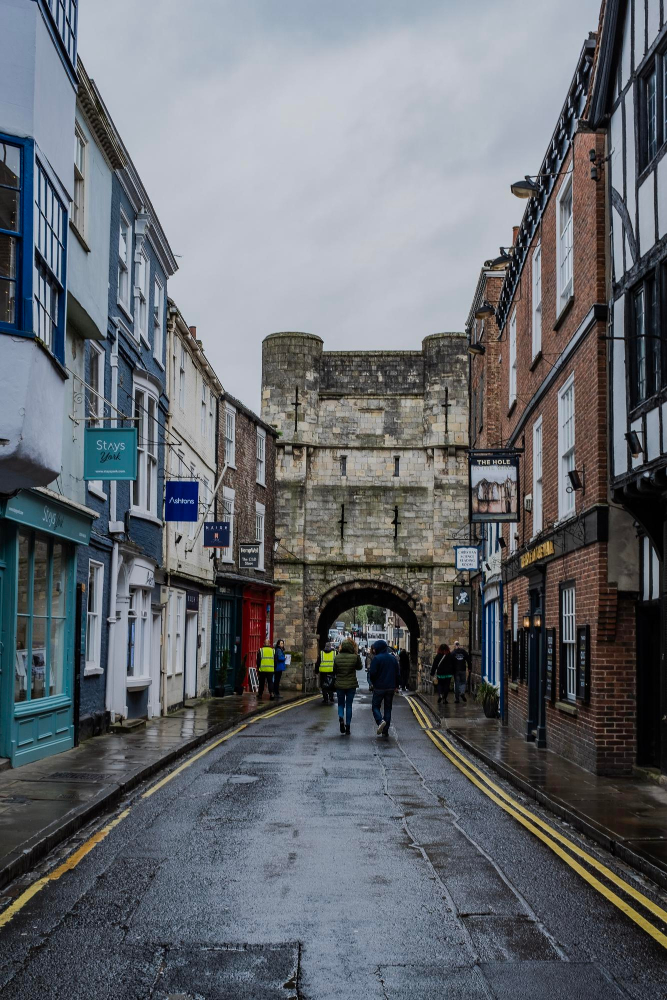
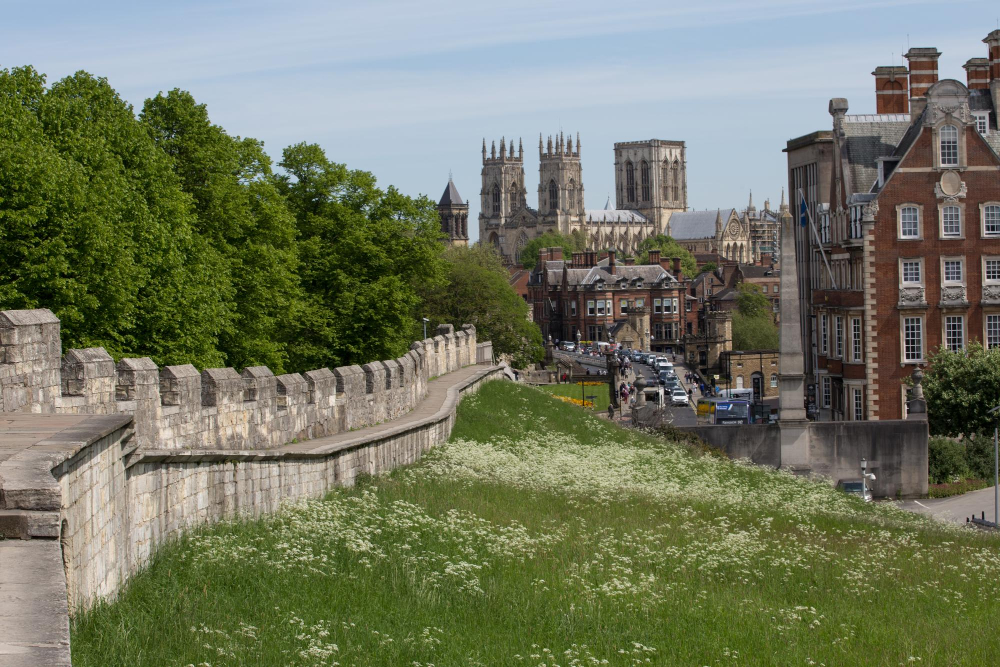
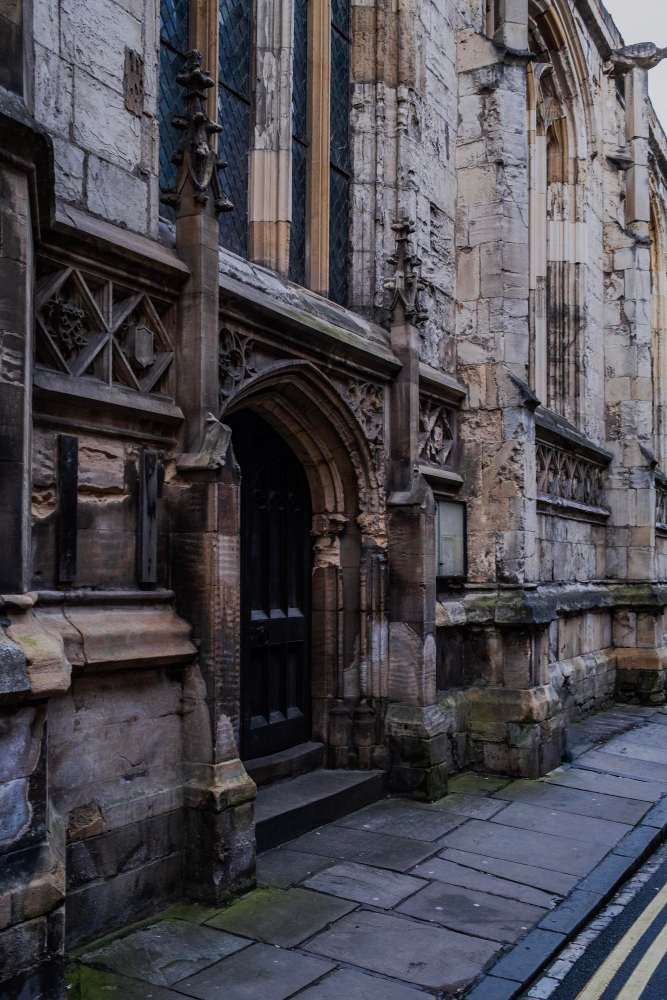
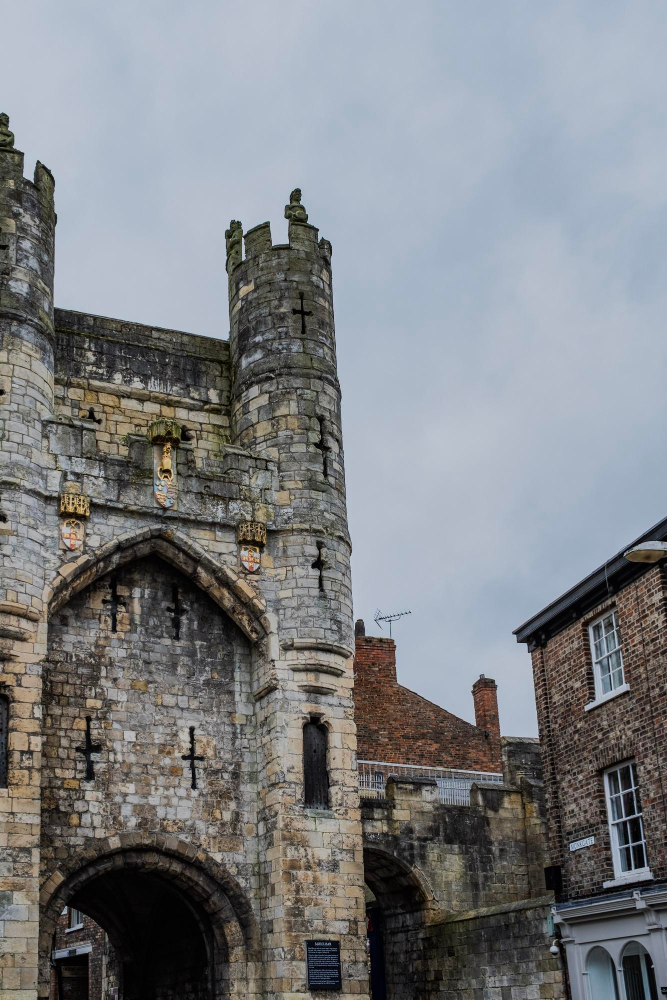
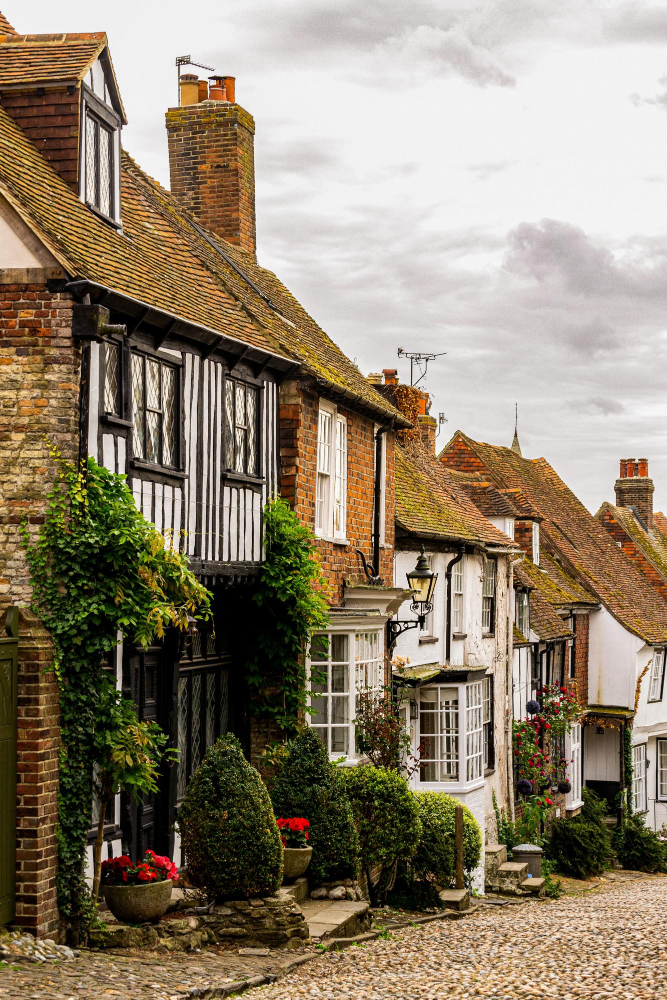
Medieval York – Splendour and Tragedy – With the Norman Conquest in 1066, York became an important administrative centre and the seat of an archbishop. At the same time, the city experienced a golden age as a trading metropolis. Yet the Middle Ages were not characterised solely by prosperity: a dark chapter in the city’s history began in 1190, when a pogrom against the Jewish population took place. Many Jews fled to Clifford’s Tower, where they were besieged by the mob. To avoid forced conversion to Christianity, many took their own lives – a tragic moment that remains a warning and a reminder to this day. Despite these events, York continued to flourish and impressed with its architecture. Of the 45 medieval churches that once stood, 20 remain today, including the imposing city walls and the city gates, known as the ‘Bars’. These structures bear witness to the city’s former importance and invite visitors to stroll through its historic streets.
The Modern Era – A Turning Point for York – In the 17th and 18th centuries, York experienced several events whose effects are still felt today. During the English Civil War, the city was a decisive battlefield when Lord Fairfax and the Parliamentary forces laid siege to it. Later, in 1796, the Quaker William Tuke founded the psychiatric clinic The Retreat, which introduced pioneering therapeutic approaches. Thanks to the ‘Railway King’ George Hudson, York became one of England’s most important railway hubs in the 19th century. This development had a lasting impact on the city’s economy and infrastructure. Yet York was not spared its dark times either: during the Second World War, the city was bombed in the so-called Baedeker Blitz, which claimed numerous lives and damaged historic buildings.
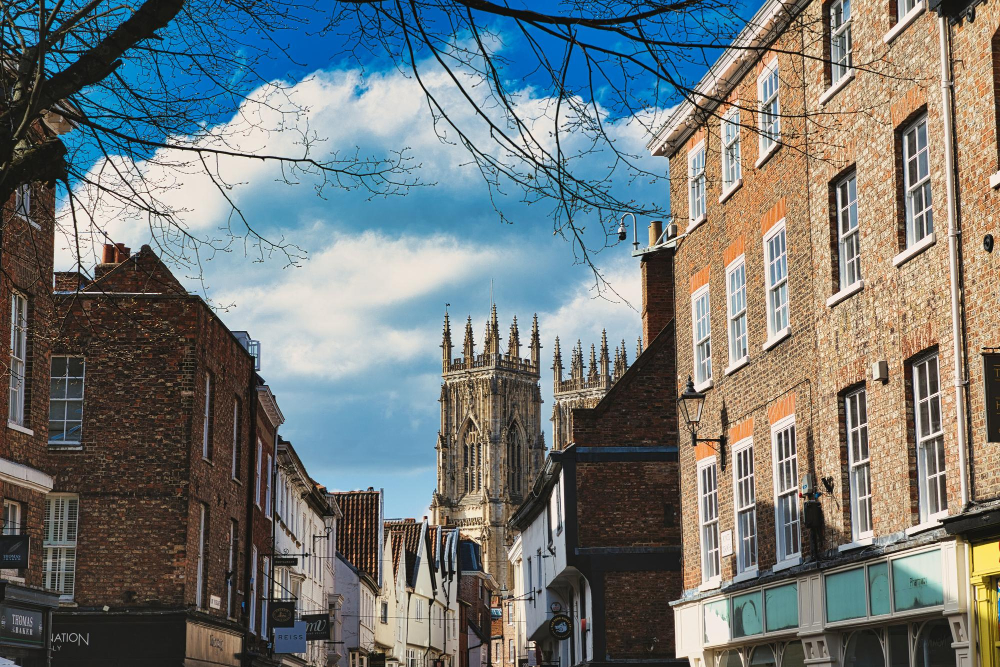
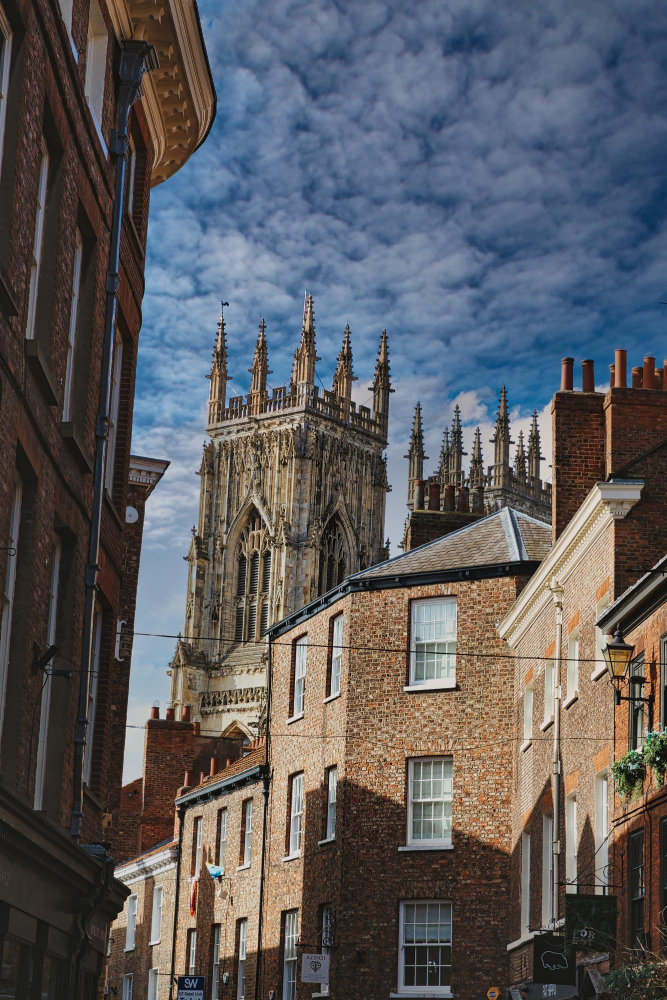
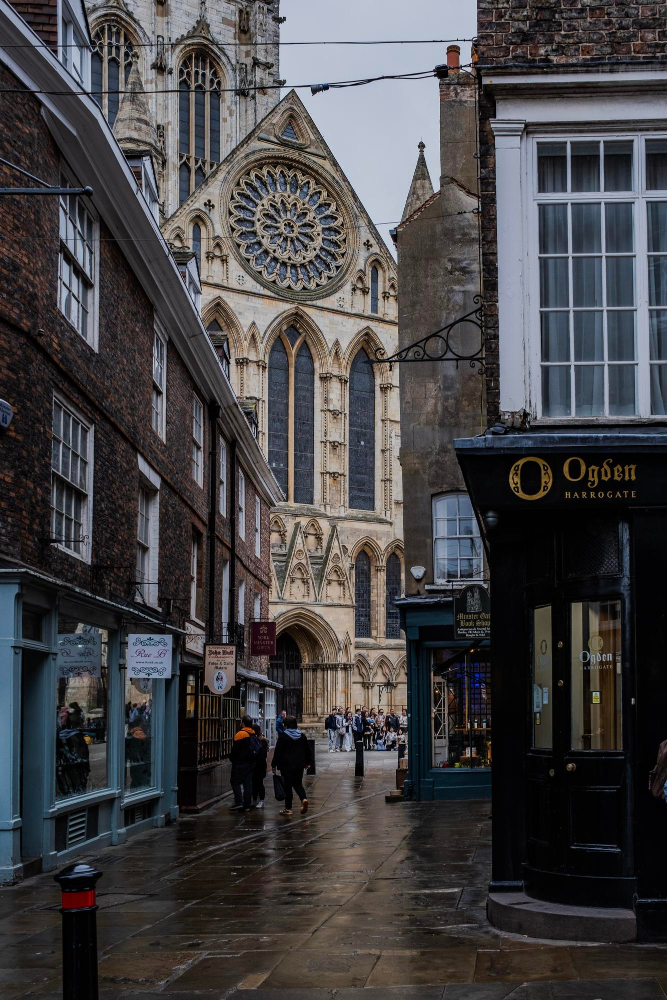
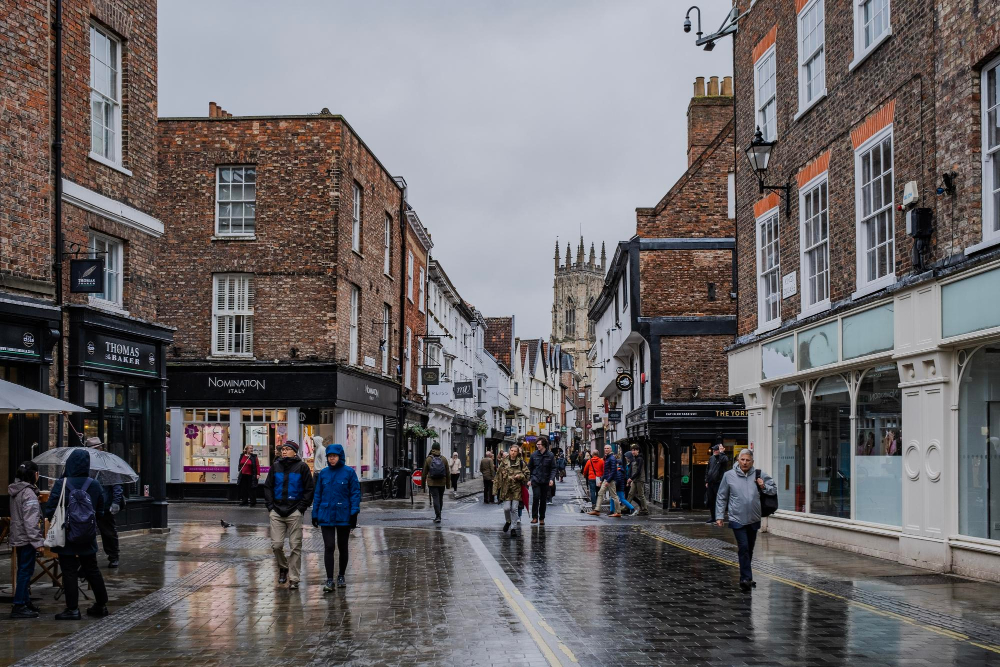
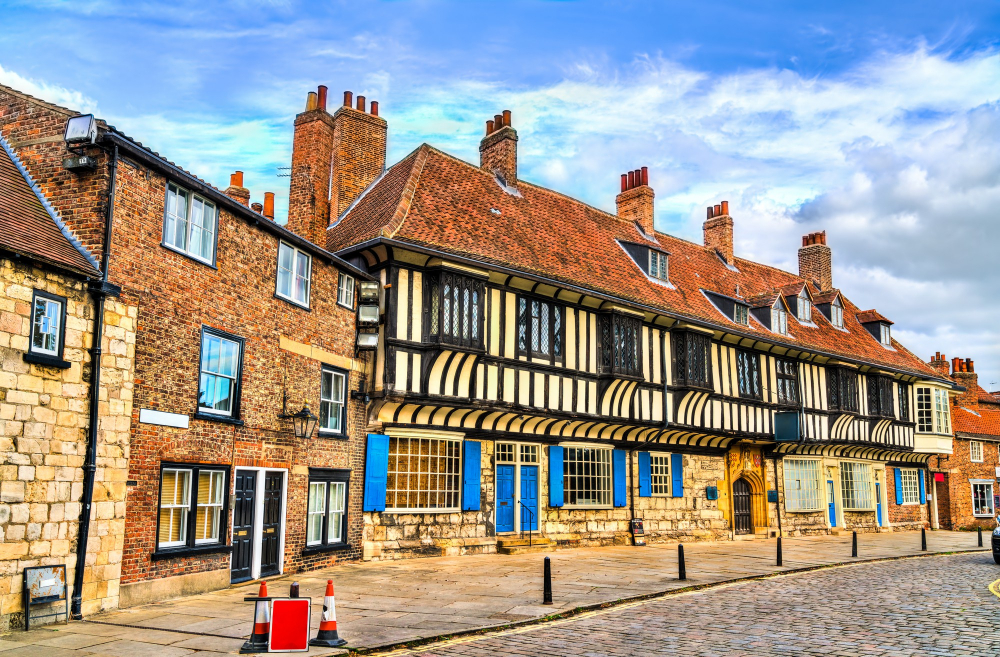
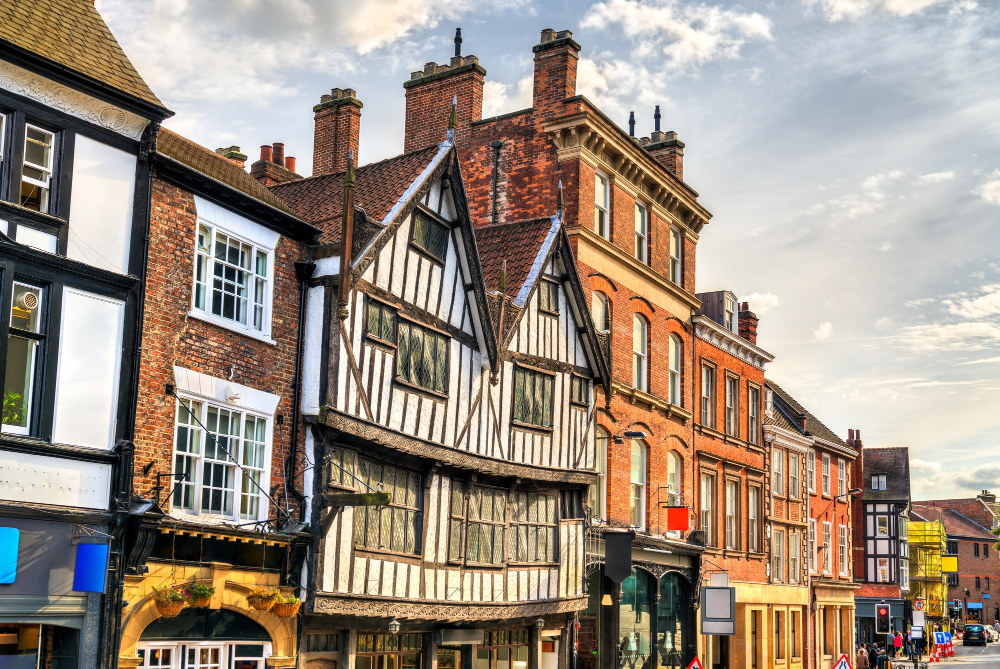
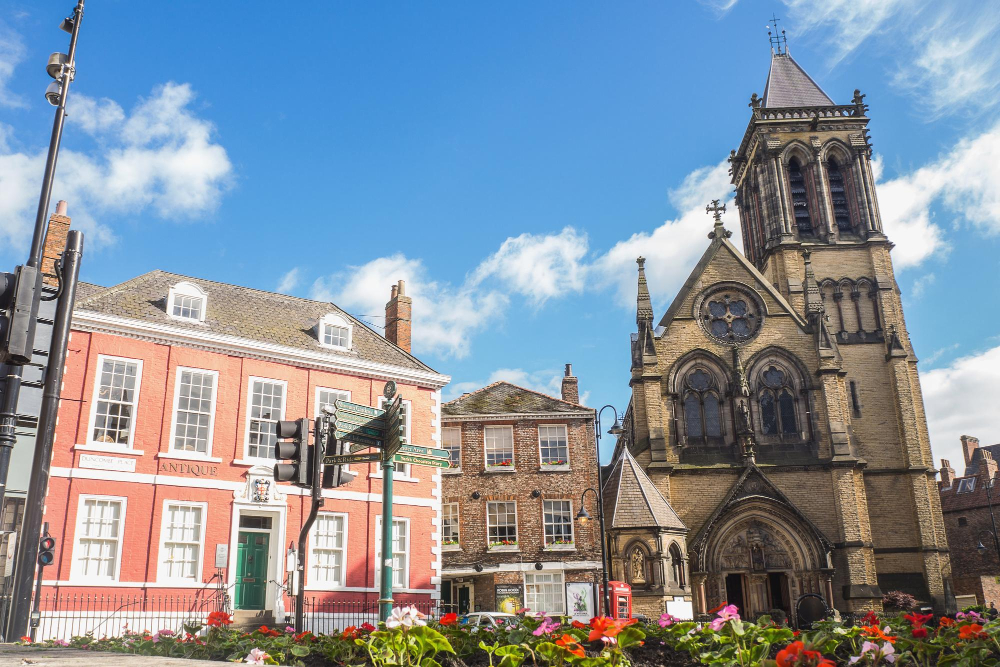
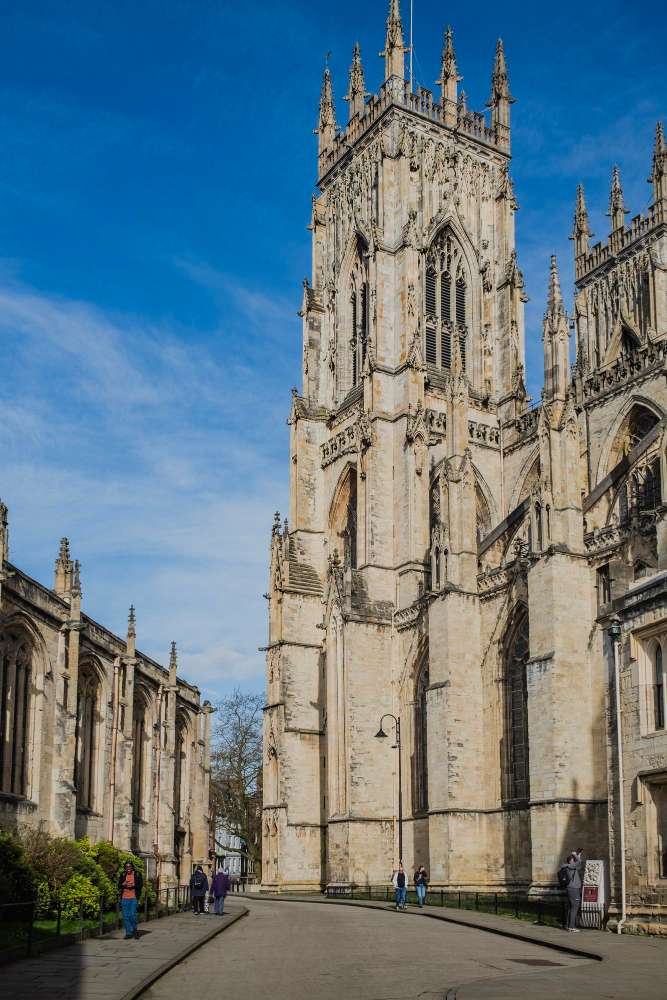
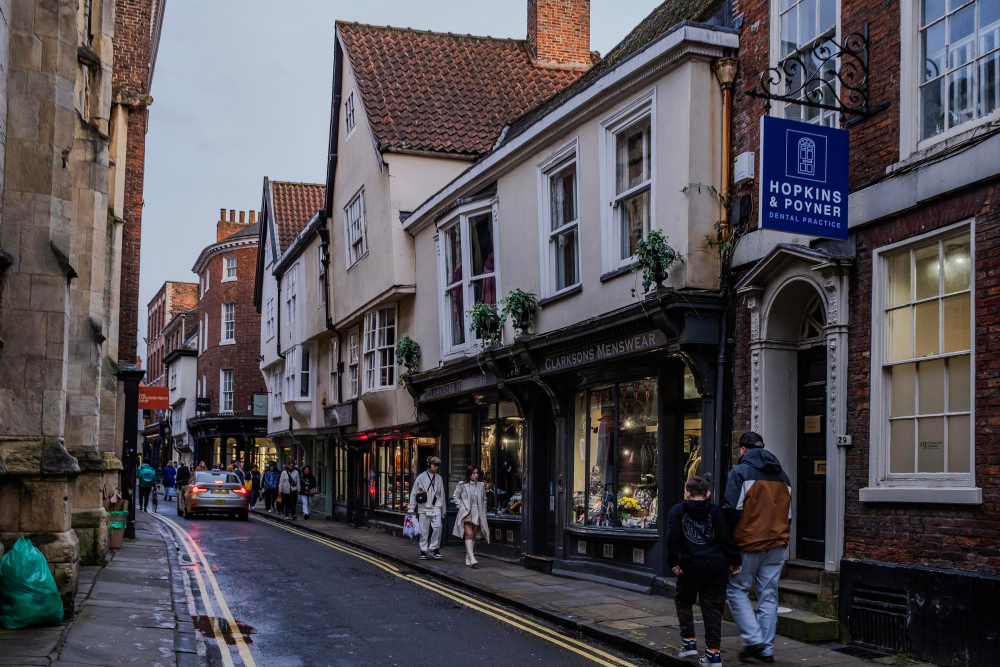
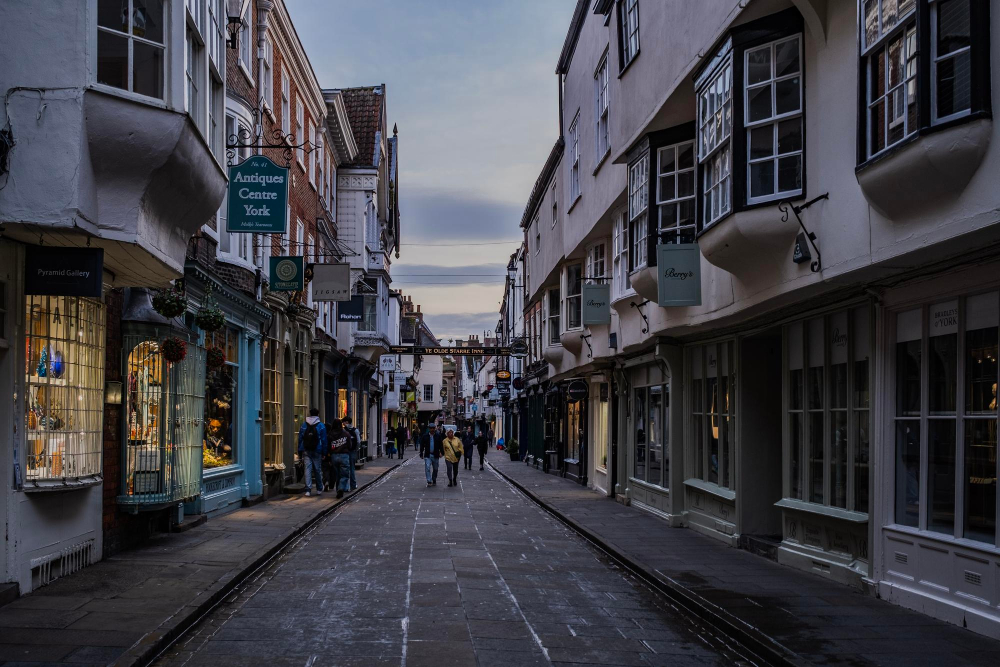
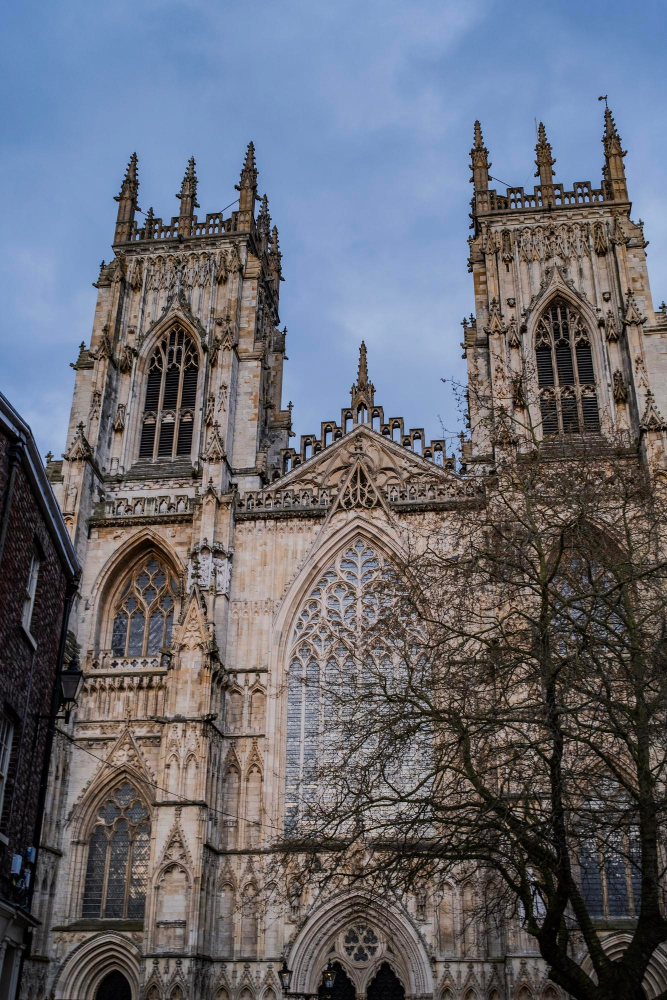
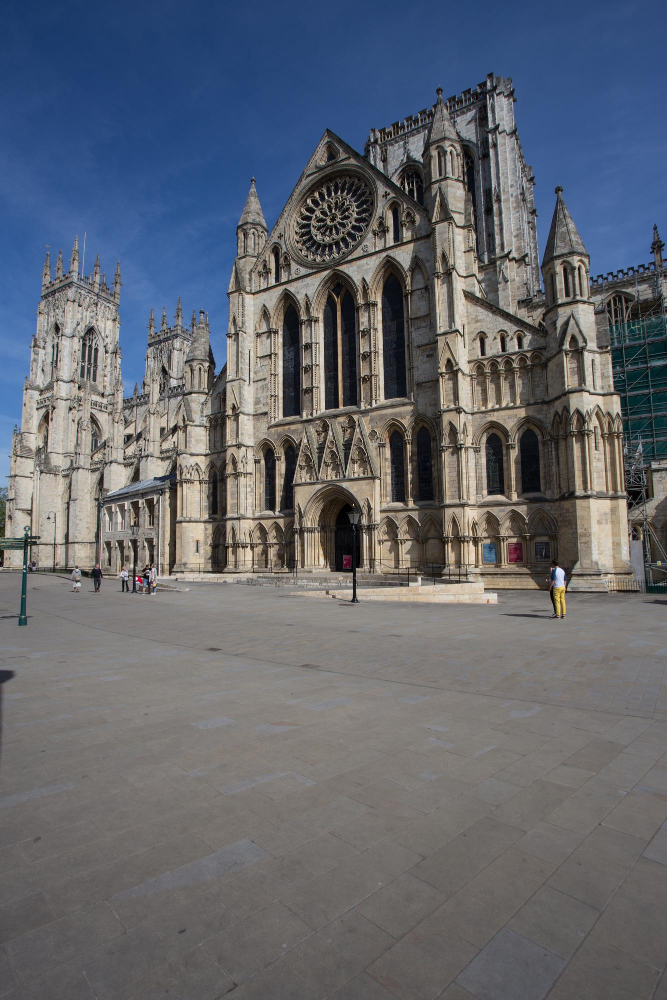
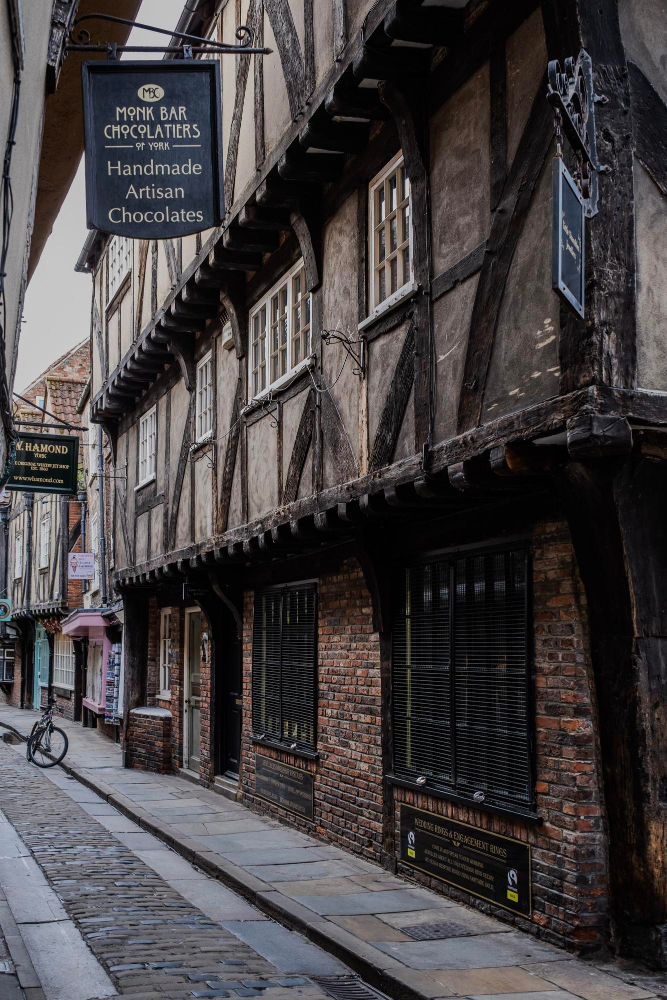
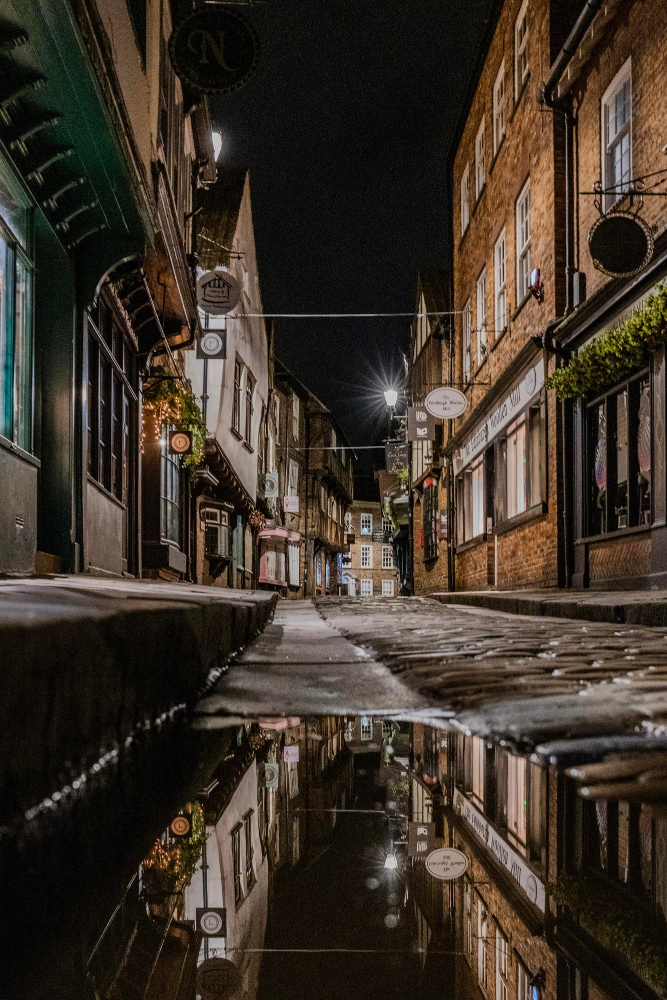
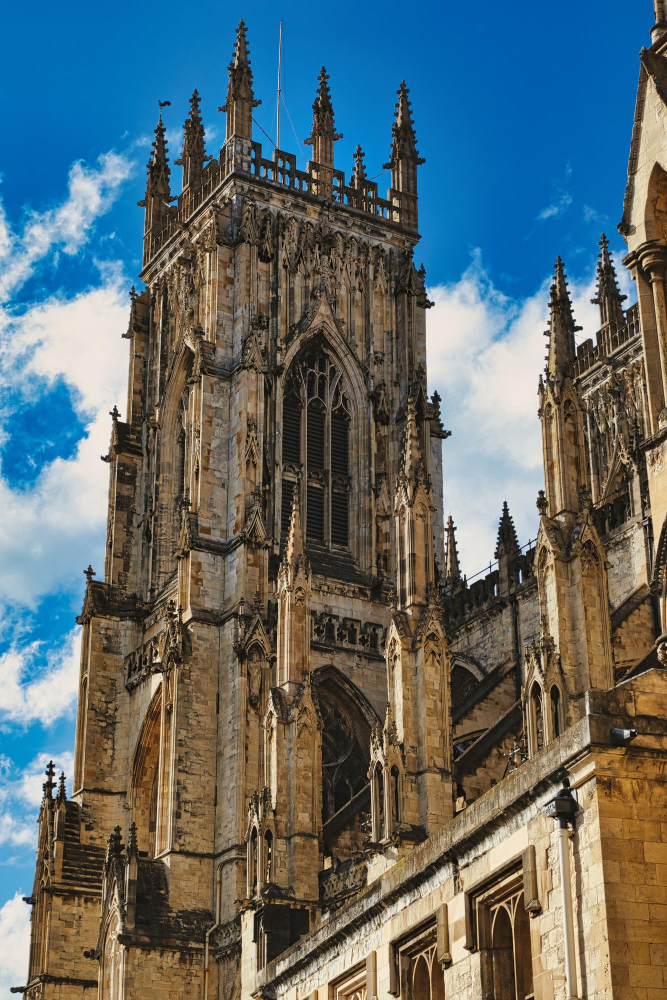
York today – A city full of discoveries – Today, York is a vibrant blend of history and modernity. With its impressive architecture, including York Minster, the largest Gothic cathedral in Northern Europe, the city attracts millions of tourists every year. The city’s universities, including the renowned University of York, also contribute to its reputation as a centre for education and research. For those wishing to delve deep into history, York offers numerous museums, including the Yorkshire Museum, which displays Roman and medieval artefacts, and the Cold War Bunker, which tells stories from more recent times. Walks along the city walls or through medieval streets such as the Shambles bring the past to life.
Visiting York – A Journey Through Time – York is more than just a city steeped in history – it is a place full of magic, secrets and vibrant culture. From the legacy of the Romans through the Viking era to the modern university, York skilfully bridges the gap between past and present. Every step through this fascinating city tells a new story waiting to be discovered. Whether you’re marvelling at the archaeological wonders of the Romans, sensing the spirit of the Vikings, or simply enjoying the city’s lively atmosphere – York is an unforgettable destination for anyone wishing to experience its history.