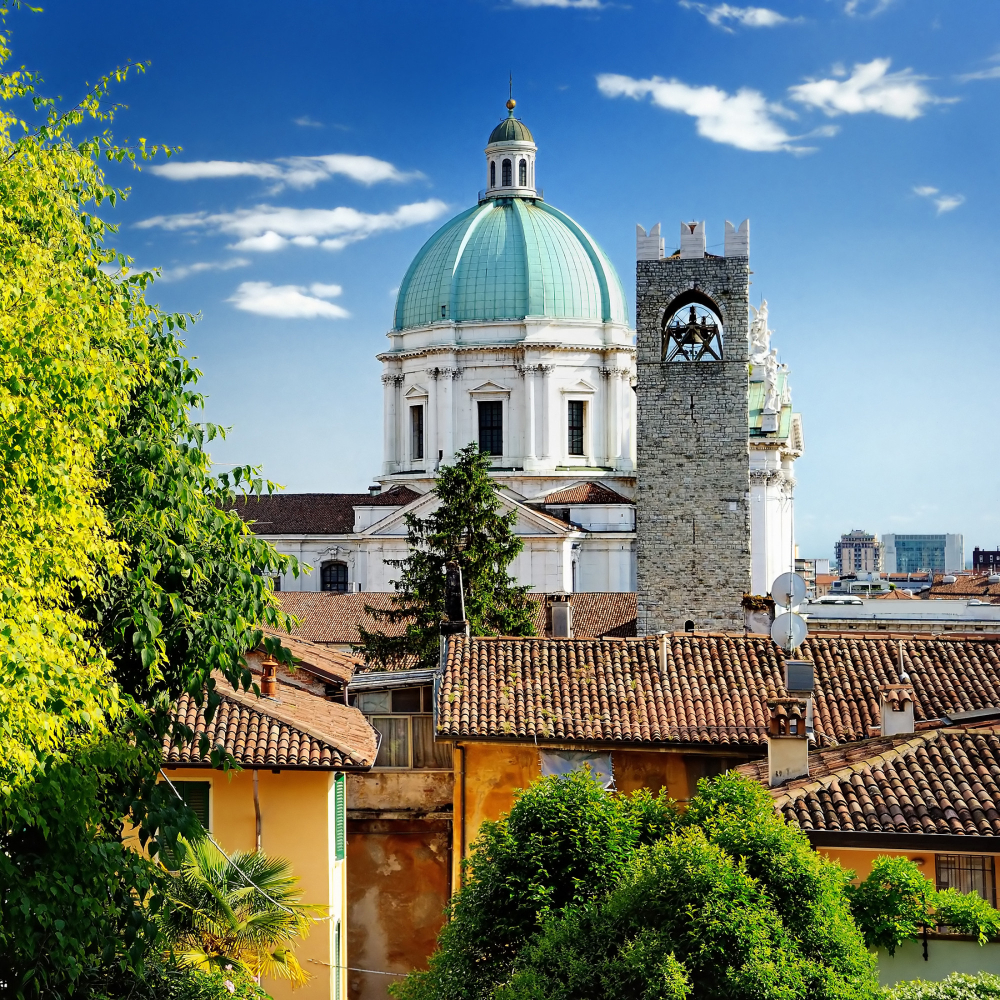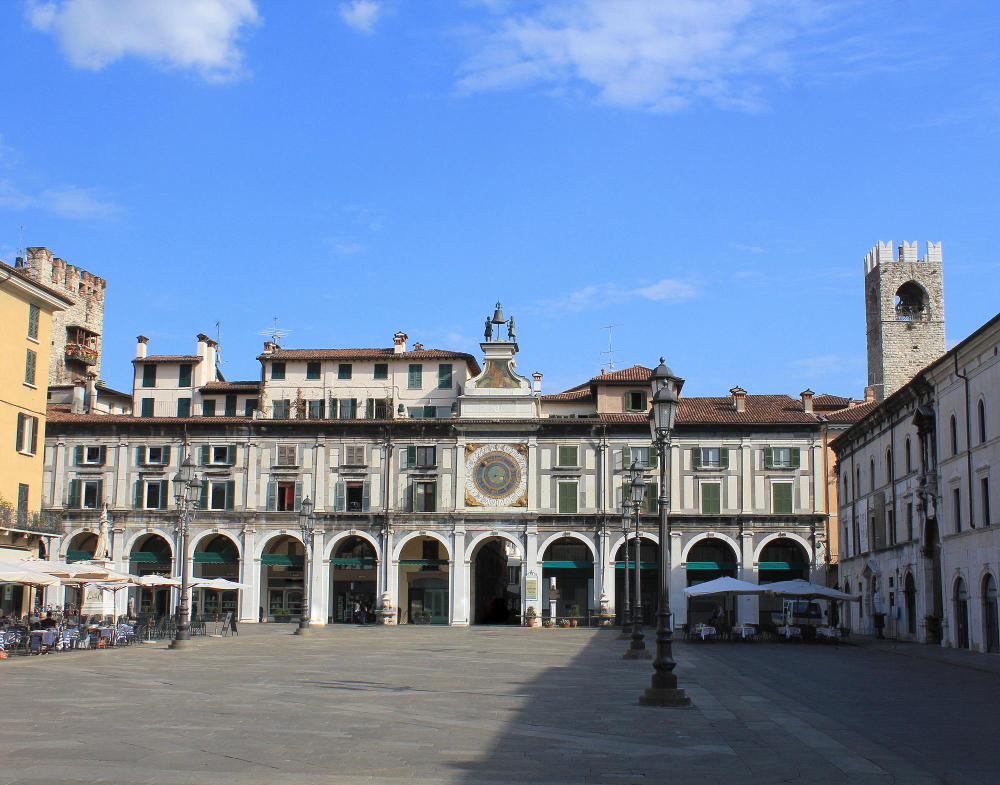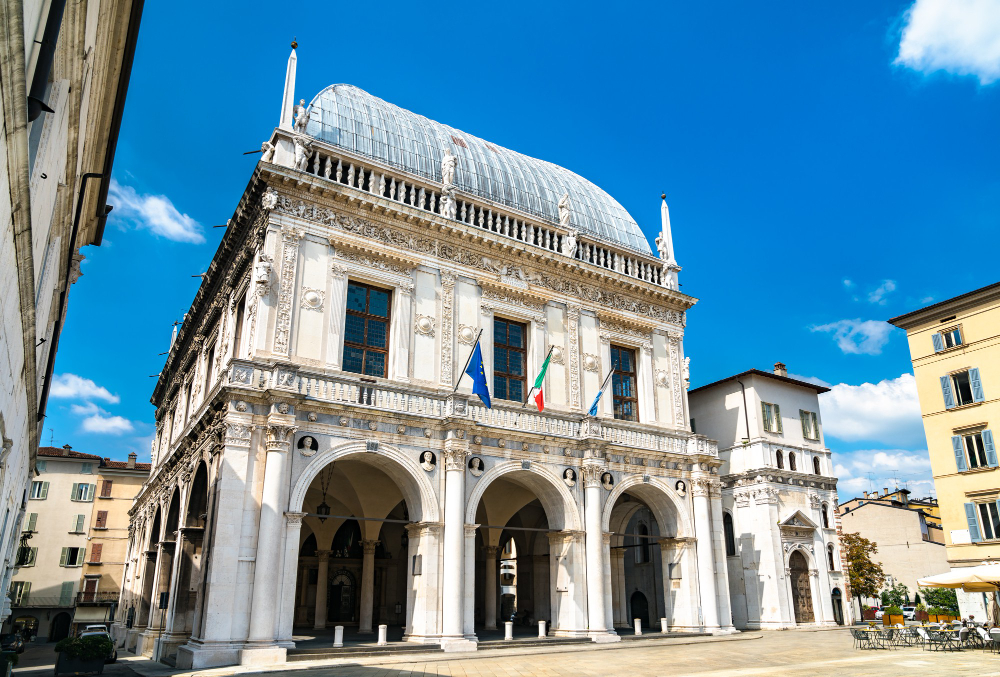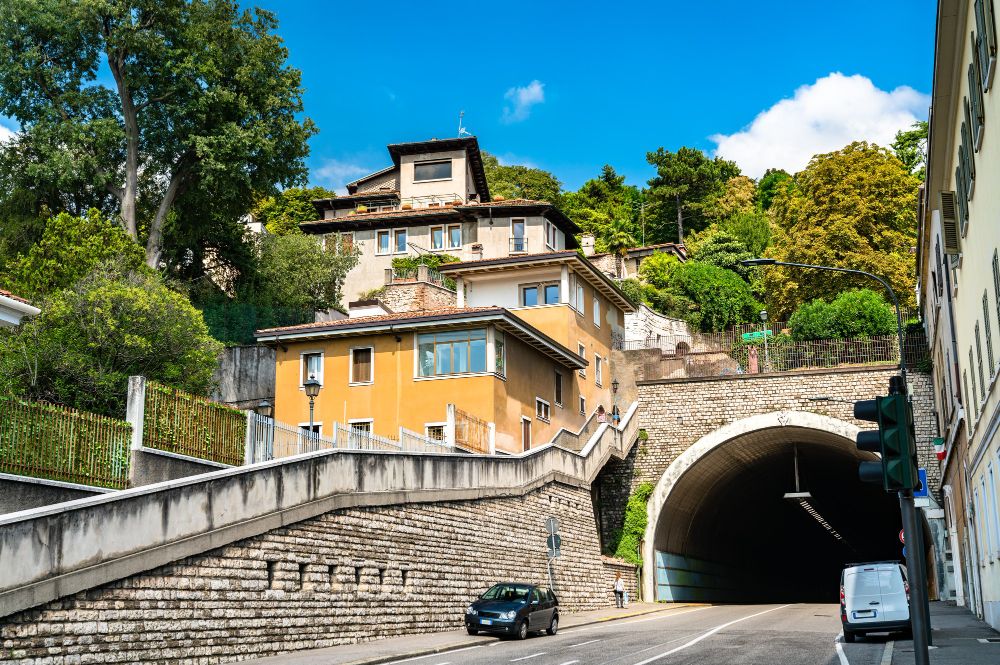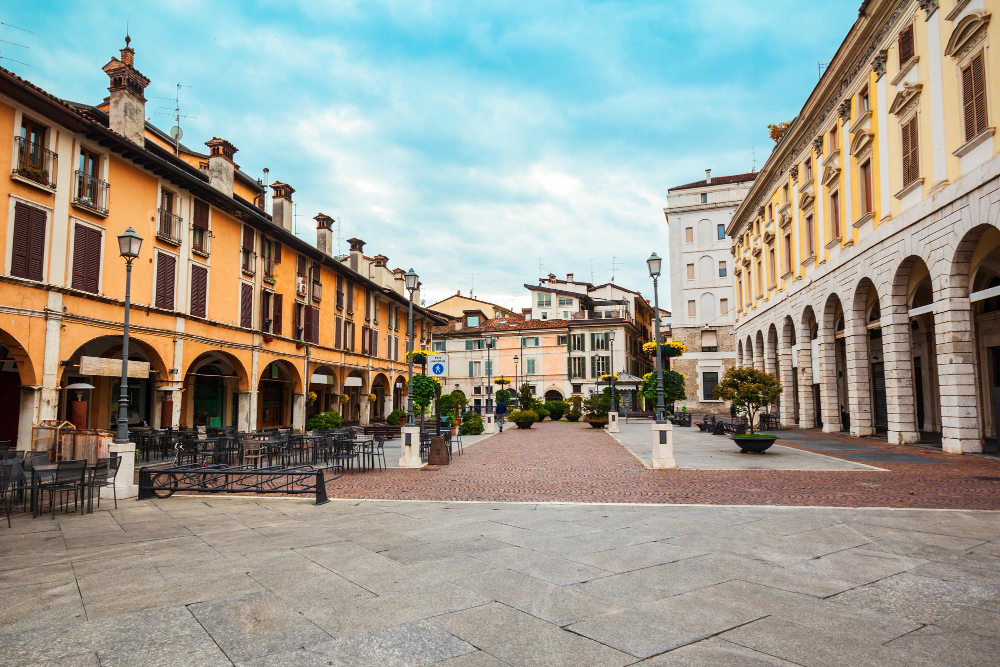
Brescia, a city in the heart of Lombardy in northern Italy, is far more than just an unassuming city. Despite its relatively low international profile, Brescia is one of Italy’s oldest settlements and offers a fascinating blend of history, art and contemporary life. In this article, we delve into Brescia’s rich past, cultural heritage and vibrant present to give the reader a comprehensive picture of this extraordinary city.
Historical Roots: From the Origins to Roman Times – Brescia’s origins date back at least to the Iron Age. Archaeological finds show that as early as 350 BC, Celtic tribes, in particular the Camuni, were settled in the area. They left behind the famous rock carvings of Valcamonica, which were later designated a UNESCO World Heritage Site and are now considered among the most significant prehistoric works of art in Europe. Later, Brescia became an important Roman colony, known as ‘Brixia’. Thanks to its strategic location on the Via Gallica, a major trade route between the Po Valley and the Alps, the city rapidly developed into an economic and military hub. Numerous Roman landmarks still bear witness to this era, including the impressive Capitolium, a three-part temple complex considered one of the best-preserved Roman monuments in northern Italy. These ancient structures form the heart of the historic centre and are complemented by the Roman theatre and the remains of the forum, which offer visitors a deep insight into the lives of the city’s inhabitants at that time.
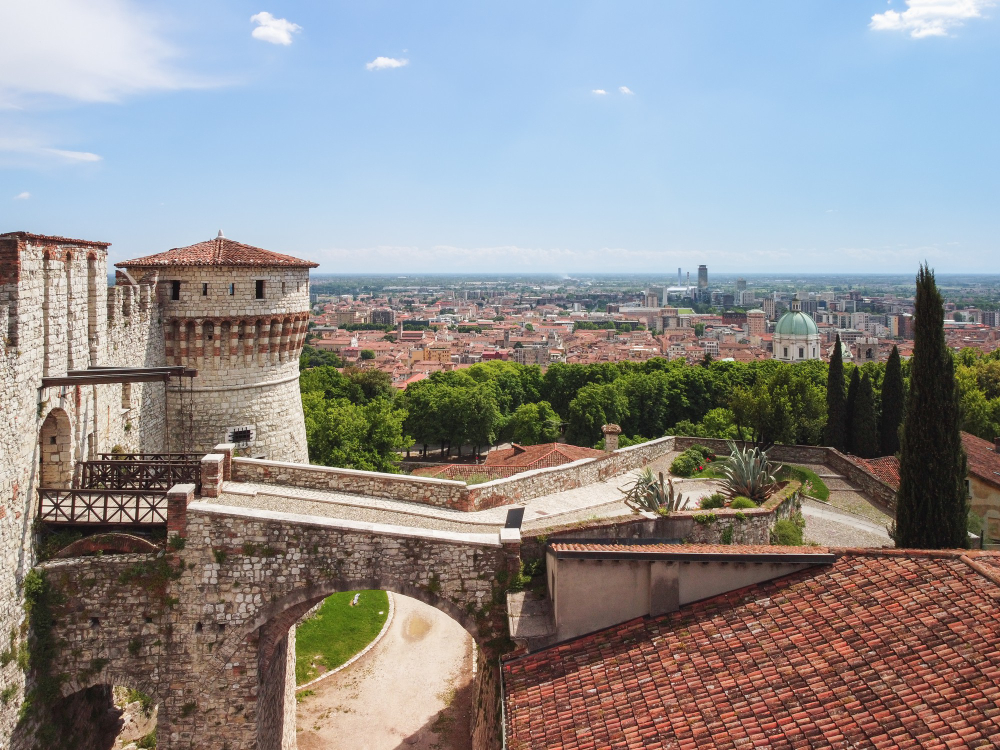
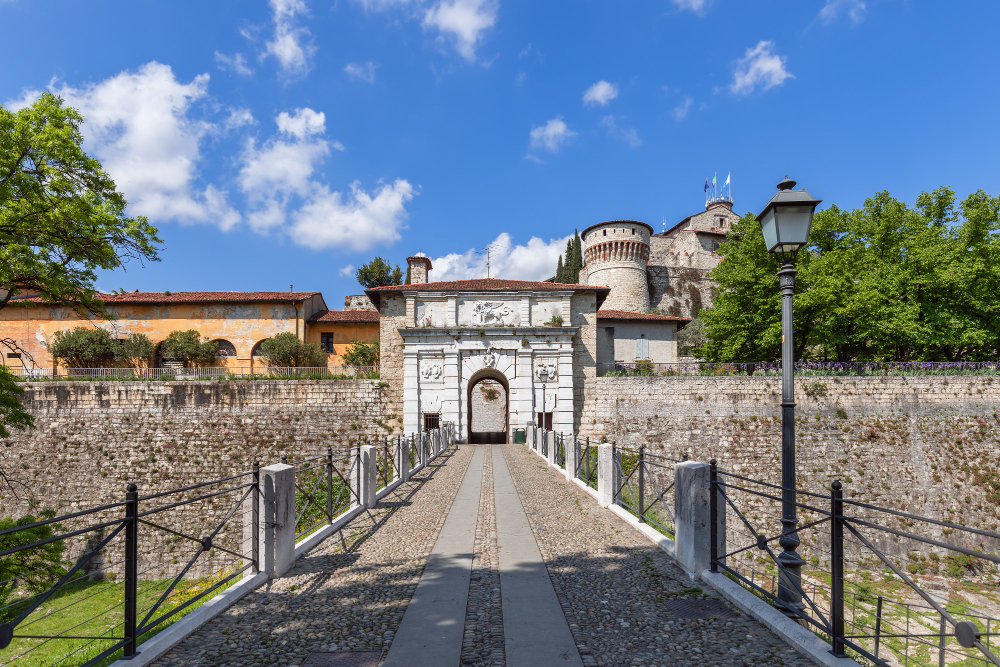
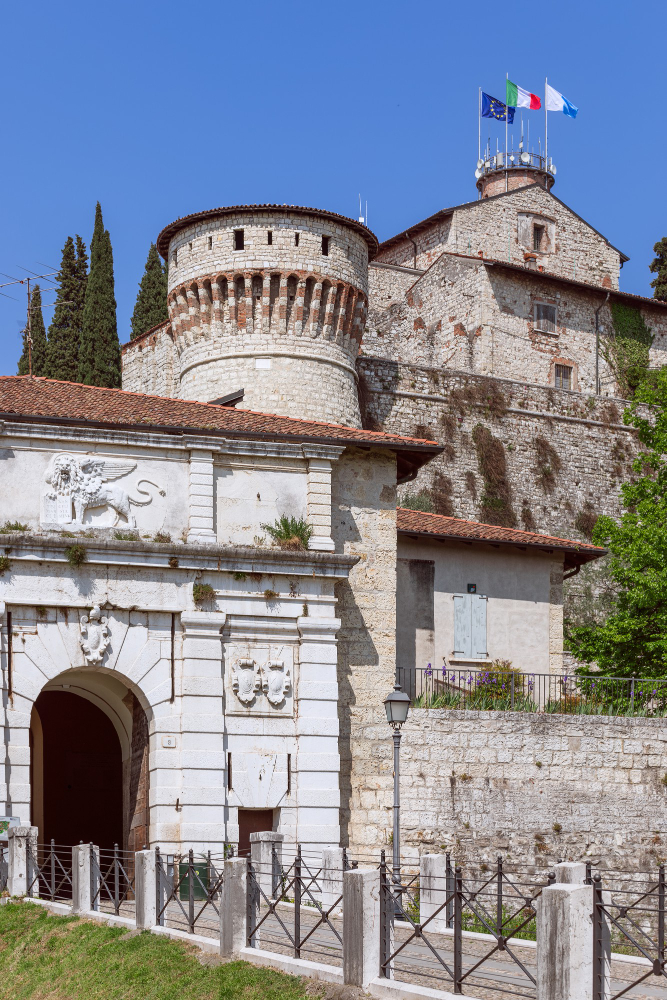
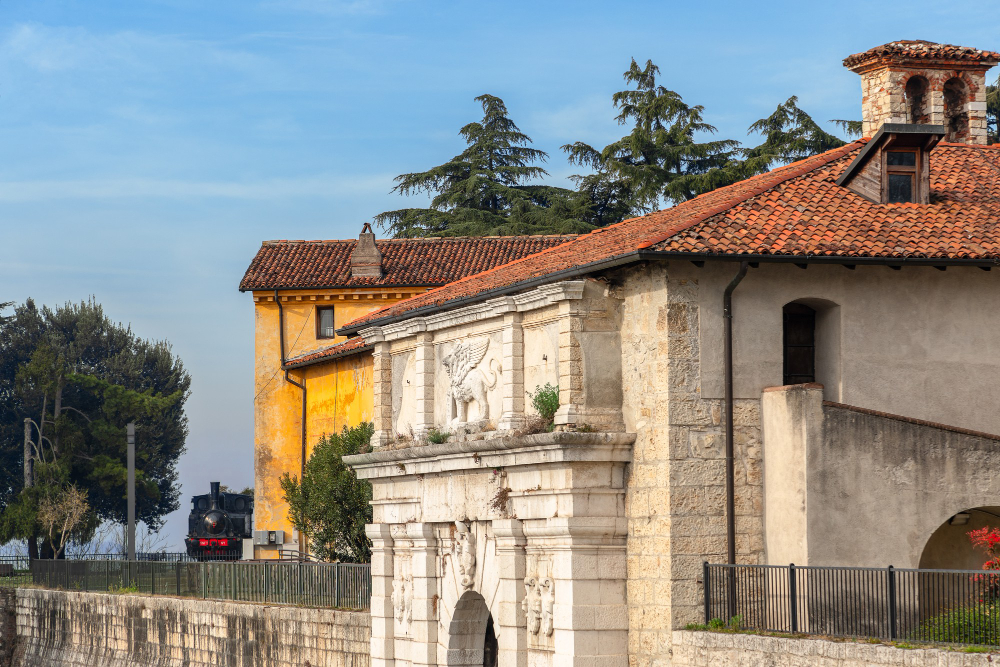
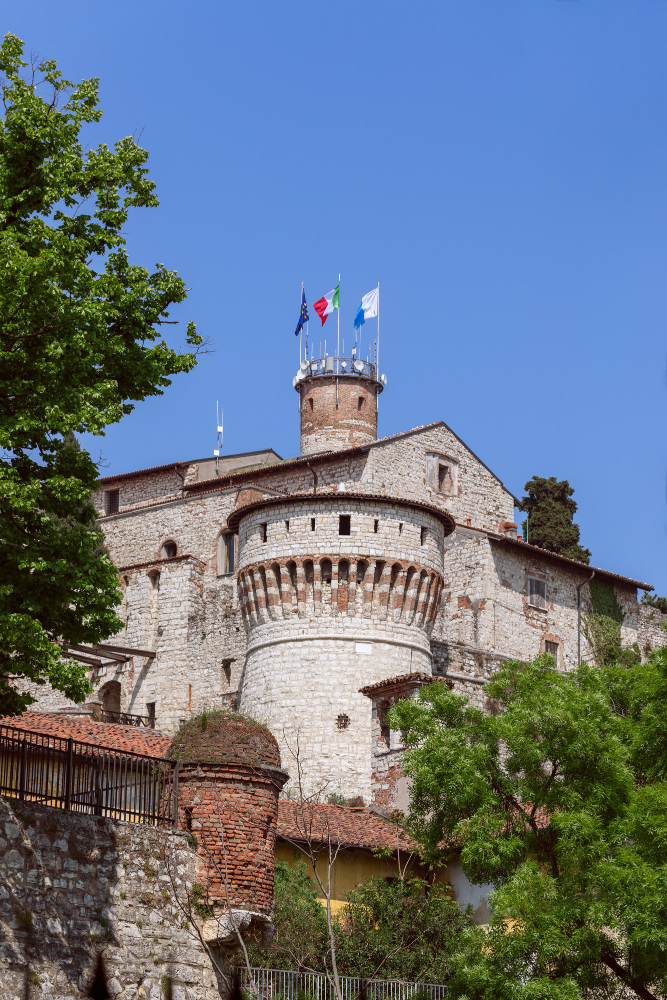
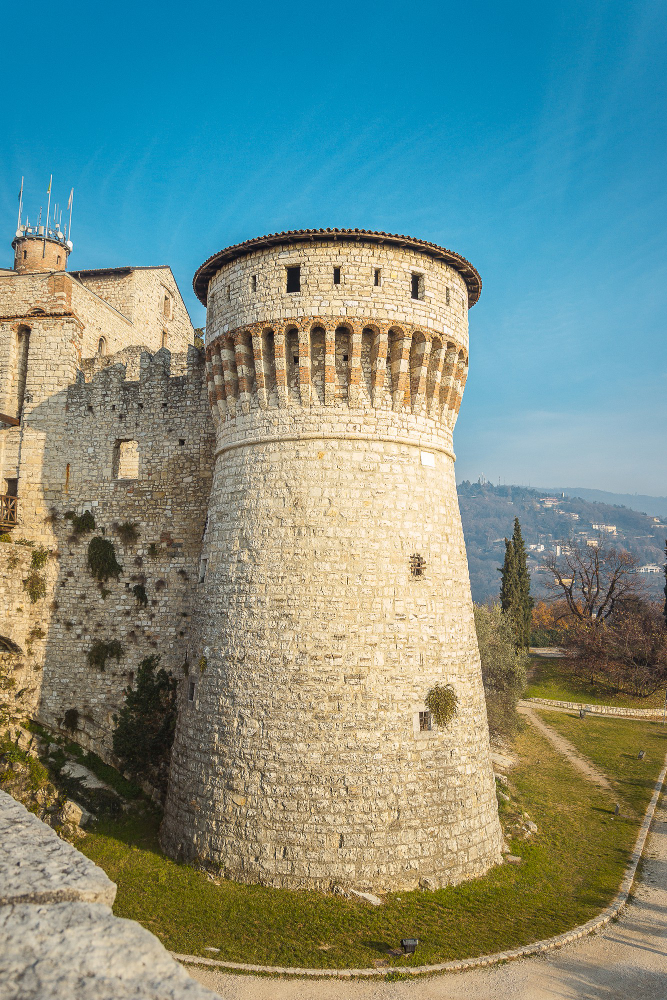
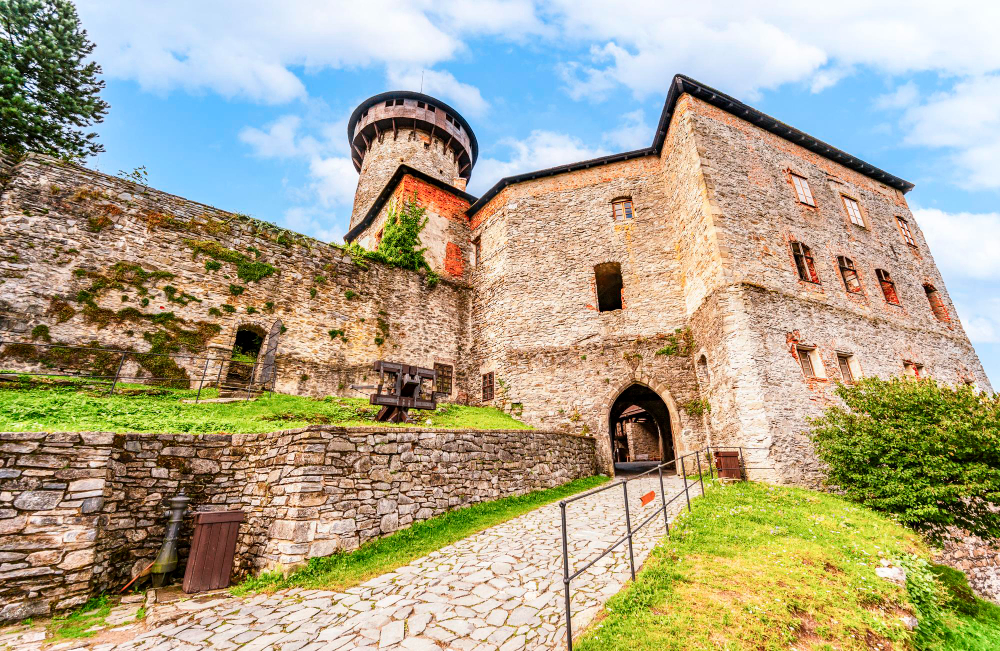
The Middle Ages and the Renaissance: Power, Art and Architecture – Following the fall of the Roman Empire, Brescia came under a succession of rulers – first the Lombards, later the Franks. In the Middle Ages, the city flourished as a free commune with its own administration. The Visconti family in particular, who also ruled in Milan, left their mark by building numerous fortresses and palaces. In the 15th century, under Venetian rule, Brescia became a centre of Renaissance art and architecture. The Most Serene Republic used the city as a bulwark against hostile powers from the north. In particular, the impressive Castello di Brescia, which towers over the city from a hilltop, became a symbol of Venetian power and military strength. At the same time, culture reached a high point: painters such as Lattanzio Gambara and artists from the school of Moretto da Brescia helped to cement the city’s artistic reputation with their frescoes and paintings. Several churches, including Santa Maria dei Miracoli, still bear witness to that golden age today and captivate visitors with their ornate stained-glass windows and intricately detailed interiors.
Modern Times: Industry and Innovation – With the end of Venetian rule and Brescia’s incorporation into the Kingdom of Italy in the 19th century, a new era began for the city. Industrialisation led to rapid growth and turned the city into a major centre for metalworking and mechanical engineering. Brescia became particularly well known for its production of steel and automotive parts, as well as for being home to several major companies in the Italian heavy industry sector. A key milestone was the founding of the Mille Miglia motor racing event, a legendary road race that started in Brescia and gained international attention. This tradition lives on to this day and symbolises the region’s technical expertise and passion for motoring. In the 20th and 21st centuries, Brescia increasingly developed into an economic and cultural centre with a diverse economic structure. Traditional industries were complemented by high-tech sectors and the service sector. The city invests in sustainable urban development whilst promoting its rich historical heritage to boost tourism and quality of life.
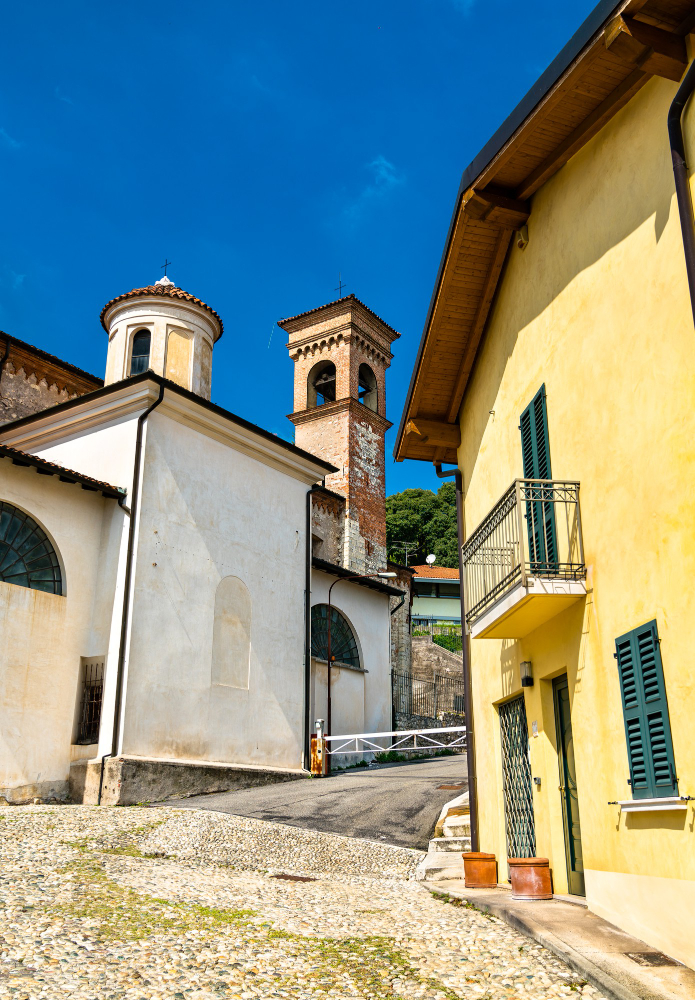
Cultural Life and Sights – Brescia surprises visitors with a diverse range of cultural attractions. The cityscape is characterised by historic buildings, as well as modern museums and theatres. Of particular note is the National Museum of Photography, which houses an extensive collection and hosts international exhibitions. The Museo di Santa Giulia, a UNESCO World Heritage Site, combines archaeological finds, medieval architecture and modern exhibition spaces. It tells the story of Brescia from antiquity to the present day in a truly impressive way and is a must-see for anyone interested in culture. Furthermore, Brescia is renowned for its culinary specialities. Lombard cuisine is characterised by hearty, down-to-earth dishes such as polenta, risotto and various types of cheese. This diversity of flavours can be experienced first-hand in the city’s traditional trattorias. Annual events such as the aforementioned Mille Miglia, the Festival del Teatro and various music festivals contribute to the lively atmosphere and attract visitors from all over the world.
Brescia’s role in the region and Europe – Conveniently situated within the Milan–Verona–Venice triangle in northern Italy, Brescia serves as a regional hub for transport and trade. The city is well connected via motorways, railway lines and nearby airports, and thus benefits from Lombardy’s economic boom. At the same time, Brescia is actively involved in numerous European networks focusing on culture, sustainability and economic development. This exchange fosters innovation and intercultural cooperation, further strengthening the city’s position. Social engagement also plays an important role: Brescia has a well-developed health and education system, as well as several universities and research institutions that nurture young talent and contribute to population growth.
Challenges and Future Prospects – Like many medium-sized towns with an industrial heritage, Brescia also faces challenges. Structural change in the economy is leading to job relocations, whilst climate change demands sustainable action. The city is therefore focusing on green infrastructure, digitalisation and the promotion of creative industries. Furthermore, Brescia aims to make better use of its tourism potential. To this end, there is increased investment in the restoration of historic buildings and the expansion of cultural offerings. Improved international marketing and cooperation with other European cities of culture are intended to raise the city’s profile. The balance between preserving the past and embracing the future thus forms the central guiding principle for Brescia’s future development. From the depths of antiquity to the challenges and opportunities of the 21st century. For travellers and culture lovers alike, a city of great dynamism and unique charm reveals itself here.