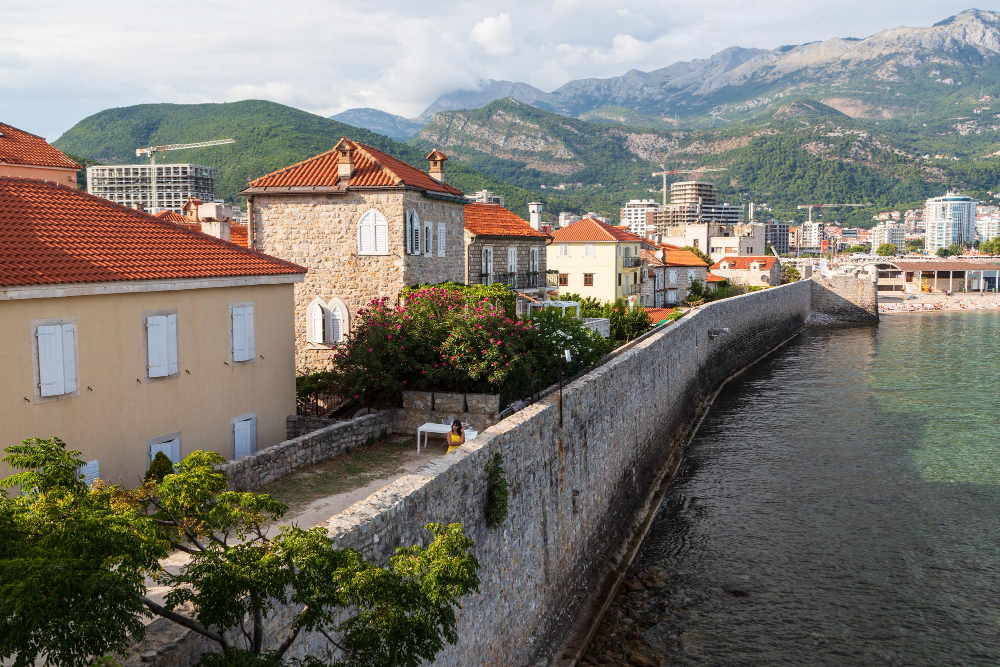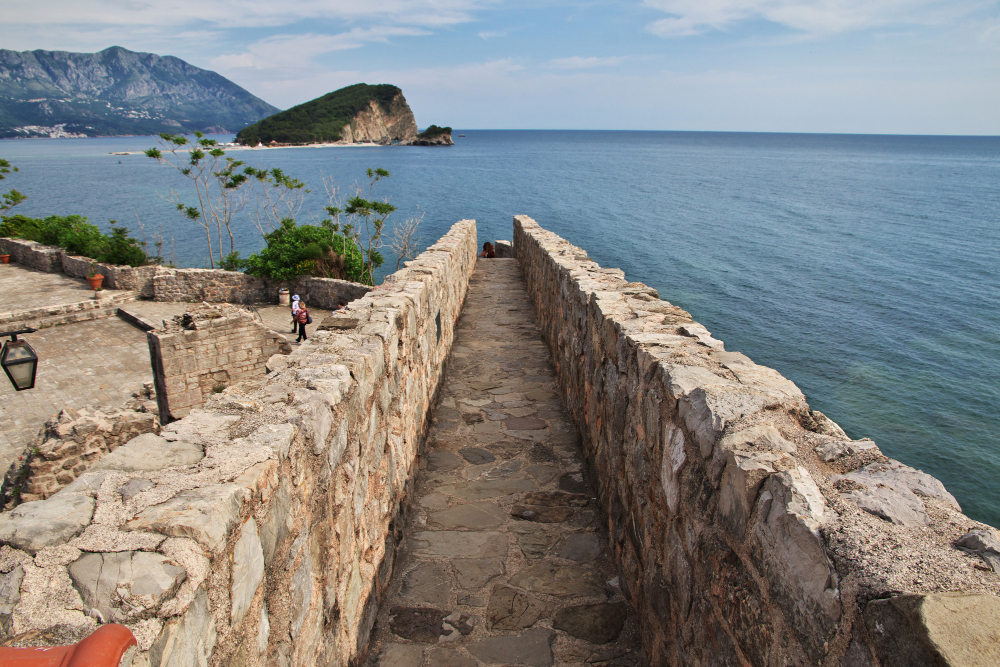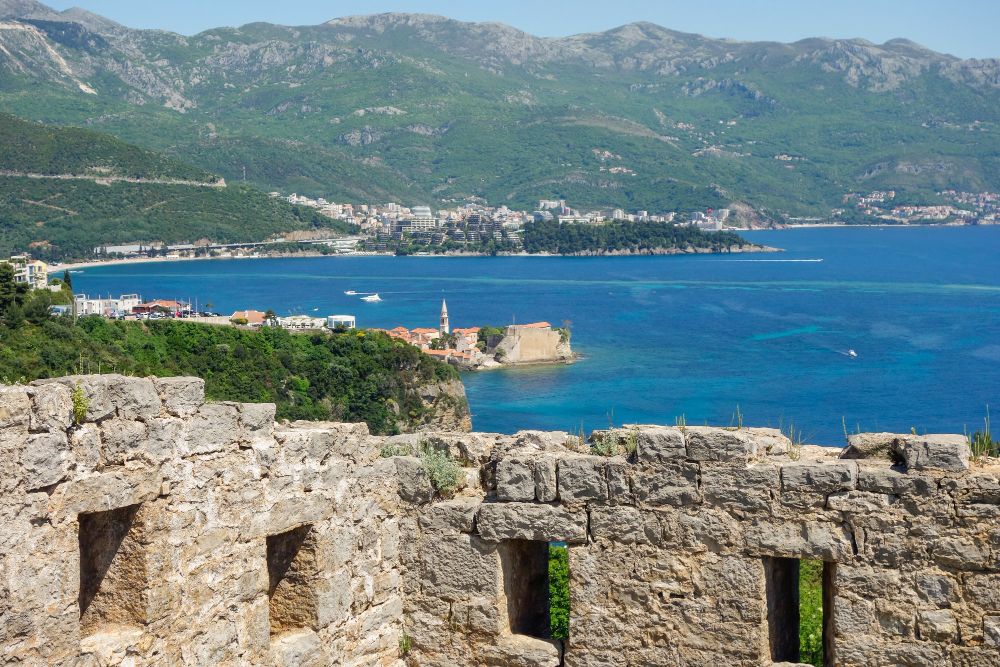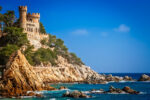
Budva, one of the oldest settlements on the Adriatic coast, captivates visitors not only with its picturesque setting on a peninsula in Montenegro, but also with a rich history dating back to antiquity. Today, the town is a major tourist centre that uniquely blends tradition and modernity. In this article, we take a detailed look at Budva and explore its historical roots, cultural treasures and its dynamic development into one of the most popular destinations on the Adriatic. Historical Roots – a town with traces of antiquity – According to archaeological finds, Budva was founded as early as the 5th century BC by the Illyrians, a people who inhabited the western Balkans in antiquity. Later, the Greeks and Romans took control of the area, a fact still reflected in the architectural remains today. The Roman period left a lasting mark on the town; numerous ruins, such as the amphitheatre and thermal baths, bear witness to this era. In the Middle Ages, Budva developed into a strategically important trading centre. The town lay at the crossroads of major trade routes between East and West. In particular, Venetian rule, which lasted from 1420 to 1797, left behind an impressive architectural legacy. The fortress walls and towers surrounding Budva date largely from this period and today offer visitors spectacular views of the Adriatic coast.
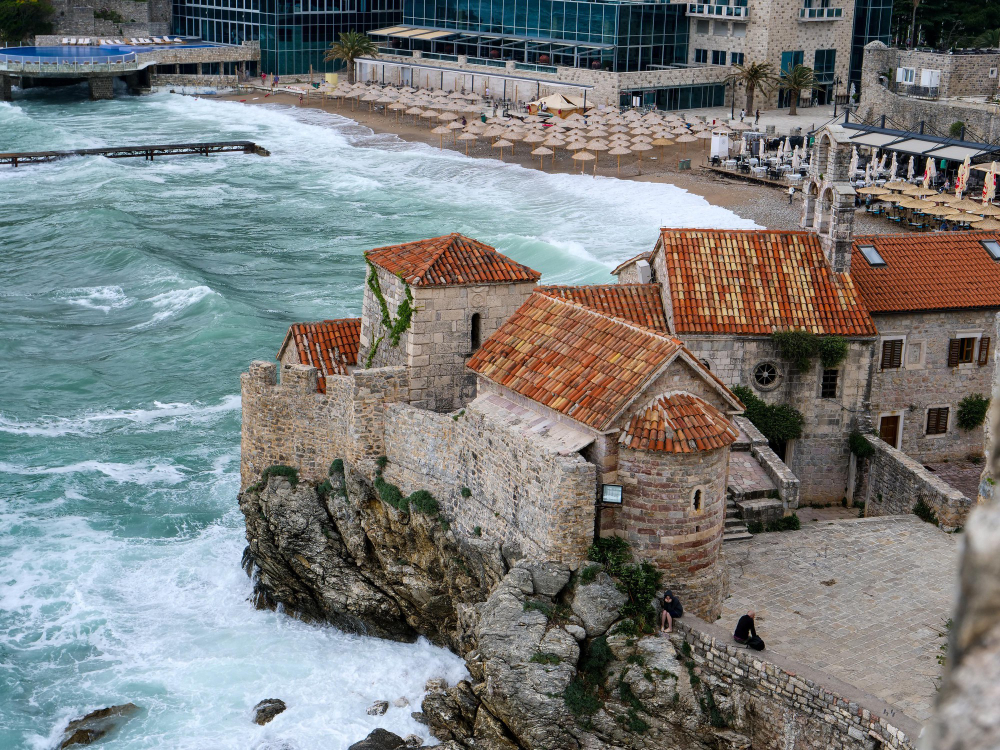
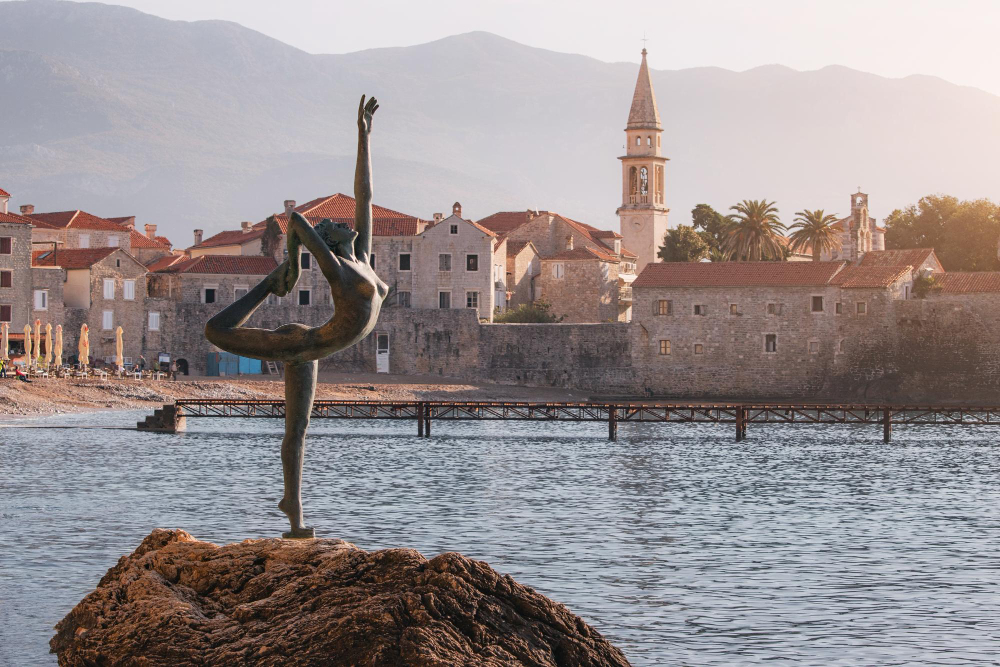
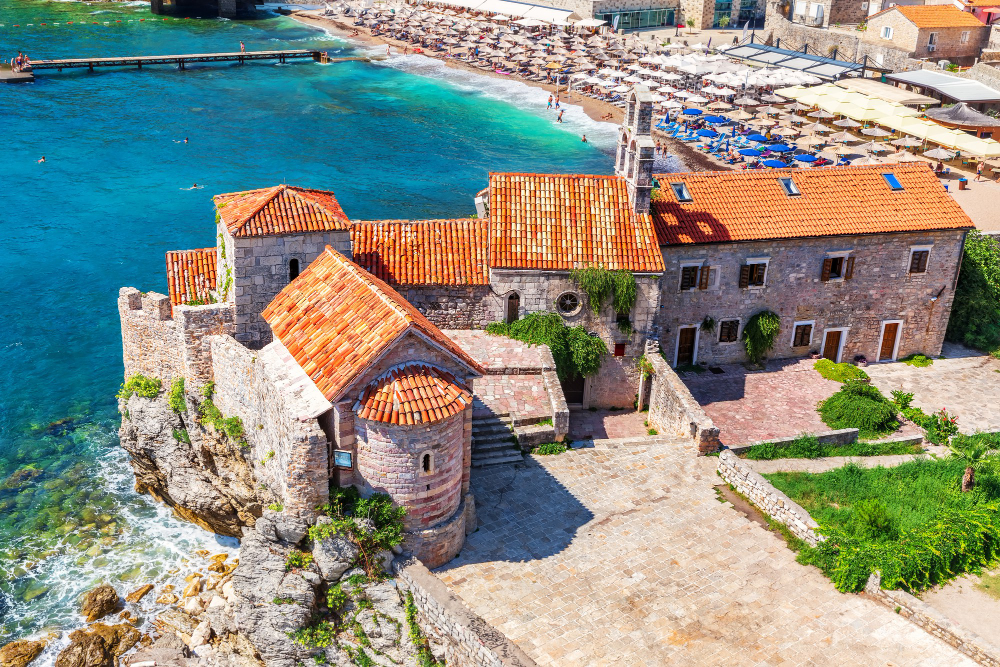
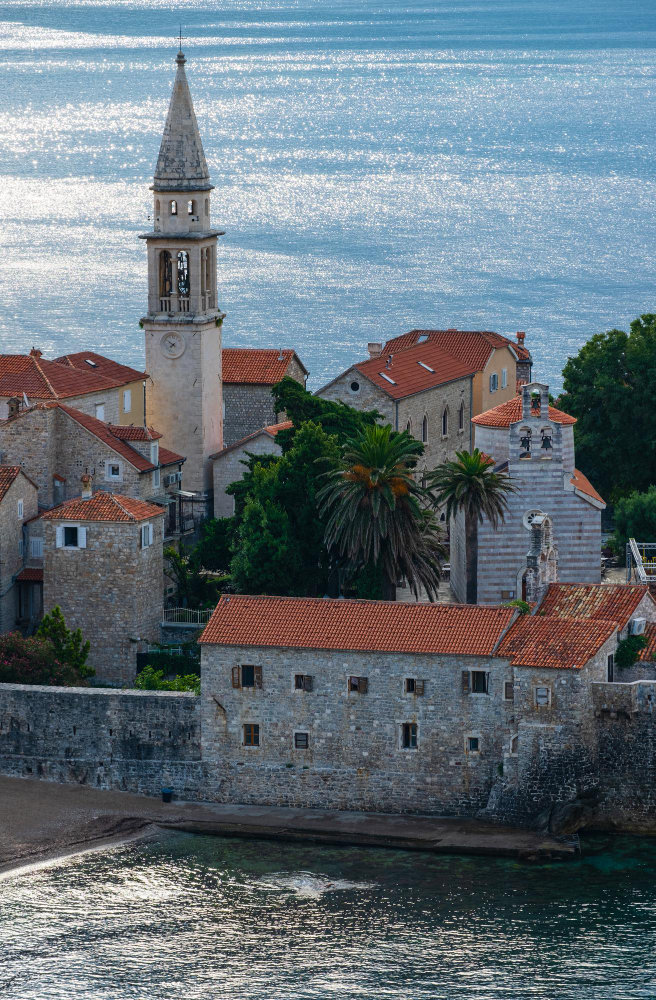
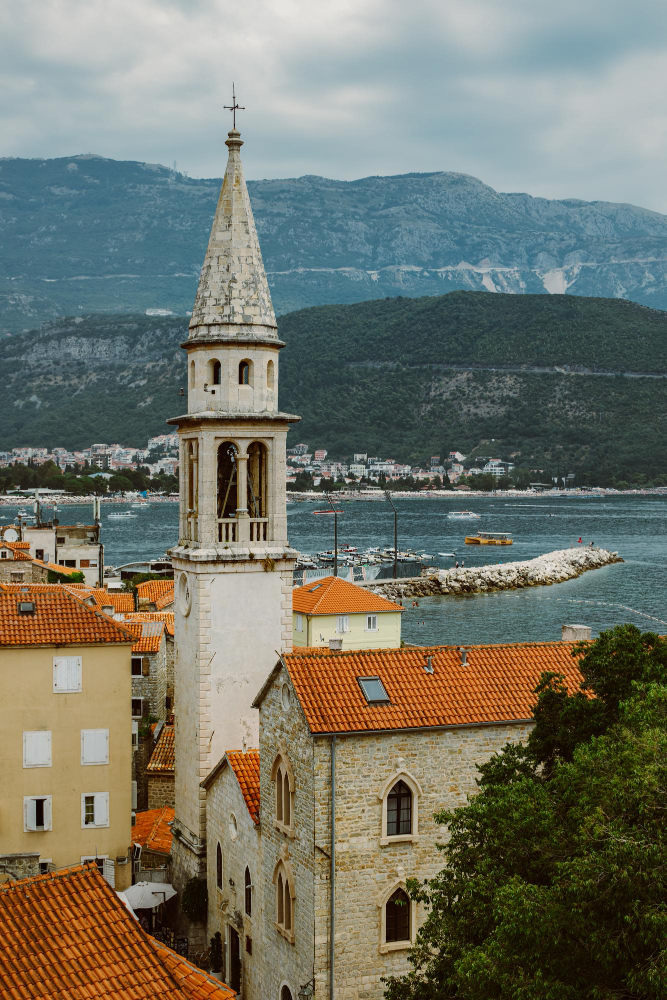
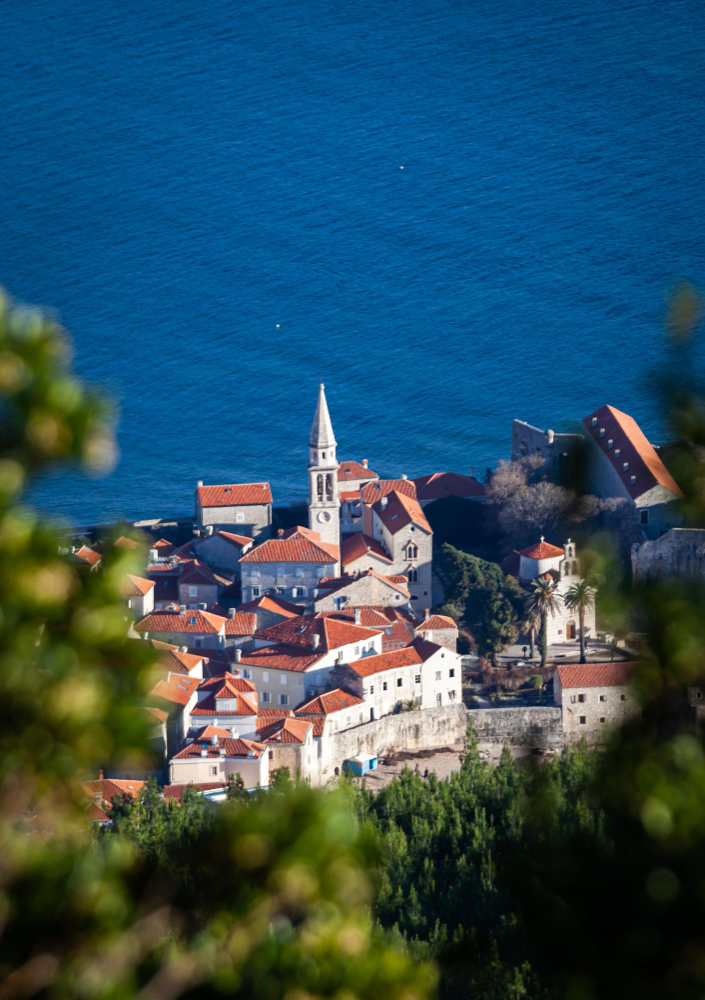
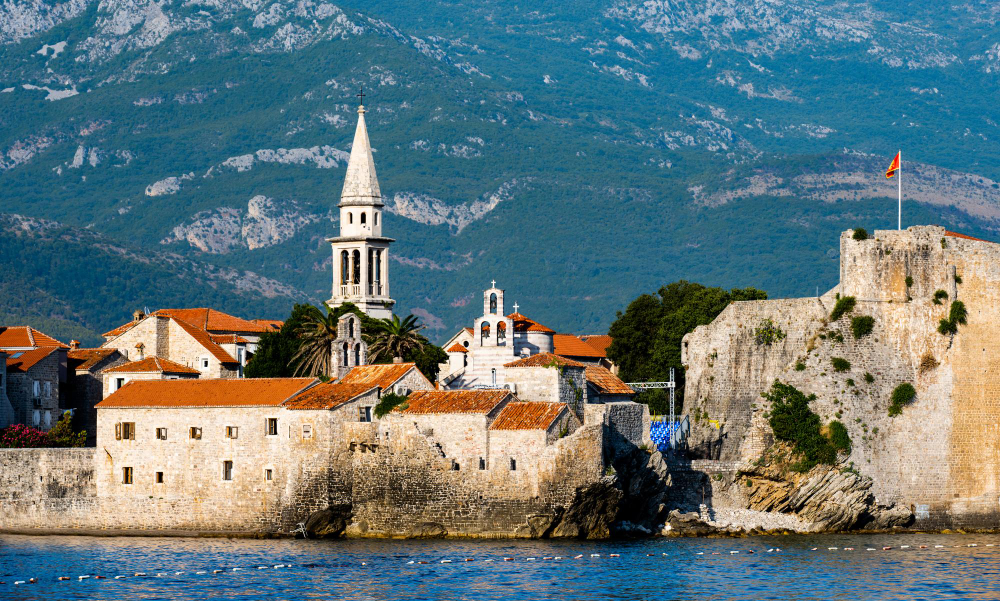
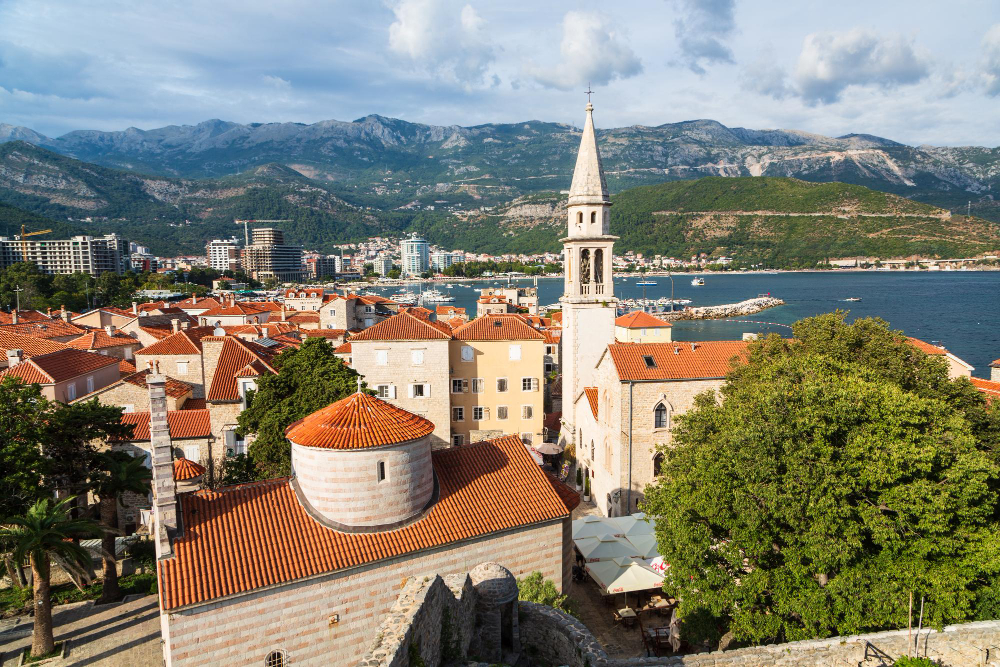
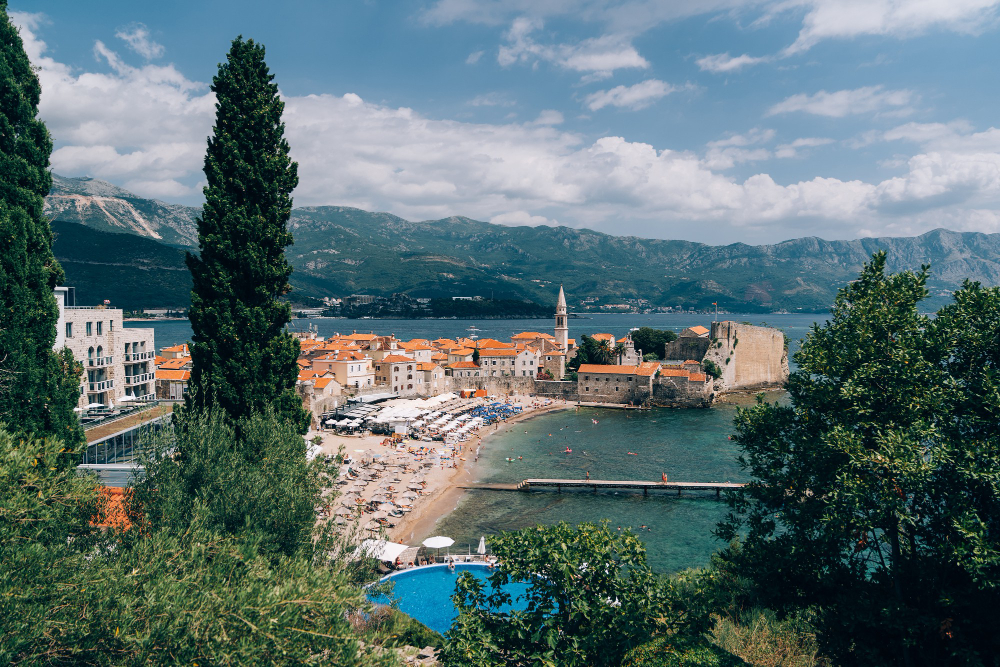
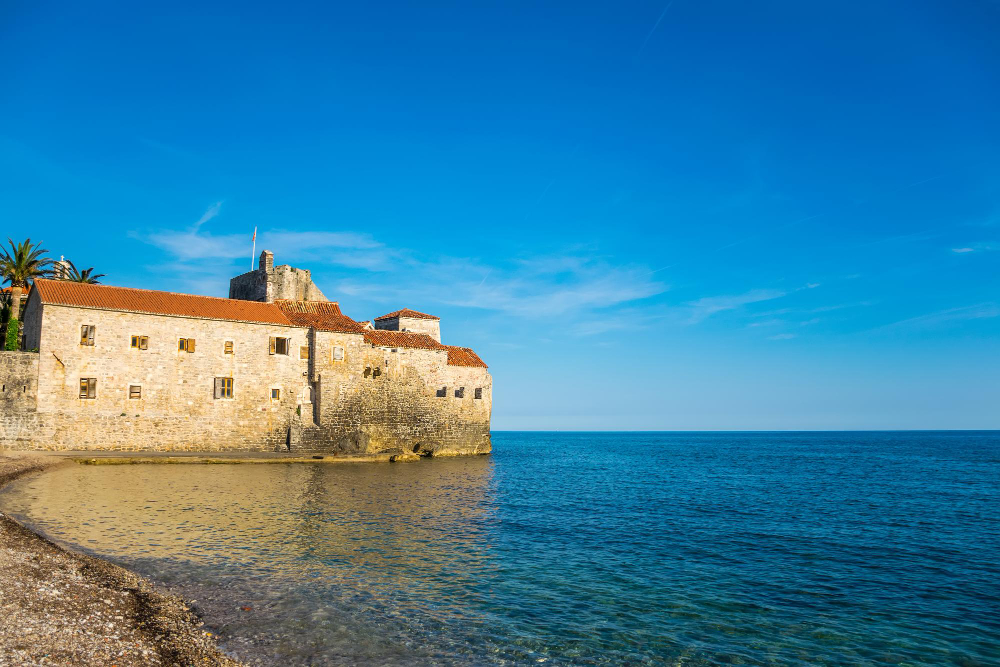
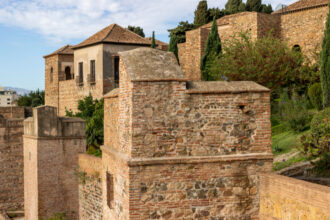
The Old Town – a labyrinthine gem – The heart of Budva is undoubtedly the Old Town (Stari Grad), whose winding alleys and squares exude an authentic Mediterranean atmosphere. Surrounded by imposing city walls, the scene is characterised by small churches, stone houses and narrow lanes. The Old Town is home to numerous historic buildings, such as the 7th-century Church of St John and the Church of St Mary in the Island Garden, a popular place of pilgrimage. Since the devastating earthquake in 1979, which damaged many parts of the Old Town, substantial investment has been made in its restoration. Here, modern techniques are combined with traditional craftsmanship to preserve this cultural heritage. Nevertheless, as you stroll through the Old Town, you can sense the centuries-old atmosphere that attracts visitors from all over the world.
Culture and Events – Living Traditions – Budva has also established itself as Montenegro’s cultural centre. In addition to numerous museums, such as the Budva City Museum, which exhibits archaeological finds and local art, the town is best known for its vibrant festival scene. The Budva Mediterranean Theatre Festival, which takes place every summer, attracts artists and audiences from across Europe. Here, classical and modern plays are performed against a breathtaking backdrop. Another highlight is the Sea Dance Festival, which delights young music lovers with international stars and electronic beats, putting Budva on the international map as a trendy hotspot. These events not only promote tourism but also strengthen the cultural awareness of the local population.
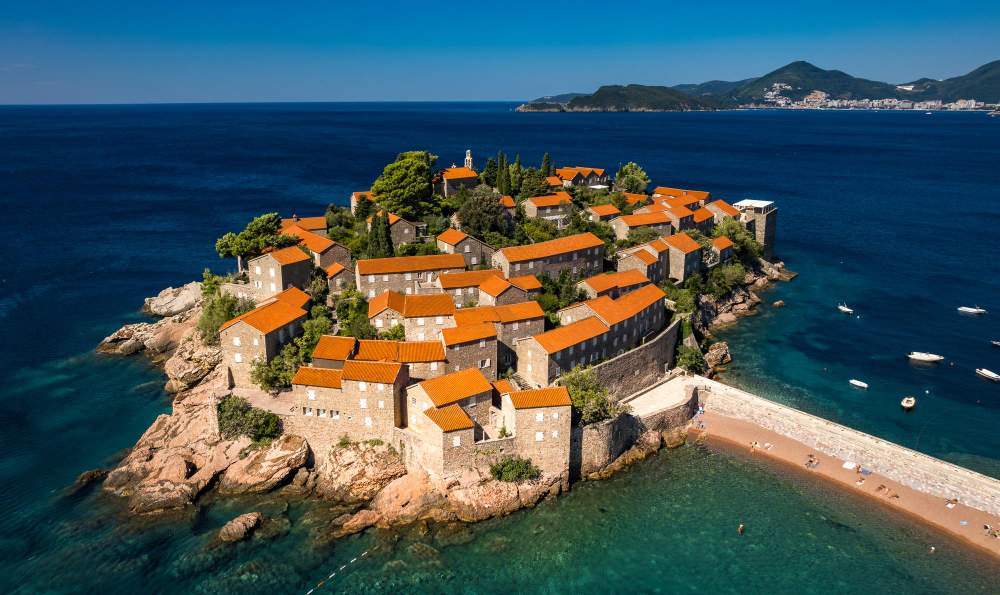
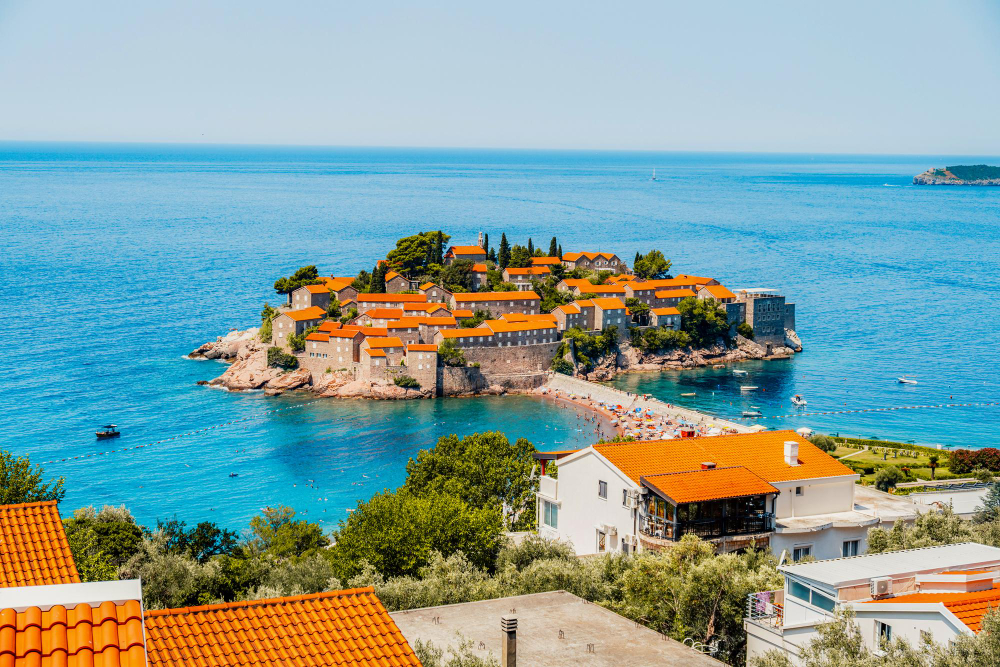
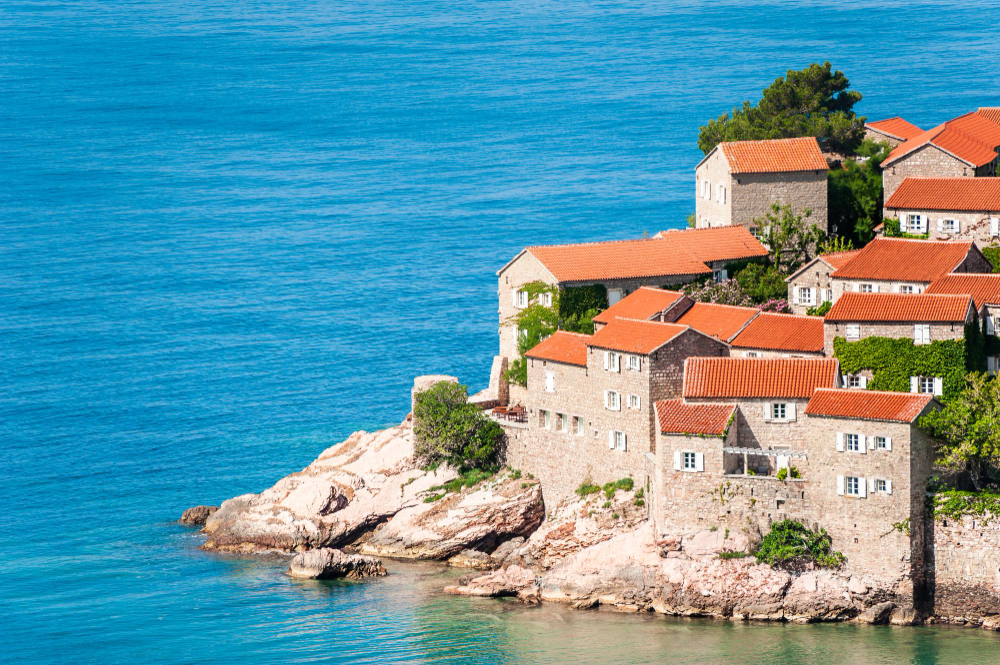
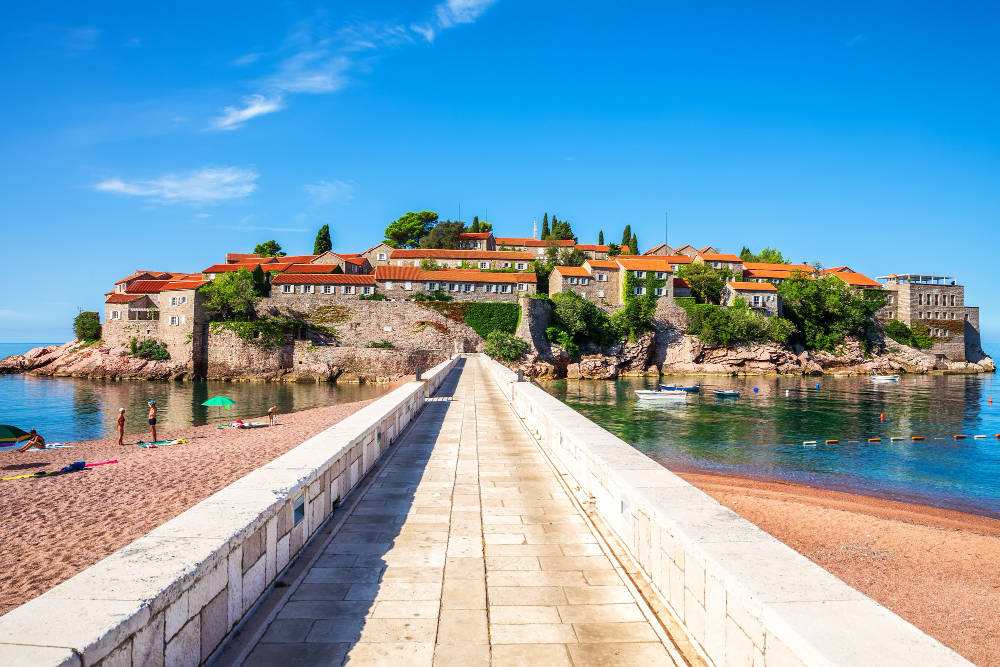
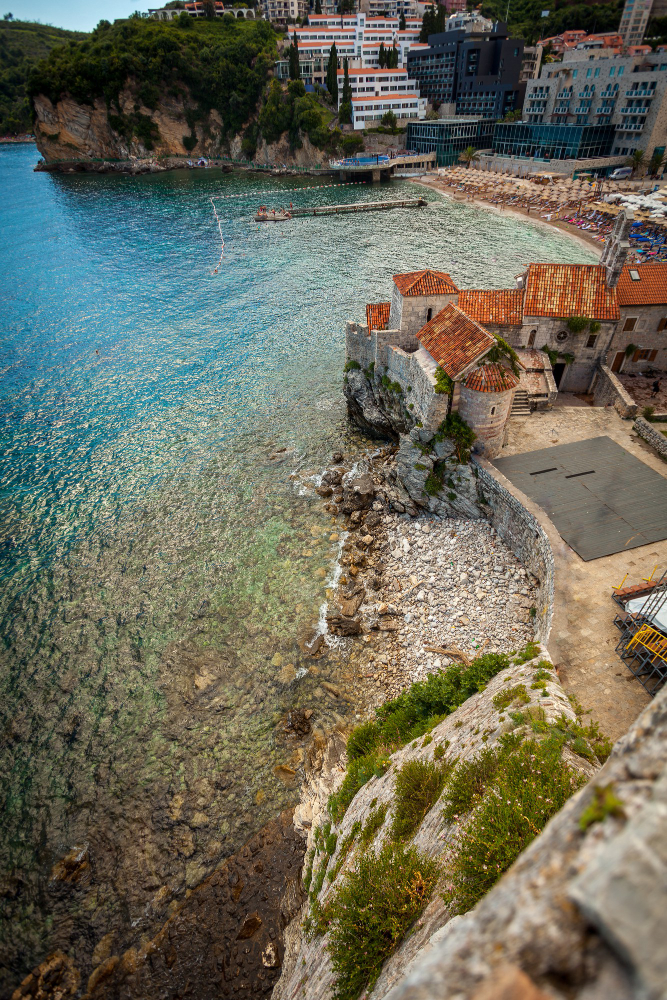
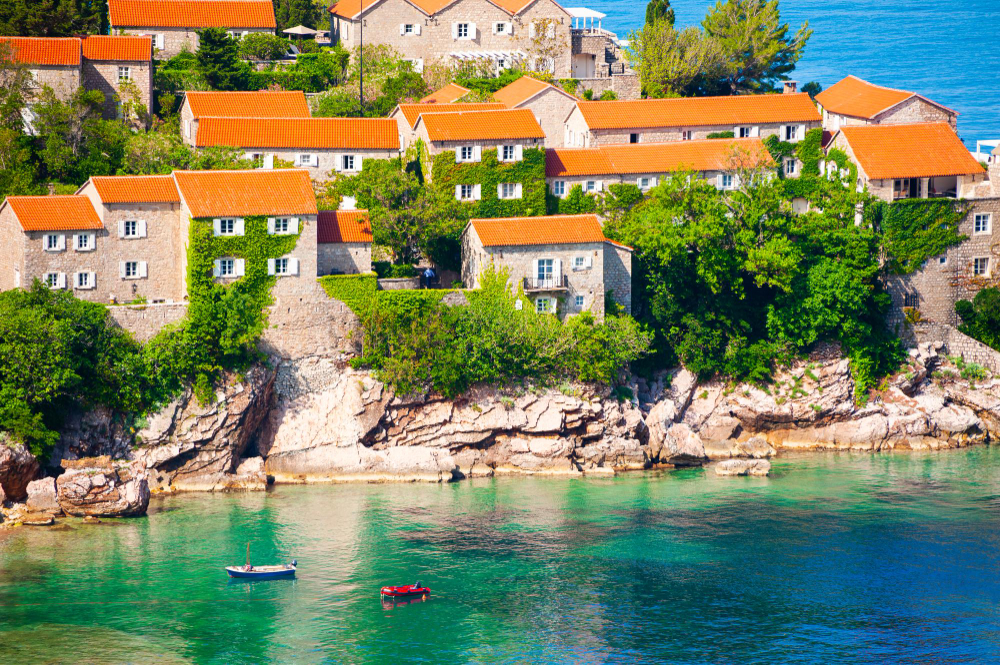
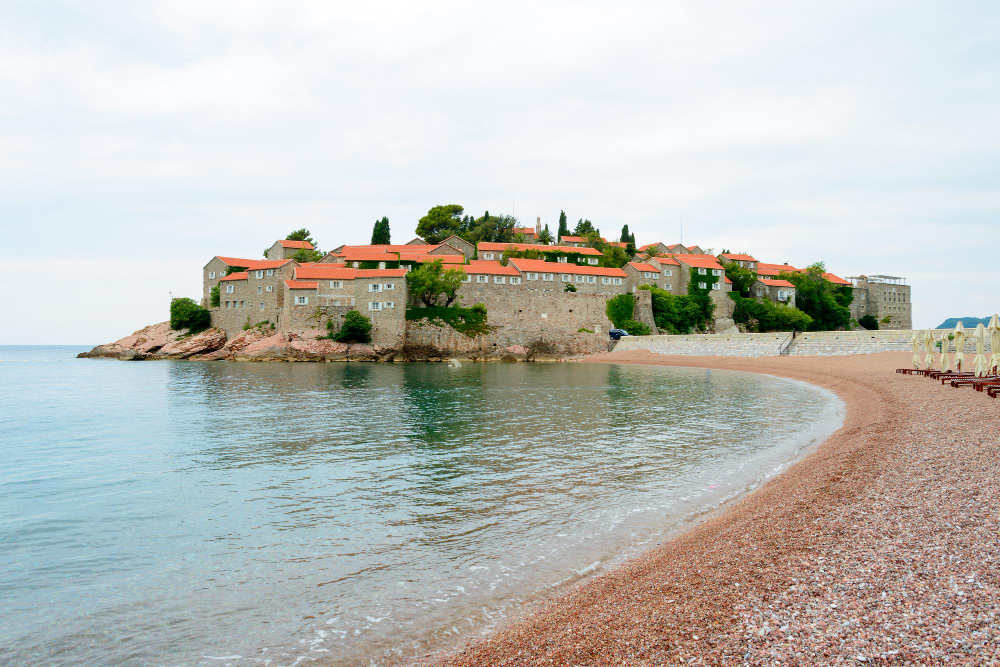
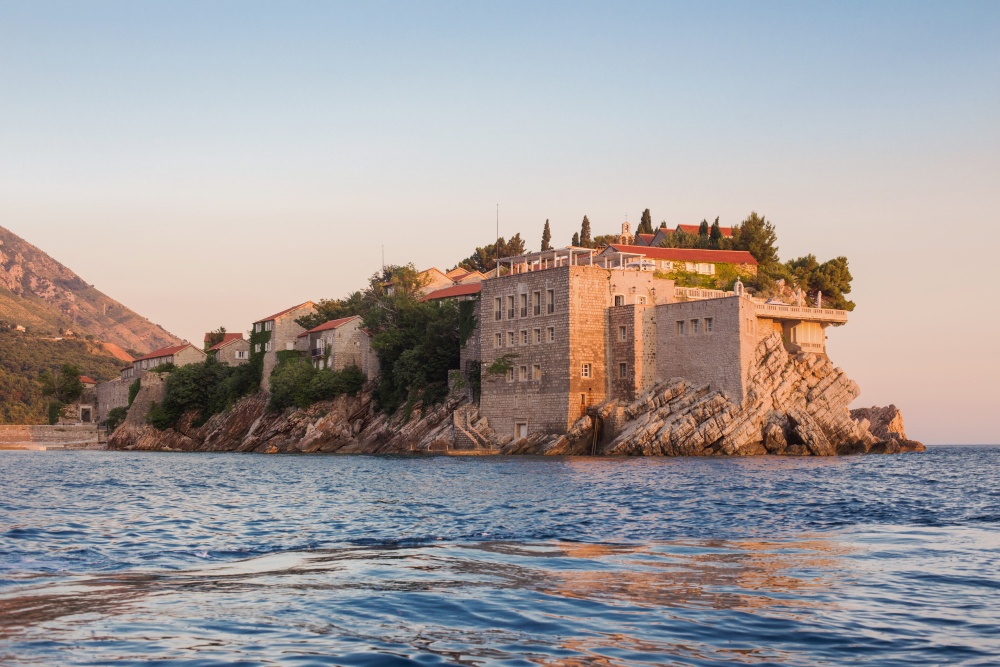
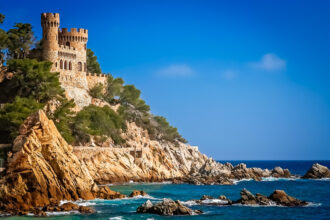
Beaches and Nature – Experience Mediterranean Diversity – As well as its historical and cultural significance, Budva captivates visitors with one of Montenegro’s most beautiful coastal landscapes. The town boasts a variety of beaches, ranging from small, hidden coves to long sandy beaches. The famous Jaz Beach, situated about three kilometres west of the old town, offers excellent conditions for swimming, sunbathing and water sports. The surrounding countryside also lends itself to walks and day trips. The steep cliffs along the Riviera offer breathtaking panoramic views of the sparkling sea. Nature lovers will find varied landscapes with Mediterranean vegetation in the nearby Lovćen National Park or on the Sveti Nikola peninsula.
Tourism – From a fishing village to an international holiday destination – Whilst Budva was once a small fishing village, the town has developed into an international tourist magnet over the last few decades. The infrastructure – comprising hotels, restaurants, bars and nightclubs – has grown steadily, particularly since the 1990s. The blend of historic architecture and modern leisure facilities attracts a wide range of visitors – from families and culture enthusiasts to young party-goers. Tourism is now Budva’s most important source of income. The town is increasingly adopting sustainable approaches to protect the environment and maintain the quality of life for its residents. At the same time, new cultural projects and initiatives are emerging, aimed at preserving and further developing the town’s identity.
Challenges and Prospects – Despite the economic upswing, tourism also presents challenges. The highly seasonal nature of the industry leads to a temporary oversupply and strain on the infrastructure in summer, whilst the rest of the year is quieter. Furthermore, a careful balance must be struck between modernisation and the preservation of historic buildings in order to safeguard the unique charm of the old town. In addition, the fight against environmental issues such as waste management and water consumption is becoming increasingly important. The local authorities are therefore working closely with international partners to implement sustainable solutions.
Budva as a reflection of past eras and modern diversity – Budva is far more than just a seaside resort on the Adriatic coast. The town tells a story shaped by ancient cultures, Venetian splendour and eventful eras. At the same time, today it stands for vibrant culture, diverse tourism and an impressive blend of nature and city life. Visitors to Budva are immersed in a kaleidoscope of history, architecture, art and Mediterranean joie de vivre. The charm of the narrow alleyways, the lively festivals and the breathtaking coastal landscape make it clear why Budva is regarded as the pearl of Montenegro – a place well worth discovering and experiencing time and time again.