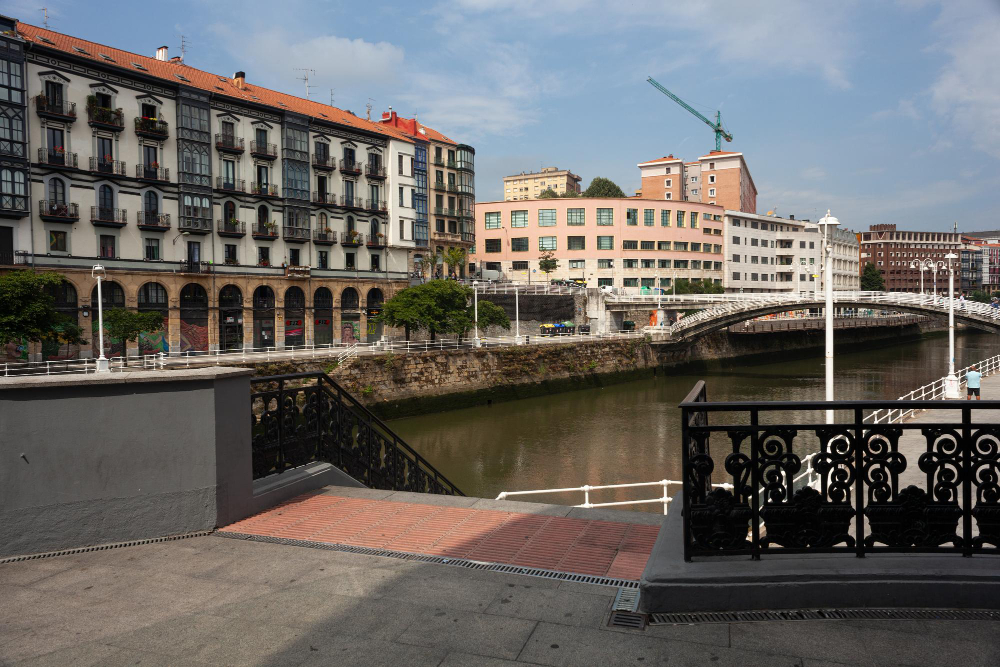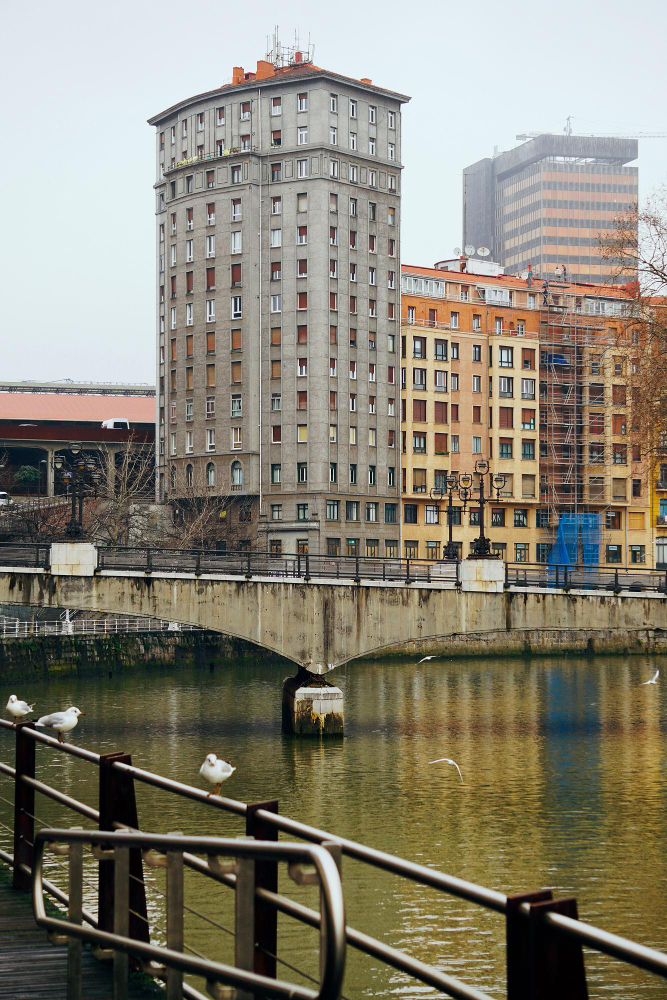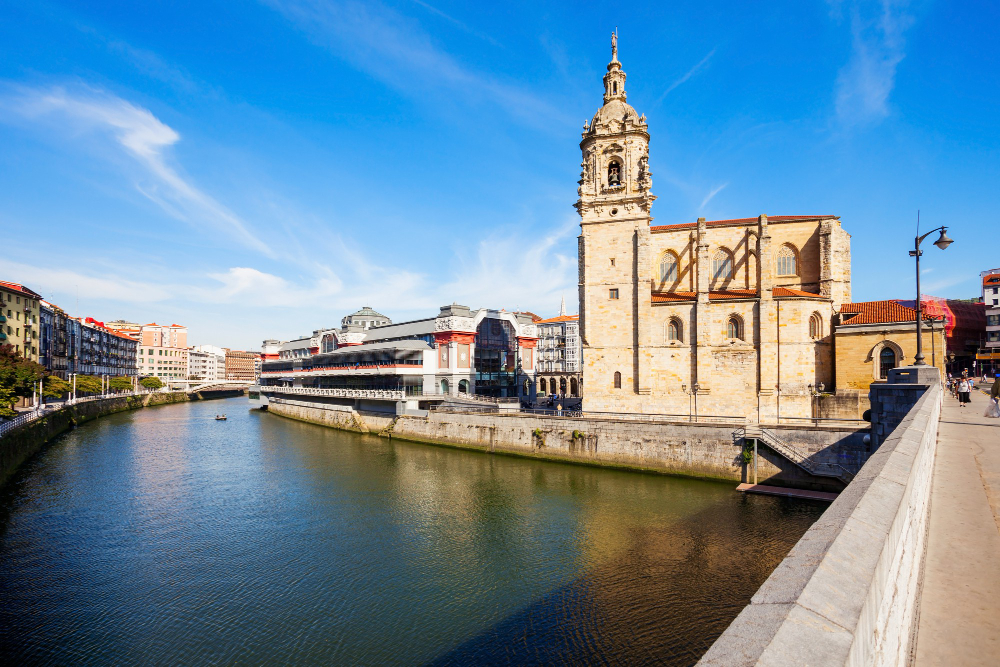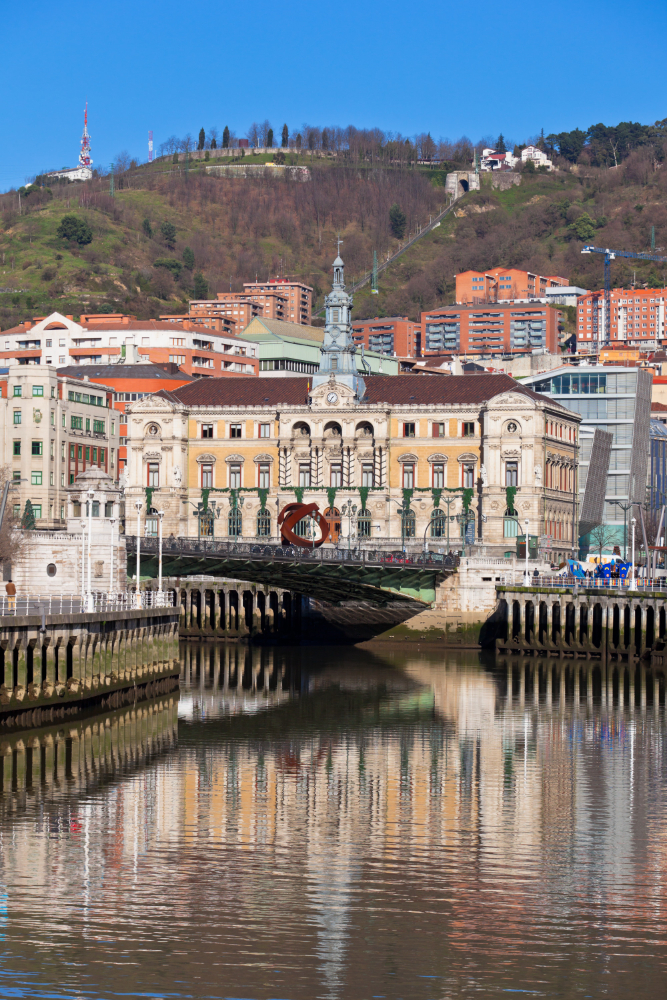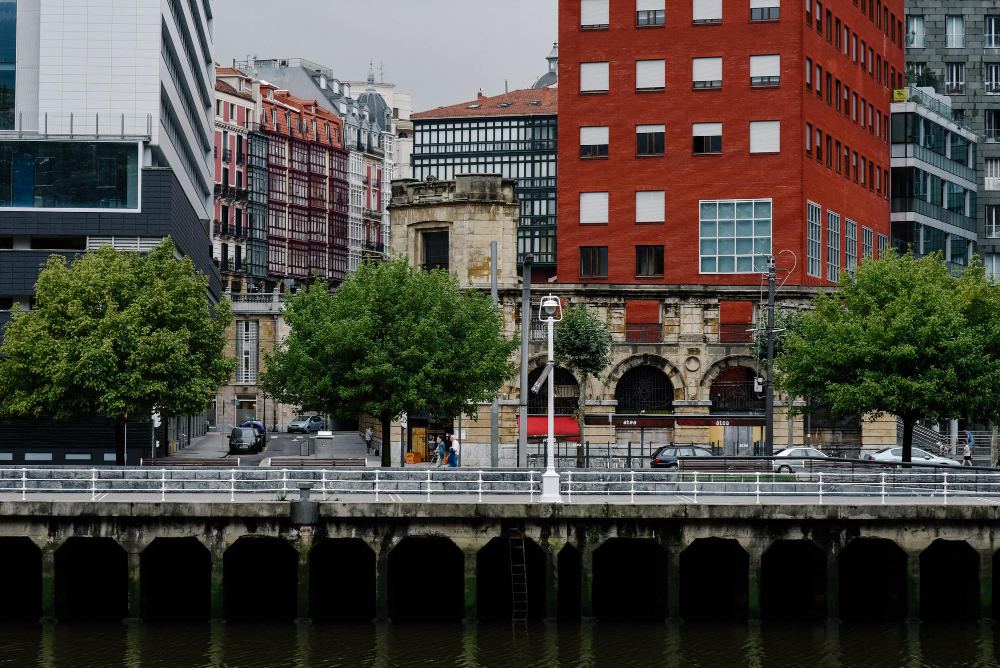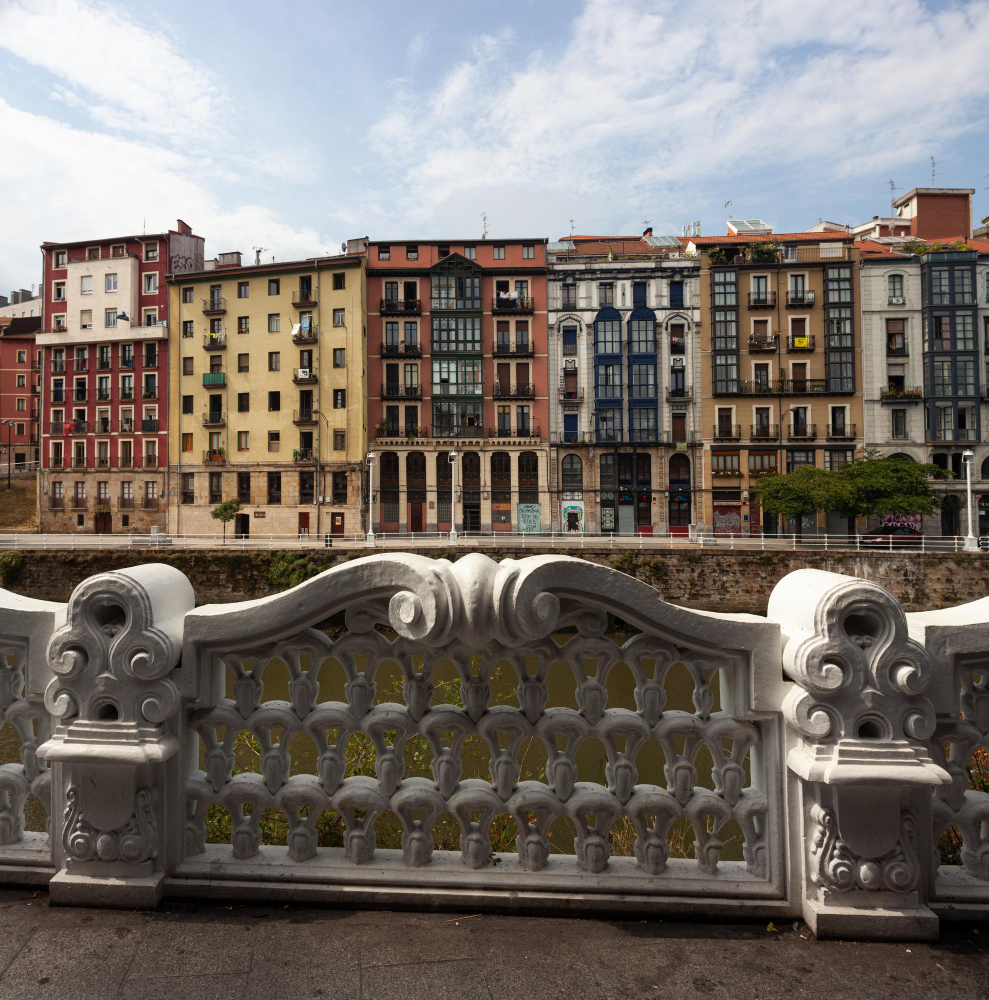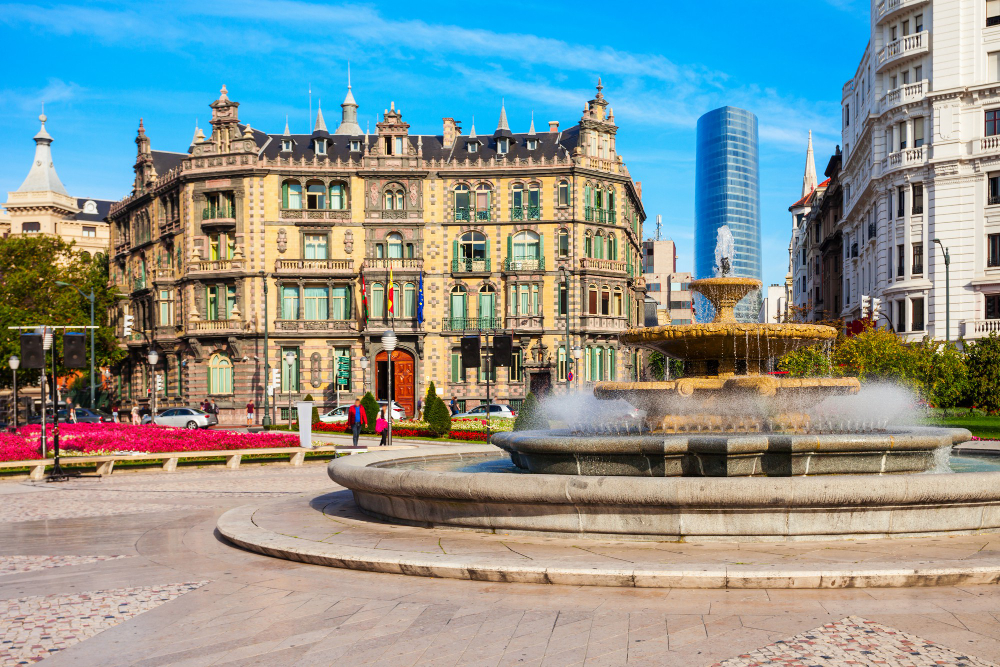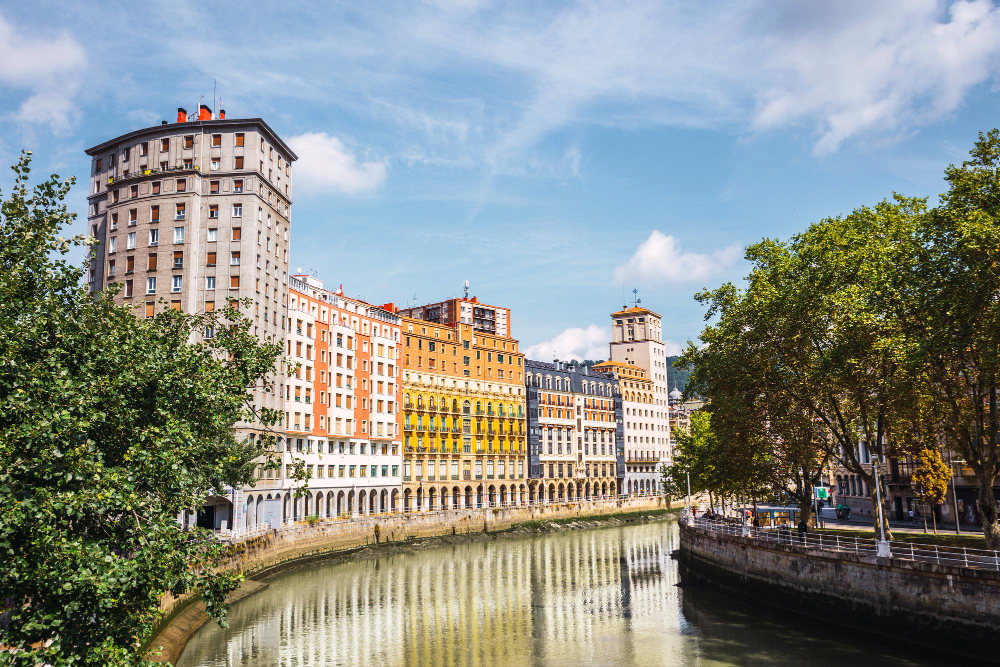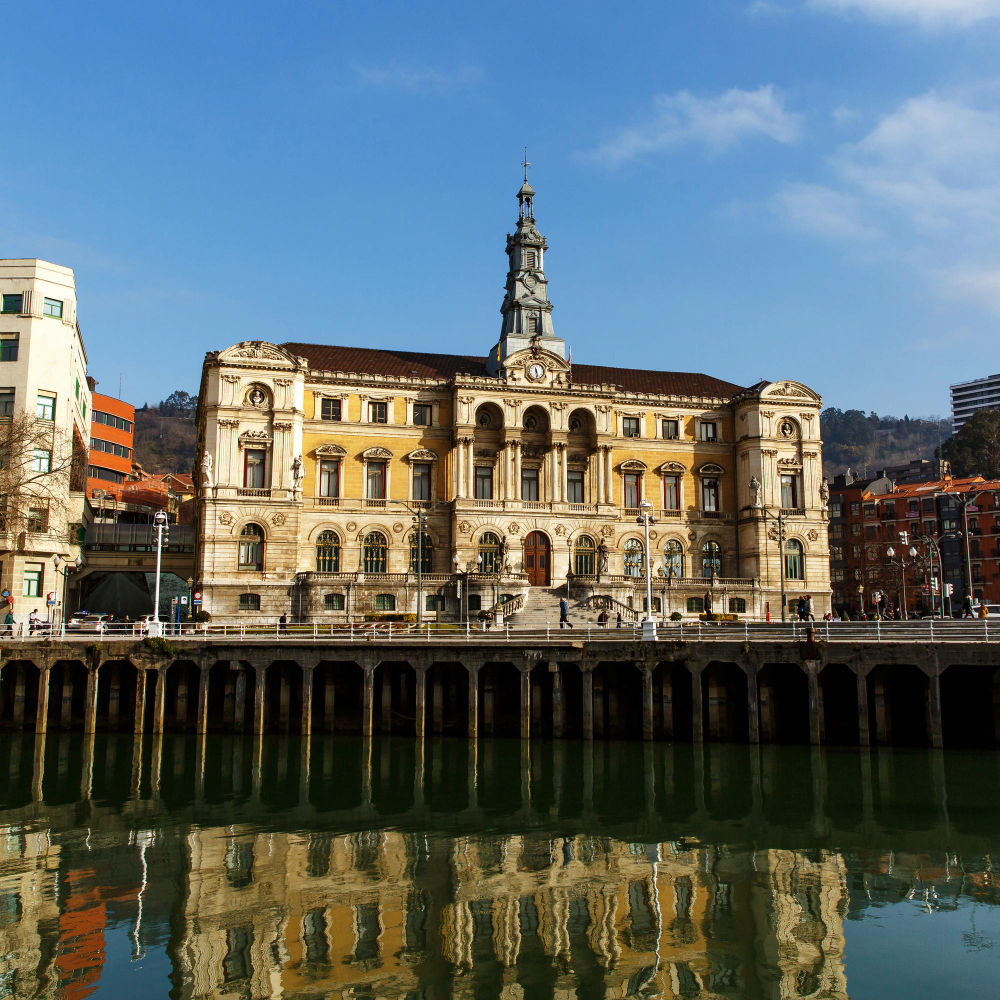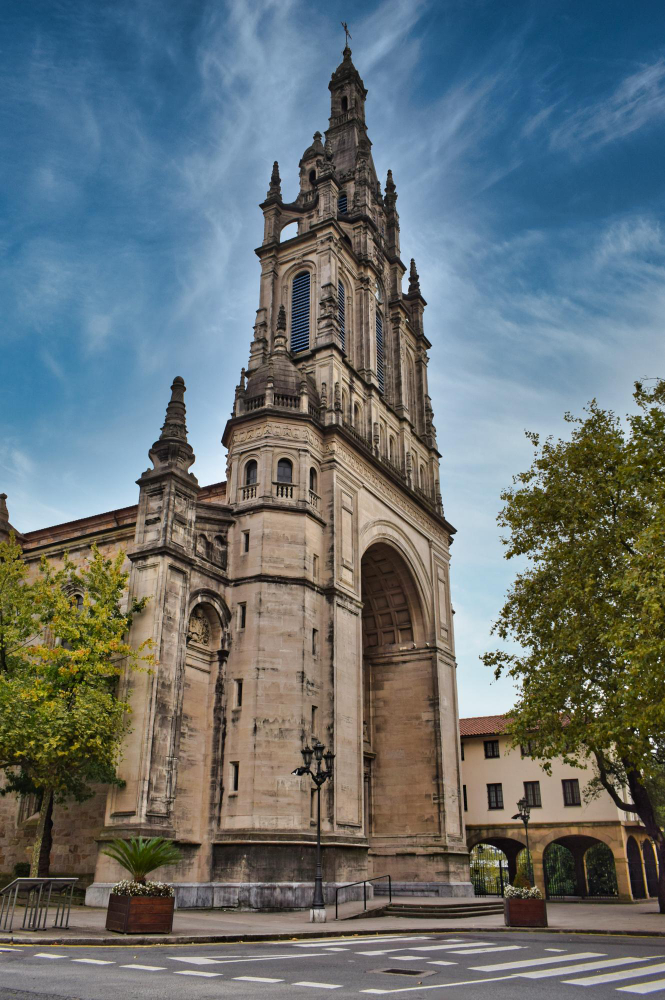
The Basque city of Bilbao, situated in northern Spain, has evolved over recent decades from an industrial centre into a world-renowned cultural metropolis. Today, the capital of the province of Bizkaia is not only a magnet for art and architecture enthusiasts, but also a symbol of the successful transformation of a region that long suffered from economic challenges. This article takes you on a journey through the streets of Bilbao, shows you its sights, provides an insight into its history and explains why a visit to this fascinating city is a must.
Historical Significance and Industrial Roots – Bilbao was founded in 1300 and has played an important role as a trading city throughout its history. The River Nervión, which flows through the city, made Bilbao a major port in the Basque Country. During the 19th and early 20th centuries, the city flourished thanks to iron and steel production and shipbuilding. Bilbao was one of Spain’s industrial centres, which also led to strong population growth. This industrial past has shaped the city in many ways: from its architecture and infrastructure to the mindset of its inhabitants. However, with the economic downturn of the 1970s and 1980s, Bilbao faced major challenges. Unemployment and environmental problems threatened to plunge the city into crisis. Yet Bilbao achieved what many cities in similar situations have failed to do: a radical transformation into a modern and liveable metropolis.
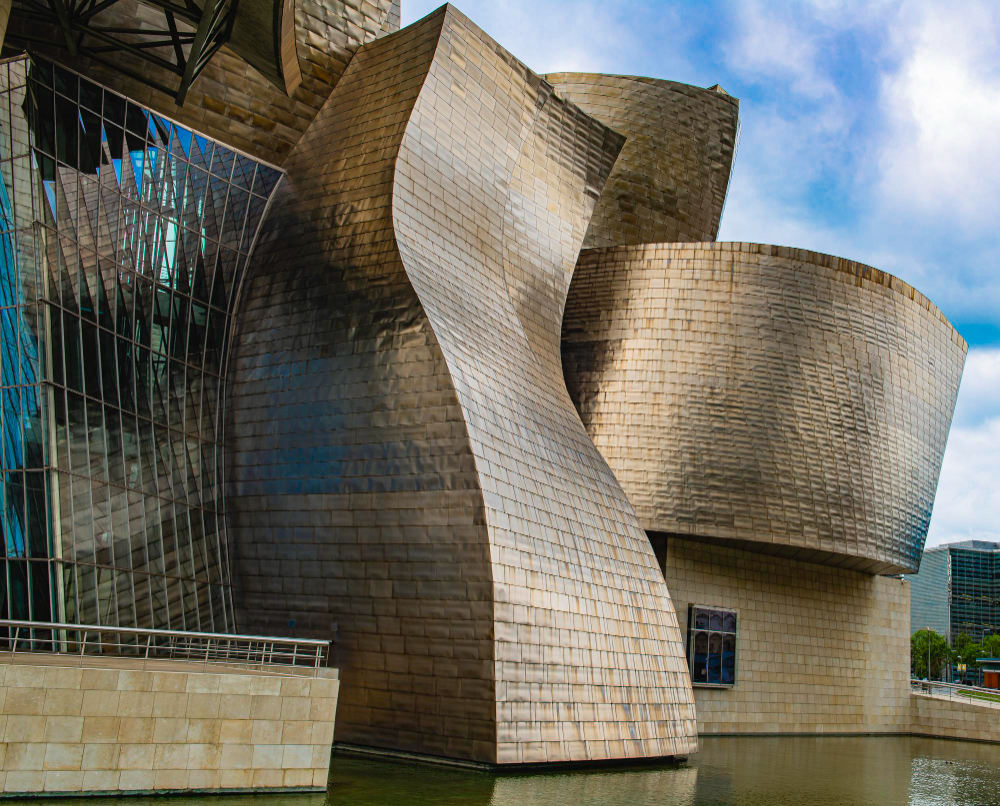
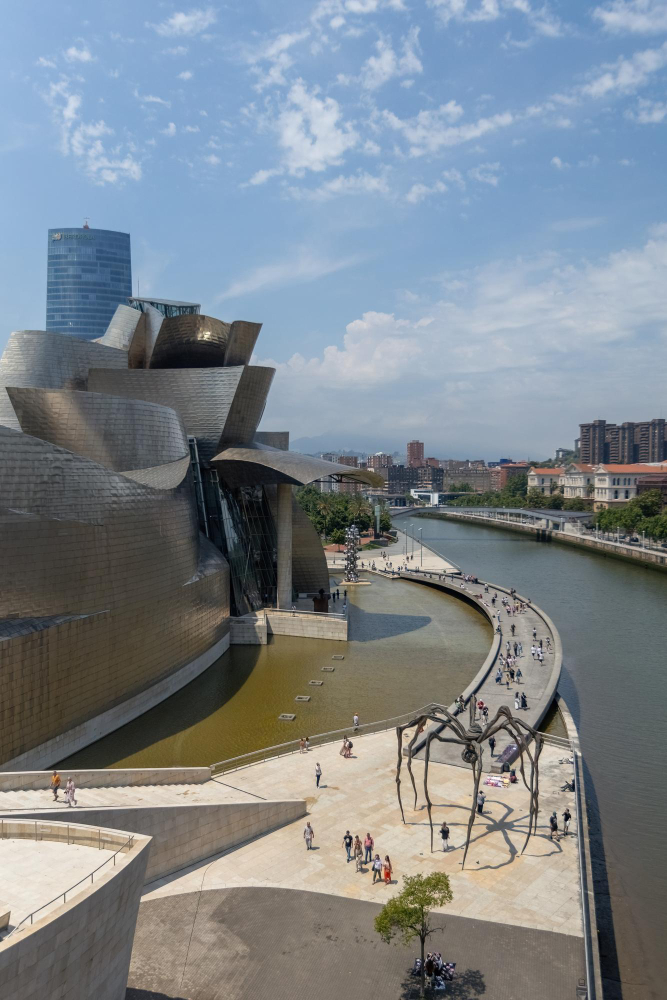
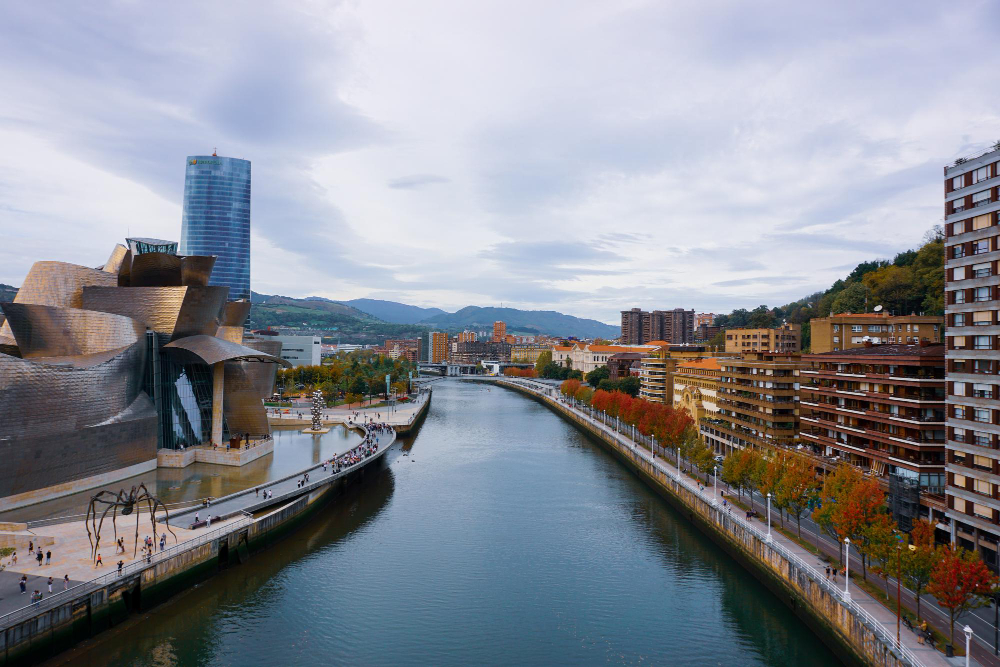
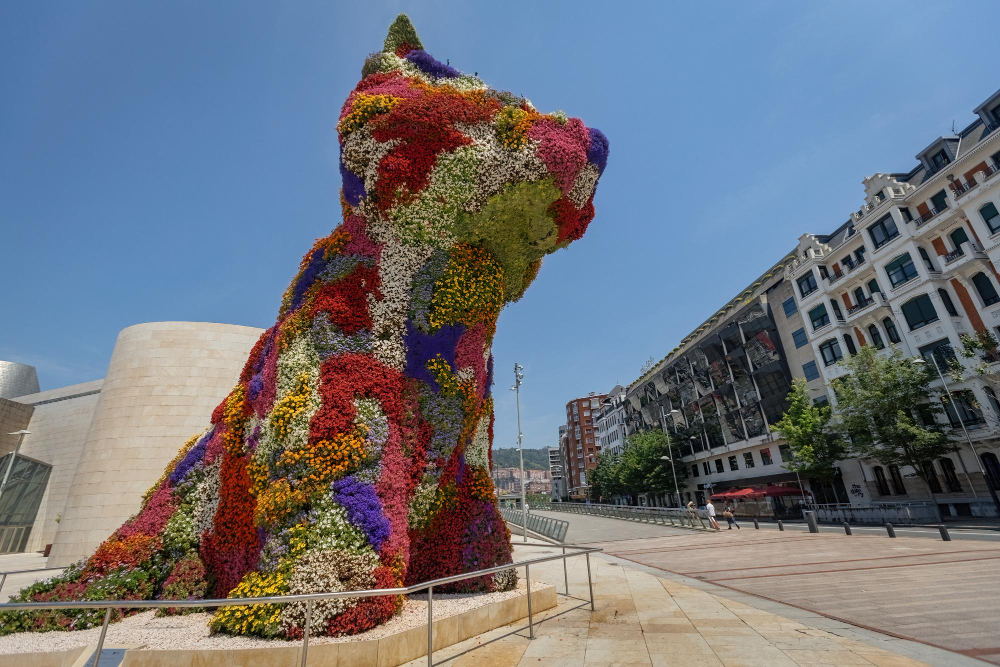
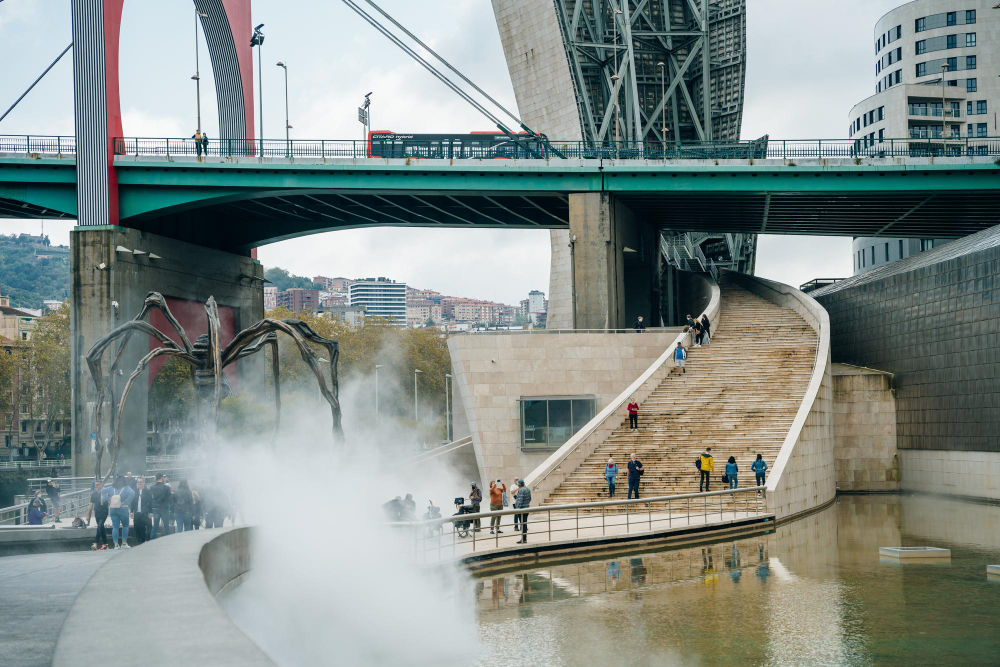
The transformation brought about by the Guggenheim Museum – A decisive turning point in Bilbao’s history was the opening of the Guggenheim Museum in 1997. This imposing building, designed by the Canadian-American architect Frank Gehry, is regarded as a milestone in modern architecture. With its futuristic titanium façade and its location right on the riverbank, it is now the city’s landmark. Yet the Guggenheim Museum is more than just an architectural masterpiece. It laid the foundation for the so-called ‘Bilbao Effect’ strategy: the use of iconic buildings to revitalise a city economically and culturally. The museum attracts millions of visitors every year and houses an impressive collection of modern art. Works by artists such as Jeff Koons, Richard Serra and Anselm Kiefer can be admired here. In particular, Serra’s installation ‘The Matter of Time’, a series of gigantic sculptures, captivates visitors and invites them to experience art in an interactive way. However, the success of the Guggenheim Museum is not solely responsible for Bilbao’s new look. Rather, the city embarked on a comprehensive urban regeneration programme.
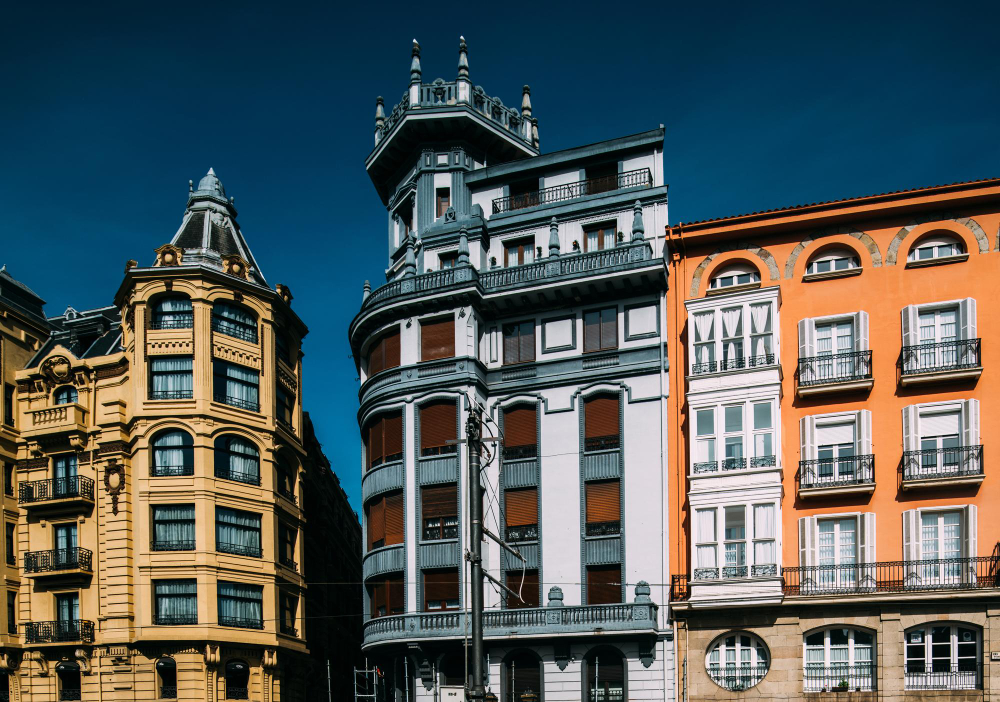
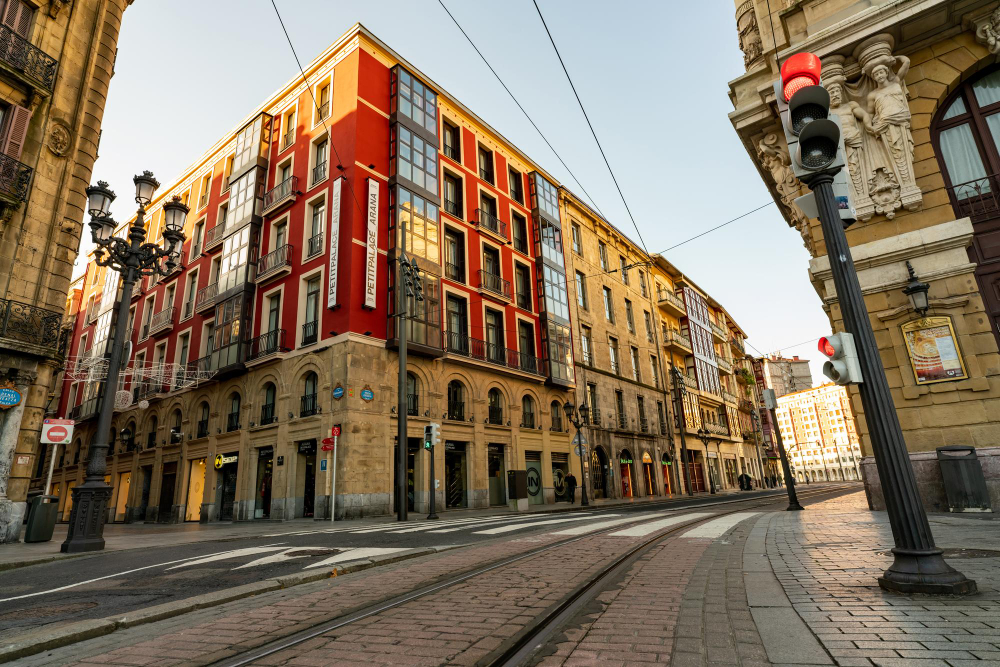
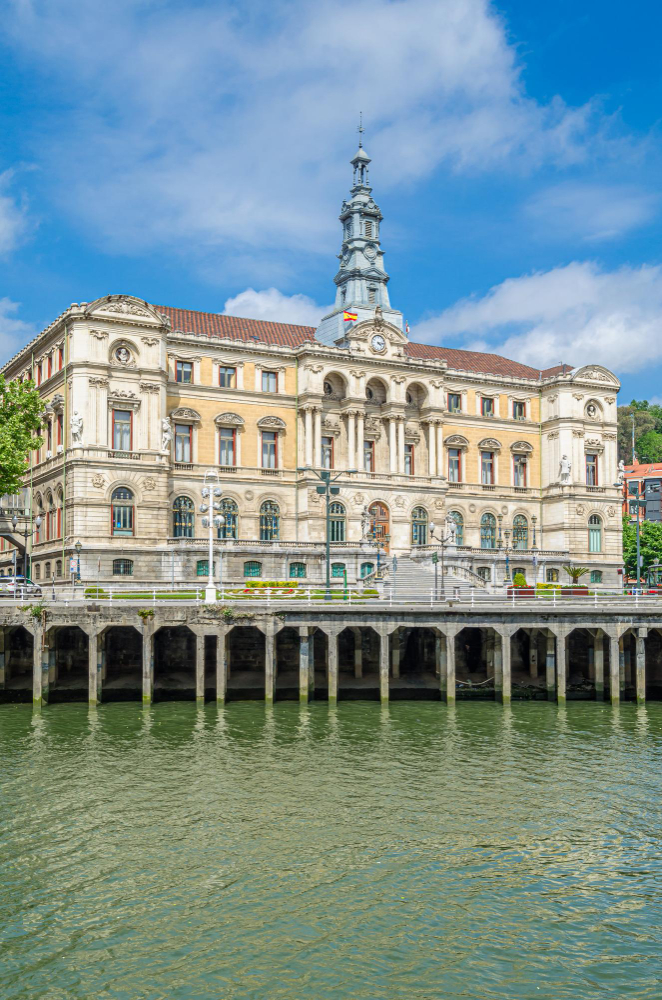
The City’s Renaissance: Architecture and Infrastructure – Bilbao impresses with its successful blend of historic and modern architecture. Alongside the Guggenheim Museum, numerous other buildings are part of this urban transformation. The Zubizuri Bridge, designed by the Spanish architect Santiago Calatrava, with its elegant, arched structure, connects two parts of the city and symbolises modernity and innovation. Another architectural highlight is the Iberdrola Tower, a 165-metre-high skyscraper that dominates the skyline. This building epitomises the economic boom that Bilbao has experienced in recent years and serves as the headquarters of the energy company of the same name. The revitalisation of the former industrial area of Abandoibarra is another example of how Bilbao has transformed its cityscape. This area, once dominated by factories and warehouses, has been transformed into a modern district featuring parks, cafés, shops and cultural venues.
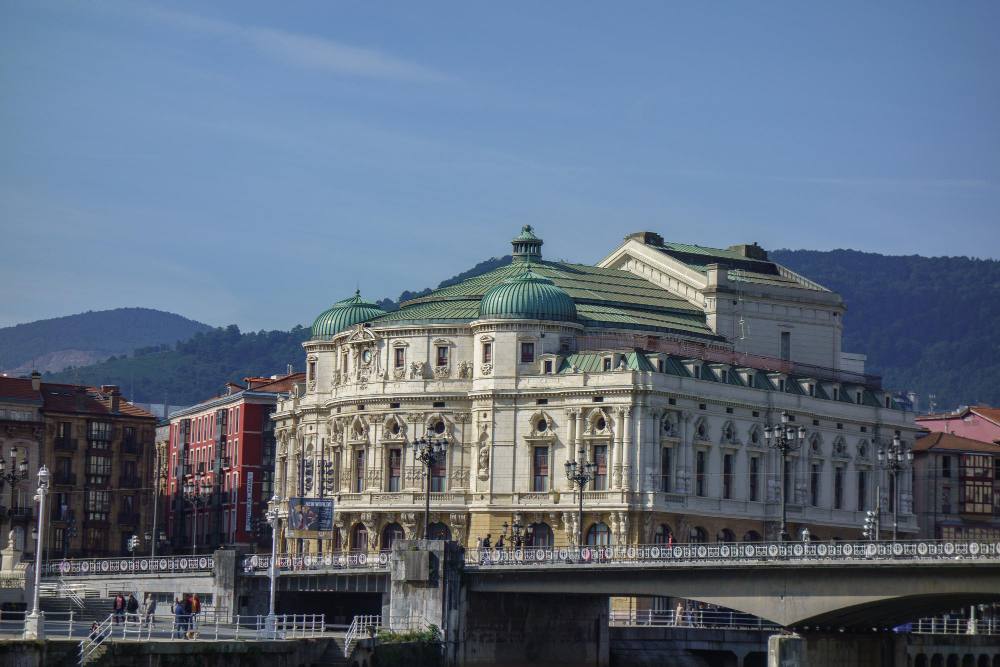
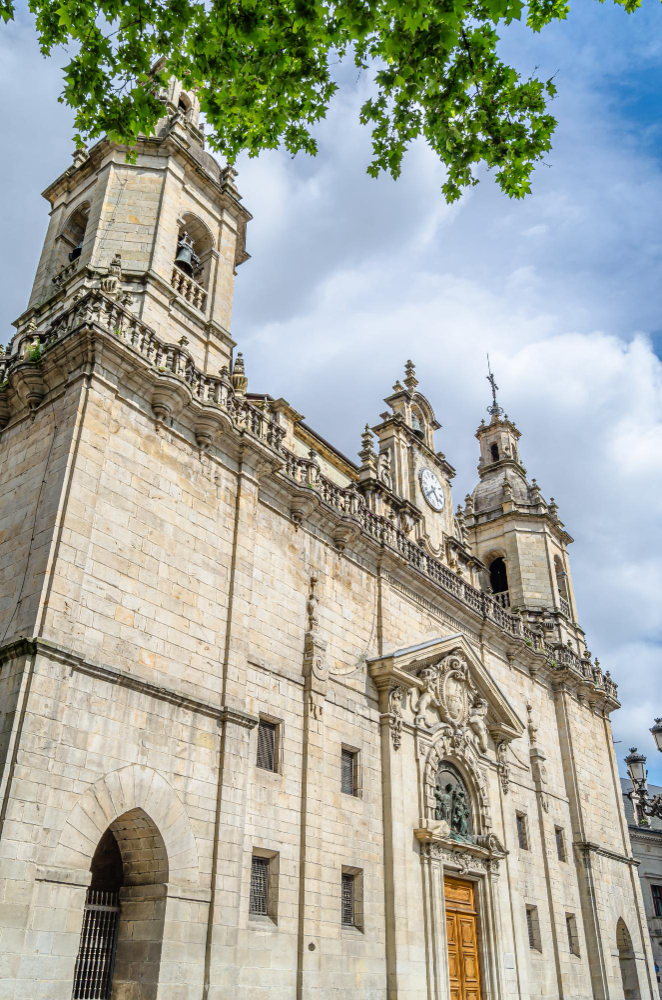
Cultural Highlights in Bilbao – Bilbao is a city that harmoniously blends tradition and modernity. In addition to the Guggenheim Museum, the city offers numerous other cultural attractions. The Museo de Bellas Artes (Museum of Fine Arts) is regarded as one of Spain’s finest art collections and houses works by El Greco, Goya, Picasso and van Dyck. The Azkuna Zentroa, a former wine warehouse converted into a cultural centre by the French designer Philippe Starck, is another place not to be missed. Exhibitions, film screenings and workshops are held here regularly. For music lovers, the Teatro Arriaga is a must-visit. This 19th-century opera house impresses not only with its acoustics but also with its magnificent architecture. The programme ranges from classical music and plays to contemporary performances.
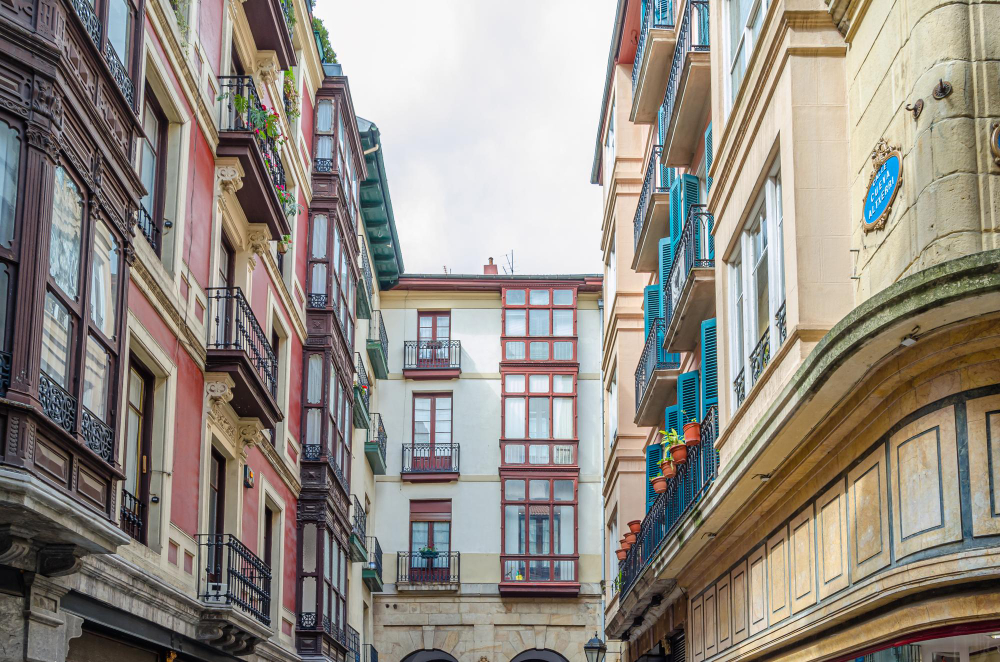
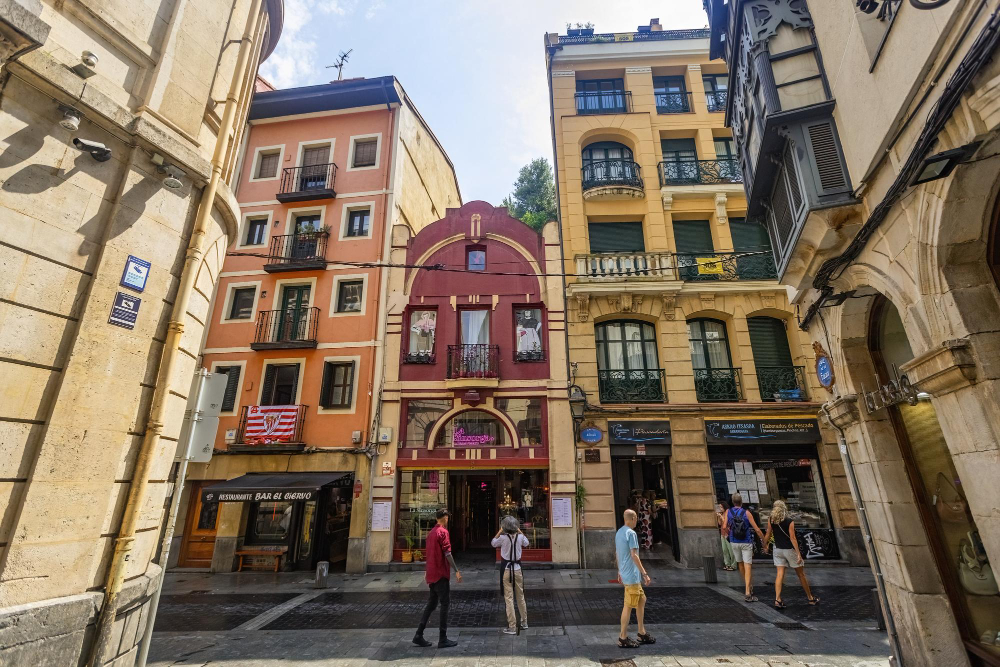
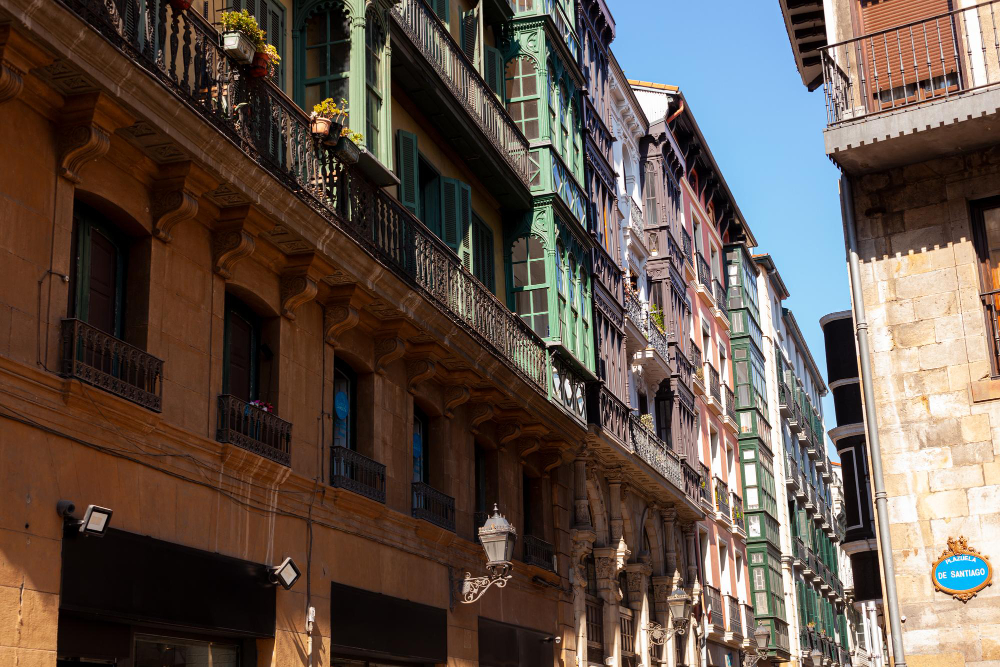
Culinary delights and Basque cuisine – A trip to Bilbao wouldn’t be complete without sampling the region’s culinary delights. The Basque Country is famous for its excellent gastronomy, and Bilbao is no exception. The ‘pintxos’ (Basque tapas) are a particular highlight. These small delicacies, served on bread, are prepared with a variety of creative toppings – from marinated fish to sophisticated meat and vegetable dishes. A visit to the old town, known as the Casco Viejo, is an excellent way to discover the city’s gastronomic diversity. The narrow streets are lined with traditional bars and restaurants where you can sample the best pintxos. Particularly popular is the ‘Plaza Nueva’, a picturesque square surrounded by historic buildings and a wealth of dining options. For foodies seeking a first-class culinary experience, Bilbao boasts several Michelin-starred restaurants, including ‘Etxanobe’ and ‘Nerua’, which is located right inside the Guggenheim Museum.
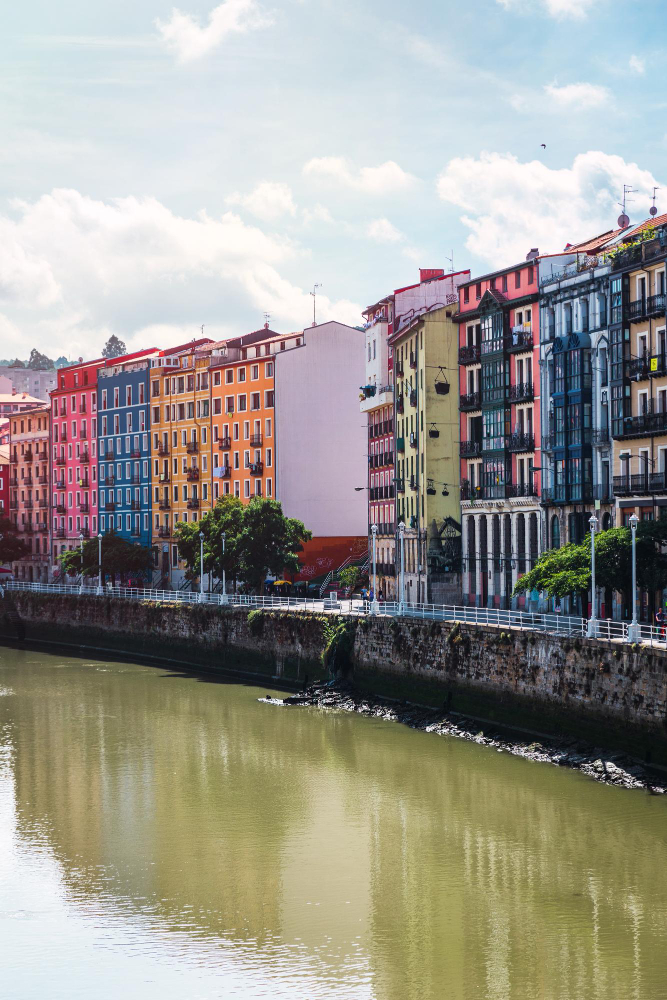
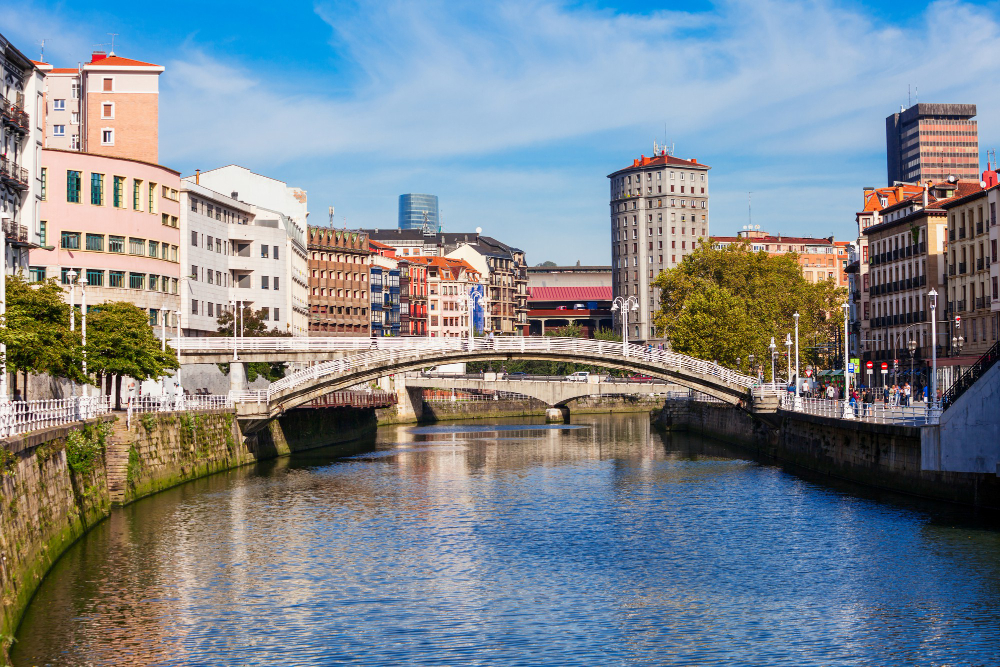
Natural beauty and green oases – Despite its urban character, Bilbao also has plenty to offer nature lovers. The “Parque de Doña Casilda Iturrizar”, a spacious park in the city centre, invites visitors to relax with its well-tended gardens and peaceful paths. The River Nervión also provides the perfect backdrop for walks along the “Ría de Bilbao”, where you can enjoy city life and the architecture. Not far from the city are wonderful day-trip destinations such as the coastal town of Getxo or the famous ‘San Juan de Gaztelugatxe’, a small island with a church at its summit, accessible via a long flight of steps. This spectacular destination gained worldwide fame as a filming location for the series ‘Game of Thrones’.
Festivals and Traditions – Bilbao is also known for its vibrant festival culture. Particularly noteworthy is the ‘Aste Nagusia’ (Great Week), an annual city festival in August that is celebrated for nine days with music, dance, theatre and traditional competitions. During this festival, the city is filled with a jubilant atmosphere, and both locals and tourists take part. Another significant festival is the “Santo Tomas Festival”, which takes place in December. It is one of Bilbao’s oldest festivals and offers the chance to sample regional produce and gain a better understanding of traditional Basque culture.
Experience Bilbao – Bilbao is so much more than just the Guggenheim Museum. The city captivates visitors with its fascinating blend of history and modernity, its cultural vibrancy and its warm hospitality. Whether you’re an art lover, a foodie or an adventurer – Bilbao has something to offer everyone. Anyone visiting the city will quickly realise that it’s far more than just a destination for a short city break. Bilbao is an experience you won’t forget in a hurry. Set off to discover the gems of this extraordinary city and let yourself be enchanted by its charm.